


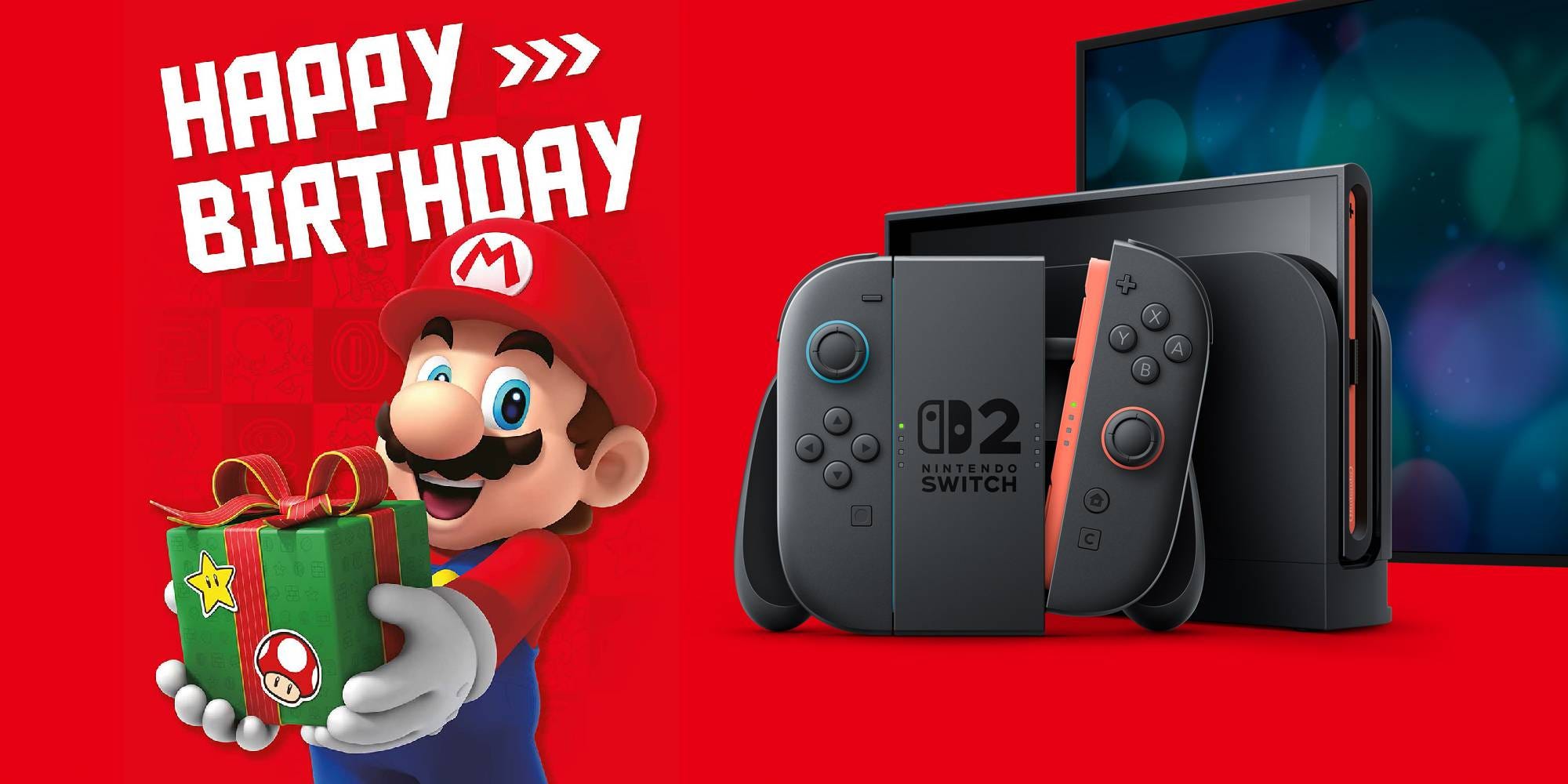

📈 Despite a controversial high price, the Switch 2 became the fastest-selling console through effective bundling and strong critical reception
🎮 The hardware offers modern features like 4K output and ray tracing, driving unprecedented third-party game support
🚀 Nintendo has maintained momentum with a mix of new exclusives, enhanced classic ports, and useful system updates like “Boost Mode”
🤔 While the future roadmap includes exciting titles, Nintendo faces challenges regarding a scheduled price increase and keeping up momentum
It’s fair to say that the gaming landscape has shifted considerably since the Nintendo Switch 2 launched over a year ago. But even with the economic uncertainty that continues to affect the video game industry in unthinkable ways, Nintendo has established the Switch 2 as the console to beat once again.
12 months on, it seemed pertinent to reflect on the Nintendo Switch 2’s first year and highlight where it’s succeeded and where there’s still room for improvement.
A controversial launch that paid off
Priced at $449.99, many thought the Nintendo Switch 2 would struggle because of its high price tag. After all, the console was the most expensive system Nintendo ever released, and many felt that the novelty of the original had worn off.
To combat the malaise, Nintendo launched a $499.99 bundle that included Mario Kart World, a shrewd move that helped the Switch 2 become the fastest-selling console of all time, reaching six million units sold in seven weeks, even with stock shortages.
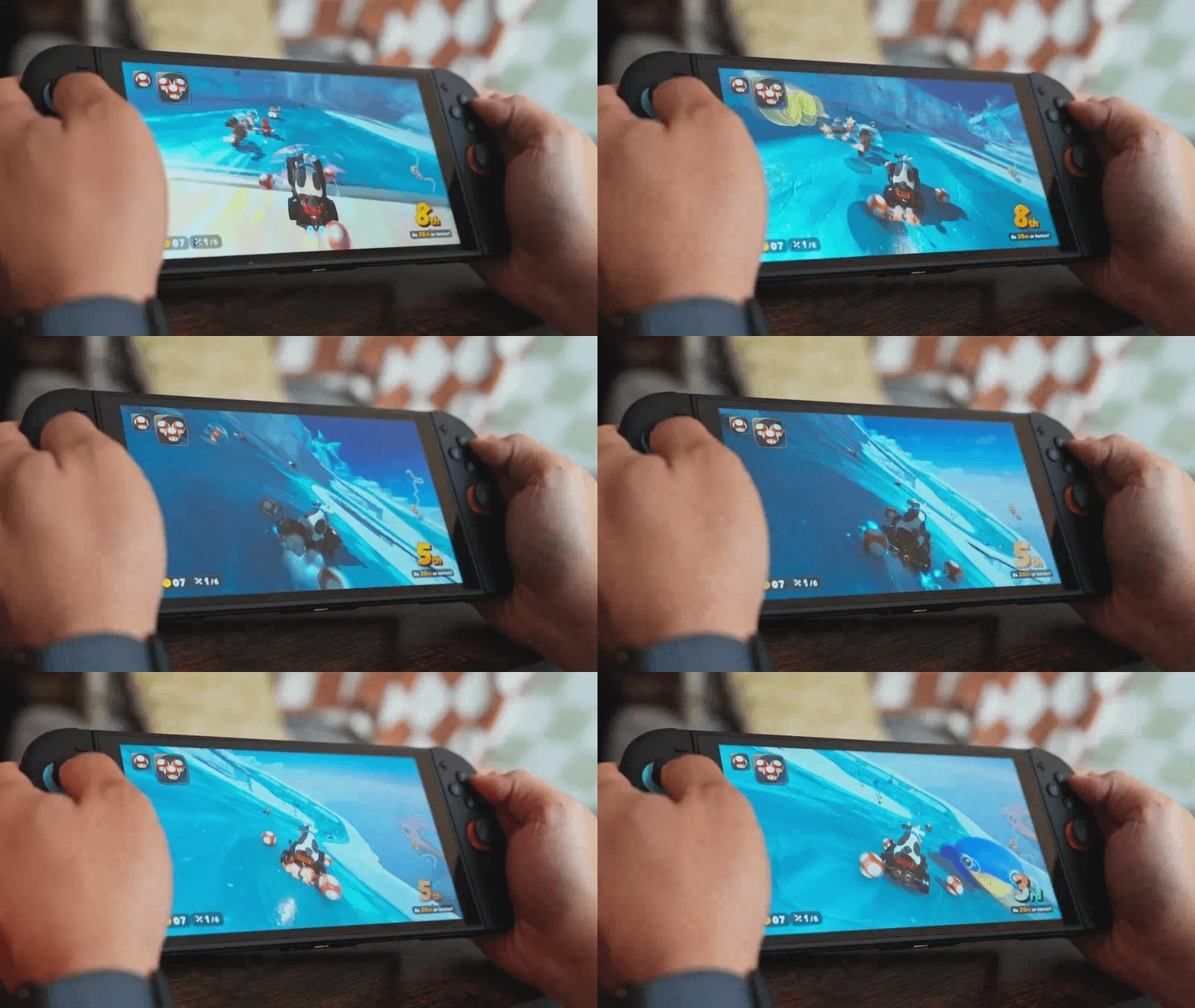
It helped that the console received strong critical reviews. Our Nintendo Switch 2 review praised Nintendo’s hardware for its excellent build-quality and new innovations like the magnetic Joy-Con 2 controllers. We also praised its modern-day capabilities like 4K output, 120Hz support, HDR, VRR in handheld mode, and even ray tracing. Plus, unique features like GameShare and mouse mode helped the console stand out from its predecessor.
While the Switch 2 won’t beat a PS5 or Xbox Series X in like-for-like performance comparisons, Nintendo’s decision to include forward-thinking features helps it come close enough for most people.
And while the Switch 2 won’t beat a PS5 or Xbox Series X in like-for-like performance comparisons, Nintendo’s decision to include forward-thinking features helps it come close enough for most people. It’s clearly a far more capable machine than the original Switch was, which has been reflected in the level of unprecedented third-party support. Switch 2 is getting games no one would have expected – including day-one blockbuster releases like Resident Evil Requiem – and they include far fewer compromises than before.
An impressive library
We’ve also seen a steady lineup of compelling Nintendo Switch 2 exclusives since the console released in June last year. A new Mario Kart was always going to be a system seller, but unexpected gems and brand-new IP such as Donkey Kong Bananza, Yoshi and the Mysterious Book, and Pokémon Pokopia prove Nintendo is willing to innovate beyond safe remakes and sequels.
Those who may have missed out on prior Nintendo Switch hits, or were simply waiting for enhanced versions, have been catered for too, with several Nintendo Switch 2 Edition upgrades making games like The Legend of Zelda: Breath of the Wild, Tears of the Kingdom, Super Mario Bros. Wonder, Kirby and the Forgotten Land, and Animal Crossing: New Horizons feel fresh again (though the latter could have been better).
Beyond refreshed classics, Nintendo has also steadily refined the Switch 2 itself through a series of system updates.
Beyond refreshed classics, Nintendo has also steadily refined the Switch 2 itself through a series of system updates. A performance setting called ‘Boost Mode’ was added, letting Switch games played in handheld mode run at their docked settings on Switch 2, and Nintendo is even experimenting with its own version of achievements with its timed DK Challenge event.
The road ahead looks bright
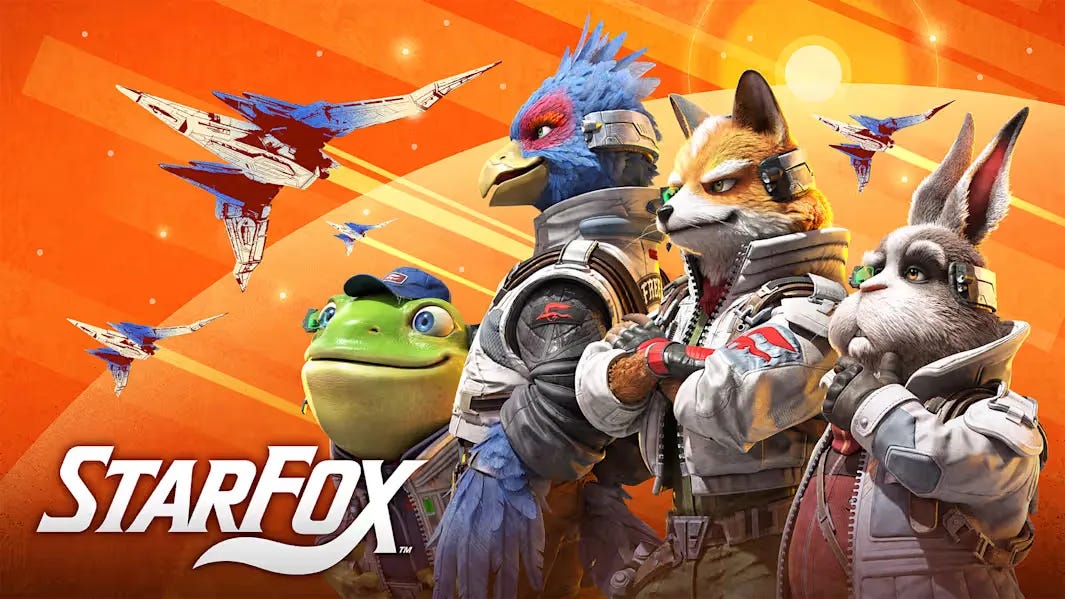
Those wondering what’s coming next will have enjoyed June’s Nintendo Direct presentation, which laid out the future roadmap for Switch 2 with an impressive lineup of third-party games and first-party releases. A remake of The Legend of Zelda: Ocarina of Time stole all the headlines, but players can also look forward to Splatoon Raiders, Nintendo Switch Sports Resort, Fire Emblem: Fortune’s Weave, Star Fox, Rhythm Heaven Groove, and Xenoblade Genesis.
Everyone is still waiting impatiently for a new 3D Mario, naturally. But you can’t deny that Nintendo is releasing exclusive games at a healthy rate, far exceeding the glacial output that we saw from Sony and Microsoft with the PS5 and Xbox Series X.
Room for improvement
Unfortunately for consumers, the price of a Nintendo Switch 2 will increase by $50 on September 1, 2026, which means the console will cost $499.99 without a game. Compared to the price rises we’ve seen with the PS5, Xbox Series X, and more recently the Steam Deck, Nintendo’s console remains competitive for what it offers.
Nintendo has at least given consumers plenty of notice before the price goes up, too. But it means Nintendo will need to work even harder to convince people to upgrade or purchase its new console and therefore can’t afford any software lulls.
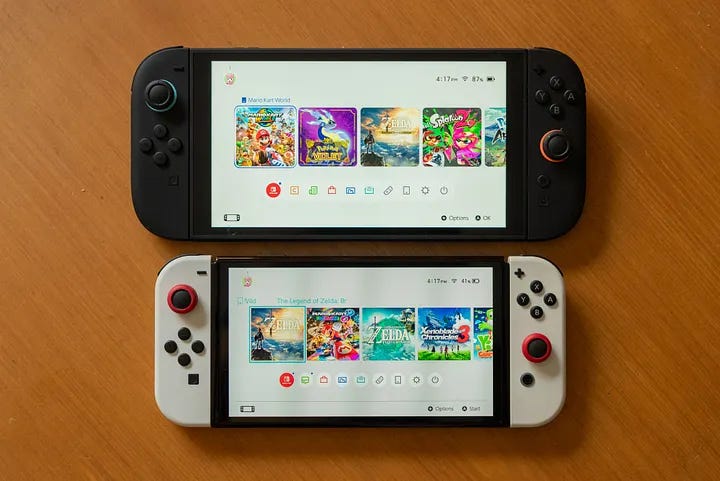
There are some key areas that Nintendo needs to address in the months ahead for existing players, too. The console still isn’t capable of VRR in docked mode, which creates an annoying discrepancy between TV and handheld mode.
Many would also appreciate an ‘overdrive’ setting for the Switch 2’s LCD display, which has often been criticized for being unresponsive, leading to noticeable ghosting and smearing for those who are sensitive to it. A Nintendo Switch 2 OLED could obviously fix this, but purchasing a brand-new console is an expensive ask for existing owners.
The console still isn’t capable of VRR in docked mode, which creates an annoying discrepancy between TV and handheld mode.
Physical game collectors have also expressed their anger at Nintendo’s ‘Game Key-Card’ system, where the cartridge acts as a digital download key and doesn’t contain the actual data. This situation has improved slightly, but it’s clearly a limitation Nintendo has run into. The cost of creating high-capacity cartridges and the fact that game data streams faster off the internal storage and a microSD Express card than from a Switch 2 cartridge means Game-Key Cards are likely here to stay.
More to come
All in all, it’s been a remarkably solid first year for Switch 2. With a strong mix of exclusives, impressive third-party support, pleasing backwards compatibility, and smart software updates like Boost Mode, the Switch 2 feels like the console to own right now. Nintendo still has work to do, but momentum is firmly on its side
Up next: Best Switch 2 games 2026: 10 titles you need to buy for Nintendo’s new console
Adam Vjestica is The Shortcut’s Senior Editor. Formerly TechRadar’s Gaming Hardware Editor, Adam has also worked at Nintendo of Europe as a Content Marketing Editor, where he helped launch the Nintendo Switch. He also runs a retro gaming YouTube channel called Game on, boy! Follow him on X @ItsMrProducts.