


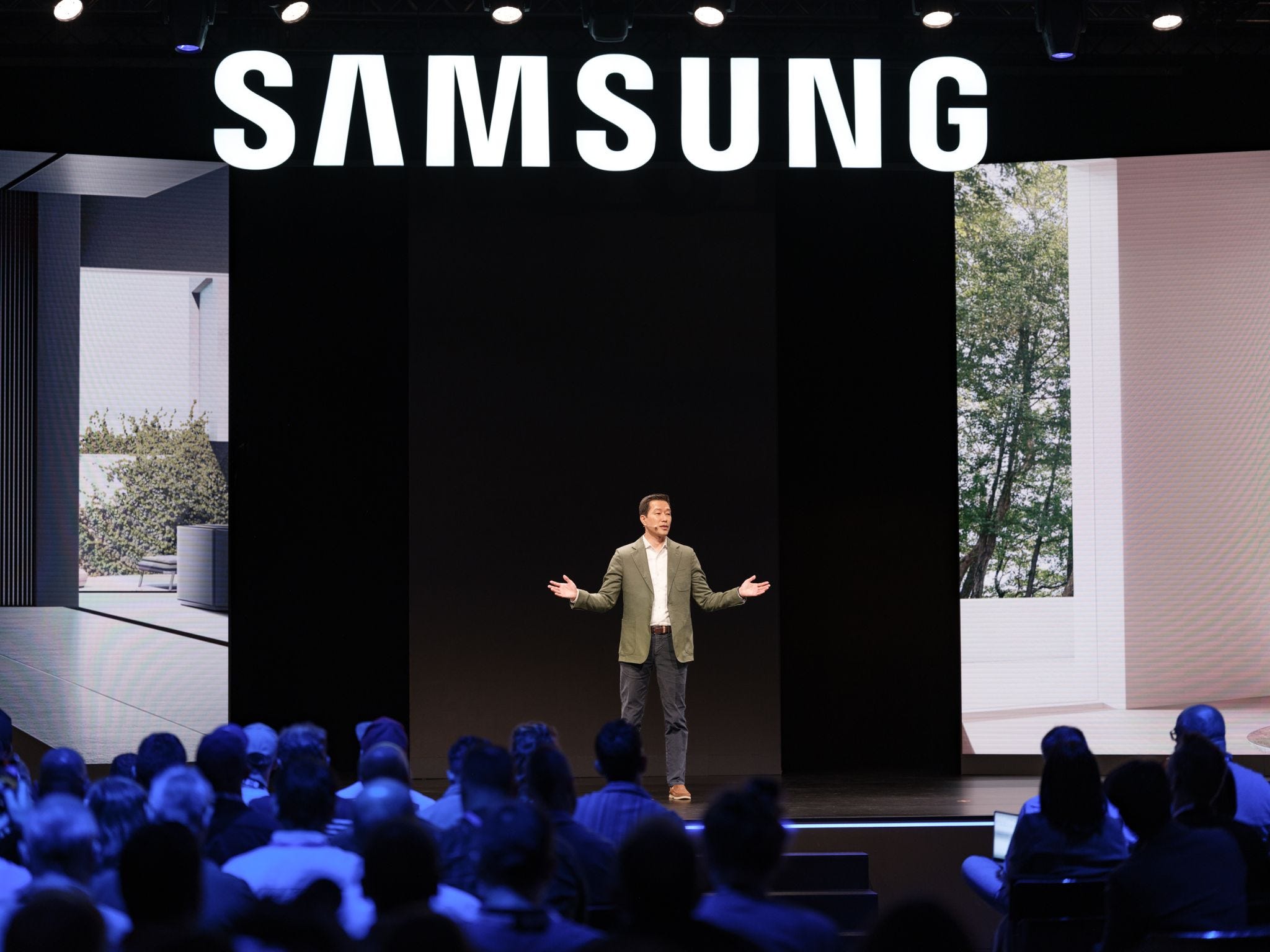
The Shortcut has reported on every major consumer-facing AI platform announcement in 2025, from Adobe’s inroads in Gen AI editing to Apple Intelligence faltering. The lack of B2C AI excitement vs B2B funding news has left a vacuum. No consumer tech company is more eager to fill that vacuum and flex its AI muscle than Samsung.
Samsung’s vision for artificial intelligence is standing out in the heated AI for consumer race in two ways. First, it’s leveraging its broad partnerships to be AI-platform-agnostic. Instead of trying to own everything or become tied up in exclusivity deals, it works with or is willing to work with every AI platform – OpenAI’s ChatGPT, Google Gemini, Microsoft Co-Pilot, Perplexity, and even xAI’s Grok.
Second, Samsung offers a range of electronics that interact with and understand consumer needs. According to Samsung EVP Kevin Lee, this is something Apple cannot do.
Kevin Lee (different from The Shortcut’s Kevin Lee) is Samsung’s Executive Vice President of the Customer Experience Team at the Visual Display (VD) Business. According to Lee, an AI-streamlined way to understand his role is that he “handles everything but appliances.” We sat down with him to get a further explanation of Samsung’s vision of its AI platform.
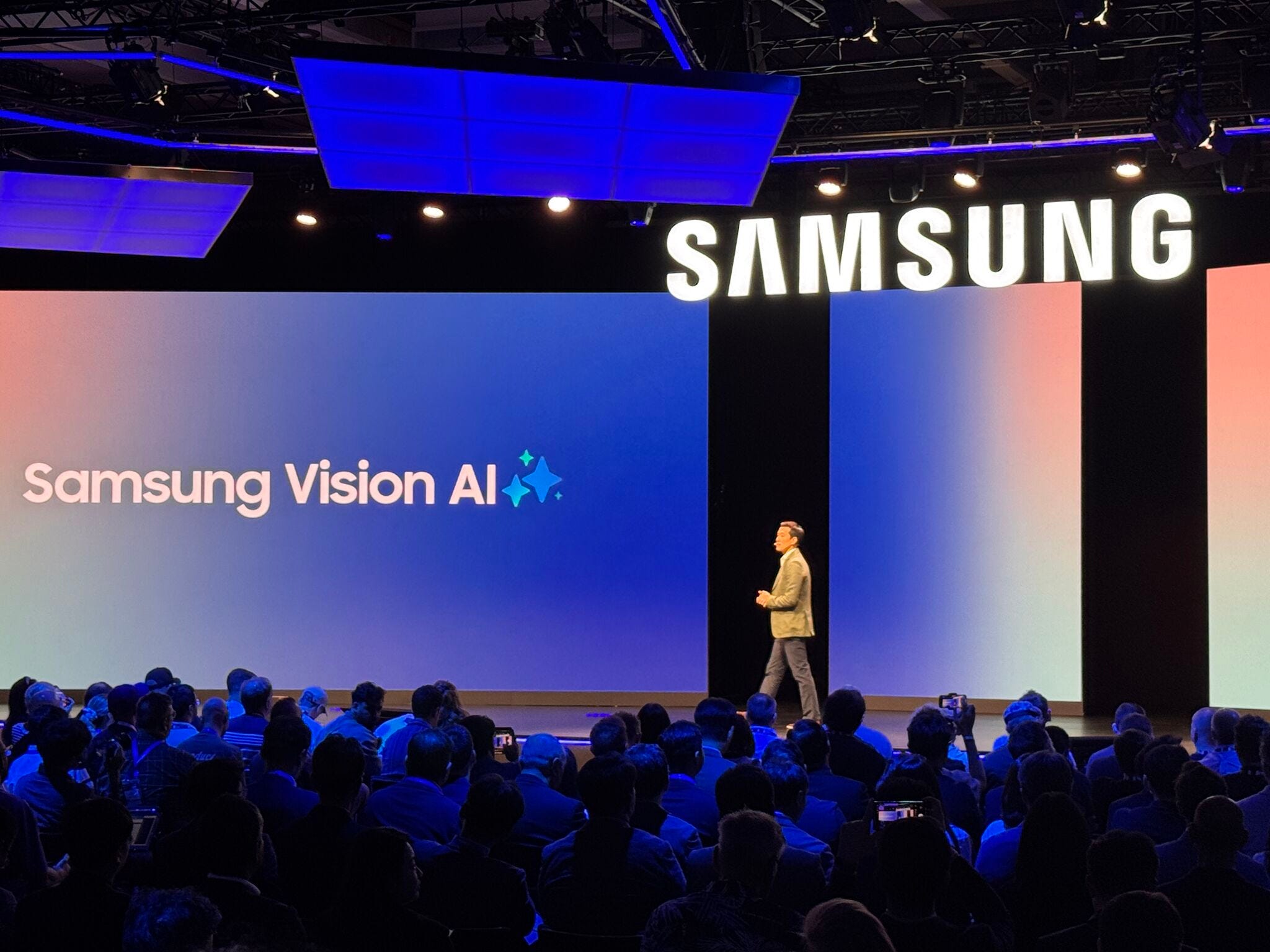
Samsung’s AI advantage over Apple
This year, The Shortcut has reviewed dozens of Samsung products like the S25 Ultra, Z Fold 7, Galaxy XR, S95F OLED, soundbars, and gaming monitors. But Lee reminded me of the breadth of Samsung’s product portfolio and how that plays into its AI advantage.
“That’s the differentiator,” said Lee of Samsung’s marketplace advantage. “If you combine that with the ecosystem that we have, no other company in the world, not even Apple, has this. Apple has tight ecosystems around their devices, but they don’t have a refrigerator, they don’t have a TV, they don’t have a projector, they don’t have 4K.”
Samsung’s SmartThings platform ties everything together, from the company’s large Family Hub refrigerator to its tiny SmartTag2 tracker. AI is stacking on top of its household-wide devices to “create new value through automations” that weren’t there before, Lee told me.
“AI has become more mature and more available in ways that didn’t exist two years ago. Now it’s there, so it’s up to Samsung to challenge the norm, then show, case by case, how that gets brought back to consumers.”
Partnership agnostic
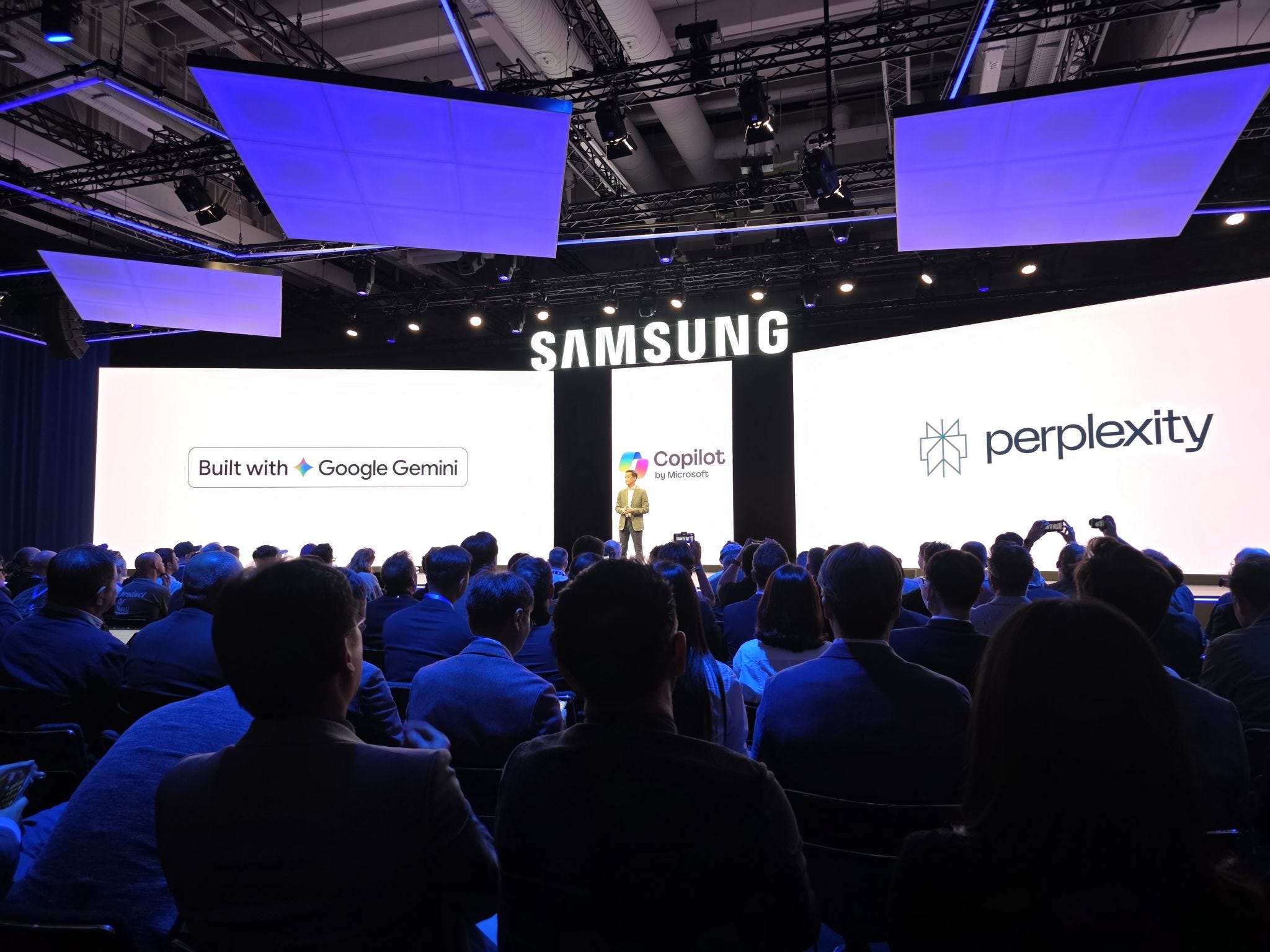
While Samsung is leveraging its product portfolio to advance its own vision of AI, Lee was quick to point out that the company is partnership-agnostic when it comes to AI services.
“We firmly believe in building this as an open AI platform,” Lee said. “We have built this open partnership platform in a way that we are able to integrate various different AI services, not because we want to do it, but because we want to be customer-focused.”
This, in my own perspective as a seasoned tech reviewer, is different than Apple Intelligence, in which the iPhone maker is trying to own everything with limited partnerships, or Motorola’s exclusive integrations, where only the Perplexity app is pre-installed on new Moto phones.
“In our Vision AI, if you look at it,” Le said, “it has the access point to [Microsoft] Co-pilot and soon Perplexity. Consumers do change their minds, don’t they? One day I like coffee, and the next day I like orange juice. And we choose one, and stick to it. Then, no, I just feel like a different mood, right? Well, how do we honor that?”
“What we’re doing is respect their behavior and then put it on top of good technological AI.”
xAI’s Grok
When I asked about the possibility of Samsung working with xAI’s Grok, sometimes the outlier among AI platforms, Lee said it was possible.
“We’re looking at all AI platforms as an open book possibility due to our open platform strategy and philosophy. So, the short answer to that is we are continually exploring.”
On what goes into evaluating platforms for use in Samsung’s orbit, Lee said: “We look at the other side of the prompt and say, ‘What are the type of customers you’re going after?’”
What about Ballie?
Samsung and Google just launched the Galaxy XR headset, a rival to the Apple Vision Pro at half the price. Samsung made the hardware and some software, while Google focused on developing the operating system and porting over its suite of apps.
I made a point to ask about Ballie, the other Samsung-Google collaboration. The AI-powered rolling home companion robot, last seen at CES 2025, is past its release window.
“The only thing I can tell you is that we’re definitely continuing to work on Ballie,” Lee told The Shortcut.
“We are doing some of the field tests as we speak to make sure that Ballie is working the way we intended it, but also living up to the quality standards that we believe it needs. So that’s where we are at the moment.”
Lee wrapped up our conversation with a reminder of Samsung’s strategic thinking around new product launches.
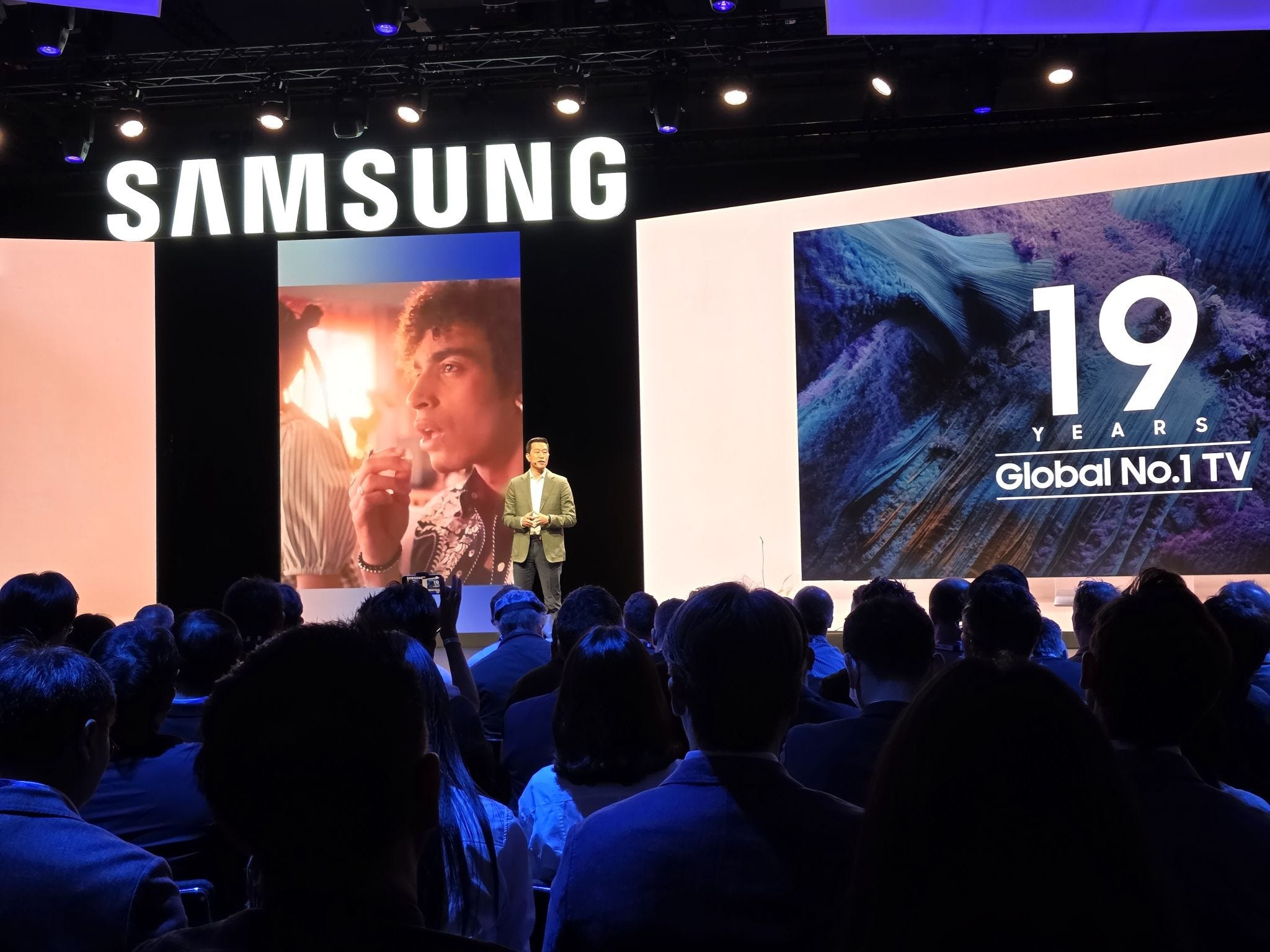
“We didn’t build 19 years of number one by accident. It was intentional, it was strategic, and it was bold. And there are some other bold movements we are doing, like Ballie, that require another level of intense evaluation to make sure that these are made up for that market.
My main takeaway from this is how far can AI partnerships and enhancements take them. I would argue most consumers want improvements in AI but not at the cost of not innovating in other areas. It seems the main innovations we are getting from samsung are in their foldable lineup. The S series phones have been largely consistent for years, and I understand this is subjective but their TV software remains extremely clunky and slow. People would love to see some actual changes aside from AI since the majority of consumers will say that's nice, but even Apple is catching up to them due to their lack of innovation in their annual flagships. The S25 Edge was the perfect example of this, the device only existed to be there before the iPhone Air, so it wasn't surprising sales were mediocre. Samsung needs to innovate outside of AI in order to remain competitive.