


Last updated to include our iPhone 16e review
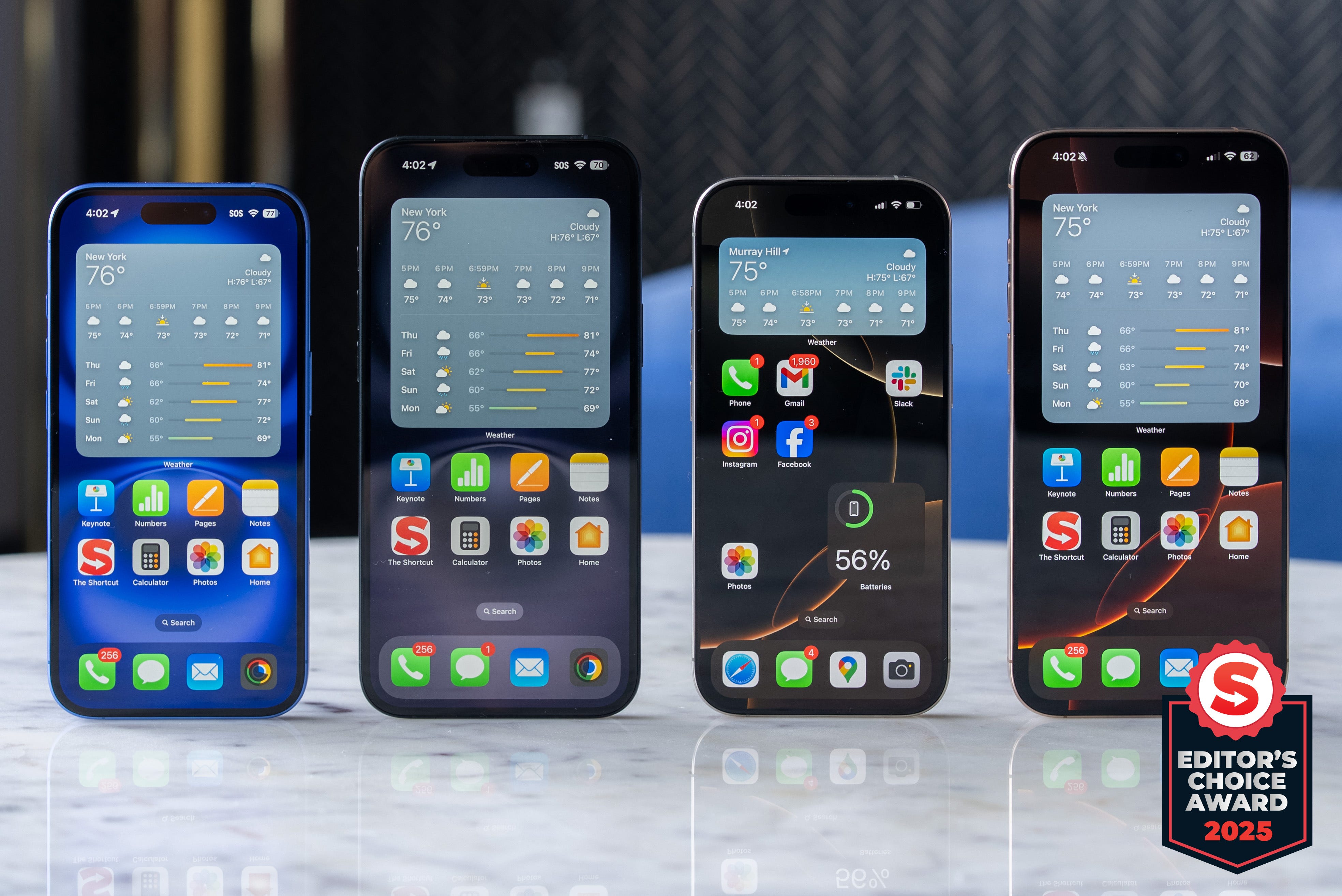
🏆 Review score: 5 out of 5
🏅 Editor’s Choice Award
Pros
✅ 📐 Bigger screens on the iPhone 16 Pro and 16 Pro Max
✅ 📸 Great photos and impressive 4K120fps slo-mo video
✅ 🔘 Camera Control is a multi-function shortcut to capture & stylize
✅ 🔋 Superb battery life (up to four extra hours on the Max)
✅ ⚡ 25W faster wireless charging beats Samsung and Google
✅ 🌈 Love the Ultramarine (16) and Desert Titanium (16 Pro) colors
Cons
❌ 🤲 The iPhone 16 Pro Max is a two-handed phone – I almost wish it folded
❌ 🤳 Selfie camera timer could be easier to access (buried in menus)
❌ 🌈 I wish the iPhone 16 Pro series had the fun colors too
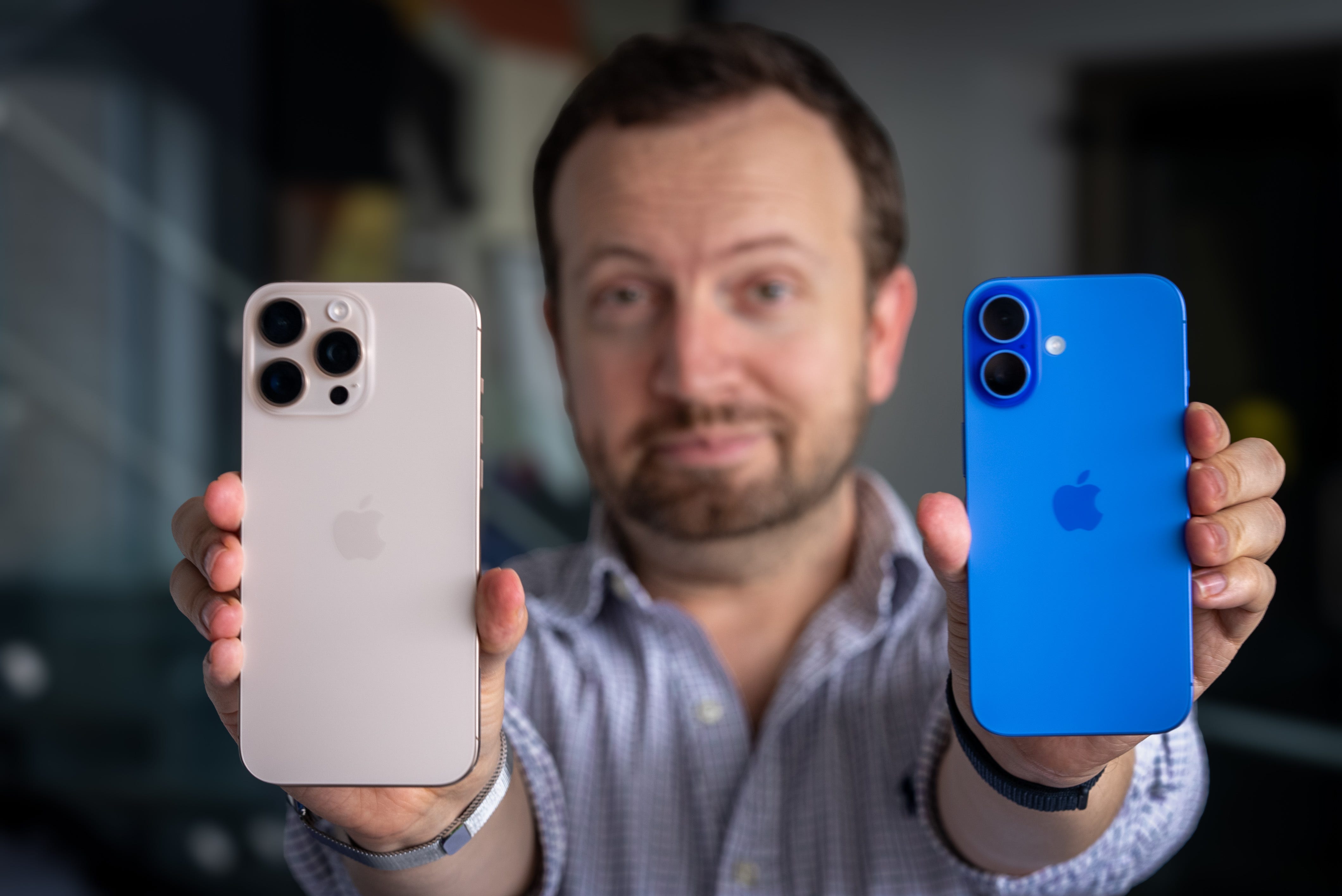
The iPhone 16 Pro series has become bigger and brainier than the iPhone 15 Pro and 15 Pro Max I reviewed one year prior. How? Apple outfitted this year’s Pros with larger screens, a dedicated multi-function Camera Control (on all four new iPhones), and up to four hours of additional battery life and faster charging.
It’s become brainier with Apple Intelligence, launched with iOS 18.1 in October 2024, offering clutch AI summaries of emails and notifications (my favorite feature) and AI photo-editing tools (magically erasing pesky photo-bombers in the background). Siri has become smarter over time with iOS 18.1, and Apple may double down on its AI ambitions with iOS 26 at WWDC 2025.
The iPhone 16 and Apple Intelligence are Apple’s answer to your AI needs and rival features found in the top Android phones. The Google Pixel 9 Pro XL with Gemini Advanced AI and the Samsung Galaxy S25 Ultra with Galaxy AI are impressive.
However, if you favor Apple’s much more cohesive software ecosystem over Android and didn’t just buy the iPhone 15 Pro Max or the new, budget-friendly iPhone 16e, there’s enough here to get excited about Apple’s sweet 16.
Design
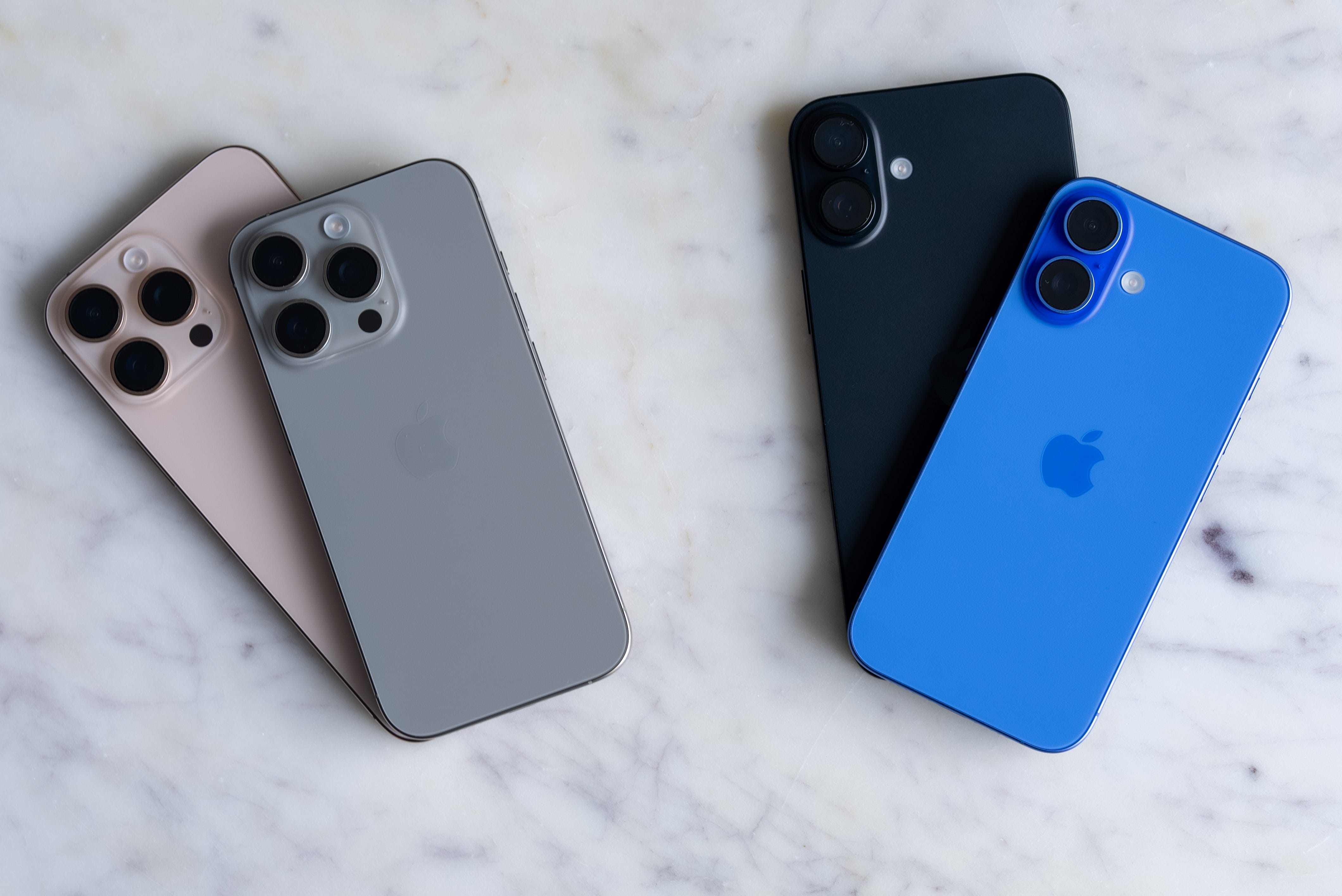
📐 Bigger Pro screens. The 6.3-inch iPhone 16 Pro and 6.9-inch iPhone 16 Pro Max give you more screen space for the same starting price of $999 and $1,199. That’s 0.2 inches of extra OLED real estate. I foresee some users of the prior 6.7-inch Pros (a size that dates back to the iPhone 13 Pro Max) may opt for the new 6.3-inch size, but I’m still a smartphone screen maximalist who appreciates the bigger 6.9-inch size.
📺 Less bezel. It’s not bigger just because the phone dimensions have increased. Apple managed to reduce some of the bezels that outlined the Pro phones. That, along with the 120Hz ProMotion display and telephoto camera, are the reasons I would opt for the iPhone 16 Pro series phones.
⌨️ Keyboard luxury. I prefer the iPhone 16 Pro Max for one reason you may not be thinking of: the on-screen keyboard always seems easier to use on a bigger screen. I tried using a 4.7-inch iPhone SE 2 recently (before I upgraded my parents’ phones), and it felt cramped. The Pro Max has always felt great for typing, and at 6.9 inches, it feels even better – your thumbs will thank you.
📖 Almost big enough to fold. One day, I want to see Apple’s take on a foldable design, like the one found in the Google Pixel 9 Pro Fold or the flip-style Samsung Galaxy Z Flip 6. At 6.9 inches, it feels like things can’t get any bigger unless you fold. There’s nowhere to go from here but folded up.
Colors
🌈 Fun iPhone 16 colors. I’m jealous of the iPhone 16 colors – Ultramarine and Pink, especially. In person, they’re so vibrant. Teal, White and Black are also options, but if you’re buying the iPhone 16 or 16 Plus, go for Ultramarine, unless you’re tied to Pink.
🏜️ Desert Titanium. I’m using the iPhone 16 Pro Max in the new Desert Titanium color, and it’s thankfully creamier and less brown than anticipated. You’re not going to be disappointed in it, though Black, White, and last year’s hero color, Natural Titanium, still exist. I do hope next year’s iPhone 17 Pro will give us a red or blue like the seven Samsung Galaxy S24 Ultra colors in titanium.
Camera
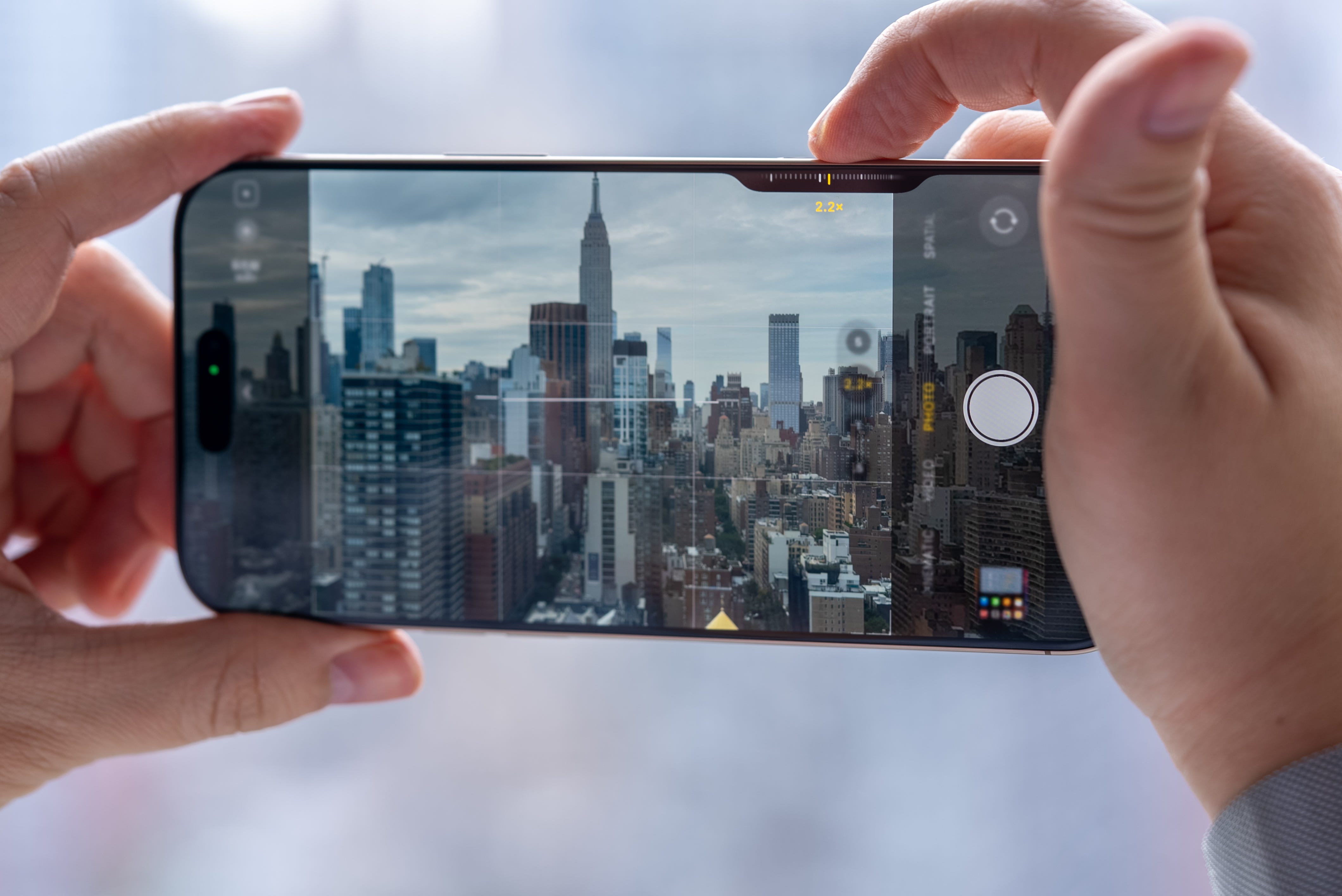
🔘 Camera Control. For the second year in a row, Apple is adding a new button to its iPhones. All four phones now have Camera Control on the bottom right of the frame. This makes it easy to launch the camera, snap a photo, record a video and cycle zoom and photo styles. What’s interesting is that Camera Control isn’t a protruding button. It’s flush with the new iPhone’s body, meaning you won’t accidentally press it. It takes some getting used to, but I’m a fan of physical buttons and, obviously, shortcuts.
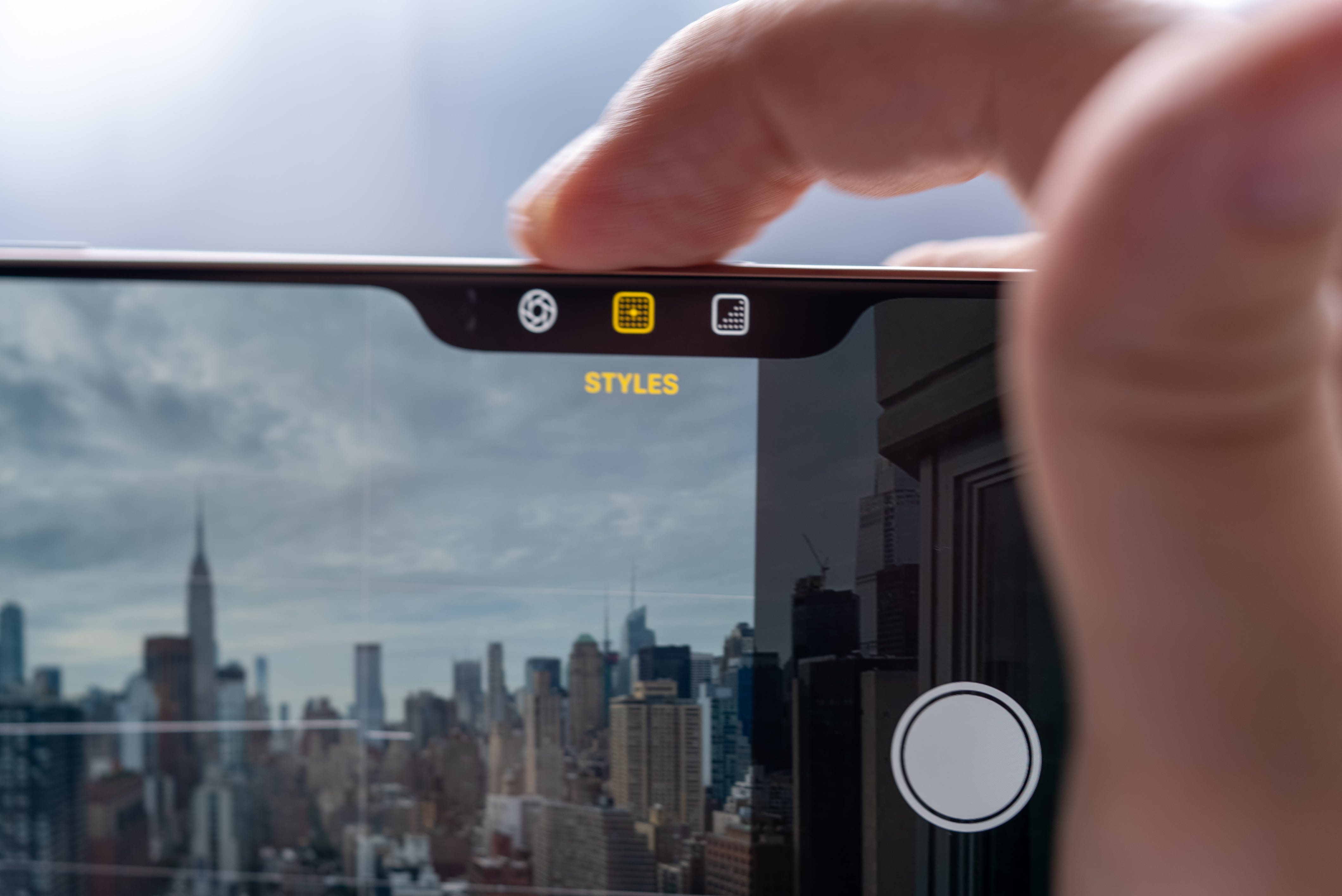
👀 Styles and tones. Sliding across the multi-function Camera Control opens up a whole bunch of possibilities – some brand new and others returning but previously buried in submenus. I’ve talked to iPhone users who didn’t know you could adjust styles. “This a new!” they said. It’s not. It’s just way easier to find previously hidden camera options and is simply a click away. Here are the Camera Controls:
Exposure
Depth
Zoom
Cameras (meaning 0.5x to 5x)
Styles
Tones


👻 Snapchat, Instgram others use Camera Control. I like the fact that third-party apps have access to the Camera Control API. This means the feature won’t be limited to Apple’s default camera app. Snapchat uses Camera Control to not only tap the shutter but also cycle through your favorite contacts to send a picture or video quickly.
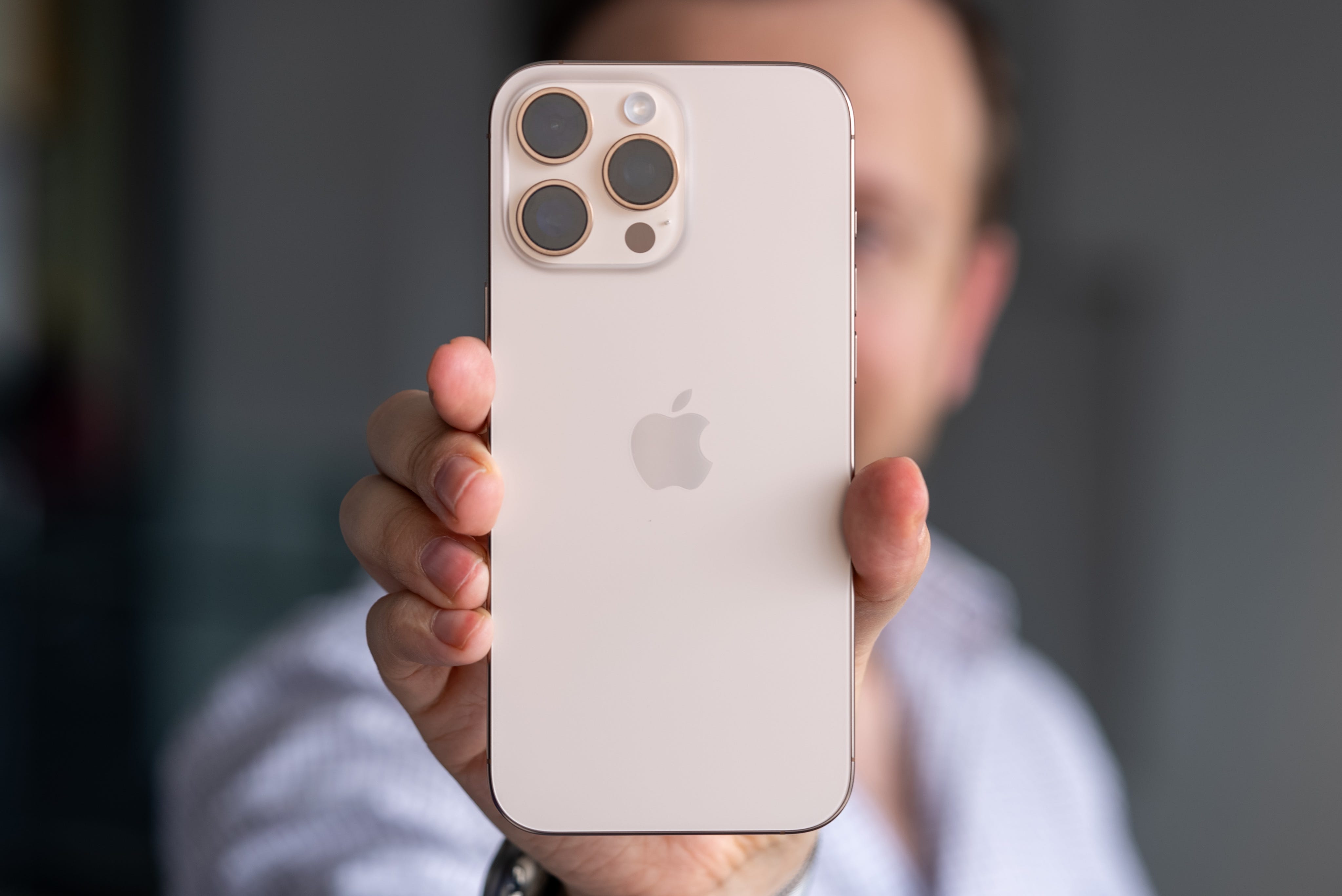
🤳 Same selfie camera. The iPhone 16 series has the same TrueDepth front-facing camera across the board. While you can use Camera Control to snap a photo, I’d love to see a better way to access the timer. It’s buried too deeply into the menus and I still find Samsung’s hand-gesture-to-trigger-timer shortcut the best way to snap a group selfie (where the pressure is real when you’re in charge of tapping the shutter button).
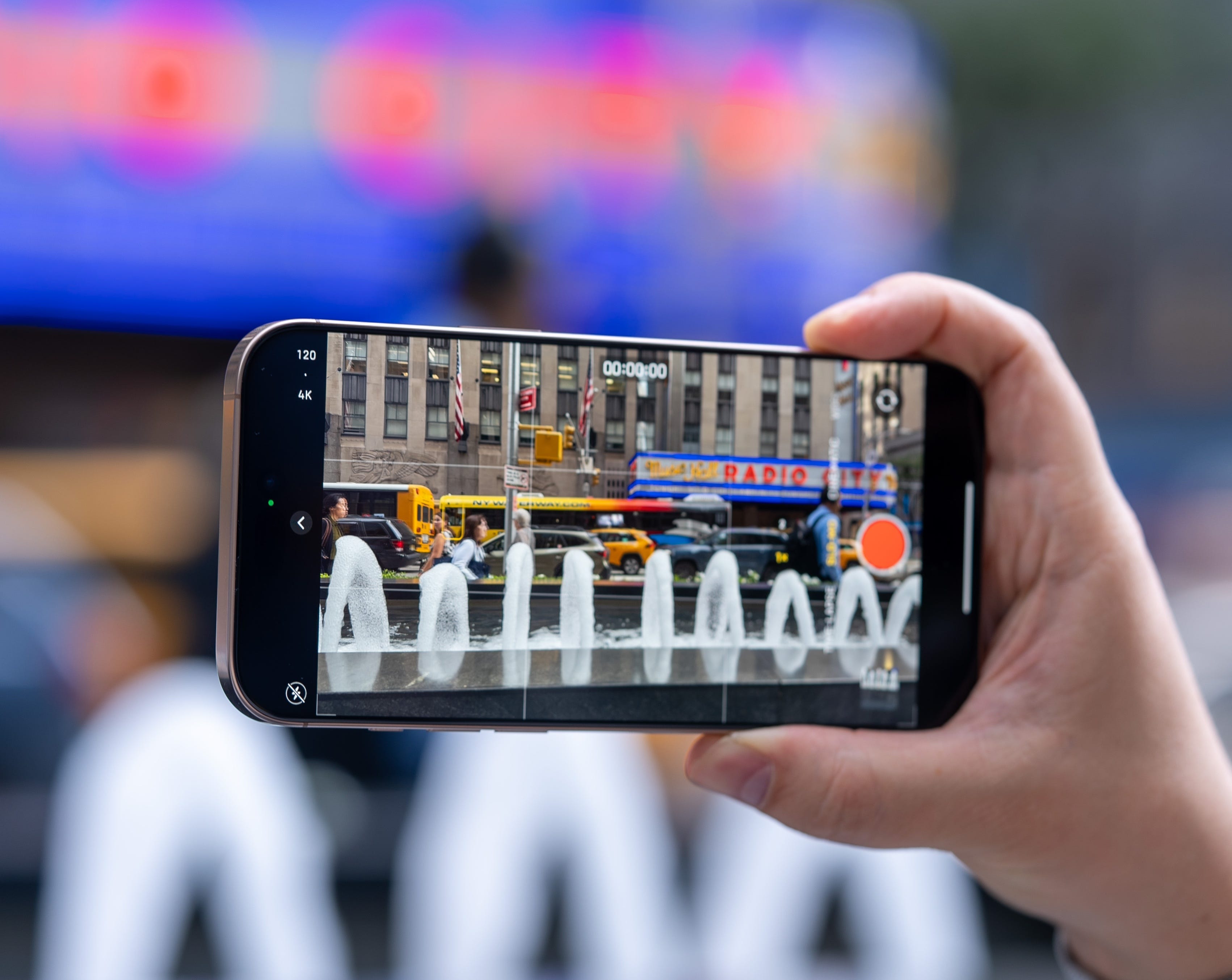
📹 4K120fps slow motion tested. iPhones always have top-notch video capabilities vs Android, and now Apple has widened the gap in slow-motion video. Not only can “slo-mo” capture scenes and subjects in 4K at 120 frames per second, you can adjust when the slow motion kicks in (or do away with it completely). It’ll eat up storage and recording in ProRes does require external storage (might I suggest this Anker MagSafe SD card accessory on Amazon), but the results are worth it.
👐 48MP ultrawide upgrade. The ultra-wide camera went from 12MP to 48MP in RAW on the iPhone 16 Pro and 16 Pro Max. We still need more time to test it, but we went to a Mets game and captured a range of photos from the various cameras.


🔍 48MP Macro photos. On the opposite end of the spectrum, the iPhone 16 Pro phones also benefit from the 48MP camera sensor when using the macro mode. Close-up shots are even bigger when you’re trying to focus on tiny subjects.
🔭 5x telephoto on both Pros. This may make your iPhone buying decision harder. There’s no difference between the iPhone 16 Pro and 16 Pro Max this time – both now have a 5x optical zoom using Apple’s tetraprism camera. Previously, this was a feature limited to the iPhone 15 Pro Max.
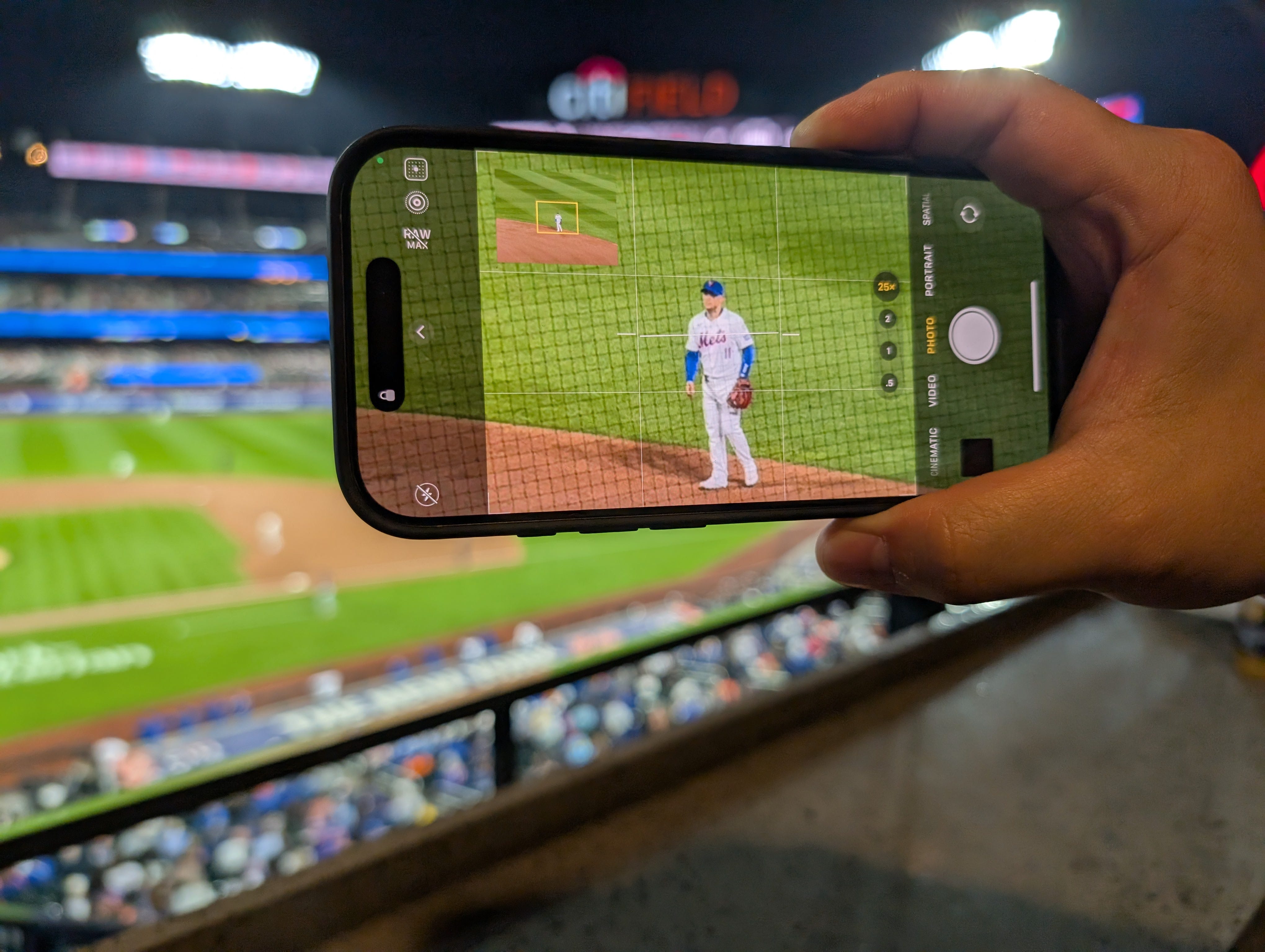
🥽 Spatial capture. All four iPhone 16 series phones can capture Spatial photos and video (at 1080p and 30fps) that can be played back using the Apple Vision Pro. I like that the camera now includes “Spatial” as a dedicated camera option on the bottom instead of being another button within the crowded video mode.
Annual iPhone 1 comparison
🆚 iPhone 1 vs 16 Pro Max. Every year at launch, I power up my iPhone 1 and do a fun comparison between my original iPhone and the latest iPhone to demonstrate how far we’ve come. My annual test subject: Apple SVP of Worldwide Marketing Greg “Joz” Joswiak, who is a good sport about posing with me year after year.
Flashback: I also did this in my iPhone 15 Pro Max review
17 years since the iPhone 1 launch, here’s what that looks like:


👀 Notice. The iPhone 16 Pro Max photo is less blurry than the iPhone 1 picture (OIS has brought us a long way), the faces are brighter (overcoming harsh shadows), and the field of view is a lot wider (a lot more room to work with in case I want to crop it later). The iPhone 1 was remarkable in 2007 – but the progress that smartphones have made is important to note whenever someone says, “It’s the same every year.”
Cleaner Audio
🎛️ Audio mixing is easy. Apple has a new, post-production quick fix for noisy video audio in all four new iPhones. In crowded rooms or environments, you can reassign the audio as “in-frame” or “studio” to dampen chatter outside the frame. There’s also a cinematic option if you want to take in all the sights and sounds. I would say this feature was only for pro video editors, but it’s easy for anyone to pull off.
Specs and battery
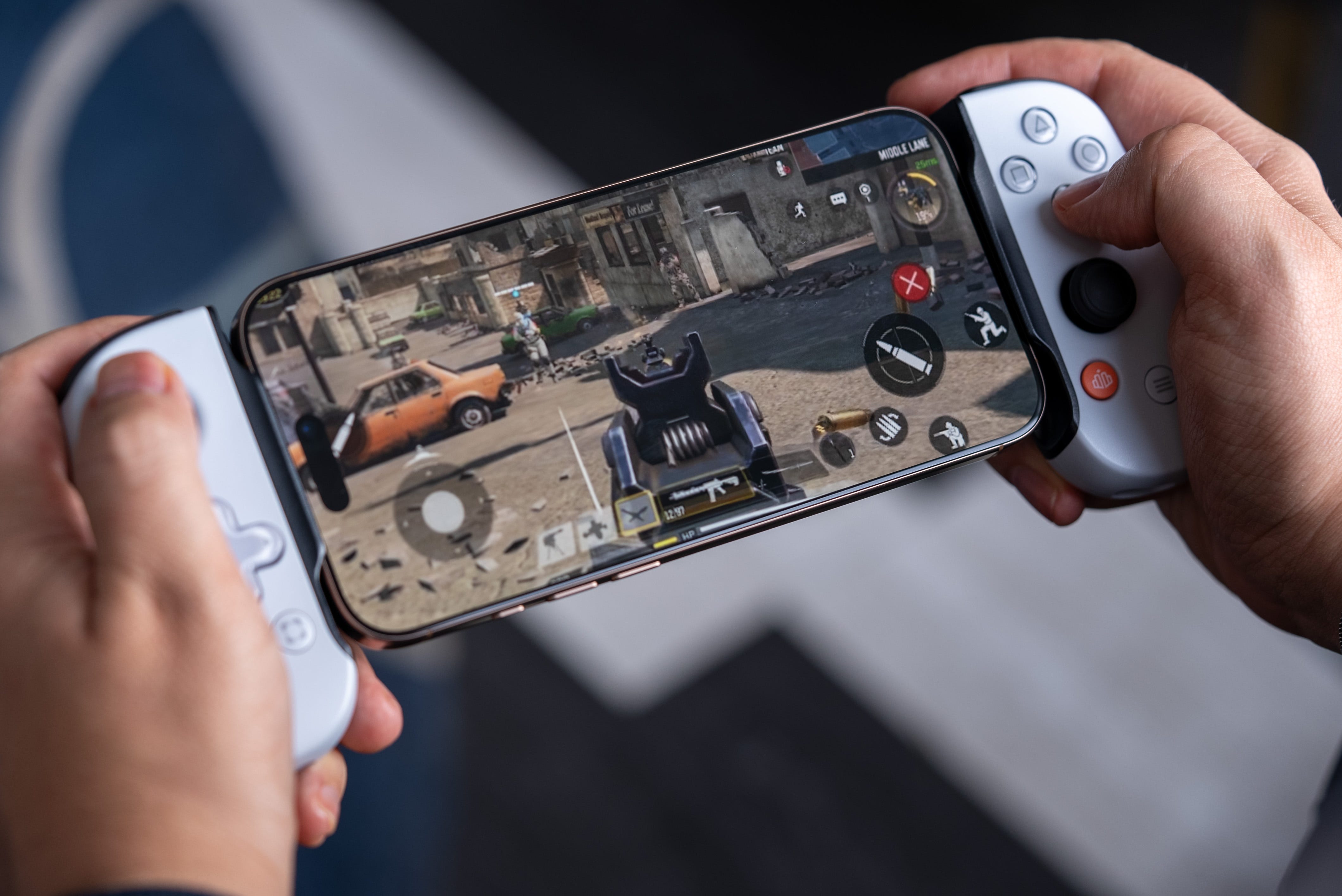
🎮 Gaming with the A18 Pro chip. I’ve pushed the iPhone 16 to its limits with games like Call of Duty Mobile, PUBG, and Genshin Impact, along with a flurry of Apple Arcade games. So far, Apple’s A18 and A18 Pro chips top multi-core benchmarks and don’t get as hot as last year’s iPhones at launch. Triple-A games like Resident Evil: Village, Death Stranding and Assassin’s Creed Mirage offer near-console-quality graphics, though I’d like to see more announced. These PS5-to-iPhone games and the microtransaction-free Apple Arcade subscription are two advantages that Android hasn’t been able to match.
🔋 2-4 hours of extra battery. Bigger screens on the Pros and Camera Control on all new iPhone 16 Pro models are obvious perks, but inside, the battery gets a big boost. There’s a larger battery, and my tests confirm it lasts longer than the Samsung Galaxy S25 Ultra and Google Pixel 9 Pro XL, bested by only the new OnePlus 13. The iPhone 16 Pro Max battery longevity is a big win over the iPhone 15 series.
🔌 45W fast wired charging. While not mentioned during the Apple event liveblog we chronicled, this year’s new iPhones support 45W fast charging, which matches the Samsung Galaxy S24 Ultra’s wattage and a nice boost over the 29W charging on the iPhone 15 Pro Max. That means you should be able to juice up to more than 50% in the 30 minutes that’s advertised when using a 20W charger.
⚡ 25W wireless charging. Apple’s new MagSafe wireless charger breaks the 15W barrier for impressive 25W charging. 15W has long been a limitation of wireless charging, but now it’s almost as fast as last year’s wired charging. Wild.
Apple’s Intelligence – Apple’s take on AI
🔔 Smart Summaries is a game changer. I love how Apple Intelligence’s AI-powered notification summaries have changed the way I interact with my 870,000+ X followers. A lot of notifications fill my homescreen. I’m overwhelmed, but I don’t want to disable these alerts from my audience. Striking the right glanceable balance, Apple’s AI has done a good job of condensing this information before I dive into a thread.
🪄 AI Clean Up is magic. Being able to erase photo bombers in otherwise perfect pictures has saved my photos. Similar to Google’s Magic Erase feature (but a bit less confusing to access), Apple’s Clean Up removes people and objects that would be distracting. This, along with AI notifications, is a key reason to upgrade to iOS 18.
✏️ Writing tools at your service. As a professional writer, I don’t use this tool often, but I’ve seen how it has cleaned up the language of my parents, who I had upgrade to the iPhone 16e recently. When I was a kid, my dad used to give me $5 to proofread his work letters (and eventually his work emails). If Apple Intelligence existed back then and corrected for tone like it does, I might be out of $5.
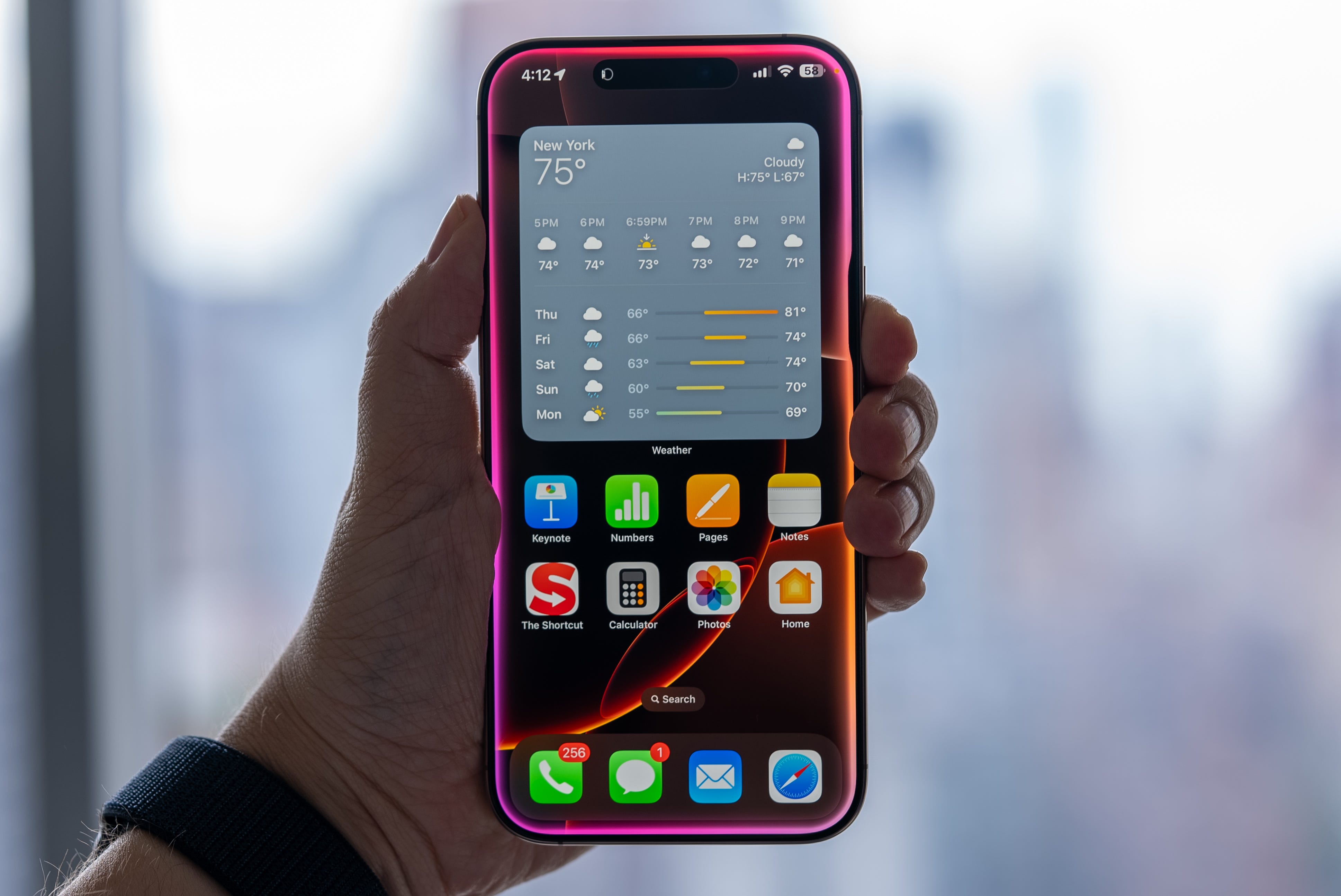
🤖 Smarter Siri. Calling upon Siri, through a press of the side button or my voice, initiates a redesigned glowing light around the frame of the iPhone 16 series. It goes beyond this minor cosmetic change now that Siri can understand in-app actions and has on-screen awareness. I still have trouble getting Siri to understand On and Off for my Philips Hue lights unless I speak like a robot, but that may be the fault of my HomePod, which hasn’t been upgraded with Apple Intelligence.
🔮 Apple Intelligence won’t stop here. Apple’s AI push won’t stop with iOS 18. Reports suggest that WWDC 2025 will give us new AI features with the launch of iOS 26.