


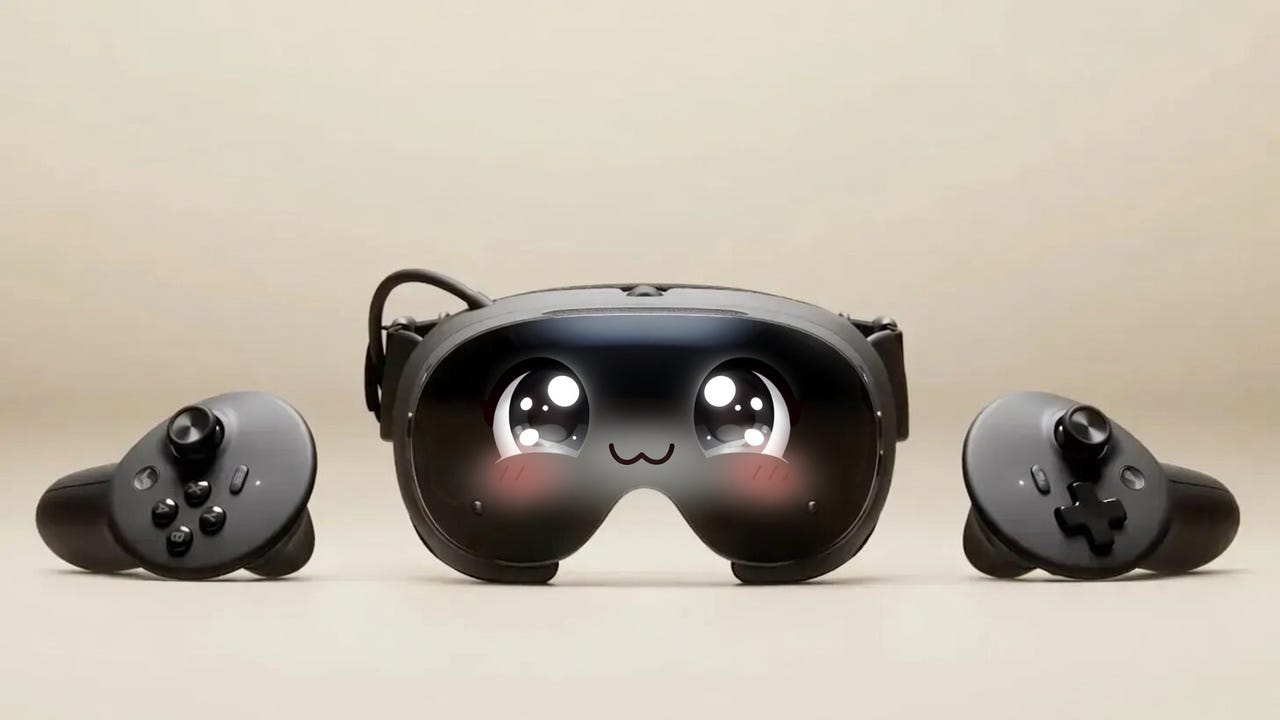

🥳 The Steam Frame promises to provide a high-quality private virtual screen experience for 2D gaming
👀 Technical specifications such as 2160 x 2160 resolution per eye and foveated streaming should work better than existing VR headsets and glasses
🤔 However, the choice to use LCD panels rather than OLED raises potential questions regarding black levels and contrast
💰 The Steam Frame price and release date is still unknown, but it’s expected to release sometime this month
One of the most appealing aspects of VR headsets, for me at least, was always the promise of playing traditional, flatscreen games on a massive, private virtual display. But after many disappointments, I feel like the Steam Frame could finally be the answer I’ve been waiting for.
Even though the Steam Frame’s primary focus is streaming high-fidelity VR games from a PC, the vast majority of games I play were never designed for virtual reality. It’s why whenever I’ve had a VR headset to hand – be it the PSVR 2 or Meta Quest 3 – I always get giddy about playing my favorites on a giant floating screen.
Sadly, neither headset offered a high enough resolution or a comfortable enough viewing experience to make playing 2D games in VR worthwhile. The PSVR 2’s 1080p resolution was too blurry in Cinematic Mode, with a sweet spot so narrow it was almost impossible to keep the image clear.
Meanwhile, the Meta Quest 3 – though superior in many respects – had to rely on Xbox Cloud Gaming (which has only just offered 1440p resolution), or needed to be tethered to a PC.

Other solutions, like the excellent Xreal 1S and Xreal One Pro, have come closest to delivering on the private cinema promise I crave. But there are limitations to what hardware I can enjoy. While the glasses are fantastic to plug into the Steam Deck or your phone, using them on PC is far more cumbersome, and I’d be stuck in my office chair as the glasses aren’t wireless.
If I get the urge to play VR games standalone or connected to a PC, the Steam Frame should be able to handle both scenarios with aplomb.
The Steam Frame, with its 2160 x 2160 resolution per eye, foveated streaming technology, and lighter design than other VR headsets, feels like it should be a match made in heaven. Even the Steam Frame controllers have been designed so that playing 2D games feels natural, and I can use the new Steam Controller as well.
Also, if I get the urge to play VR games standalone or connected to a PC, the Steam Frame should be able to handle both scenarios with aplomb.
But again, it’s playing non-VR games on the Steam Frame that has me most excited. My only reservation is that the Steam Frame uses LCD panels, not OLED, which could affect black levels and overall contrast. However, I was pleasantly surprised by the quality of the LCD displays in the Meta Quest 3, so I’m hoping for a similar outcome with Valve’s headset.
Will the price be right?
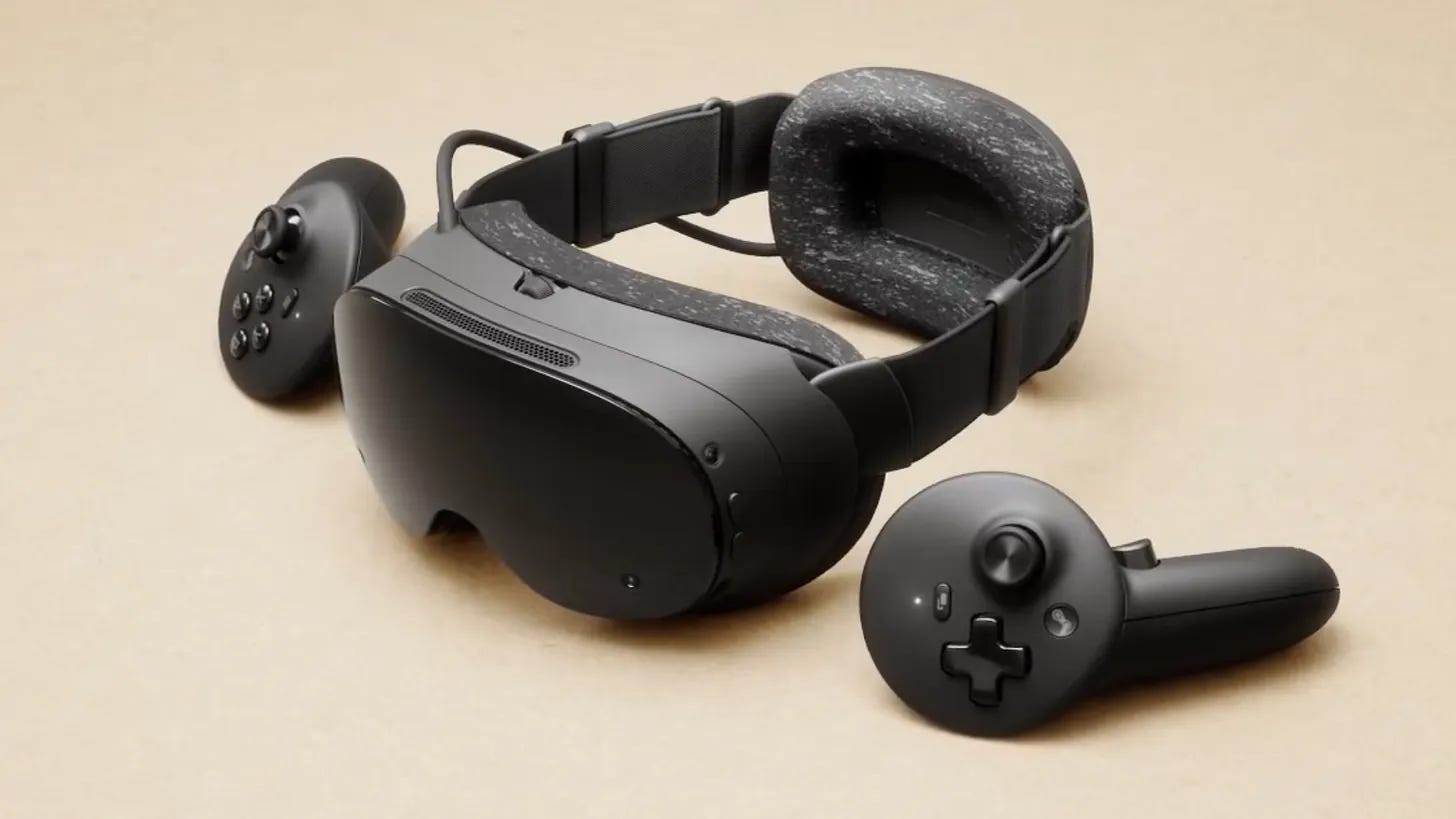
Of course, the price of the Steam Frame will greatly sway my decision whether I’ll pick up Valve’s latest piece of hardware. The Steam Machine’s final price has made justifying Valve’s little black box a much harder task than it needed to be, and all signs point to the Steam Frame being considerably more expensive than many had expected.
Thankfully, we should find out about the Steam Frame pre-order, release date and price soon, with many tipping Valve’s headset to release sometime this month. I’ll certainly be keeping an eye out to see whether my dreams will finally be fulfilled.
Up next: Steam Frame gets its first compatible game – and it’s a classic from Valve
Adam Vjestica is The Shortcut’s Senior Editor. Formerly TechRadar’s Gaming Hardware Editor, Adam has also worked at Nintendo of Europe as a Content Marketing Editor, where he helped launch the Nintendo Switch. He also runs a retro gaming YouTube channel called Game on, boy! Follow him on X @ItsMrProducts.