



📝 Qualcomm & Specs Inc. (a Snap subsidiary) signed a multi-year strategic agreement
⚙️ It’ll put Snapdragon XR chips inside future Specs AR smart glasses
🚀 Consumer launch is targeted for later in 2026, perSnap’s prior statements
⚾ The LA Dodgers inked a deal with Snap to bring AR Lenses to Dodger Stadium
🔮 It’s a preview of where AR glasses software is headed
💯 Qualcomm’s Snapdragon also powers the Meta Ray-Ban Glasses Gen 2, so the chip pedigree is already proven in glasses people actually wear in public
Snap has been quietly building toward a consumer AR glasses moment, and today we got the clearest signal yet that it’s real: Qualcomm and Specs Inc. – Snap’s dedicated AR hardware subsidiary – announced a multi-year strategic agreement to bring Snapdragon XR chips to future generations of Specs eyewear. The consumer launch? Still on track for later this year, per Snap's last update when we visited their NYC offices.


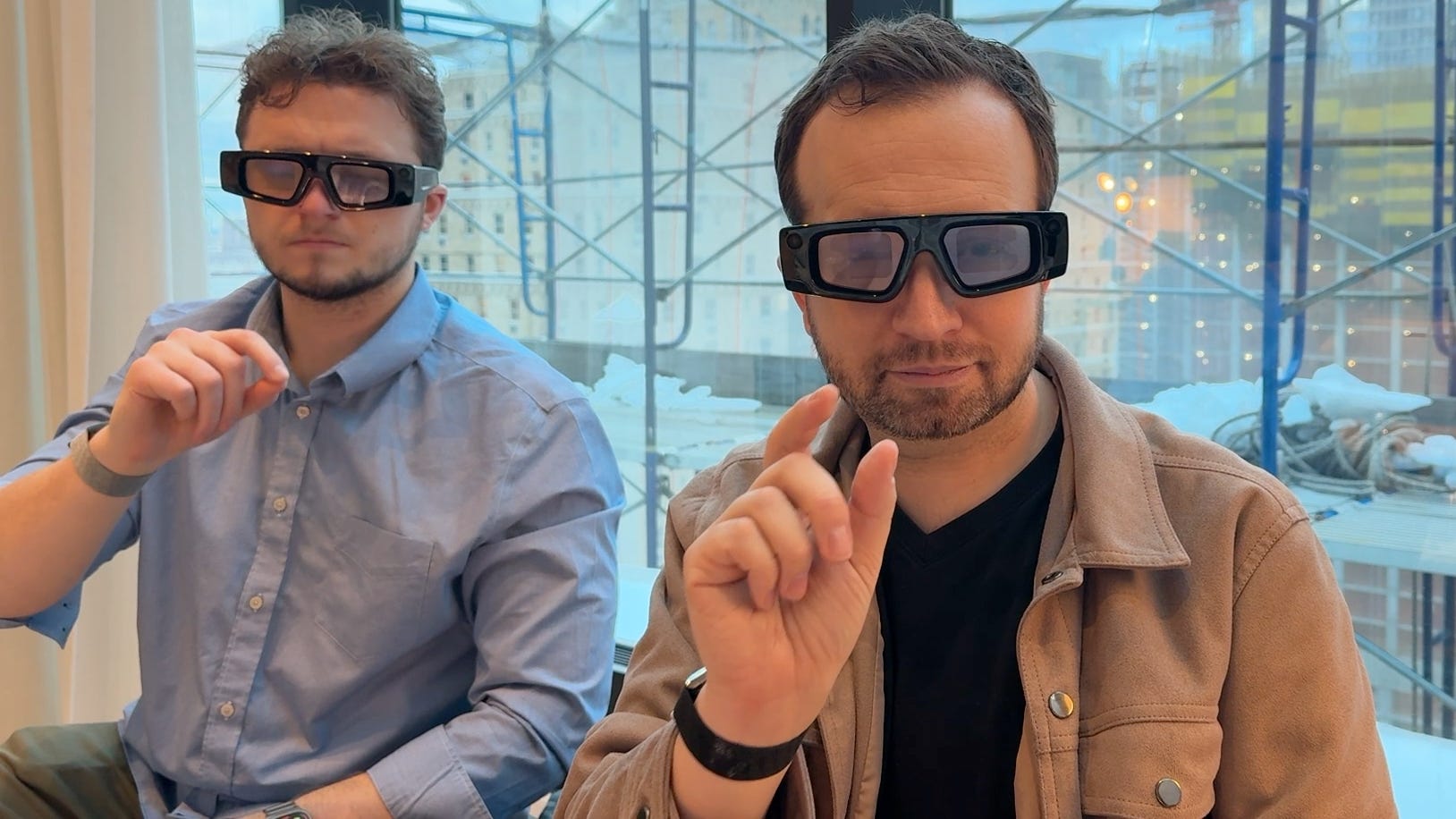
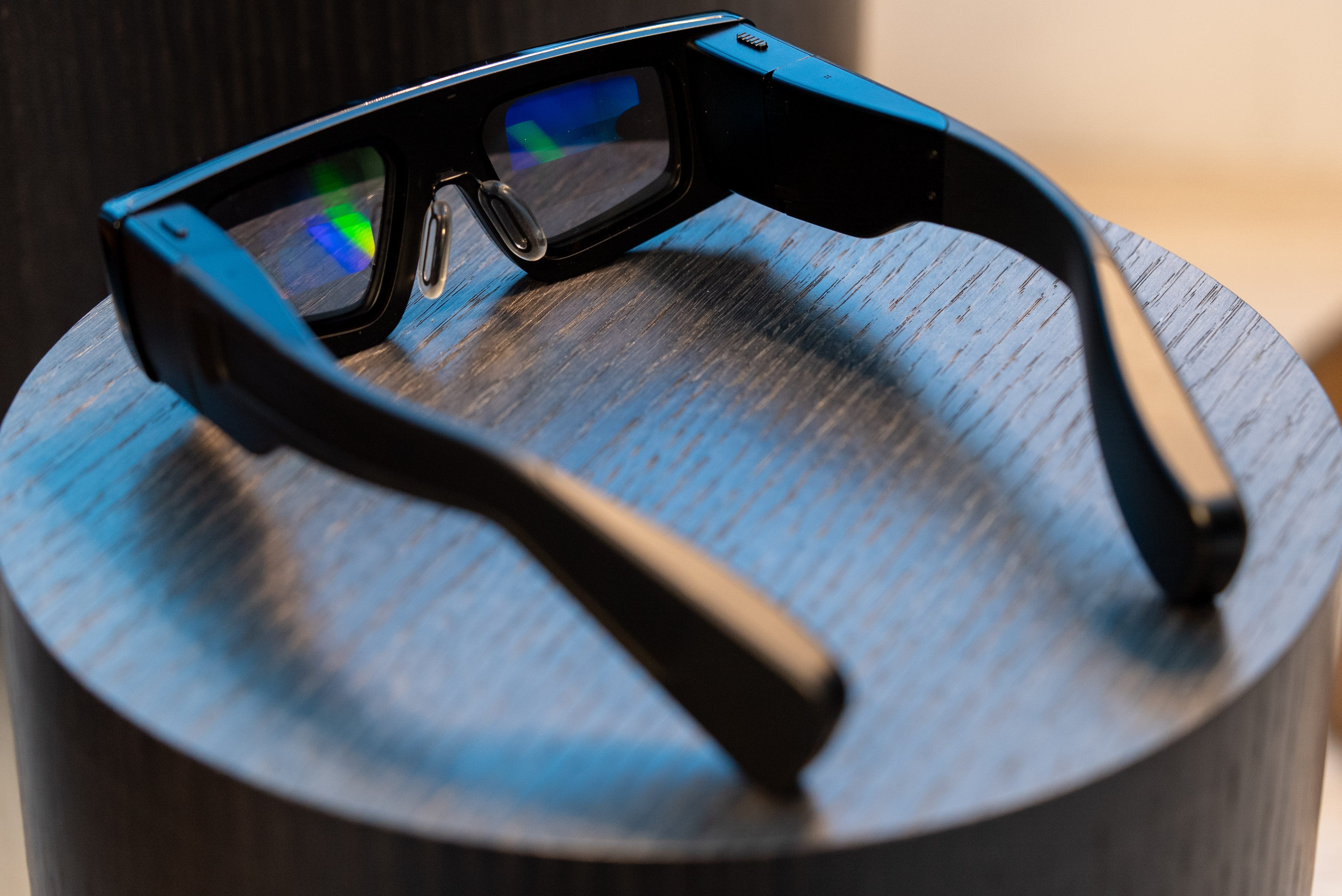
The Shortcut team got hands-on time with Specs’ reference hardware recently, and yes – the developer-focused units are undeniably chunky; less so than what you’ll see in my Apple Vision Pro review, but think less “glasses you’d wear on a first date” and more “glasses that make people ask ‘Wow, that’s your prescription?’”
That bulk is intentional at the dev stage, though. The promise of a Qualcomm-powered consumer version is that Snapdragon’s edge AI muscle can be packaged with a lot less heft – think something closer to sunglasses you’d actually wear to, say, a baseball game.
Speaking of baseball, more on that in a moment.
Recent & Related: 6G will be like ‘FaceTime on steroids’ says Qualcomm’s CMO – someone can literally look through your eyes
Why Qualcomm matters here

Qualcomm isn’t just any chip partner – it’s the chip partner for proven XR and smart glasses. The same Snapdragon architecture already runs inside the Meta Ray-Ban Glasses Gen 2, which happens to be the current gold standard for glasses you’d put on your face without feeling self-conscious. That’s not a coincidence. Snapdragon platforms are built for the specific demands of always-on, always-aware wearables: high performance at low power, on-device AI processing, and context-aware computing that doesn’t need to phone home to a server every time you glance at something.
Snap CEO Evan Spiegel called Qualcomm “a strong foundation for the future of Specs,” and Qualcomm CEO Cristiano Amon framed the goal as AR devices that “feel natural, intuitive, and integrate seamlessly into daily life.” That’s exec-speak, but it’s exec-speak that actually maps to what good consumer glasses need to be: invisible tech, not a tech flex.
The two companies have been working together for over a decade across previous Spectacles generations (flashback: I reviewed the first “Snapchat Spectacles” on TechRadar, and they always felt ahead of their time). So this isn’t a rushed partnership – it’s a formalized commitment with long-term roadmap alignment, meaning Snapdragon generations and Specs hardware cycles will be planned in lockstep. That kind of coordinated roadmap is what separates “we made a cool prototype” from “we’re building a platform.”
The Dodgers collab is a Trojan horse
On the same day, Snap announced a season-long partnership with the Los Angeles Dodgers to bring Snapchat Cam and interactive AR Lenses to Dodger Stadium at every home game. On the surface, it’s a fun activation – AR photo booths, in-stadium branding, Lenses you can pull up on your phone when you’re hunting for your seats or trying to remember which end of the stadium has the better garlic fries.
But read it as a preview of what Specs software could look like, and it gets interesting fast.
The phone is the middleman here. The endgame is skipping it entirely – AR Lenses rendered directly over your field of view through Specs, anchored to real-world locations inside a stadium. “Where are my seats again?” becomes a floating arrow in your vision rather than a hunt through the Ticketmaster app. Live pitch speed, player stats, the replay you just missed – all potentially overlaid in front of you without pulling out a phone. That’s not science fiction; it’s the logical next step once the glasses are good enough and the software ecosystem is built out. Snap is clearly building both in parallel.
Snap CMO Grace Kao noted that over 215 million Snapchatters engage with sports content on the platform every month on average – that’s a massive built-in audience that already uses Snap’s AR tools and already cares about live sports. Dodger Stadium is a proving ground, not just a partnership press release.
Ready to play ball

Qualcomm’s involvement is the credibility stamp Specs needed. A scrappy AR startup can promise sleek consumer glasses all day, and Apple’s rumored smart glasses are in the offing – but when the semiconductor company that already makes the chip inside the best-selling AI glasses in the world formally commits to a multi-year roadmap with you, the “this might actually ship” probability goes up considerably.
The reference hardware we tried was promising under the hood, even when the frame around it wasn’t ready for prime time. With Snapdragon inside, a consumer version that doesn’t look like your grandfather’s bifocals isn’t just plausible – it’s the plan. The Shortcut team is already lobbying for a seat at Dodger Stadium, preferably one where the AR arrows actually point to the good garlic fries. 🍟
Snap + Qualcomm teaming up feels like the first real step toward AR glasses going mainstream