


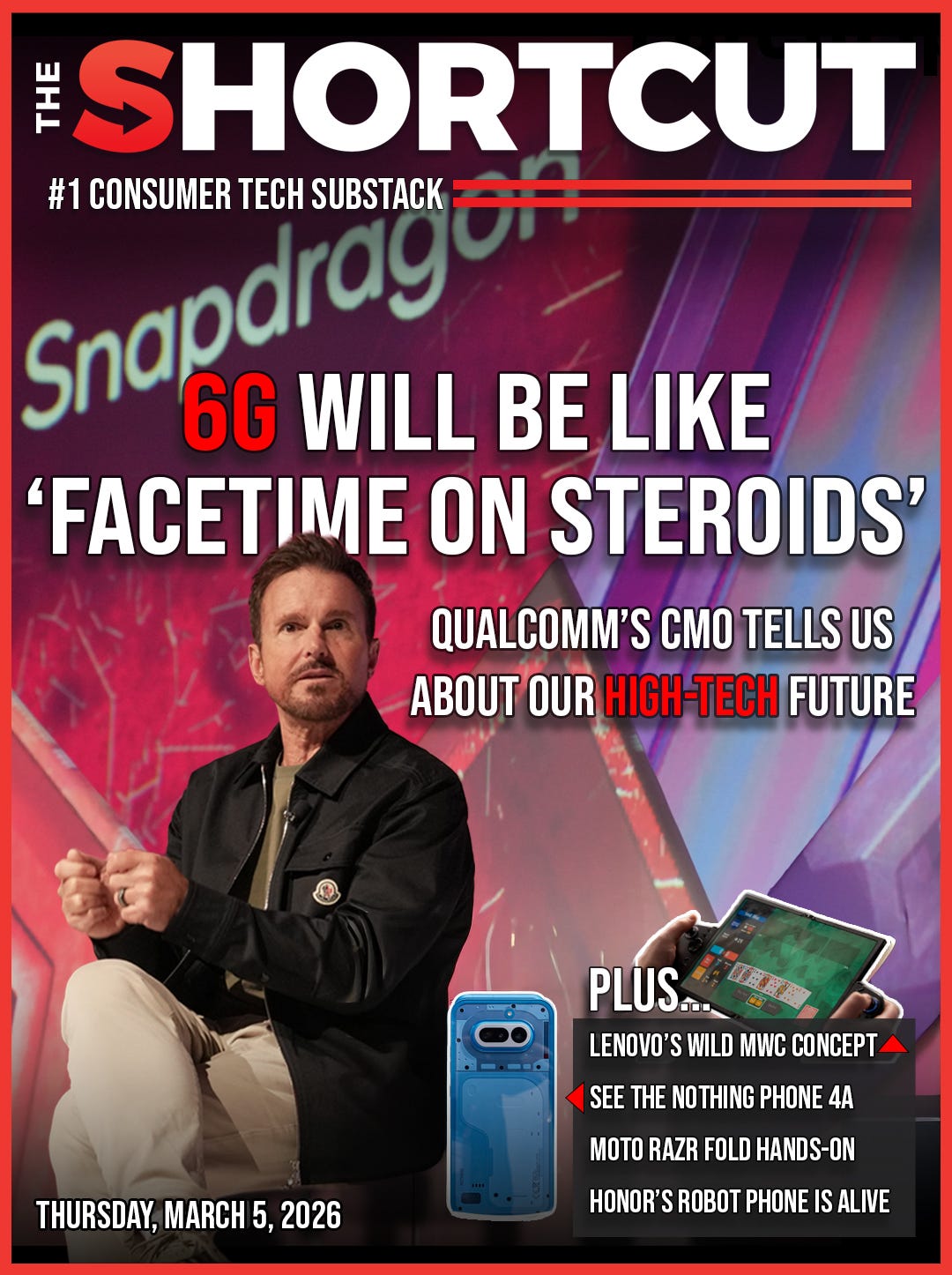

I just wrote about the Snapdragon Wear Elite, the biggest upgrade in smartwatches in the last three years. So when I got the chance to sit down with Qualcomm’s Chief Marketing Officer Don McGuire as part of our MWC 2026 coverage, I had to ask: what took so long, and what comes next?
His answer surprised me. And it went way beyond watches.
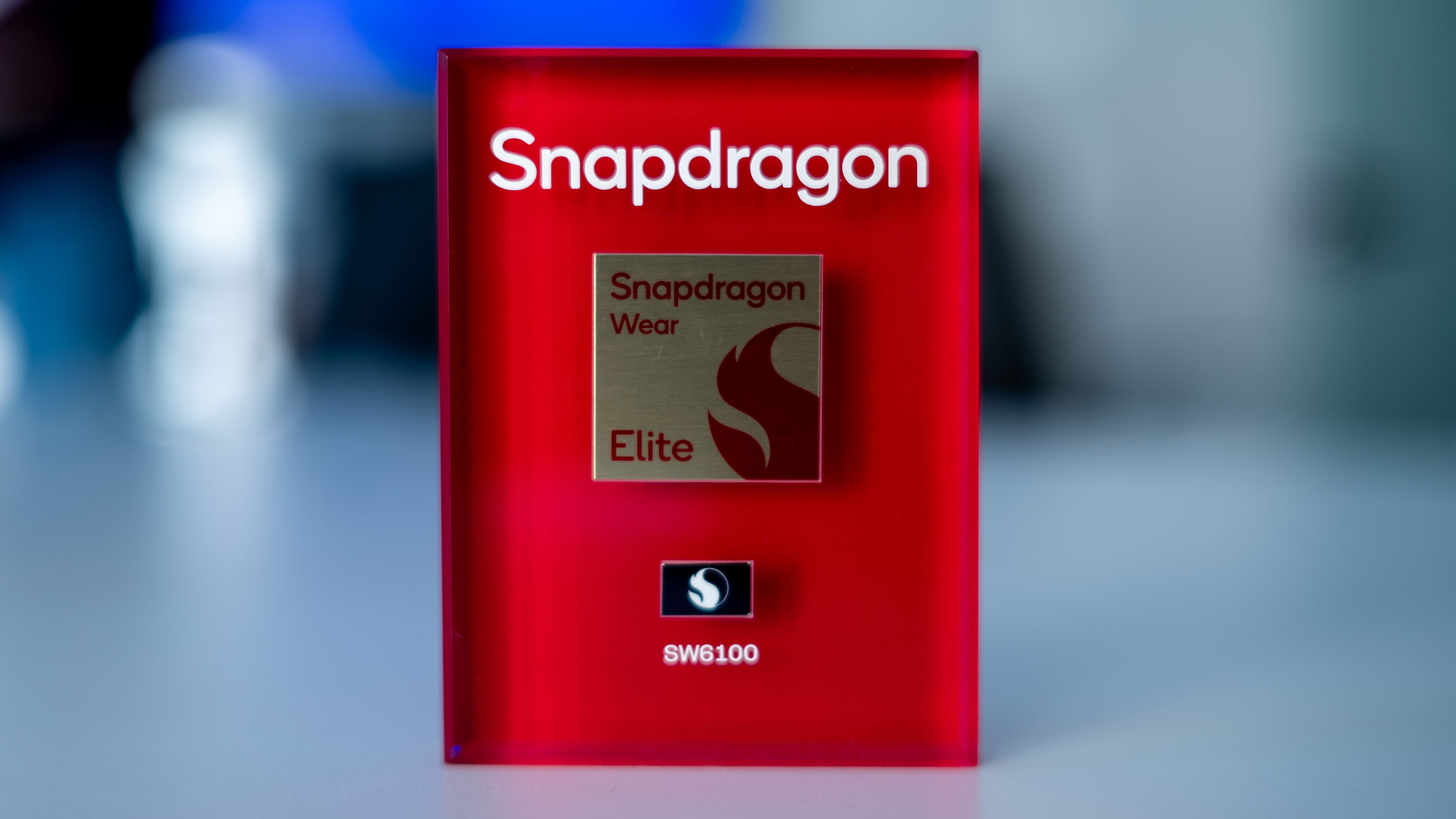
Snapdragon Wear Elite is a ‘Trojan horse’ for personal AI
When I brought up the Snapdragon Wear Elite, McGuire didn’t just talk about smartwatches. He called the platform “a Trojan horse” – and he meant it as a compliment.
“It’s really the platform that all of our current new wearable AI or personal AI customers are using to introduce and develop and build some pretty cool new form factors,” McGuire told me.
We’re talking about way more than your next Galaxy Watch here. McGuire says over 20 companies have approached Qualcomm wanting to build pendants, pins, smart rings, and entirely new device categories that don’t really have names yet. The Wear Elite chip, which can run AI models with up to 2 billion parameters locally on your wrist, is what’s powering all of it behind the scenes.
So why now? McGuire pointed to an inflection point: the glasses market is moving from niche to mainstream, the smart ring category is heating up, and Qualcomm’s own roadmap finally caught up – they can pack more computational power into these tiny chips without killing battery life. Those two trends colliding made 2026 the right moment.
And yes, Motorola’s “Project Maxwell” pendant wearable that The Shortcut got a look at during CES 2026? McGuire confirmed Motorola has worked with Qualcomm on that platform. The real question is whether they take it from proof of concept to full commercialization – but McGuire expects that to happen this year.
‘AI is the new UI’ – and your glasses are going to prove it
There’s a phrase floating around Qualcomm right now that I keep hearing: “AI is the new UI.” McGuire unpacked what that actually means for your daily life, and honestly, it paints a picture that’s equal parts exciting and Black Mirror.
AI in the 6G era becomes less about typing prompts and more about an assistant that’s suggestive and anticipatory.
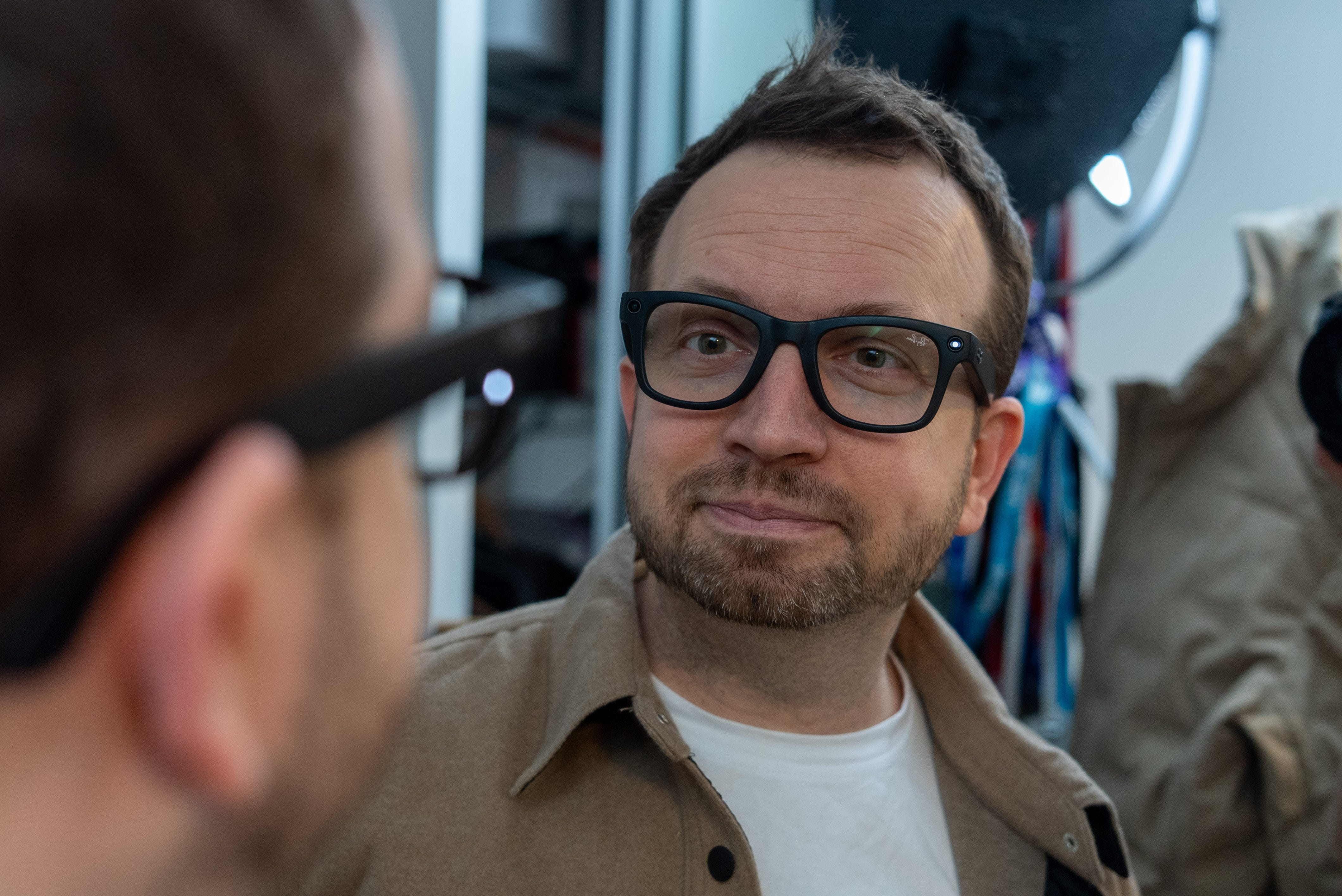
Imagine this: you’re walking down the street wearing smart glasses, earbuds in, phone in your pocket. Your AI agent – not Siri, not Google Assistant, but something far more aware – spots your friend Jim walking toward you. It says, “Hey, that’s Jim up ahead. Didn’t you want to have lunch with him? Want me to send him a text?”
That’s the vision. Your devices form what McGuire calls an “ecosystem of you” – your glasses see what you see, your earbuds hear what you hear, and your AI companion stitches it all together. AI in the 6G era becomes less about typing prompts and more about an assistant that’s suggestive and anticipatory.
“It’s as if your best friend was walking next to you and you’re having a chat,” McGuire said.
Forgot what you need at the grocery store? Switch to broadcast mode, so your wife can see through your glasses and tell you which brand of milk to grab. It’s like FaceTime on steroids – someone else literally looking through your eyes.
Some people will find that creepy. McGuire knows it. But he argues it’ll only be as useful – or as intrusive – as you allow it to be. And the younger generation? They’re already there. He pointed out that Gen Z and Gen Alpha are already using AI chatbots for therapy, preferring to talk to an AI over their parents because it won’t judge them.
The practical use cases get even more compelling. Forgot what you need at the grocery store? Switch to broadcast mode, so your wife can see through your glasses and tell you which brand of milk to grab. It’s like FaceTime on steroids – someone else literally looking through your eyes.
Smart glasses are the next mass-market compute device (sorry, smartwatches)
I asked McGuire point-blank: what’s the device with the most mass appeal?
His answer was immediate – and it wasn’t the smartwatch.
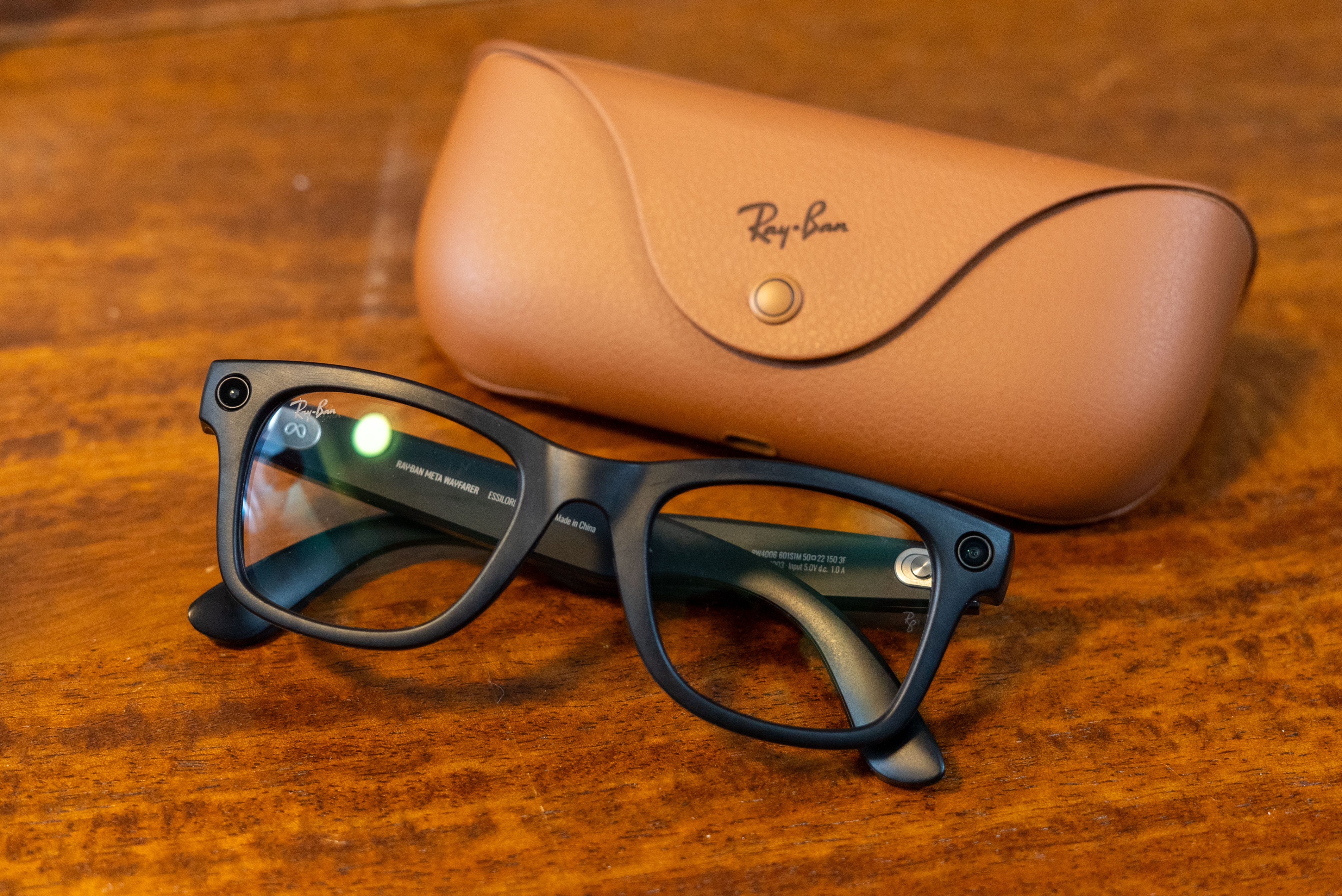
“The watch has been okay,” he said. “But there hasn’t been a lot of wonderment about the watch. Whereas there’s been a lot of wonderment here,” – he gestured to his Ray-Ban Meta glasses.
At $300–$400, with prescription lenses and Transitions options, smart glasses have crossed a comfort threshold that matters. They just feel like glasses. McGuire told me about a Finnish company using Qualcomm technology to develop glasses that can actually correct your vision through AI – no more reading glasses needed. That’s not just solving a digital problem. That’s solving a physical one.
Glasses can actually correct your vision through AI – no more reading glasses needed. That’s not just solving a digital problem. That’s solving a physical one.
And the market’s about to explode. It’s no longer just Meta’s game to win or lose. Google and Samsung teased actual glasses (not goggles) at their recent XR event, expected later this year. The Chinese ecosystem is going all-in too – Johnny Ive has glasses in development, and multiple Chinese manufacturers are building their own. McGuire was clear: the next 12 to 24 months will be a tipping point.
But here’s the thing – your phone isn’t going anywhere. McGuire pushed back on the “phone is dead” narrative. “The smartphone is going to become a hub,” he said, because the computational power and battery life needed to run everything still requires a device in your pocket. Your glasses, watch, ring, and earbuds will offload workloads to it and back. That’s what Qualcomm’s “Snapdragon Seamless” interoperability vision is all about. And if all your devices run Snapdragon? “It all just works really, really well.”
Subscribe to The Shortcut for more from Don McGuire
✅ 6G timeline – when will it become a reality?
✅ When will satellite messaging finally work?
✅ How Snapdragon became a recognizable brand
✅ More MWC coverage on The Shortcut