


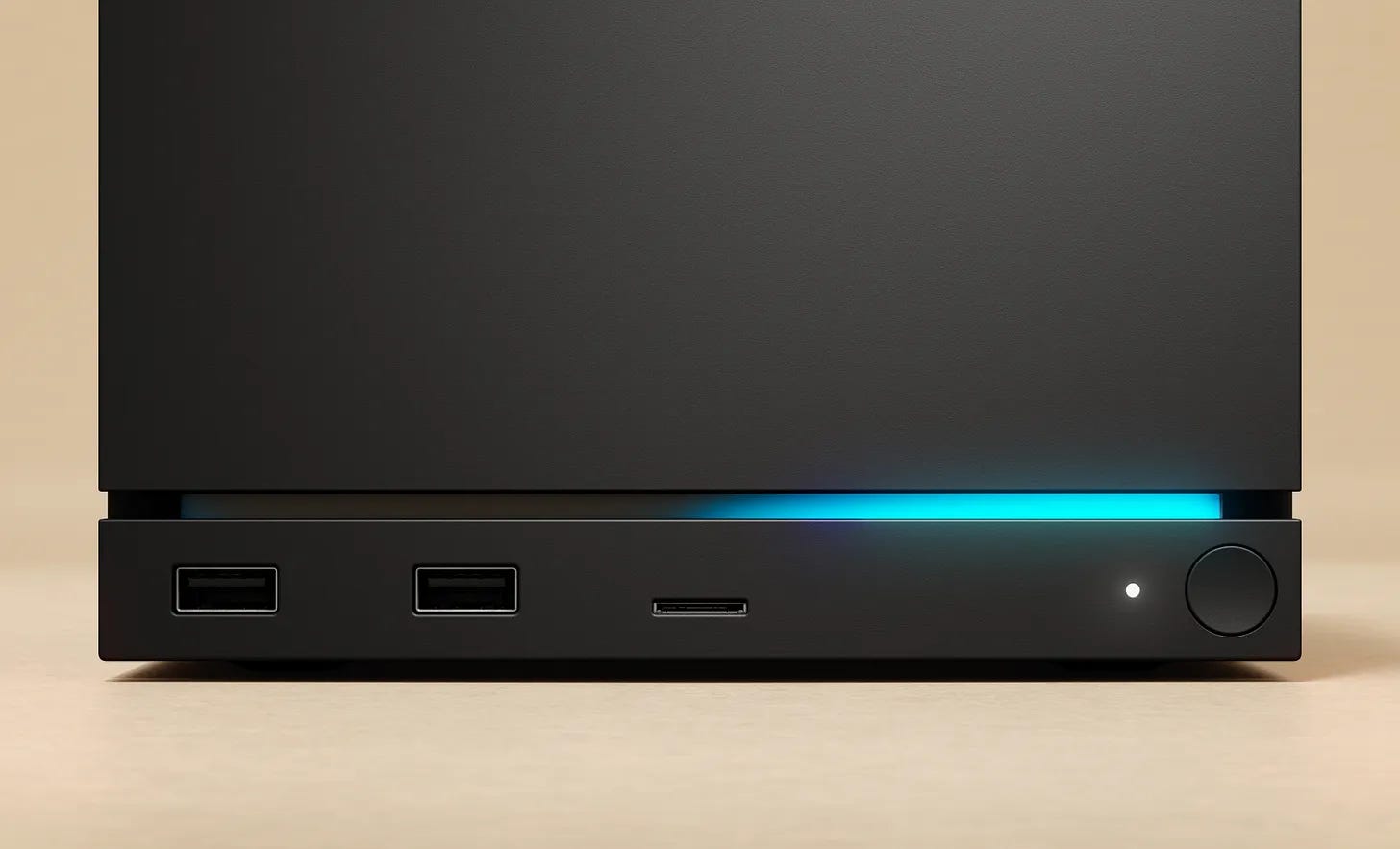

🆕 Valve has released a hefty update for SteamOS in preview
🙏 It’s the first to support the upcoming Steam Machine and brings a raft of changes elsewhere
😴 For instance, Steam Decks now have a proper hibernation mode, and you can now use Bluetooth headset mics
👍 Desktop change include support for HDR, VRR and per-display scaling
🙌 Third-party handhelds have also gotten power modes with a long press, screen fixes and more besides
Valve has released a brand new SteamOS update, and it’s a big one for handhelds and the upcoming Steam Machine.
The new SteamOS 3.8.0 update in preview is available now, and is the first to support the upcoming Steam Machine. It also brings a bevvy of long-awaited features to handhelds, such as the Asus ROG Xbox Ally X and other ROG Ally models, the Lenovo Legion Go 2, and handhelds from MSI, GPD, Anbernic, OrangePi and Zotac.
With this update, Valve is bringing a proper hibernation and “memory power down mode” to the Steam Deck, although just to the LCD model at the moment. This should help extend the device’s battery life when you press the power button or leave the device idle.
Valve has also added a new setting in the gaming mode that allows you to use Bluetooth headset microphones, while the Steam Deck LCD is getting Bluetooth Wake re-enabled. With it, it means you can turn on your Deck when connected to your TV with a wireless controller – the same as you can with normal home consoles from Microsoft and Sony.
On the desktop Linux side, there’s now desktop HDR and support for variable refresh rate displays, alongside per-display scaling and “improved windowing behavior for games running in Proton”, according to Valve’s patch notes. The desktop environment has been updated to KDE Plasma 6.4.3, too – this all sounds very useful for the Steam Machine.
For a Steam Machine or a SteamOS-powered handheld plugged into a home entertainment system, the devices can now detect how many audio channels you have plugged in via HDMI to enable surround sound, allowing for a more cinematic gaming experience.
Alongside all of this, Valve is also using a new version of Arch Linux (which SteamOS runs atop) and a new graphics driver, presumably to aid with stability and performance.
With regards to third-party handhelds, Vale has introduced a slew of new features to bring them up to speed. Long-pressing the power button will work across a “wide variety of devices” for powering off or restarting your handheld, and switching to desktop mode.
You should also be able to change the power modes on the Xbox Ally handhelds, plus night mode and screen color settings should work on the AMD Ryzen Z2 Extreme handhelds more generally.
In addition, Valve says that if you’re using SteamOS with a discrete GPU, it should be able to manage the VRAM of your GPU in a much more optimal manner, while you can also now have a battery charge limit on the Lenovo Legion Go handhelds in desktop modes. For OneXPlayer and Zotac handhelds with OLED screens, this new update should also fix washed out colors.
This feels like a hefty update for SteamOS to get out of the blue, especially with the recent news of the Steam Machine’s release window just changing to “2026” after it had previously been set for the first half of this year.
Up next: Counter-Strike 2 just got one of its most controversial updates in years
Reece Bithrey is a journalist with bylines for Trusted Reviews, Digital Foundry, PC Gamer, TechRadar and more. He also has his own blog, UNTITLED, and graduated from the University of Leeds with a degree in International History and Politics in 2023.