


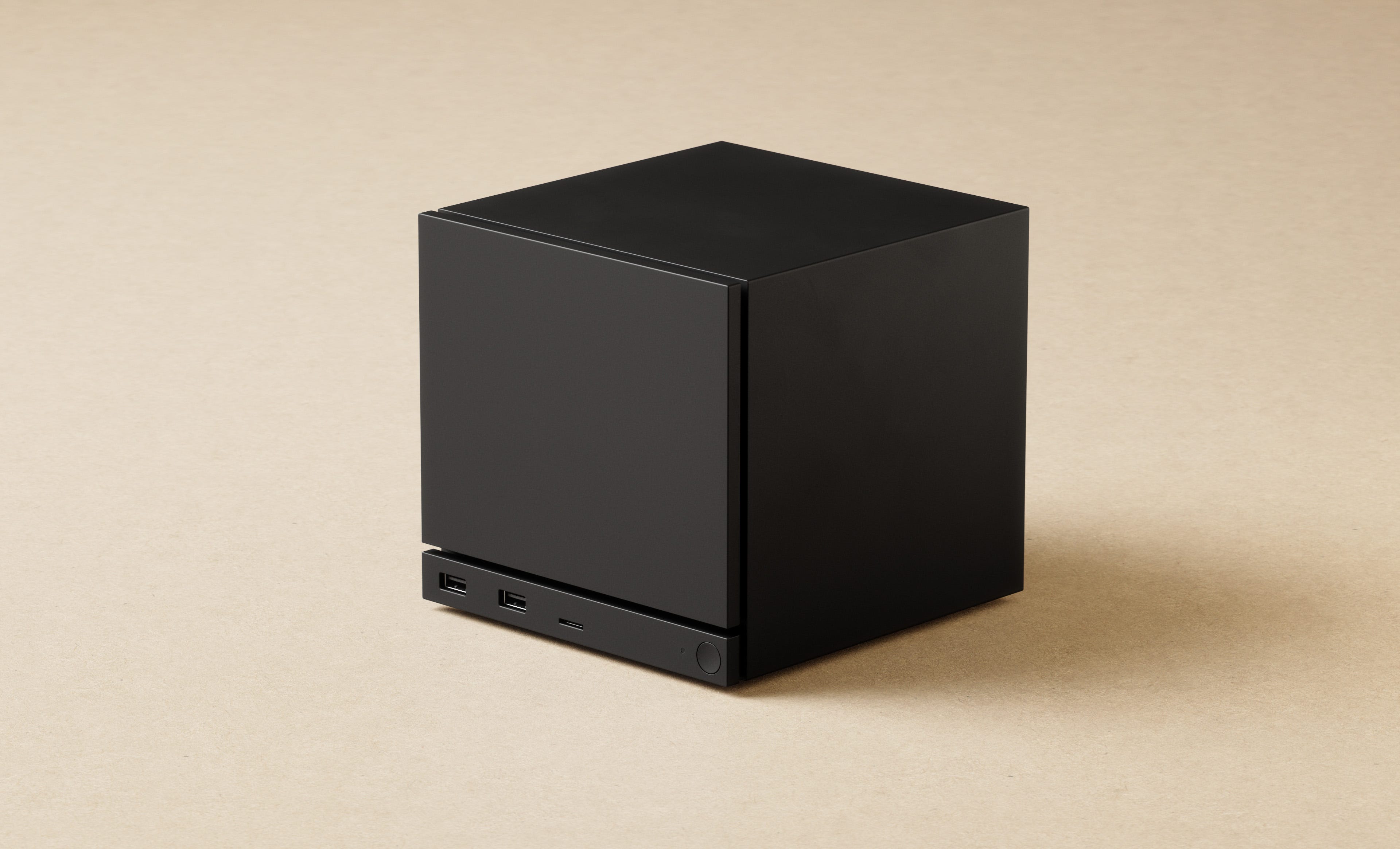

📣 Valve announced three new products: The Steam Machine, Steam Controller, and Steam Frame
📺 The Steam Machine is the desktop version of the Steam Deck for 4K 60fps gaming
🧠 The Steam Machine is powered by a custom AMD Zen 4 chip with 8GB of video memory
🎮 Steam Controller brings back haptic touchpads with a new pair of magnetic sticks, gyro motion controls, four programmable rear buttons, and grip detection sensors
🥽 Steam Frame is Valve’s new standalone VR headset with a built-in Snapdragon CPU and inside-out tracking
📅 Steam Machine, Steam Frame, and Steam Controller will all arrive in early 2026 with pricing to come later
It’s a big day for new Steam hardware, as Valve has revealed a new Steam Machine desktop PC, the Steam Frame VR headset, and a new Steam Controller.
First up, the Steam Machine is essentially Valve’s take on a console that promises to deliver 4K gaming at 60 frames per second. It’s powered by an AMD Zen CPU and RDNA3 GPU, 16GB DDR5, and of course, Steam OS. Valve hasn’t revealed exactly what chip is used in the Steam Machine, but it’s a semi-custom chip developed in collaboration with AMD that features six cores, 12 threads, and 8GB of video memory.
Valve claims the GPU will be six times more powerful than the Steam Deck and have the equivalent graphical power of Nvidia GeForce RTX 4060 or AMD Radeon RX 7600 mobile graphics card. Having tested these parts in a laptop, I wouldn’t expect to be able to max out every in-game quality setting and still get the 4K60fps experience Valve has promised. This chip is also likely to heavily rely on AMD’s FSR upscaling technology to maintain a smooth 4K gaming experience.
The Steam Machine is expected to be available in early 2026. It’ll be available in two models: 512GB and 2TB, with the option to bundle it with the new Steam Controller.
Steam Controller
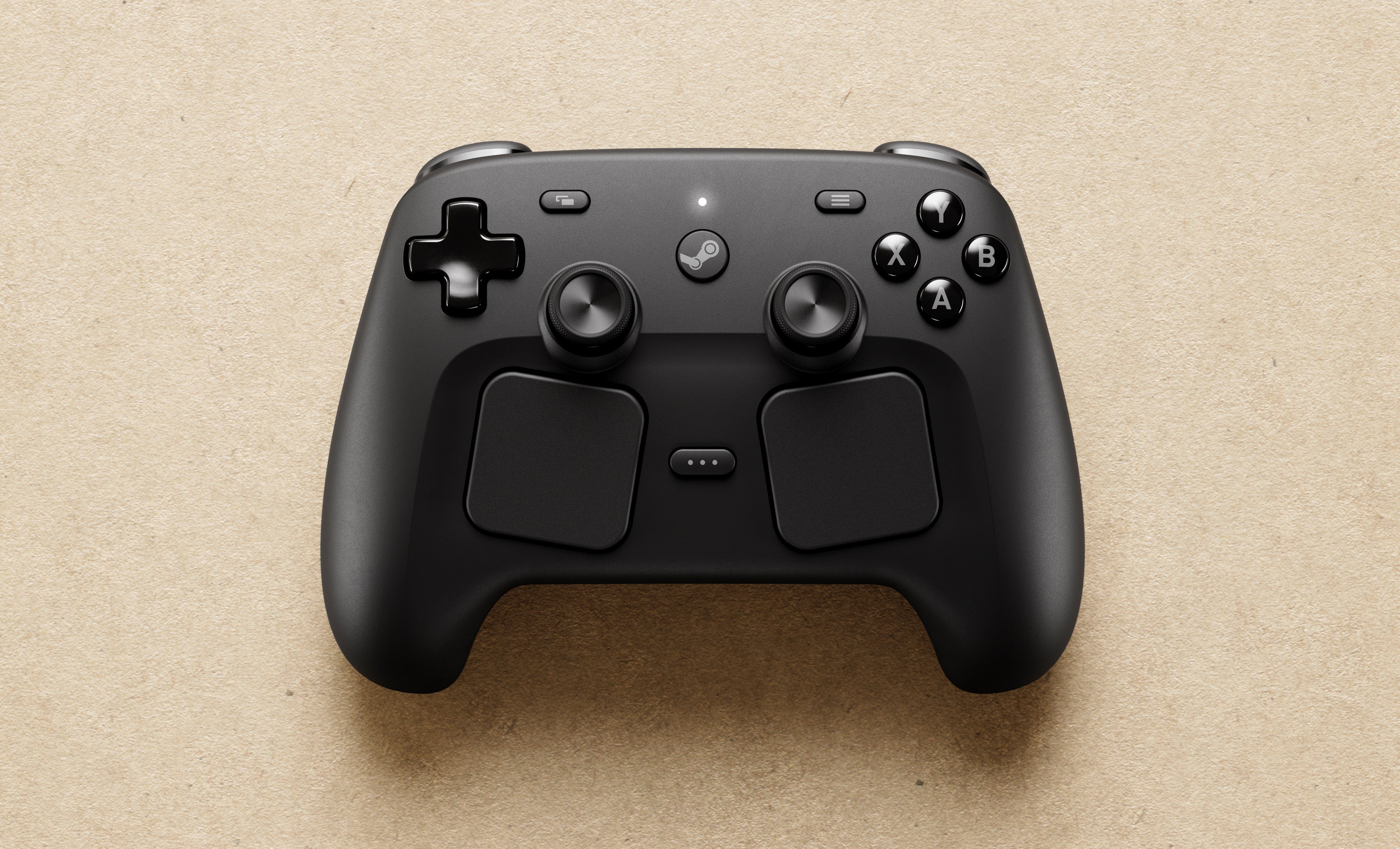
Steam has also announced a new controller that comes bundled with the Steam Machine or can be bought separately.
The new controller features a pair of haptic touchpads for mouse-like control, but they’ve been moved to the bottom of the controller, giving this peripheral a strikingly tall silhouette. Almost every aspect of the Steam controller has been upgraded, including drift-proof TMR magnetic joysticks, four programmable back paddle buttons, gyroscopic motion controls, and HD haptics.


Lastly, the controller features a new set of capacitive touch sensors that detect whether you’re gripping the controller, which is likely to be utilized with the new Steam Frame VR headset.
The Steam Controller pairs over a 2.4GHz wireless connection via a dongle, but the Steam Machine will come with one built in. The Steam Controller will also come with a magnetic charging pod, and battery life is rated for 35 hours.
Steam Frame
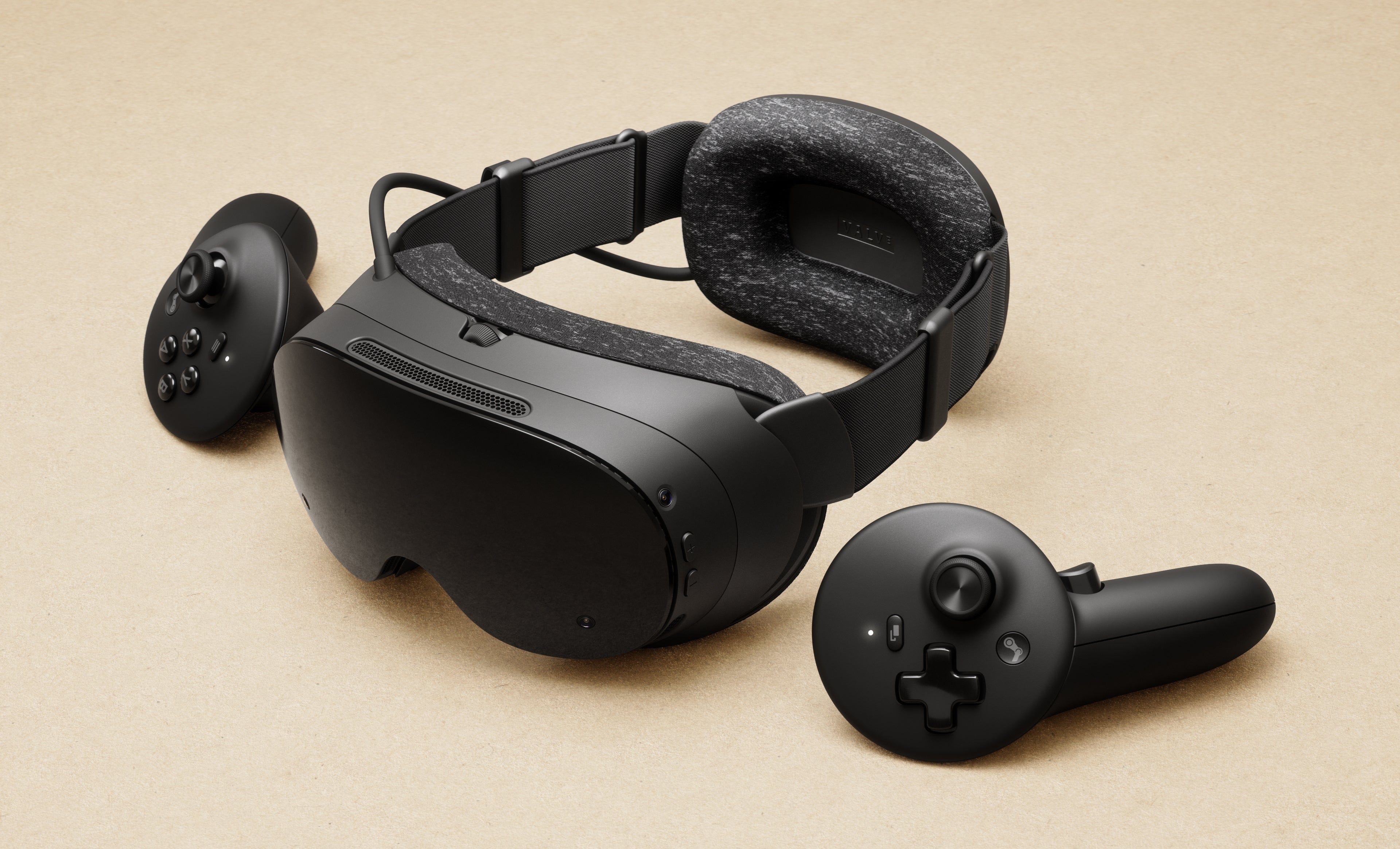
Valve also introduced a new standalone VR headset with inside-out tracking called the Steam Frame.
The Steam Frame is a new standalone VR headset with a 2160x2160 resolution per eye, powered by a 4nm Snapdragon ARM processor. The headset also promises a 100-degree field of view with a 72-120Hz frame rate, although Valve plans to introduce an experimental 144Hz mode as well.
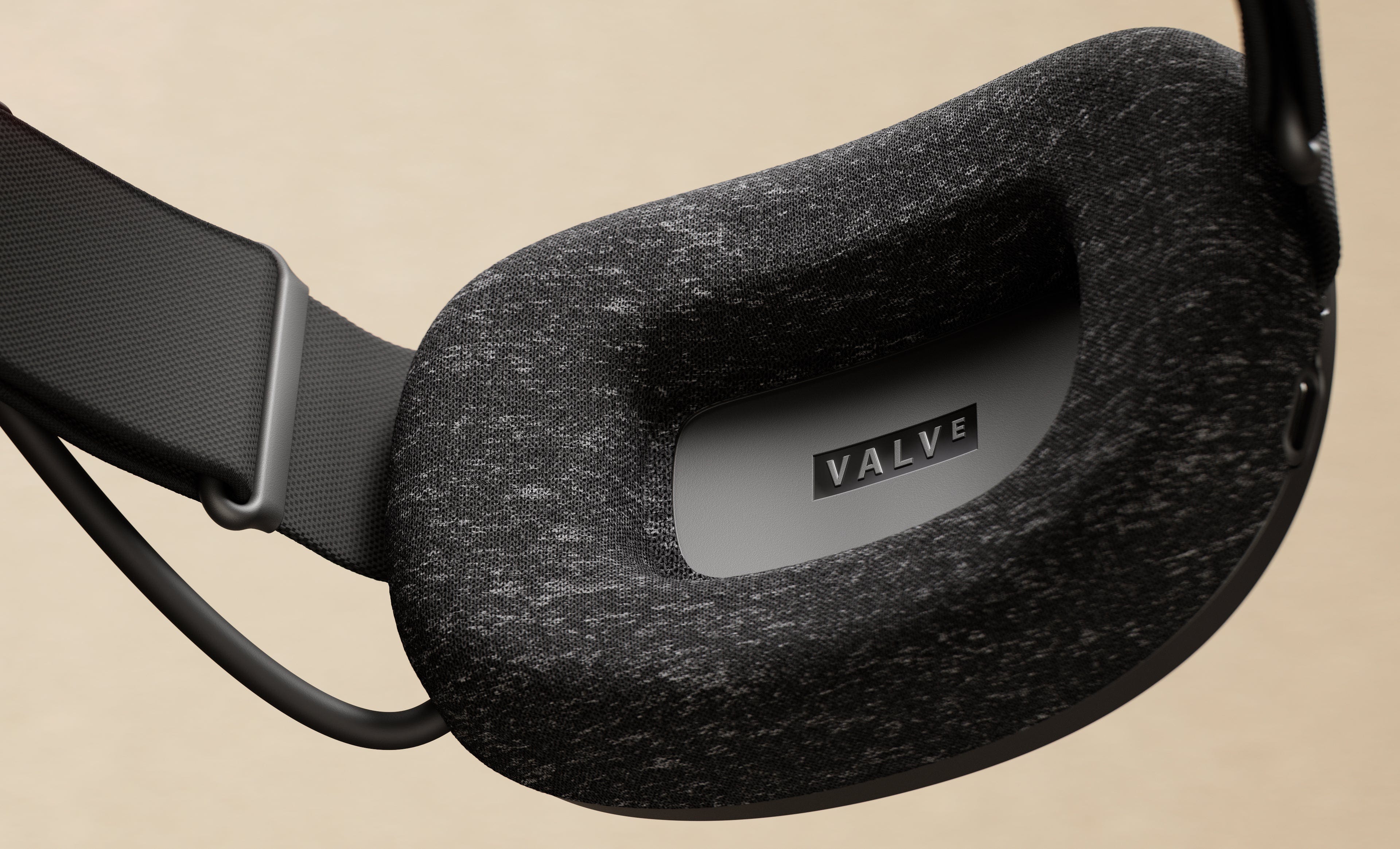
The headset also comes with 16GB LPDDR5 memory, 256GB or 1TB of storage, and a 40-hour battery, which is strapped to the back of the headset. You’ll be able to download and run games directly on this headset or wirelessly tether it to a Steam Machine or PC over Wi-Fi 6E.
The new Frame controllers have evolved, much like the new Steam Controller. The new VR grip controllers feature magnetic joysticks, HD haptics, and capacitive touch sensors that detect how you’re gripping the controller for hand gestures.
Kevin Lee is The Shortcut’s Creative Director. Follow him on Twitter @baggingspam.
Couldn't agree more, the ambition behind Valve's new lineup is incredible, making me curious about the true potenital of that Steam Frame for more than just gaming.
FSR... I think you're right. Sigh, I'm not happy about that... FSR, that is, not your opinion.