


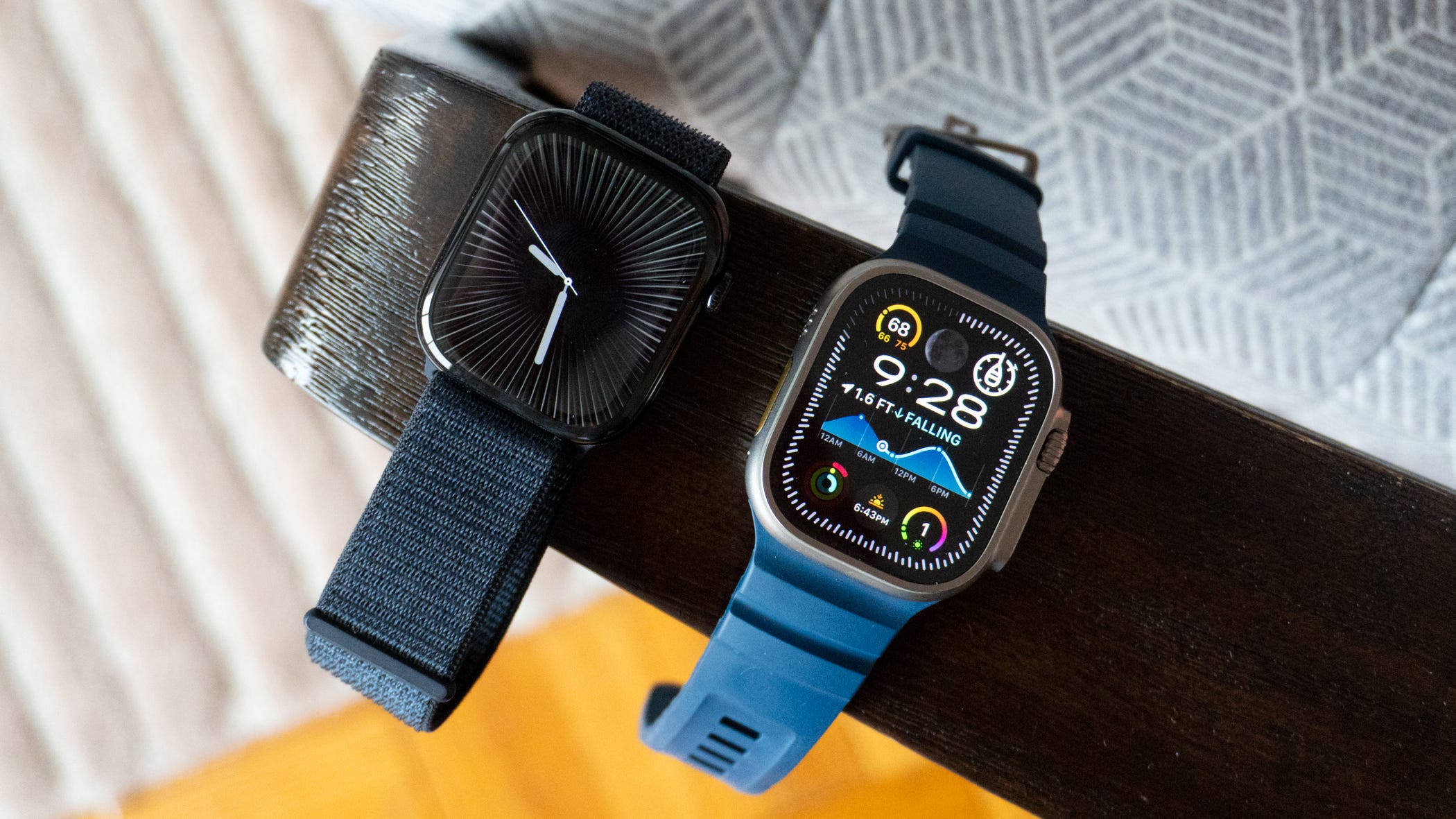

🩸 Apple is bringing back blood oxygen monitoring to the Apple Watch today in a new software update
🧑⚖️ The company has found a workaround to get it to legally work
📱 It’ll now process data on your iPhone instead of on your watch
📅 This comes over a year and a half after Apple disabled the feature due to patent disputes
⌚️ Apple Watches that were sold before the issue popped up aren’t affected by today’s update
Apple is finally re-enabling blood oxygen monitoring on the Apple Watch. The company has confirmed that a new software update will begin rolling out today to users in the United States that will bring the feature back to life, allowing you to track your blood oxygen levels throughout the day. However, it’ll be a little different this time around, all in the name of keeping things legal.
🩸 Here’s how blood oxygen works, and why it changed
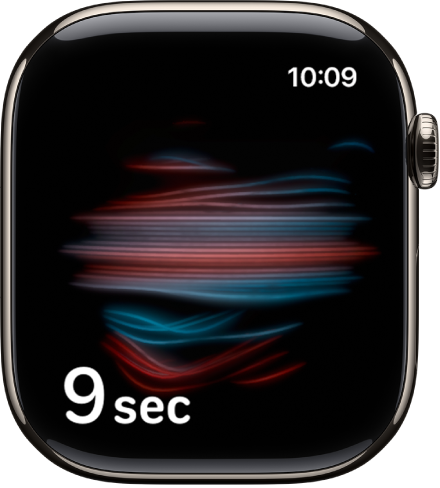
In a statement to the press, Apple confirmed that the sensors on your Apple Watch will collect blood oxygen data, which will be measured and calculated on your iPhone. This is a departure from how the feature works on older Apple Watches, where the data is measured and calculated on the watch itself, hence the software “redesign.”
It’s Apple’s only way of shipping the feature legally at this point. Since December 2023, Apple has been in a serious legal dispute with health technology company Masimo over patents for blood oxygen monitoring. It resulted in Apple disabling the feature altogether on new Apple Watches sold after January 18, 2024 and even halting sales of the watches for a period of time.
Now, over a year and a half later, a new ruling from U.S. Customs allows Apple to import Apple Watches with the new software design as it continues to argue with Masimo in court.
⌚️ Which Apple Watches are getting the update?
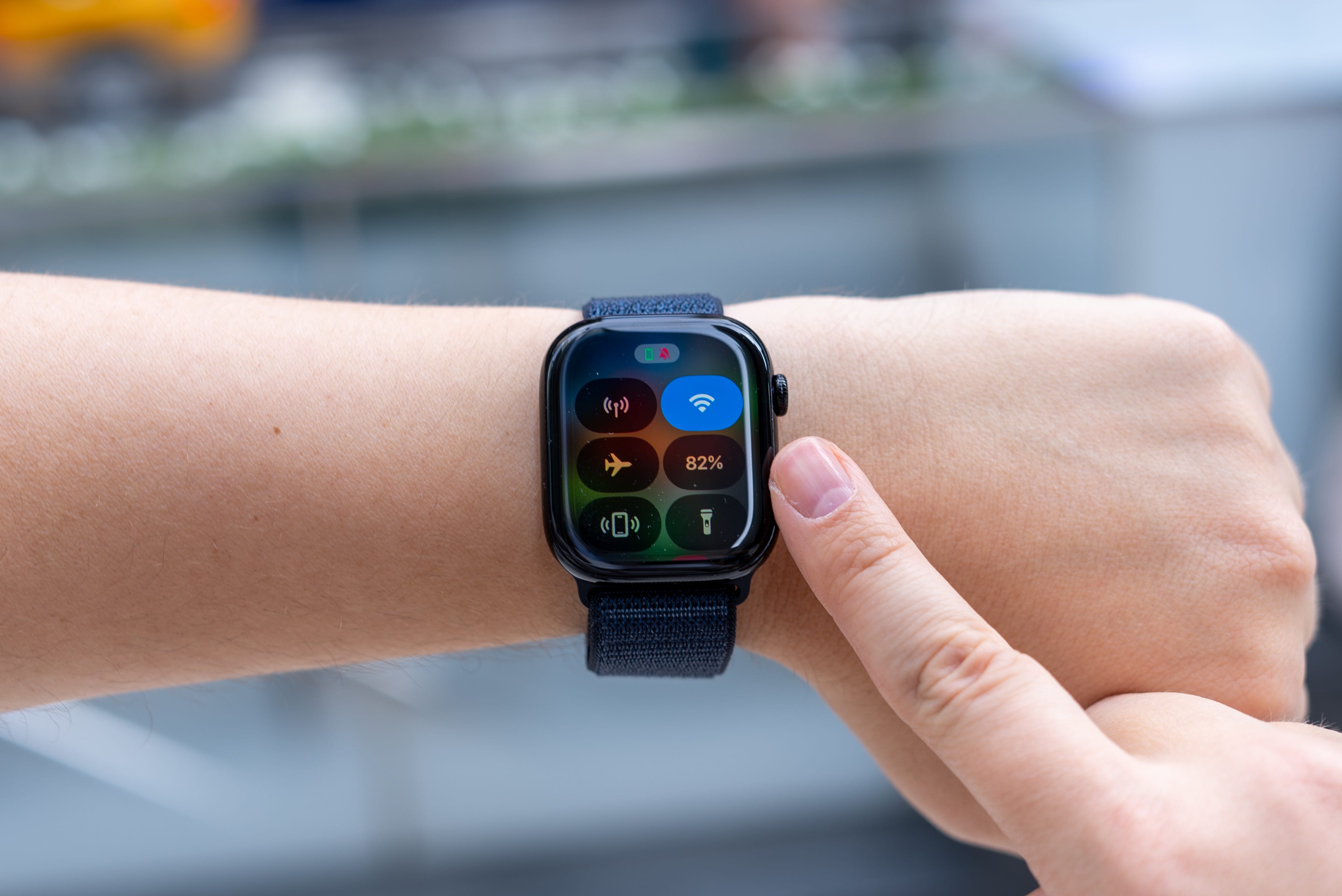
The Apple Watch Series 9, Series 10, and Ultra 2 will all get updated to watchOS 11.6.1 to re-enable blood oxygen monitoring. However, you’ll only see a difference if your particular Apple Watch’s model number ends in LW/A. All other units of the three watches will remain unaffected since they never lost blood oxygen monitoring in the first place. My personal Apple Watch Ultra 2 was sold in September 2023, so the update won’t affect it, but my Apple Watch Series 10 will benefit from the update.
Apple is also releasing iOS 18.6.1 for the iPhone to enable the feature.
Notably, neither of these updates will affect Apple Watch users in countries other than the United States.
The re-release of blood oxygen monitoring comes just weeks before we expect Apple to take the wraps off its next round of Apple Watches. Rumor has it the company will hold an event on September 9 to reveal the new Apple Watch Ultra 3, Apple Watch Series 11, and Apple Watch SE 3, in addition to the iPhone 17 lineup.
Max Buondonno is an editor at The Shortcut. He’s been reporting on the latest consumer technology since 2015, with his work featured on CNN Underscored, ZDNET, How-To Geek, XDA, TheStreet, and more. Follow him on X @LegendaryScoopand Instagram @LegendaryScoop.