


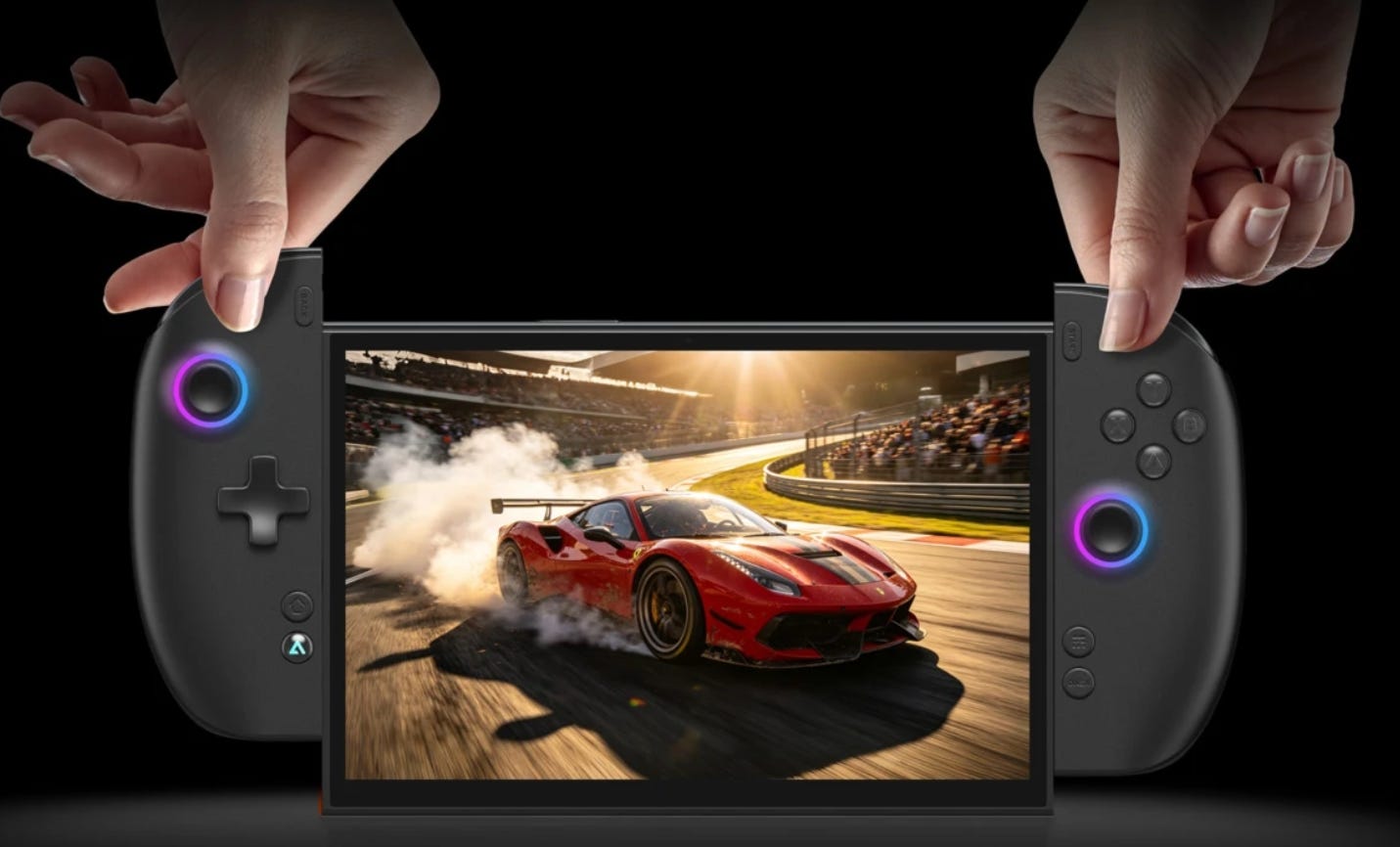

💪 OneXPlayer has announced a new Strix Halo-powered gaming handheld
👀 The X2 Mini Pro is one of the first to use AMD’s new Ryzen AI Max+ 388 SoC
💰 Prices start at $2,399 and can rise as high as $2,859 for a liquid-cooled version
😬 It’s more than double the cost of the Lenovo Legion Go 2 and even the price being targeted for Intel’s G3 Extreme-powered handheld from MSI
OneXPlayer is launching a new Strix Halo-powered PC gaming handheld, and its price point makes everything else seem affordable.
The OneXPlayer X2 Mini Pro is available via crowdfunding as of today, and is one of the first to feature AMD’s new Ryzen AI Max+ 388 SoC that it introduced at CES 2026.
It’s a chip that cuts down on the quantity of CPU cores and threads against higher-end Strix Halo chips, but retains the same full 40 Compute Unit GPU as the same top-end chips.
In its base configuration with this chip, complete with 48GB of RAM and 1TB of storage, the X2 Mini Pro costs $2,399. If you bump it up to 64GB of RAM, you’ll pay $2,699, while choosing a 2TB SSD brings the cost to an eye-watering $2,799.
Even with the hefty Steam Deck price rise from Valve and Lenovo’s monstrous Legion Go 2 price hike, they’re still less than half the cost of this OneXPlayer handheld, even though it comes at the cost of not having as much internal grunt.
We recently saw Intel Arc G3 Extreme-powered choices unveiled at Computex 2026, such as the Acer Predator Atlas 8 and MSI Claw 8 EX AI+, which probably won’t be anywhere near as much as the OneXPlayer.
MSI is targeting a $1,500 price tag for its handheld, meaning it’s potentially half the cost of the OneXPlayer option, while offering competitive levels of performance to Strix Halo, judging by early hands-on testing.
OneXPlayer is also offering a variant with liquid cooling – pricing starts at $2,459.99 for the base configuration, rising to $2,859 for 64GB of RAM and 2TB of storage.
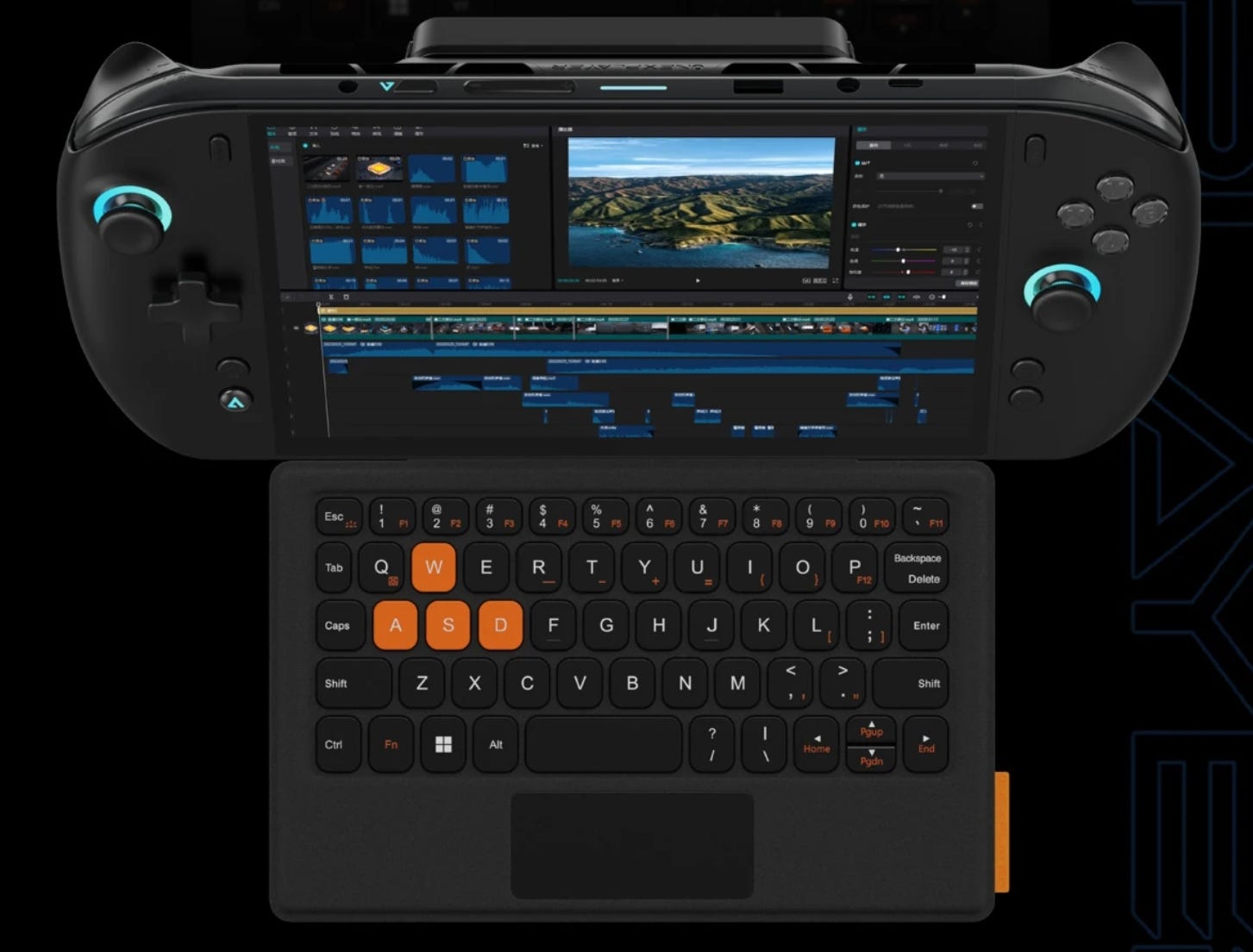
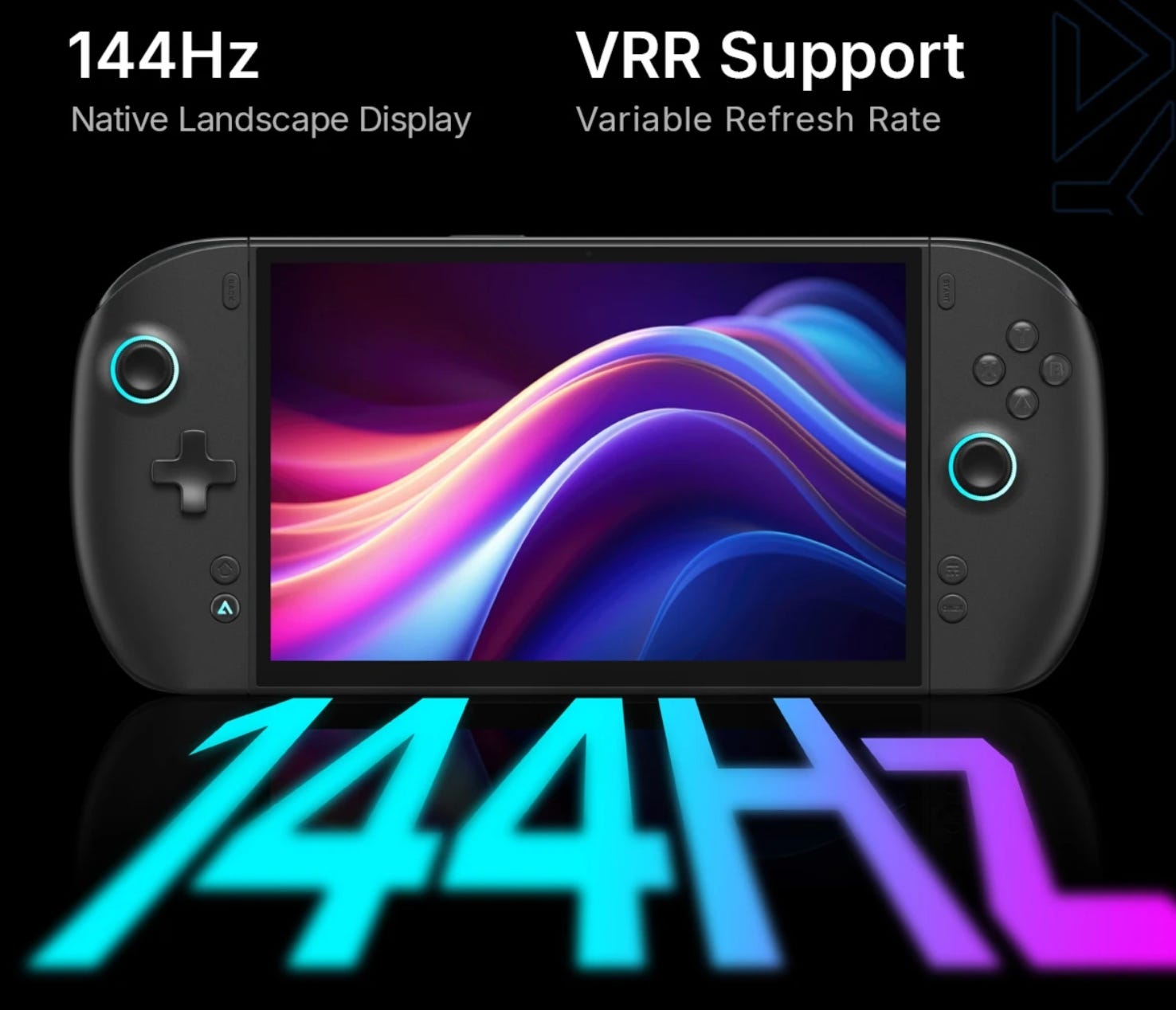
In any case, the X2 Mini Pro comes equipped with a hefty 8.8-inch 144Hz refresh rate OLED screen with VRR support, detachable controllers, a dedicated magnetic keyboard, and a replaceable 85Whr battery. It feels like a cross between the GPD Win 5 and the Lenovo Legion Go 2 in one immensely expensive package.
Up next: Nintendo Switch 2: one year on – how Nintendo has quietly built something special
Reece Bithrey is a journalist with bylines for Trusted Reviews, Digital Foundry, PC Gamer, TechRadar and more. He also has his own blog, UNTITLED, and graduated from the University of Leeds with a degree in International History and Politics in 2023.