


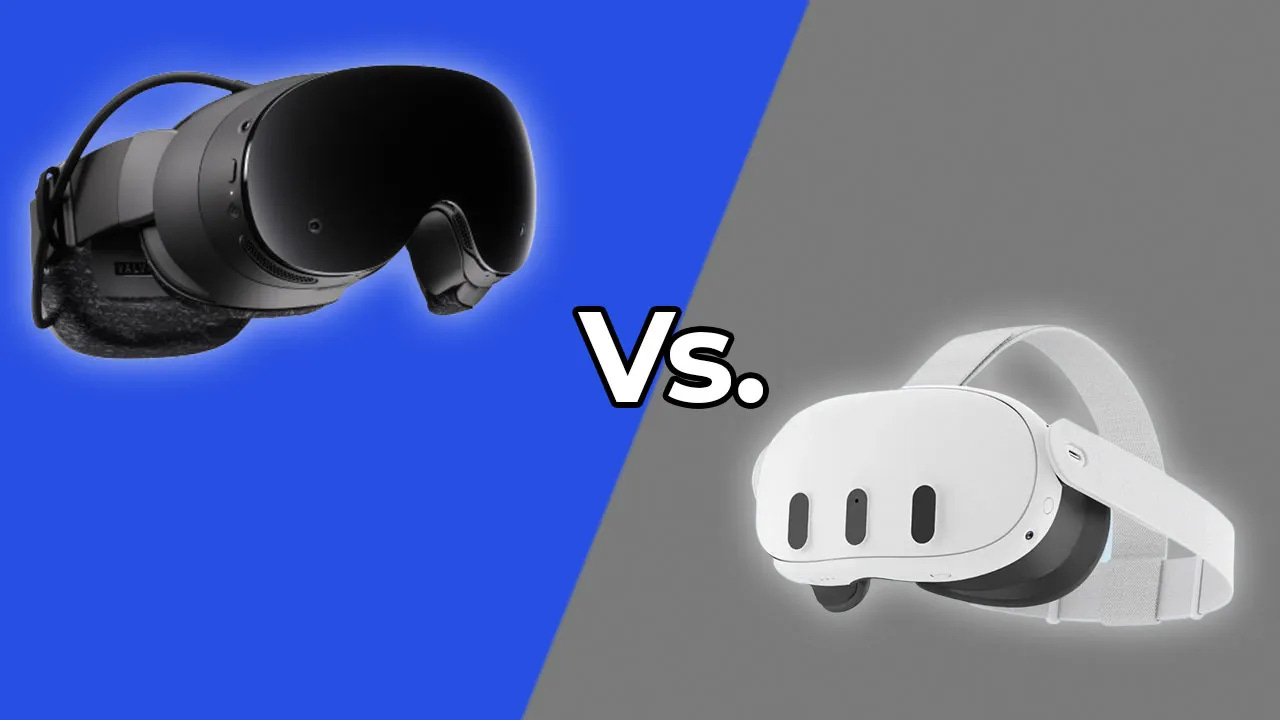

🆚 The Steam Frame has stronger specs than the Quest 3, with higher refresh rate displays, expandable storage, and more RAM
💰 The Quest 3 is more affordable and available now – we don’t know how much the Steam Frame is going to be
👏 The Steam Frame looks to excel in PCVR, with an entire Steam library of games available to play in 2D plus an array of certified games
👍 The Quest 3 has its own games library, plus benefits from mixed reality use with its full-color passthrough
Valve’s upcoming Steam Frame could be here very soon, and is the company’s follow-up to its first VR headset, the Valve Index. But there’s an established headset already available that the Frame will have to beat – and that’s the Meta Quest 3.
The Quest 3 is one of the best-selling VR headsets we’ve seen in recent times, making the Steam Frame an interesting newcomer that prioritizes unique features against Meta’s market leader.
There are some key things we don’t know about the Steam Frame yet, such as the device’s price and its release date. Likewise, we don’t know the status of the Steam Frame’s pre-order just yet either.
Nevertheless, the two headsets make for an intriguing comparison, so let’s see how this plays out as we analyze the specs, games, and unique features of each VR headset.
Steam Frame vs Quest 3: price
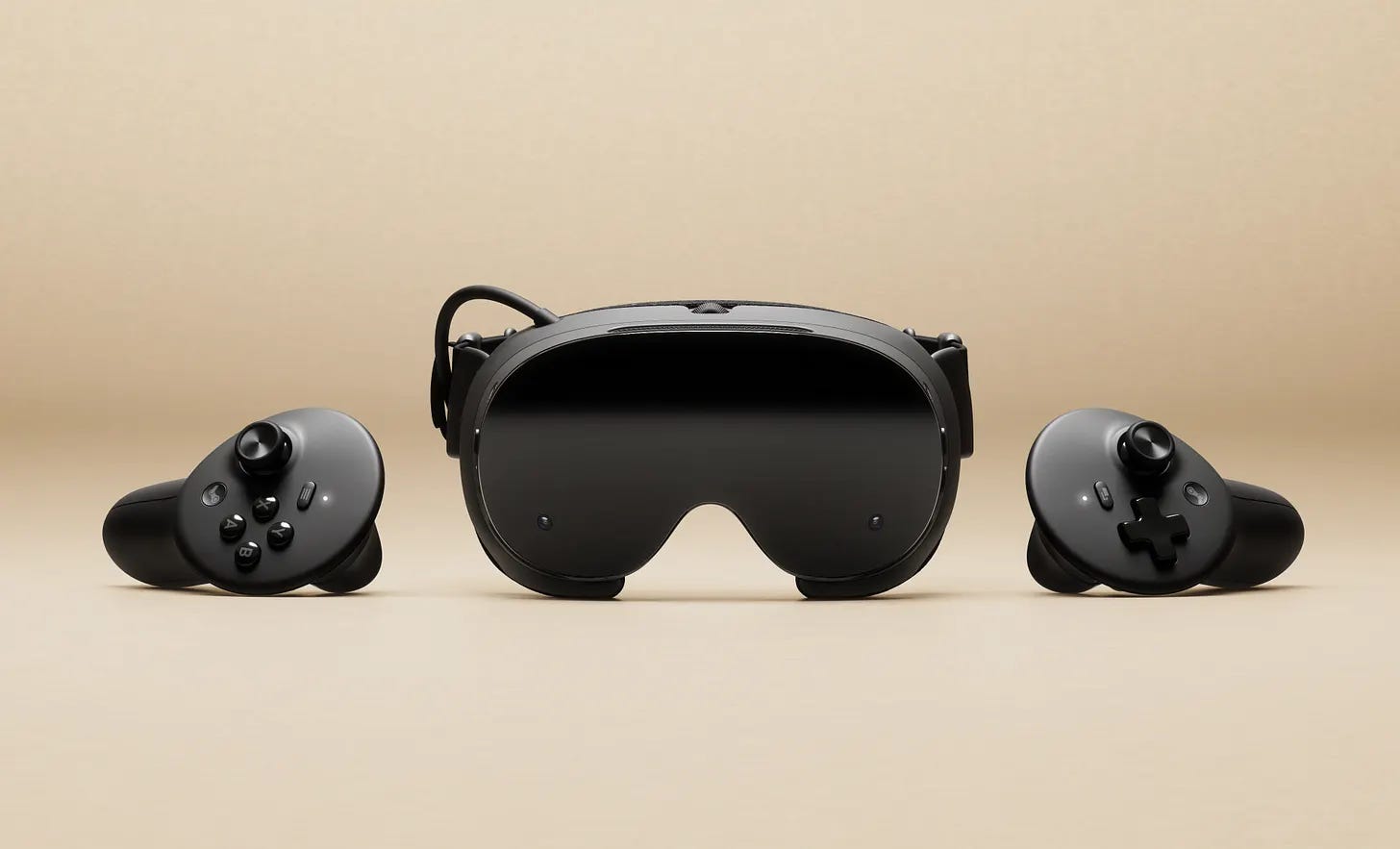
We don’t have an official figure for the Steam Frame’s price, although we can make an educated guess based on our own knowledge and comments Valve has made in the past.
We initially predicted a $699 price tag for the headset, although with the severe price hike we already saw with the Steam Machine, it could land closer to $899 or $999.
At the time of the headset’s announcement with Upload VR, Valve said it was aiming to supply the Steam Frame for less than the $1,000 full-kit that it charged for the Valve Index.
For reference, the Meta Quest 3 costs $600 for its 512GB model after a price rise Meta implemented a few months ago, which is dearer than its previous $500 price, although significantly cheaper than the Steam Frame’s near $1000 anticipated price tag.
It’s likely that the 1TB version of the Steam Frame could exceed four figures, so when it comes to which VR headset will be the most affordable, it’s an easy win for the Quest 3.
Steam Frame vs Quest 3: specs

One area where we can make concrete comparisons is with the specs of both devices. The Steam Frame has stronger hardware than the Quest 3, as it’s lighter, has higher refresh rate screens, plus more RAM and a faster processor.
Valve’s also positioning the Steam Frame as a device you can use to stream high-fidelity VR games from a PC, rather than being a standalone device. However, it also lets you play games installed on the unit itself, but this isn’t its primary appeal.
The Quest 3 has its merits, such as its full-color mixed reality passthrough against the Steam Frame’s monochrome passthrough and a large library of titles – but for reference, here is the full specs sheet for both:
Steam Frame specs
Display and optics
Resolution: 2160×2160 LCD per eye
Refresh Rate: 72Hz, 90Hz, 120Hz, and 144Hz (experimental)
Optics: Pancake lenses
Field of View (FOV): Up to 110 degrees
IPD Adjustment: Variable with a physical dial
Performance and storage
Processor: Qualcomm Snapdragon 8 Gen 3
RAM: 16GB Unified LPDDR5X
Storage: 256GB or 1TB UFS
Expandable Storage: Yes, via a microSD card slot
Connectivity
Wi-Fi: Wi-Fi 7, with dual 5GHz and 6GHz radios
Wireless Adapter: Bundled Wi-Fi 6E (6GHz) USB adapter for direct, low-latency PC connection
Other specifications
Tracking: Inside-out computer vision tracking, with eye tracking support
Audio: Integrated dual audio drivers in the headstrap
Weight: 185g for the core unit; 440g with the standard headstrap and facial interface installed
Battery: 21.6 Wh rechargeable Li-ion battery located in the rear headstrap
Expansion Port: User-accessible front expansion port
Meta Quest 3 specs
Display and optics
Resolution: 2064 x 2208 pixels per eye
Refresh Rate: Up to 120Hz (with 72Hz and 90Hz support)
Field of View: 110º horizontal by 96º vertical
IPD Adjustment: Continuous slider between 58mm and 70mm
Passthrough: Full-color mixed reality passthrough
Performance and storage
Processor: Qualcomm Snapdragon XR2 Gen 2
RAM: 8 GB
Storage: 128 GB or 512 GB
Expandable Storage: No
Connectivity
Wireless: Wi-Fi 6E
Other specifications
Weight: 515g
Battery: Battery Capacity: 4985 mAh, approximately 2.2 hours of life, 18W charging
Steam Frame vs Quest 3: games

The Steam Frame and Meta Quest 3 have different libraries of games that ultimately serve difference purposes. Valve will let you play your entire Steam library on the Frame with its clever 2D display mode alongside a vast array of high-fidelity VR titles like Half-Life: Alyx.
As part of Valve’s vast array of backend updates to prepare for the Steam Frame’s release, Valve has certified an array of games for the device, such as its first certified game – Portal 2 – as well as Valve’s own VR showcase games for the headset with Aperture Hand Labs and The Lab.
All three of those also form part of Valve’s recently launched new category for ‘Great on Frame’ games on Steam alongside other titles such as Titan Isles and the others mentioned above.
Valve also recently verified three more games for the Steam Frame, with Ancient Dungeons, Underdogs, Slots & Diapers, and added them to the new ‘Great on Frame’ category.
Alongside this, Valve is positioning the Steam Frame as a headset you can stream to, as well as play standalone games.
By contrast, Meta has its own store and exclusive titles and subscription programs such as Meta’s Horizon Plus free games, although it isn’t on the scale of the prospect of playing your entire Steam library on the Steam Frame, and it is powerful enough to run heavier PC VR games unless you’re tethered to a desktop.
Steam Frame vs Quest 3: which one should you buy?
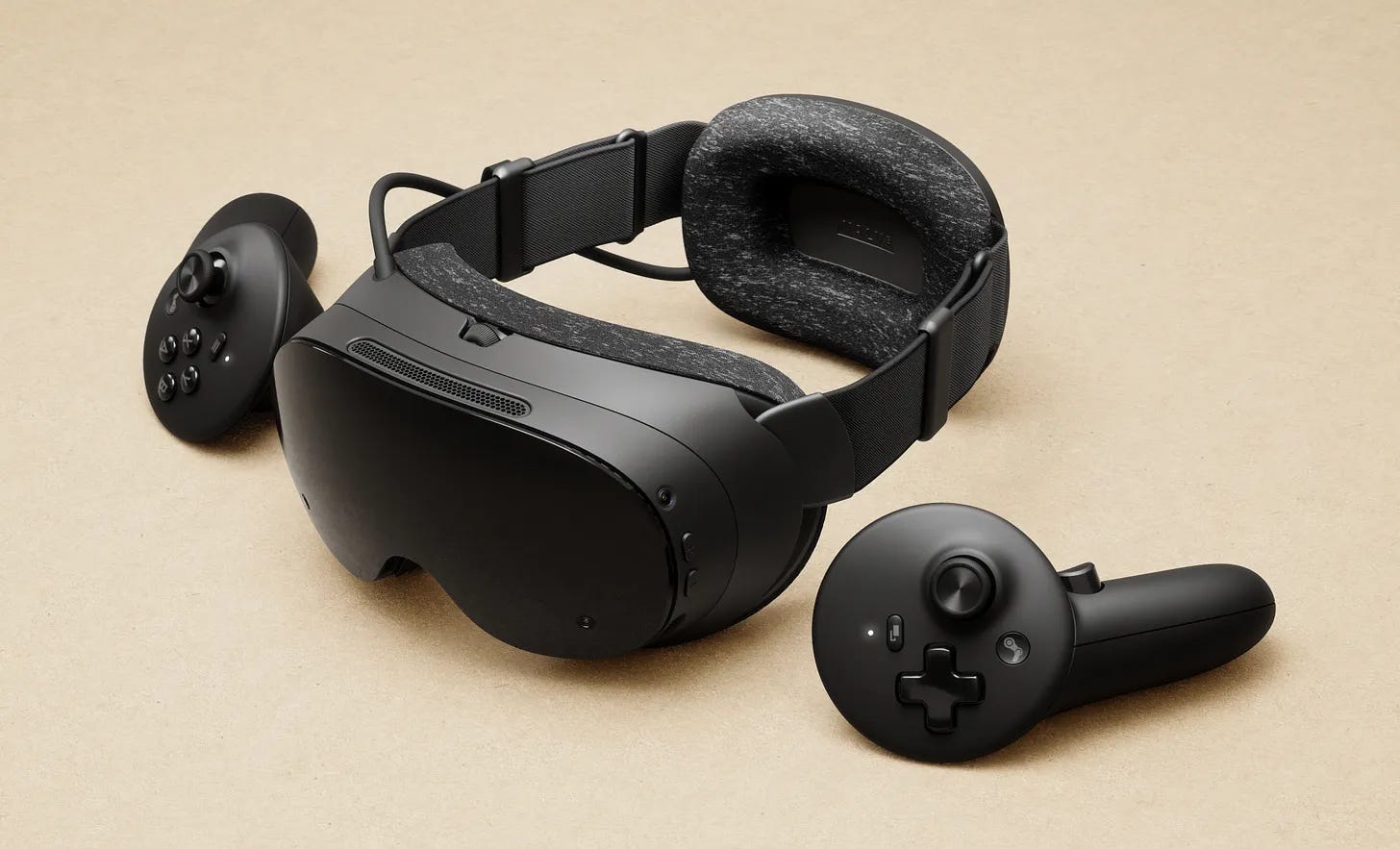
The Steam Frame is an entirely different proposition to the Meta Quest 3, making it quite difficult to compare the two. However, I’d argue that if you’re after a powerful, do-it-all VR headset for standalone and streaming play, then the Steam Frame looks like it’s going to be hard to beat.
The Quest 3 will probably be more affordable and has its own merits, such as the full-color passthrough for mixed-reality experiences, plus Meta’s own library of games will be appealing to those who are already deep into that ecosystem.
It’s hard to pick out a real winner here because we still don’t know key details about the Steam Frame, such as its pricing and availability. When we get that, you’ll find it right here, as it’s going to have a hefty impact on which headset we ultimately recommend.
Up next:
Reece Bithrey is a journalist with bylines for Trusted Reviews, Digital Foundry, PC Gamer, TechRadar and more. He also has his own blog, UNTITLED, and graduated from the University of Leeds with a degree in International History and Politics in 2023.