


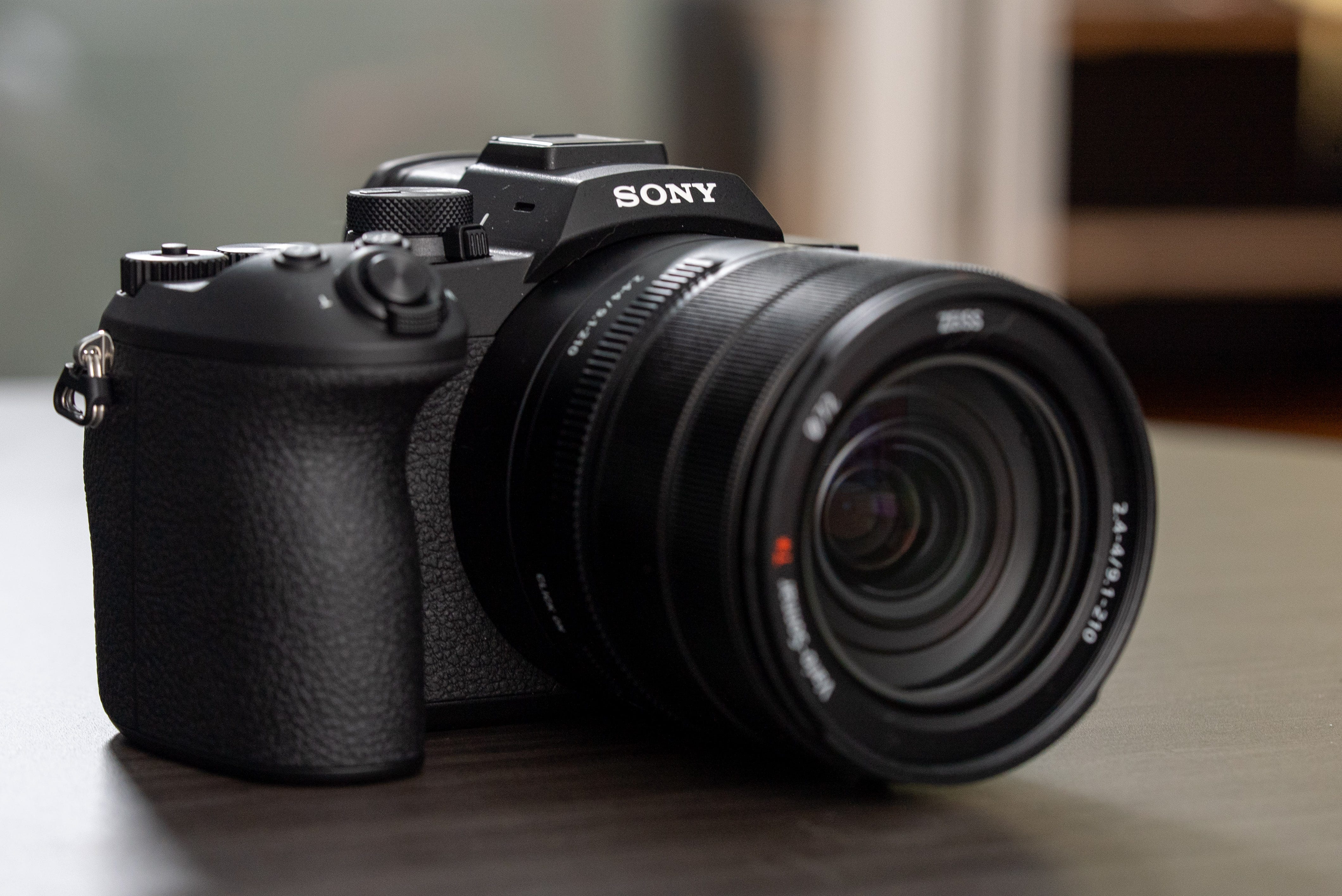

🔭 24-600mm f2.8-4 Zeiss lens combines the 25x zoom range of 3-4 lenses into one
📸 ideal travel camera for capturing both wide landscapes and zoomed-in street subjects.
֎ Lens aperture narrows from f2.4 to a locked f4 by 103mm
🖼️ 1-inch Exmor 20.1MP sensor is mid-range in resolution
⚙️ Stacked Bionz XR processor speeds up processing and burst shooting
🎬 Sony’s full modern video suite adds 10-bit 4:2:2 S-Log 3 and LUT support
🧠 Sony’s AI chip drives subject recognition, color, and exposure, and overall improves autofocus
🔋 New Z-battery claims 50% longer life than the previous W-battery
🏷️ Priced at $2,299 and available later this August
The Sony RX10 V is the brand’s first superzoom camera in nearly nine years. While it features the same 24-600mm equivalent f2.4-4 Zeiss Vario-Sonnar 25x zoom lens, nearly everything else about the camera is new. For starters, it features a new 20.1MP 1-inch Exmor sensor that stacked with a processor to help drive 30fps burst shooting speeds. The sensor also supports all of Sony’s modern video standards including 4K 120fps capture, S-Log3, and you can import up to 16 LUTs.
Sony has also updated the look of the RX10 V with a more squared off body mimicking the dimensions and controls of the Sony a7 series – including the latest Sony a7R VI. RIP to the hunched down, streamlined bridge cameras of the 2000s, but the RX10 V has gained several more useful dials, more pronounced buttons, and a larger grip. Sony also promises the RX10 V will have 50% more battery life, swapping out the terrible W-batteries for its Z-batteries.
This camera should prove to be the ultimate travel camera, even if it doesn’t have a selfie screen. However, it costs as much as a transatlantic flight at $2,299. We’ll soon know whether its worthy of this steep price tag, but so far I’ve had a lot of fun shooting with the new Sony RX10 V in the past day.


🔭 Big zoom. The biggest draw and first thing you’ll notice about this camera is its 24-600mm f2.8 to f4 Zeiss lens. That 25x range allows me to capture wide shots of the NYC landscape to zoom in on the most interesting characters I see on the street. This makes the camera a fantastic travel companion, as it essentially combines three to four lenses into a single piece of glass.
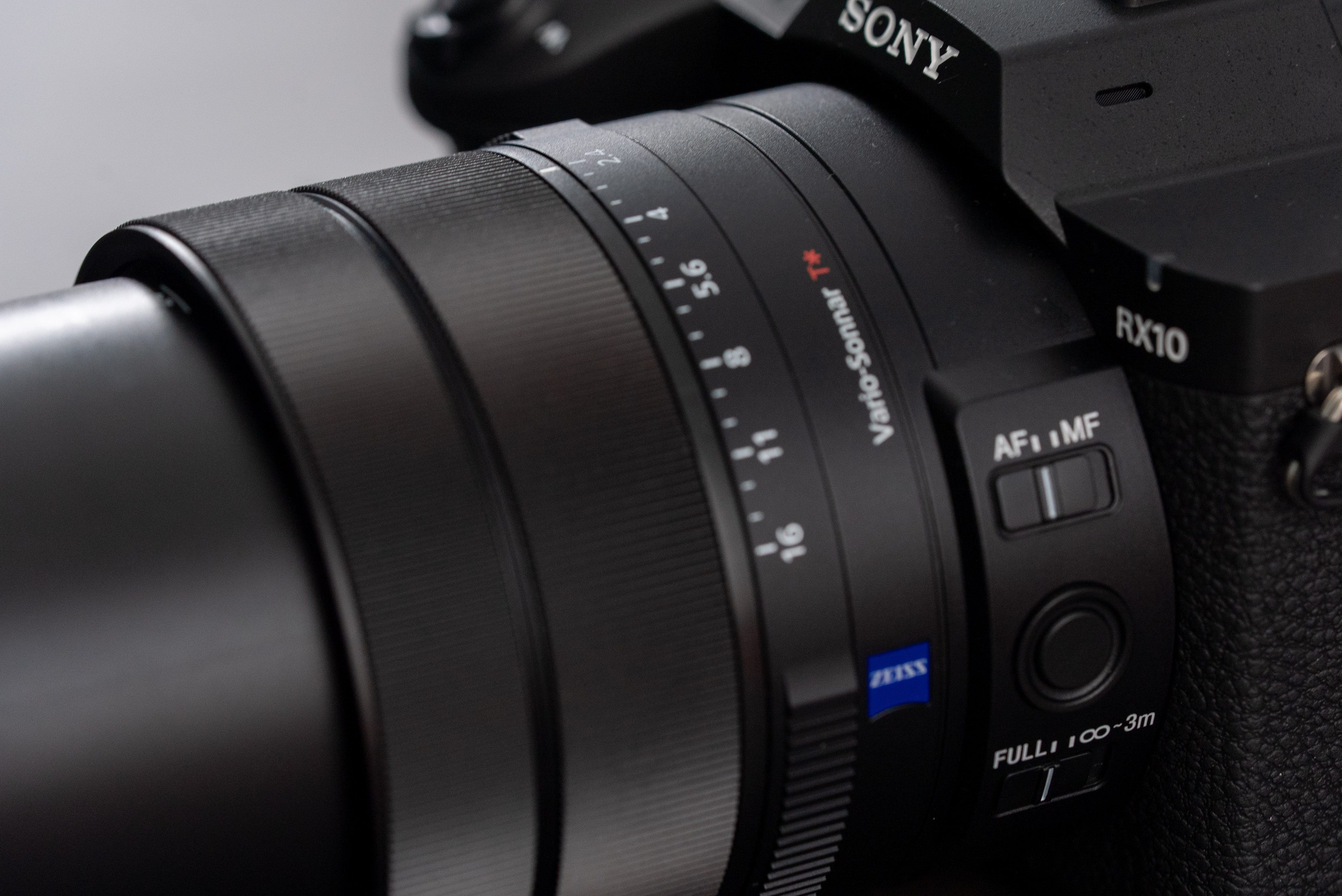
֎ Variable aperture. Unfortunately, the Sony RX10 V’s big zoom lens has the downside of a variable aperture that starts shrinking from f2.4 after the tinniest increment of zoom at 25mm. At 103mm, the lens locks in at an f4 aperture for the rest of the focal range. It’s not a huge pain to work around, but if you tire of tweaking your settings around the aperture changing all the time, there are P- and S-modes.


🖼️ 20.1MP sensor. The Sony RX10 V features a 20.1MP 1-inch Exmor image sensor that’s mid-range in resolution, but it’s both backside-illuminated and fully stacked. The stacked nature of this sensor overlays it with Sony’s Bionz XR processor to speed up image processing and burst shooting that goes to 30fps, up from the previous Sony RX10 IV’s 24fps.


🎬 Modern video specs. The best upgrades from the RX10 V’s new Exmor sensor are that it features all of Sony’s modern video features, including S-Log 3 shooting at 10-bit and 4.2.2. It also supports LUTs, so you can see how your footage will look at the start of your edit as you’re filming.

🧠AI chip. As with all of Sony’s modern camera releases, the RX10 V comes rocking an AI chip that powers everything from subject recognition to color reproduction and exposure control. The most immediate benefit I experienced was the RX10 V’s greatly improved autofocus, which allowed me to lock onto fast-moving subjects even at max zoom and while shooting through a crowd.
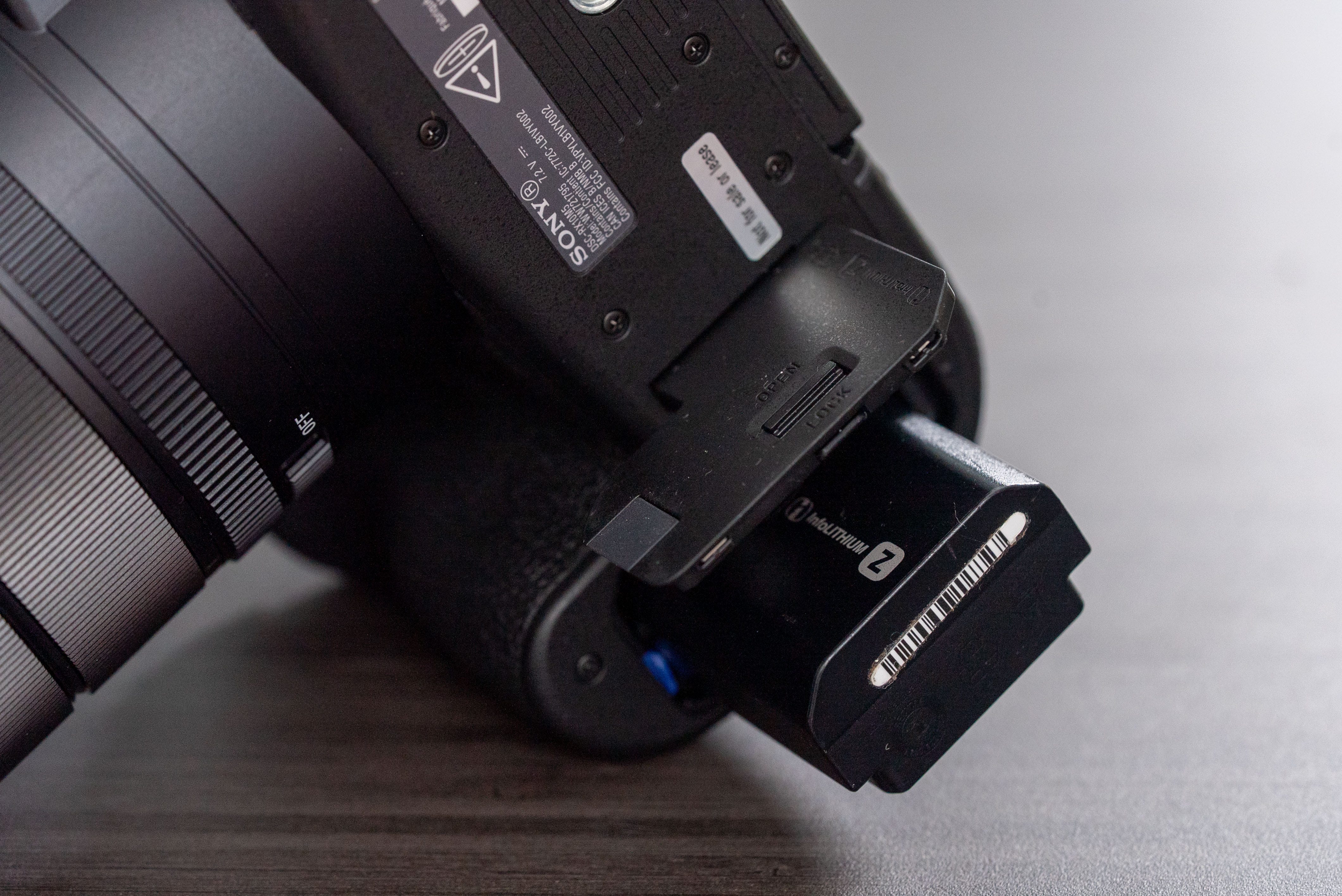
🔋 50% more battery. The RX10 V now works with Sony’s Z-batteries, which the company claims offers 50% longer battery life than its previous W-batteries. I haven’t fully tested the RX10 V’s longevity in a day, but after shooting 100-odd photos, including bursts, I only exhausted the battery by 15%.
Kevin Lee is The Shortcut’s Creative Director. Follow him on Twitter @baggingspam