


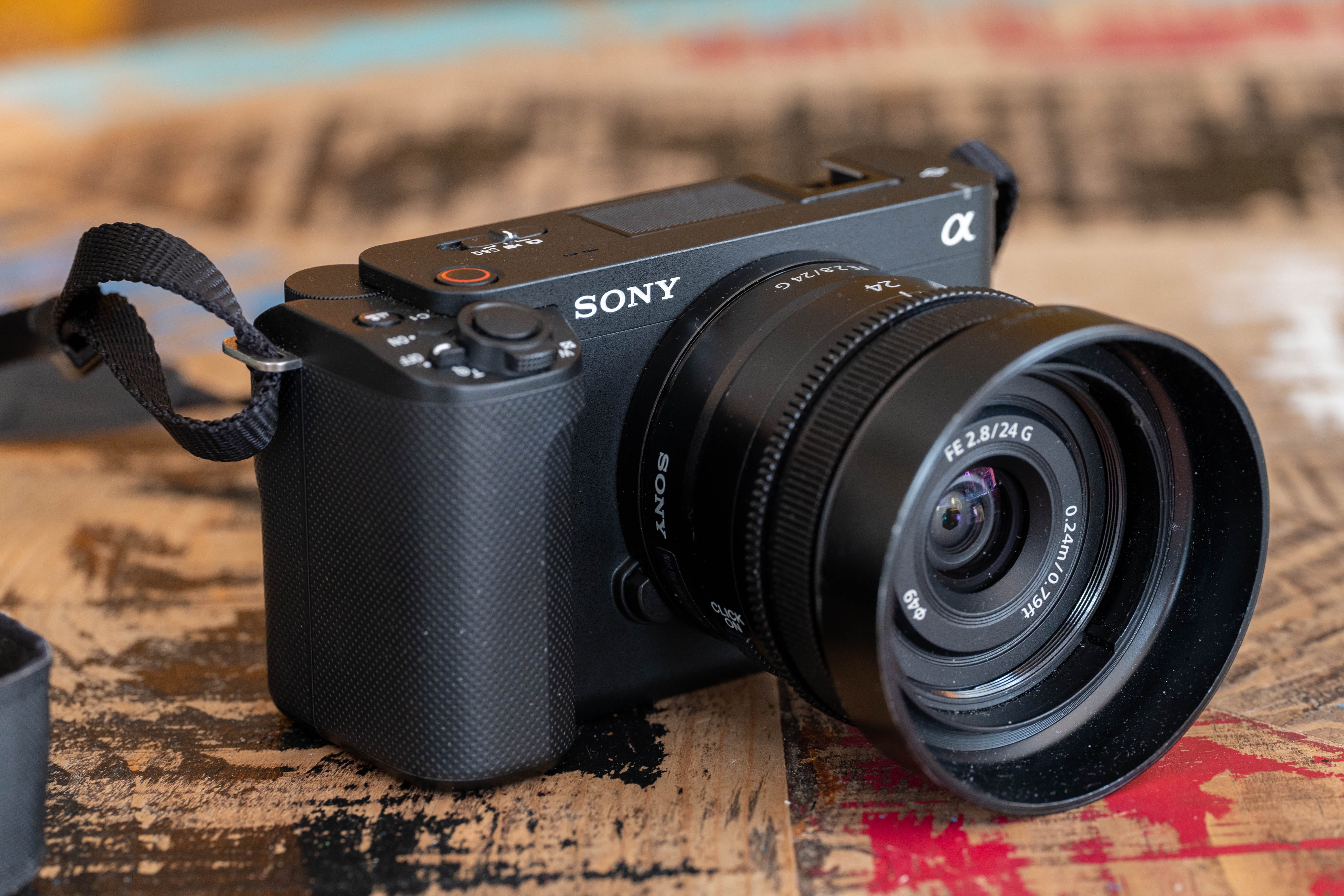
As The Shortcut’s camera reviewer, I get to test out virtually any camera I want – from the latest flagship full-frame bodies to cinema cameras worth three months of rent. But it might surprise you that I periodically reach for the Sony ZV-E1, a camera I reviewed three years ago with a “modest” 12MP sensor. Its feature set is also hardly exclusive anymore, as Sony has included them in newer cameras, but it comes down to simply packing all the features I need into a smaller body. After years of shooting with it professionally, it’s still the camera I trust most for any content creation. Here’s why.
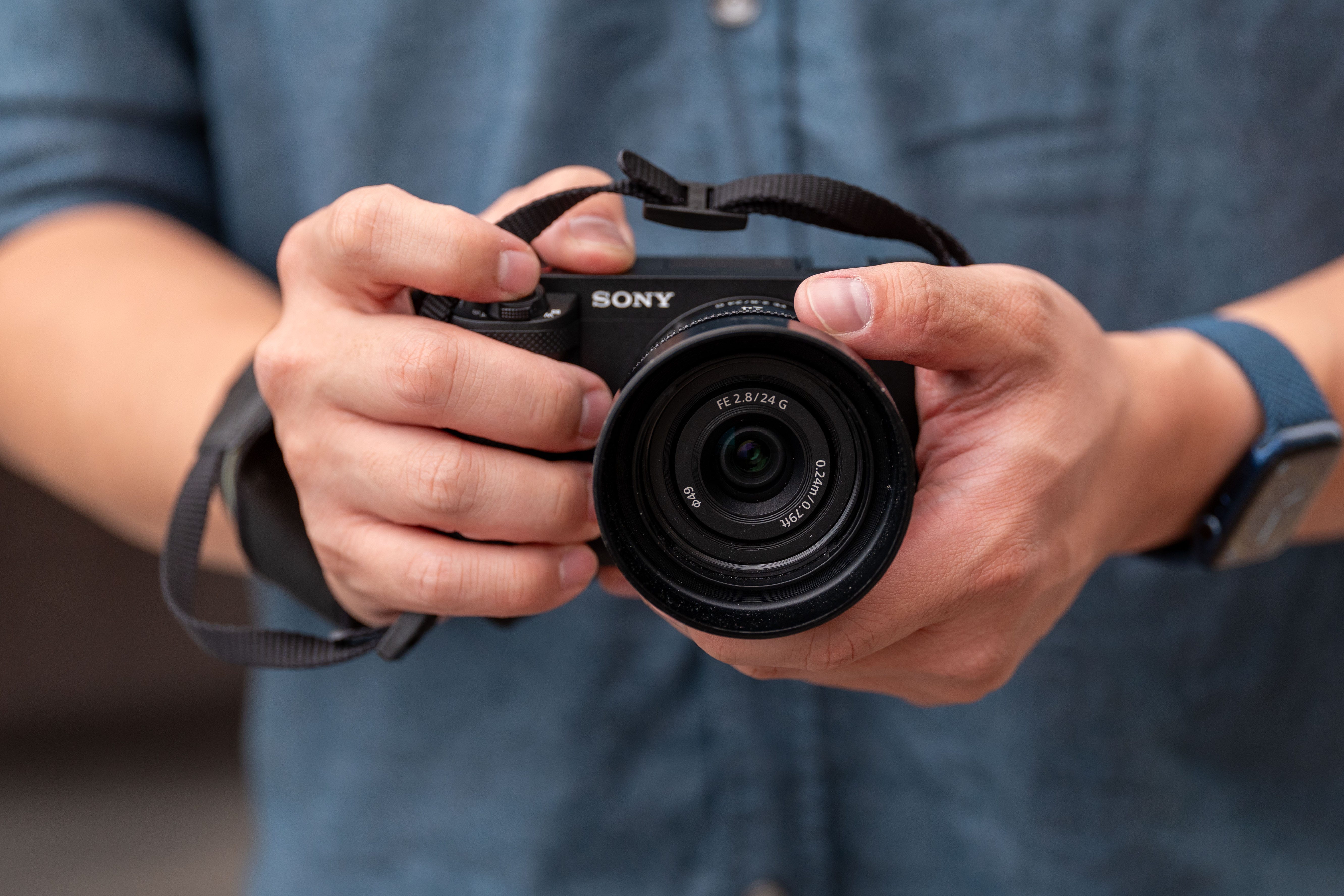
🤏 So small. The best camera is the one you have with you, and the Sony ZV-E1 is small enough to bring pretty much anywhere. The ZV-E1 can even fit easily into a jacket pocket with the right lens, like the Sony E 20mm f2.8 pancake or FE 24mm f2.8. This pocket shooter also easily adapts to full professional use for portraits, wildlife shooting, and more with larger Sony and third-party lenses, even if the ZV-E1 might literally dangle off from a lens that’s 2-5x the size of the camera body.


🖼️ Big image quality. For such a small camera, the Sony ZV-E1 packs a powerful 12MP full-frame sensor. That might sound like a peashooter compared to the Sony A7r VI’s 66.8MP sensor, but this still gives the ZV-E1 enough resolution to capture 4,240 x 2,832 resolution RAW photos and 4K 120fps video in 10-bit 4.2.2. S-Log3.
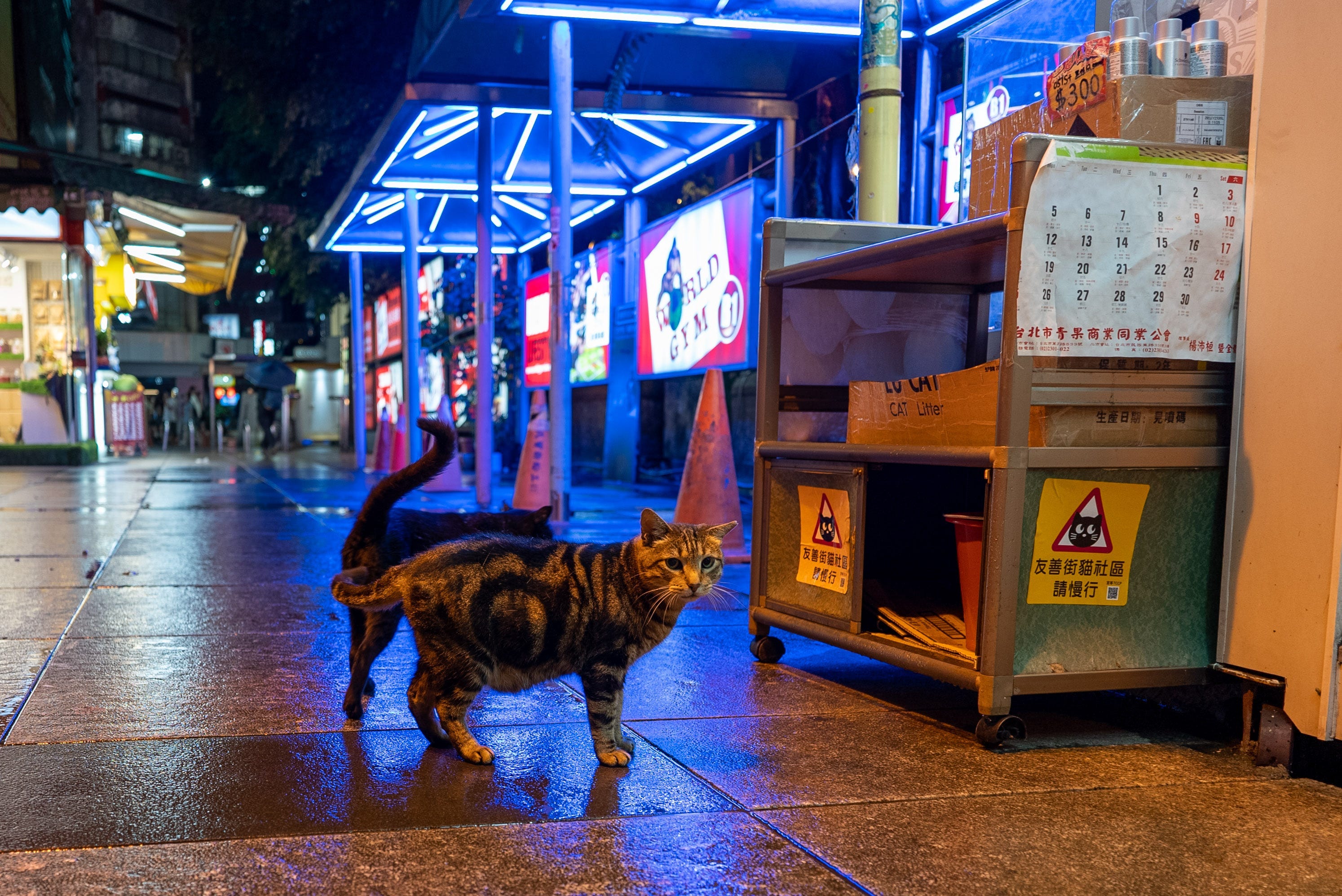
👀 Nightvision. The main benefit of the 12MP sensor is that it’s also much more light-sensitive than higher-resolution cameras. That means I can shoot photos in the dark without having to raise the ISO speed and risk introducing noise into my pictures. I can easily shoot at ISO speeds like 3,200 and 6,400 without worrying about noise with virtually no color noise, while the luminance noise looks more like film grain. At the same time, I can set the ZV-E1 to lower ISO sensitivities regularly. For example, I capture photos on a cloudy day at ISO 200 with the ZV-E1, whereas I would have to shoot at ISO 400 on a higher-megapixel camera.
🏄♂️ Dynamic Active Stabilization. The other thing the Sony ZV-E1 is best at is run-and-gun video shooting, thanks to its super-smooth Dynamic Active Stabilization. This feature combines the optical stabilization from the lens and sensor with a heavy 2x crop, resulting in super-steady footage even when I’m using a 100mm macro lens. I can trust Dynamic Active Stabilization to keep my footage balanced, so much so that I will almost always leave the tripod and gimbal at home when I take out the Sony ZV-E1.
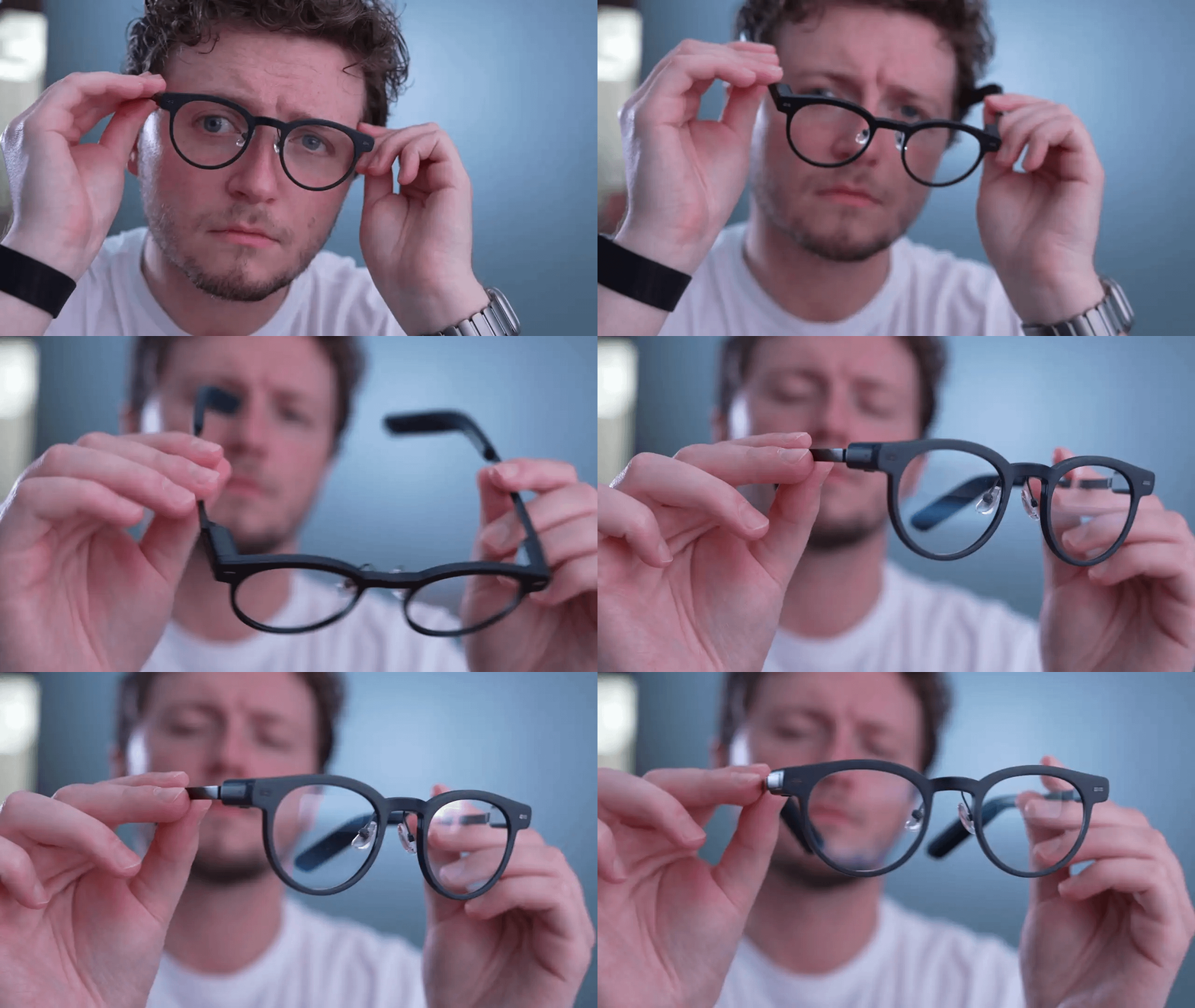
📦 Product showcase. The Sony ZV-E1 is the perfect camera for showcasing products, and exactly what I do for work. One feature that really helps with this is Product Showcase, which overrides the camera’s face and eye-tracking settings to focus on objects placed in the foreground.
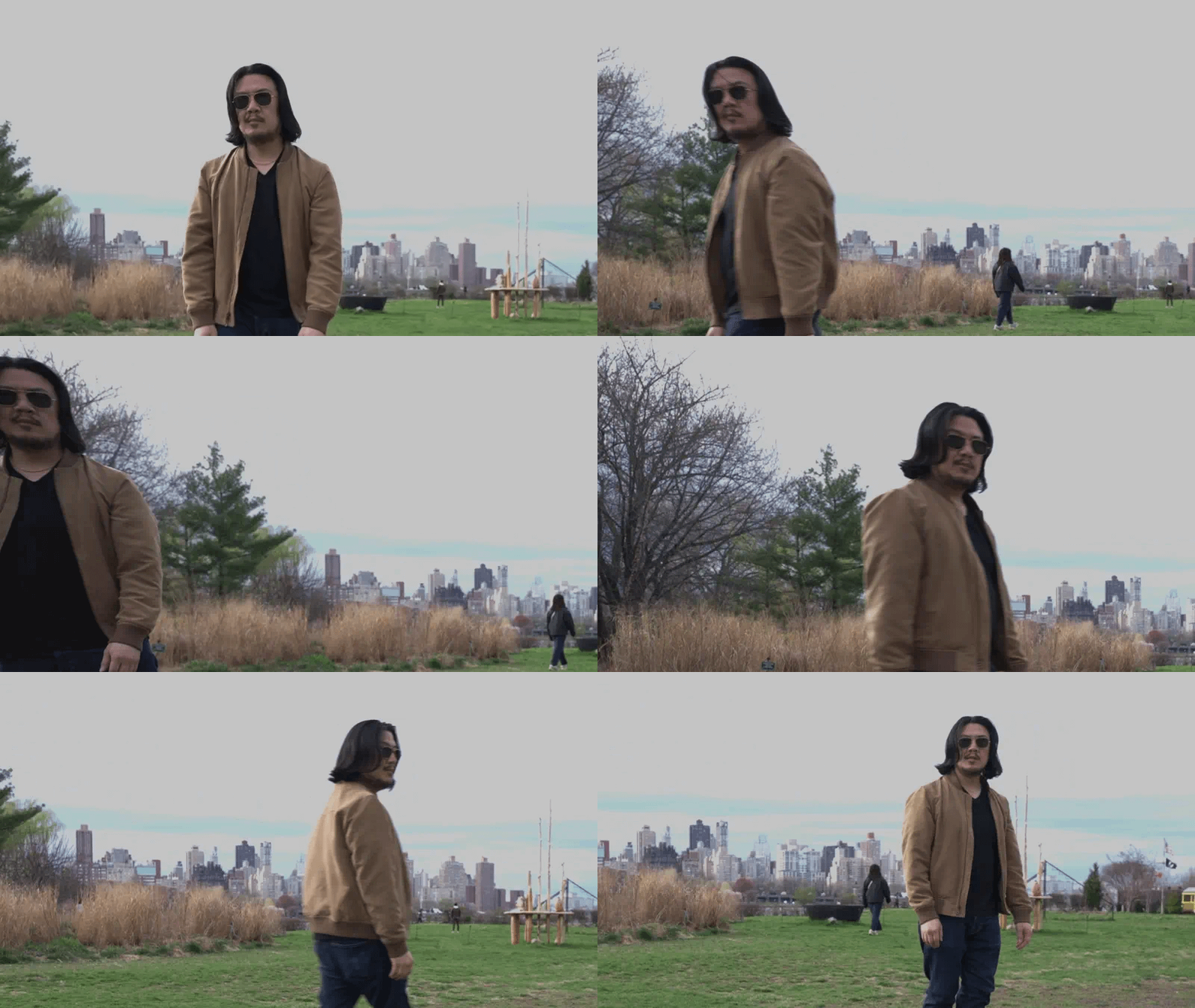
🎯 Automatic tracking. The Sony ZV-E1 was one of the first cameras to integrate an AI chip, and it still continues to impress with its Auto Framing feature. This feature essentially keeps you or a subject you choose centered in the frame, similar to Apple’s Front Row feature for FaceTime calls on Macs and iPads. It’s amazing to see in action as it essentially turns a digital crop into smooth pans and zooms to help keep your subject in frame. The Auto Framing feature is even more impressive when you stack a gimbal with subject tracking like the DJI RS4 Mini.
🔋 Big batteries, small camera. The Sony ZV-E1 might be a small camera, but it comes with the same Z-batteries that have powered every Sony a7 camera (up to the A7r VI). These full-size batteries allow the ZV-E1 to capture 570 photos or record video for 95 minutes. That translates to a day and a half of shooting non-stop photos and short 4K clips for my use. Also, because the Sony ZV-E1 is so small, I can carry more batteries on a trip, letting me run and gun for longer.
Kevin Lee is The Shortcut’s Creative Director. Follow him on Twitter @baggingspam
Any pictures you take Sony can delete without notification. Remember you will own nothing and like it. You will have no memories and like it too.