


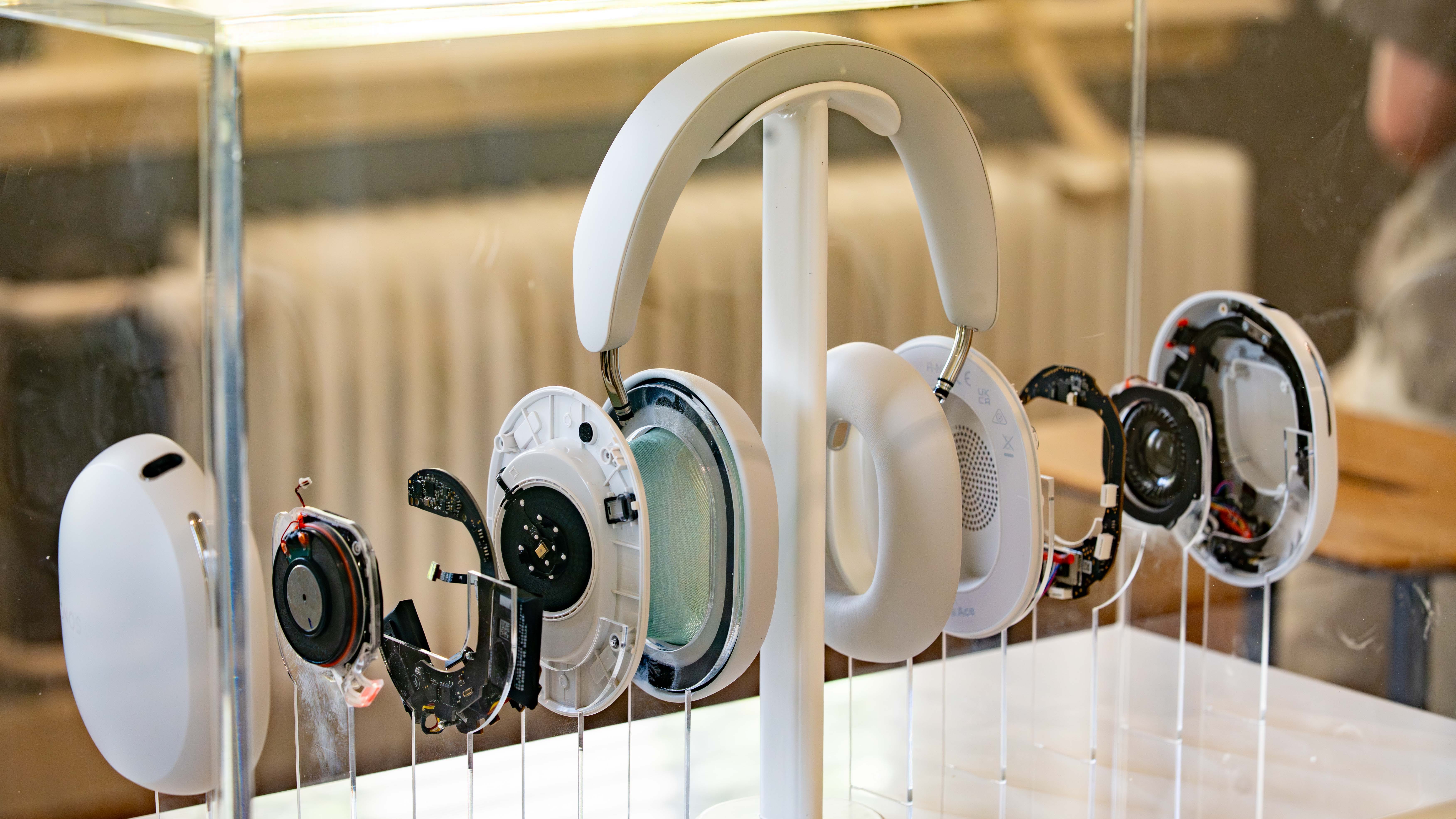

🎧 The Shortcut explores why and how Sonos updated its headphones with TrueCinema
👂 TrueCinema allows the Sonos Ace headphones to sound like a virtual room full of speakers
🔊 Sonos sound engineers explain they developed TrueCinema to give users depth through directional sound
🌊 TrueCinema works by reproducing realistic acoustic reflections accurate to the listener's surroundings
Software updates usually don’t do much other than fix an issue here or there. Sonos, however, delivered a Sonos Ace software update that acted more as a free upgrade, adding the long-awaited TrueCinema experience, improved ANC, sidetone for calls, and dual TV Audio Swap. TrueCinema was the breakout upgrade that essentially puts you into a room of virtualized speakers so realistic you could swear you weren’t wearing headphones at all.
A free update that acts more like a free upgrade for the Sonos Ace, adding more features, is a real rarity in today's age of consumer electronics. The Shortcut went to meet the makers at Sonos’ headquarters in Utrecht, Netherlands, to explore how and why Sonos made these new features possible with just software updates.

Chris Pike, Principal Research Scientist at Sonos, explained the added feature to give back to users the spatial audio experience that you can lose with a pair of headphones.
“You have this disconnect where the sounds are inside your head, but the action is on screen,” Chris said. “The goal is to restore that sense of depth and connection to the screen that is hard to achieve with spatial audio by matching the room acoustics, and you feel a greater sense of depth.”
Simulating reality with headphones
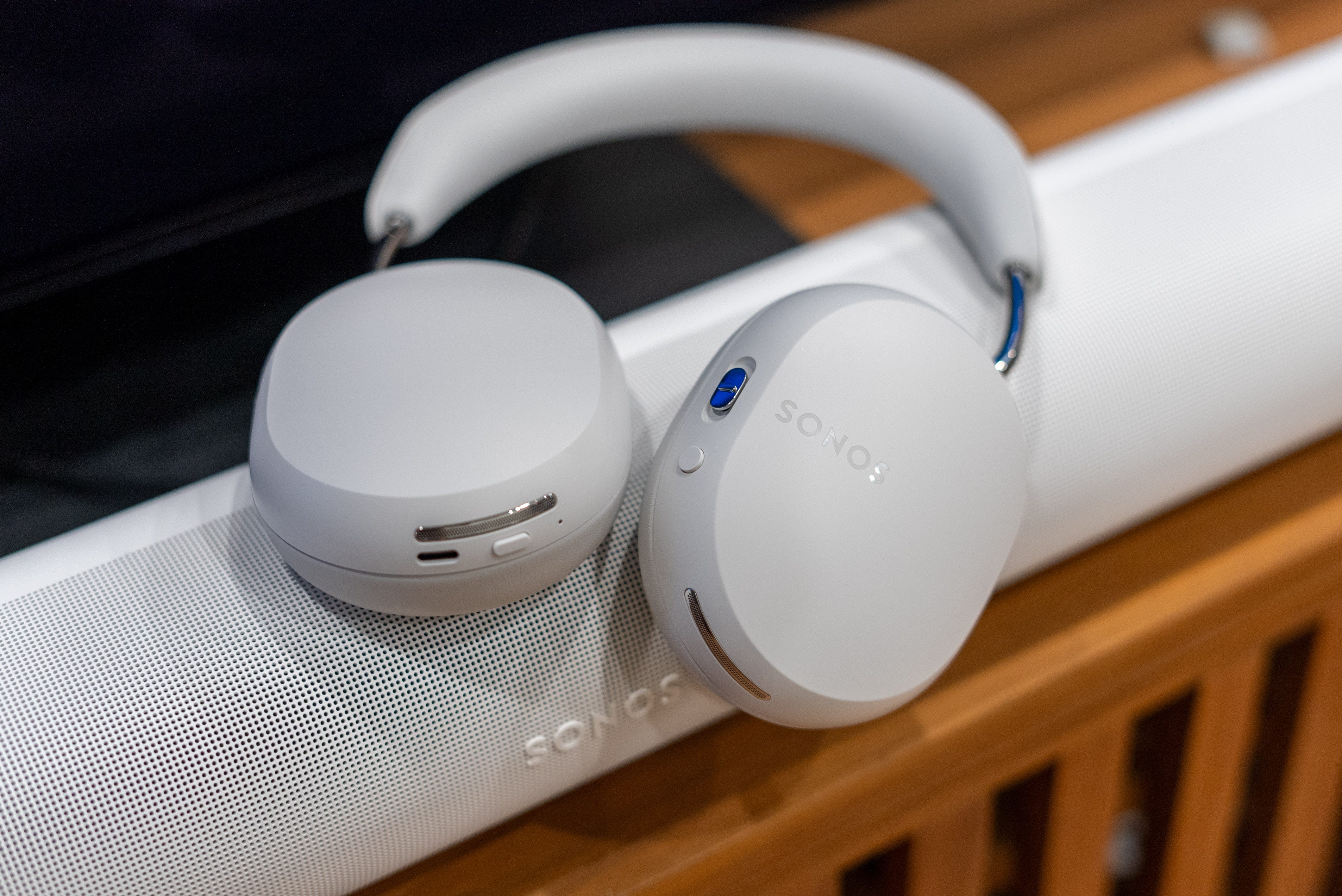
Pike said the key to making the headphones feel immersive was accurately reproducing acoustic reflections to match the listeners' environment.
“It started originally in the lab where we had a microphone with head and ears, and we made loads of tests by perfectly recreating the room, and we found that you can make it super convincing,” he added.
Naphur van Apeldoorn, Sonos Hardware Development Engineering Senior Manager, added that the big secret to TrueCinema is making people perceive where sound is coming from.

“We only have two ears, but still we can see and hear from so many directions,” van Apeldoorn said. “That’s where there are more cues we use as a human than just like where the actual speaker is standing.”
“The Sonos Ace has two transducers, a left and a right, but it feels like way more,” he added. “That’s the cool thing you can do these days with algorithms, which we have a lot of knowledge of.”
Breaking the mold
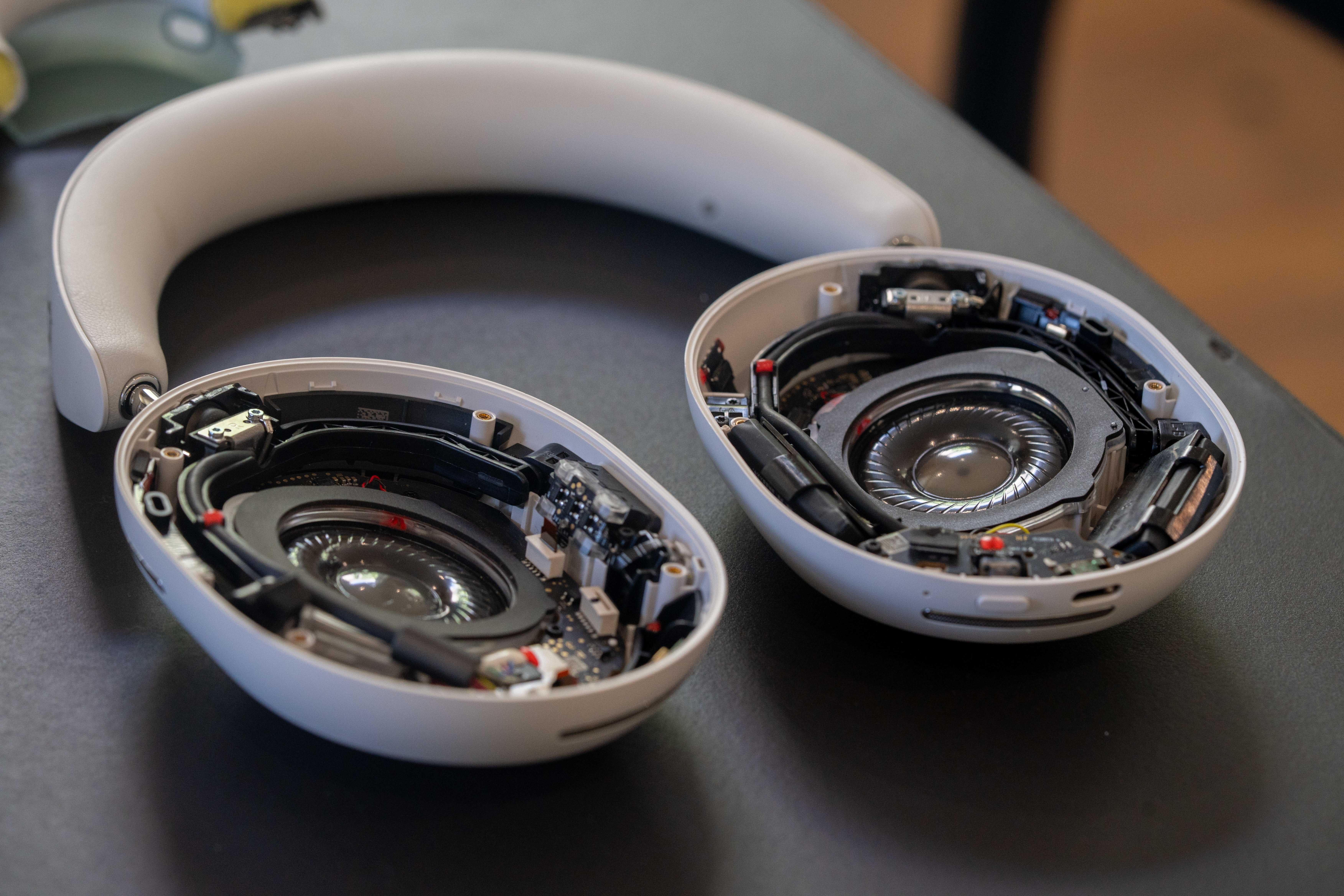
Headphones virtualizing an out-loud listening experience isn’t new, but Sonos’ sound engineers explained they had to deliver a better experience than previous attempts.
“We had feedback that some of these headphone virtualiser systems, content creators really despise it because they feel like it’s destroying, it’s washing it with reverb,” he added. “[But] that’s the key element for matching the room. The pattern matching in your head just makes that sound of the virtual room disappear when it meets your expectations. It’s like pulling a veil back, and then it’s just there.”
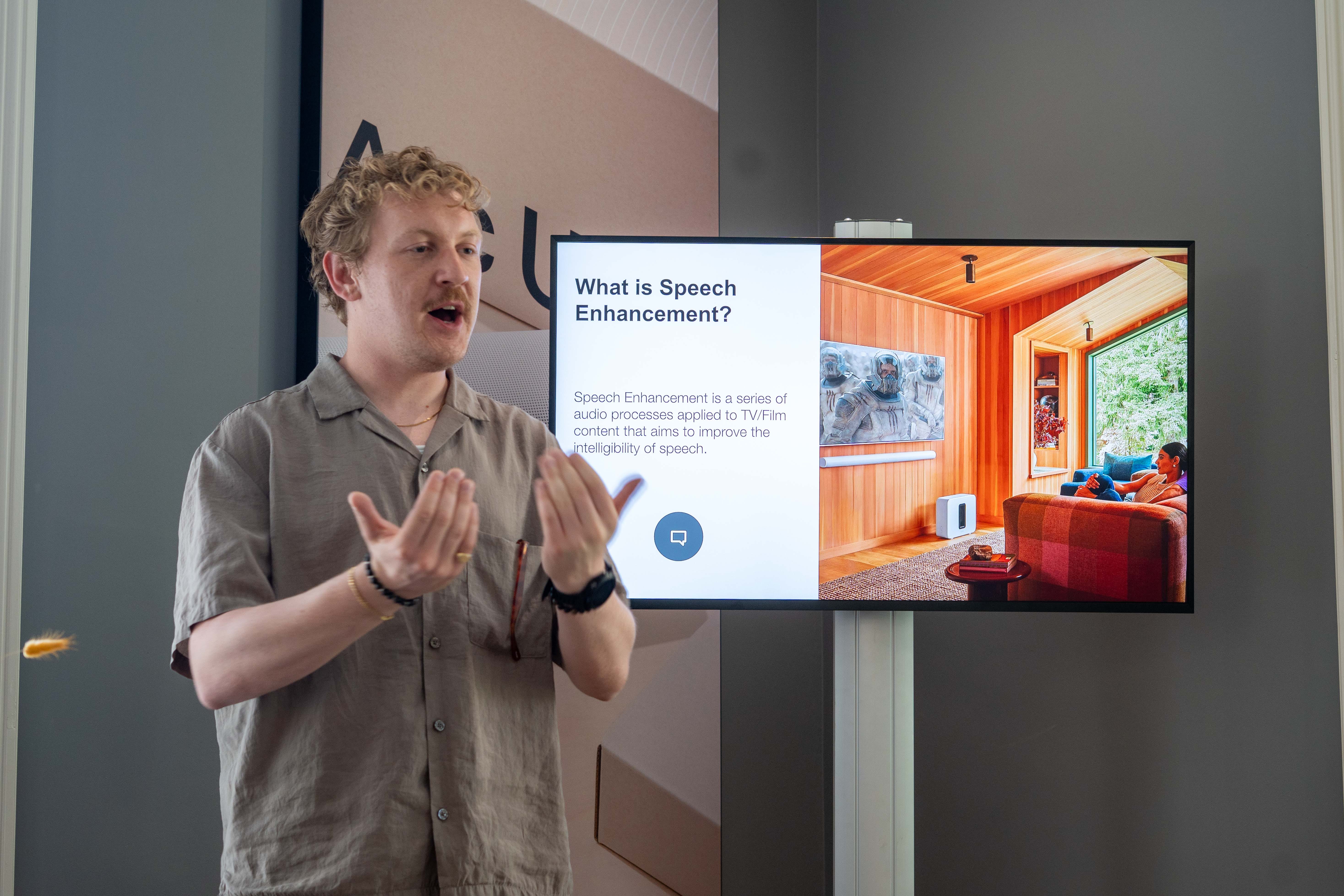
Harry Jones, Sound Experience Engineer at Sonos, also chimed in to say that adding just the right amount of reverb helps fully realize the TrueCinema experience.
“Why are you putting reverb on the mix, etc?” Jones posited. “It actually simulates that out-loud experience really nicely. Funnily enough, it’s more faithful to the original mix by simulating an out-loud experience.”
Kevin Lee is The Shortcut’s Creative Director. Follow him on Twitter @baggingspam.