



🤔 Qualcomm is keeping its first-generation Snapdragon X processors alongside the upcoming X2 Elite and Elite Extreme chips
💰 Retaining the older chips creates an opportunity for more affordable Windows on Arm laptops, potentially competing with Chromebooks and the low-cost sector
👀 Apple is rumored to be developing a low-cost MacBook with an A18 Pro chip to compete in this more affordable market
💪 Qualcomm’s Group GM believes the company is positioned to win against Apple’s cheap MacBook due to its ability to offer strong performance across multiple price tiers
Qualcomm has confirmed that it isn’t planning on discontinuing its first-gen Snapdragon X processors, and that they’ll be kept alongside the upcoming X2 Elite and Elite Extreme.
At a recent roundtable event at this year’s MWC conference, the brand confirmed that we’d be seeing more of the Snapdragon X2 Elite and Elite Extreme SoCs for laptops “very soon”, and that the current crop of Snapdragon X chips isn’t going anywhere.
Far too often, when we get a new generation of processors in laptops, the old ones can be put out to pasture. At the end of the day, the shiny new stuff is what has the highest potential to sell because, well, it’s new.
The fact that the Snapdragon X, X Plus and X Elite chips will be kept around, be it in older or upcoming laptop models (Qualcomm didn’t divulge either way), paves the way for potentially cheaper hardware at a time when the bottom line is being hit with chip shortages and other supply-side shocks.
The cheap laptop dilemma
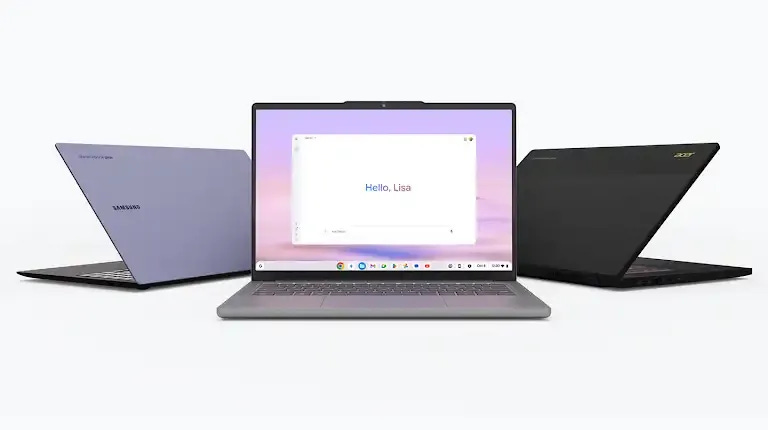
For too long, the cheaper end of the laptop market has been faced with Hobson’s choice: an okay Chromebook or a sub-par Windows laptop with lots of compromises. There hasn’t necessarily been much competition to change this trend in recent times. When there’s a discount, sure, you can get a dearer laptop for cheaper, but that isn’t always the case, making it harder to find quality products at a more affordable price.
In addition, retailers are being pushed and pulled from all sides – from the OEM, the chip manufacturer and the maker of its operating system – for potential sales, discounts and marketing. I recently spoke to a higher-up at a large laptop manufacturer, and he confirmed that one particular entity had pushed harder for marketing and deals than the others, leading to a hefty price cut that the manufacturer didn’t agree with. In his words, they were “trashing the market” and undervaluing a $1,000-$1,200 laptop for virtually half price.
Two roads diverge: Windows on Arm vs. Apple’s bet
From this point on, there are two avenues to go down. Qualcomm retaining the original Snapdragon X chips means that Windows on Arm can fight at multiple price tiers, potentially extending lower down into the sector of the market to go against Chromebooks where it’s been rare to see them up to this point.
If this were to be the case, it would make sense as consumers could get a laptop with a more flexible operating system, potentially better battery life, and arguably greater power for a similar price tag. It’d be an ideal option for students and folks who need a laptop for basic productivity with the familiarity of Windows at a price that won’t drain their wallet.
As per Qualcomm’s Group GM, Alex Katouzian, he already sees Qualcomm pulling ahead of Apple’s low-cost MacBook Neo before the race has even begun.
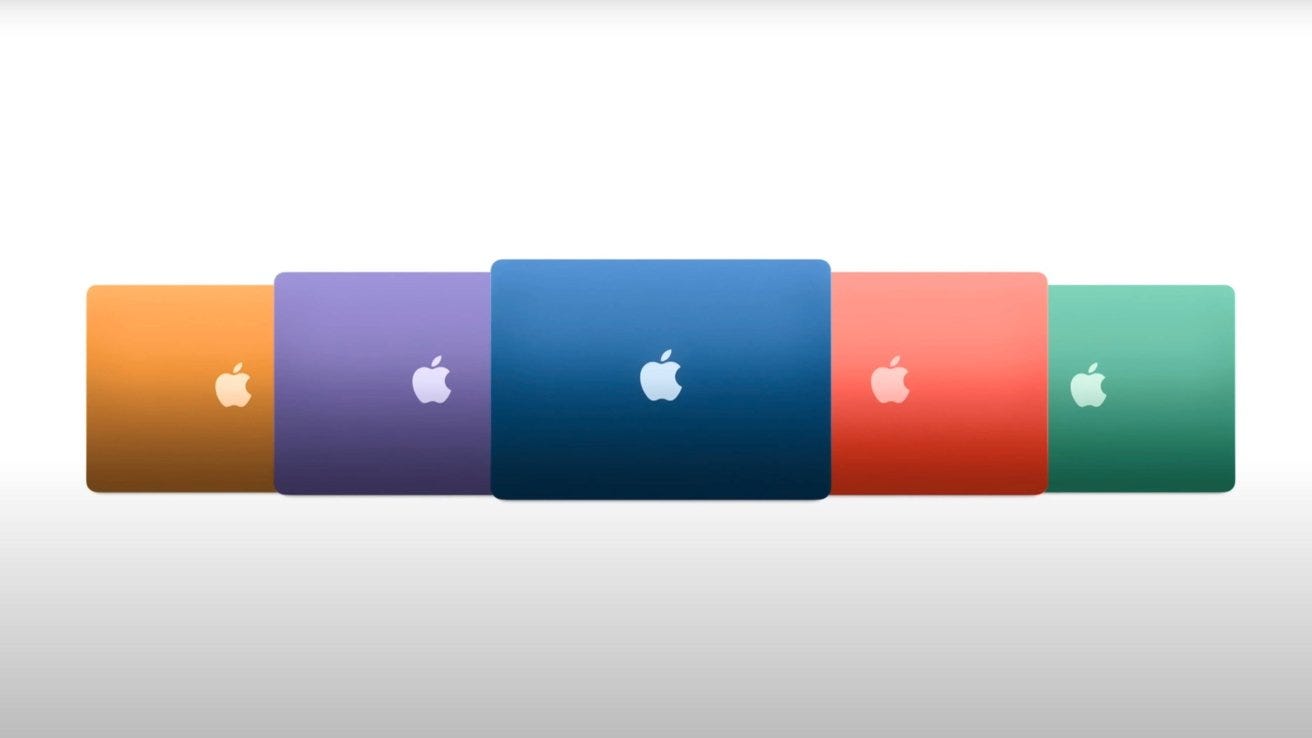
The second avenue is where Apple is reportedly positioning itself, with a low-cost MacBook Neo powered by the brand’s A18 Pro SoC seen in the iPhone 16 Pro. This is, in theory, designed to go against the burgeoning refurbished and used market of five-year-old M1 MacBooks and, in turn, compete with devices such as more affordable laptops with Snapdragon X chips inside, making the proverbially cheaper end of the laptop market a more interesting battleground. After all, the words ‘affordable’ and ‘MacBook’ don’t go together all that often.
Qualcomm’s GM thinks it’s already won

As per Qualcomm’s Group GM, Alex Katouzian, he already sees Qualcomm pulling ahead of Apple’s low-cost MacBook Neo before the race has even begun. This is because Windows on Arm devices can reach across multiple price tiers with the large stack of chips Qualcomm has in its range, with the Snapdragon X and X Plus SoCs providing stronger performance than the A18 Pro. Moreover, it’s rumored that Apple will only have a four-channel memory configuration against the eight-channel on the Snapdragon X chips.
This is all dependent on the chip situation and whether the potentially lower cost of entry-level Snapdragon-powered laptops would be passed down to consumers. Assuming everything is as it should be, there isn’t necessarily any reason why those laptops couldn’t compete in the $400-$600 range, or where Apple was purportedly originally looking at pricing the A18 Pro-powered MacBook before the chip shortage.
Of course, things aren’t as they should be, hence why a ‘cheap’ laptop is a worse deal than it was just six months ago, and that doesn’t look to be letting up any time soon.
It’ll be interesting to see how Qualcomm will position the Snapdragon X chips with the looming threat of the low-cost MacBook that may or may not be coming soon. It certainly seems like an exciting time for cheap laptops, which is exactly what we need in an age where the focus is always on the next cutting-edge ultrabook. All hail the affordable.
Up next: Qualcomm’s Snapdragon Wear Elite is the biggest smartwatch chip upgrade in 3 years
Reece Bithrey is a journalist with bylines for Trusted Reviews, Digital Foundry, PC Gamer, TechRadar and more. He also has his own blog, UNTITLED, and graduated from the University of Leeds with a degree in International History and Politics in 2023.