


Review score: 4/5

✅ Pros
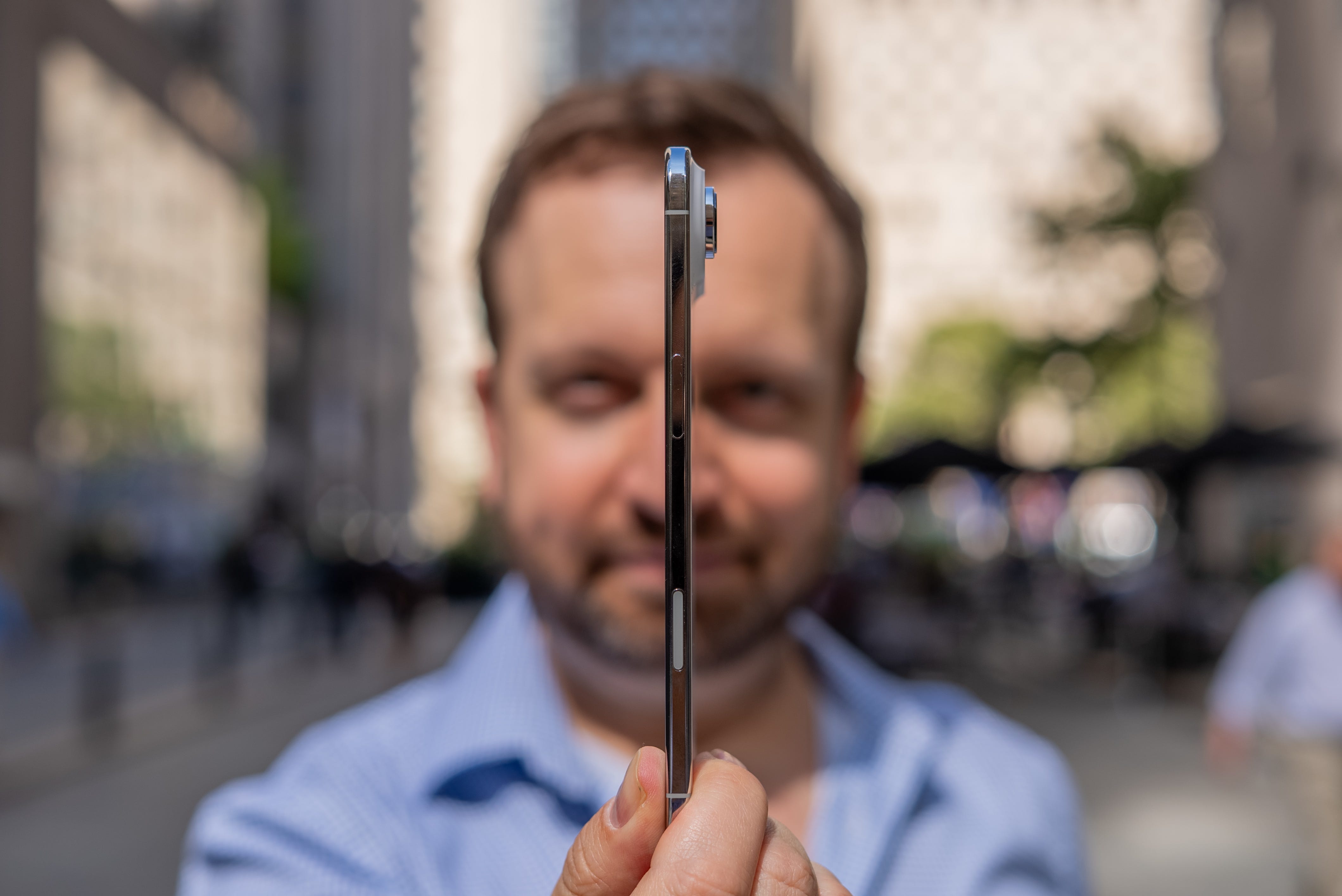
📐 Incredibly thin at 5.6mm, making it the thinnest iPhone ever made
🪶 At just 165g, this 6.5-inch iPhone is lighter than the 6.1-inch iPhone 16e
🪨 Titanium frame feels rock solid, holding up to extreme bend tests
🪟 Ceramic Shield 2 protects your display from scratches 3x better
📺 Perfectly-sized 6.5-inch ProMotion display with 3,000 nits of brightness
🗄️ Its 256GB base storage replaces the iPhone 16 Plus at no extra cost
👋 Dual Capture is a fun way to record with front and back cameras
🤳 Upgraded 18MP Center Stage selfie camera allows for wider group photos
❌ Cons
🔭 Single rear camera means no ultrawide or telephoto
🪫 Without the Air MagSafe battery add-on, power users may struggle
🔊 Only one speaker means stereo audiophiles should go Pro
🌈 Muted iPhone Air colors don’t match ‘the fun phone’ vibes
The Shortcut Review
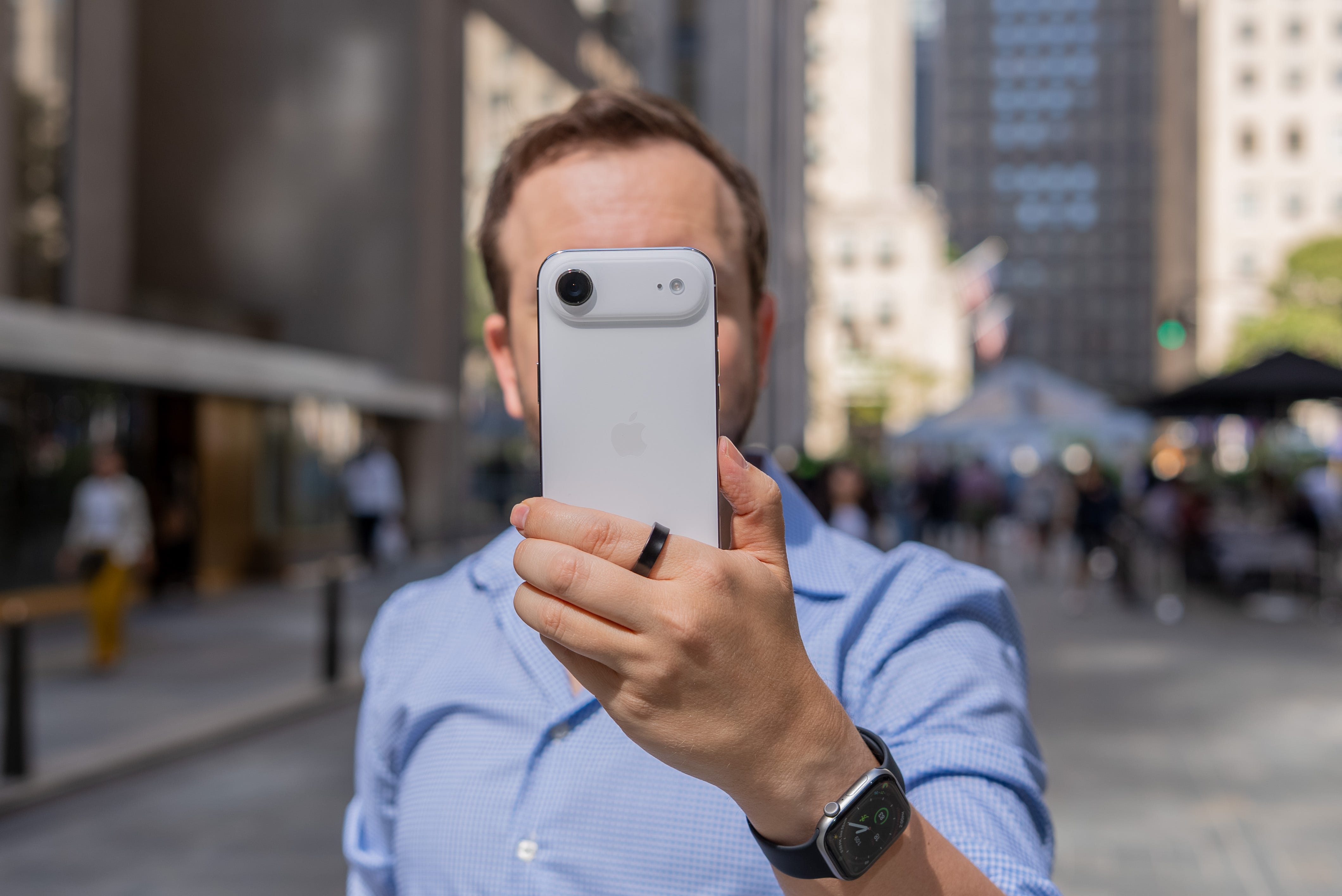
It’s been difficult to review the iPhone Air over the last two weeks because every time I took it outside, it felt like everyone in New York City wanted to stop me, ask me a ton of questions, and, in almost all cases, hold the new iPhone. Their script went exactly like this:
“Is that the iPhone Air?”
“Is it good? Is the camera OK? How’s the battery life?”
And of course: “Can I hold it?! Just for a second?”
Apple’s ultra-thin iPhone Air has been the most popular smartphone I’ve tested in public since I reviewed the Samsung Galaxy Z Fold 1 for TechRadar. For context, we just published our Galaxy Z Fold 7 review, so it’s been a while since I had gawkers (I say that with kindness).
It’s the chicest iPhone that Apple has ever created. Instead of chasing more power or adding another camera, Apple subtracted: the thickness, the weight, and – brace yourselves, fellow power users – some of the battery. It lasted a full day with normal use, but when I taxed the 3,149mAh battery, I had to opt for the iPhone Air MagSafe battery.
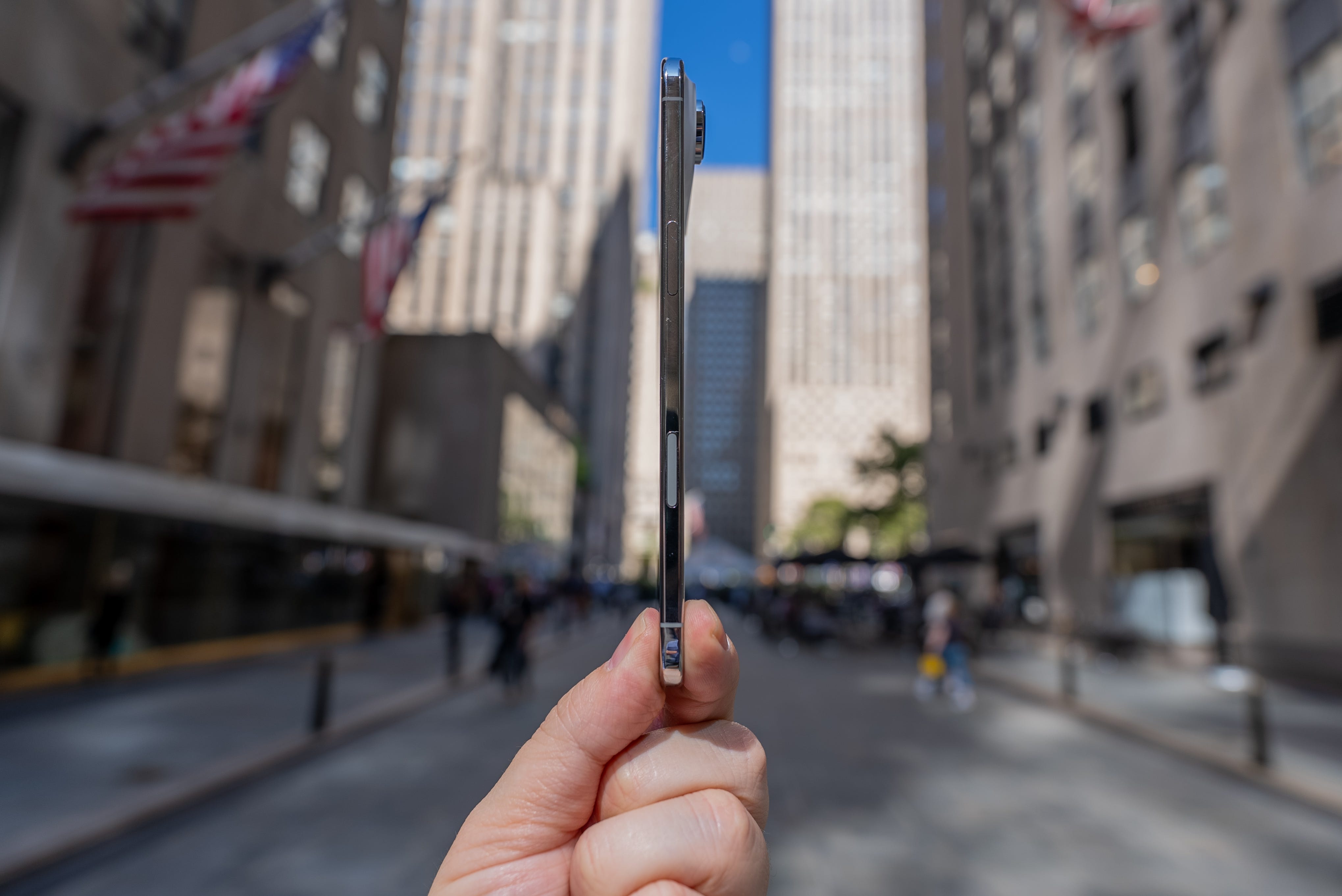
At 5.6mm thin and 165g, it’s 23% thinner than the iPhone 17 Pro Max that I’m also reviewing. I could feel the difference as soon as I picked up the Air two weeks ago. It’s almost like a prop version of an iPhone until you realize it has the same A19 chip and 48MP main camera, as seen in our iPhone 17 review, along with an ideally sized 6.5-inch 120Hz ProMotion display.
The iPhone Air is a design statement phone first, but it doesn’t compromise as much as I feared, unlike the almost equally thin Samsung Galaxy S25 Edge. Hopefully, this iPhone 17 Air answers all the questions I’ve gotten online from Substack users and in person.
Review notes
Design
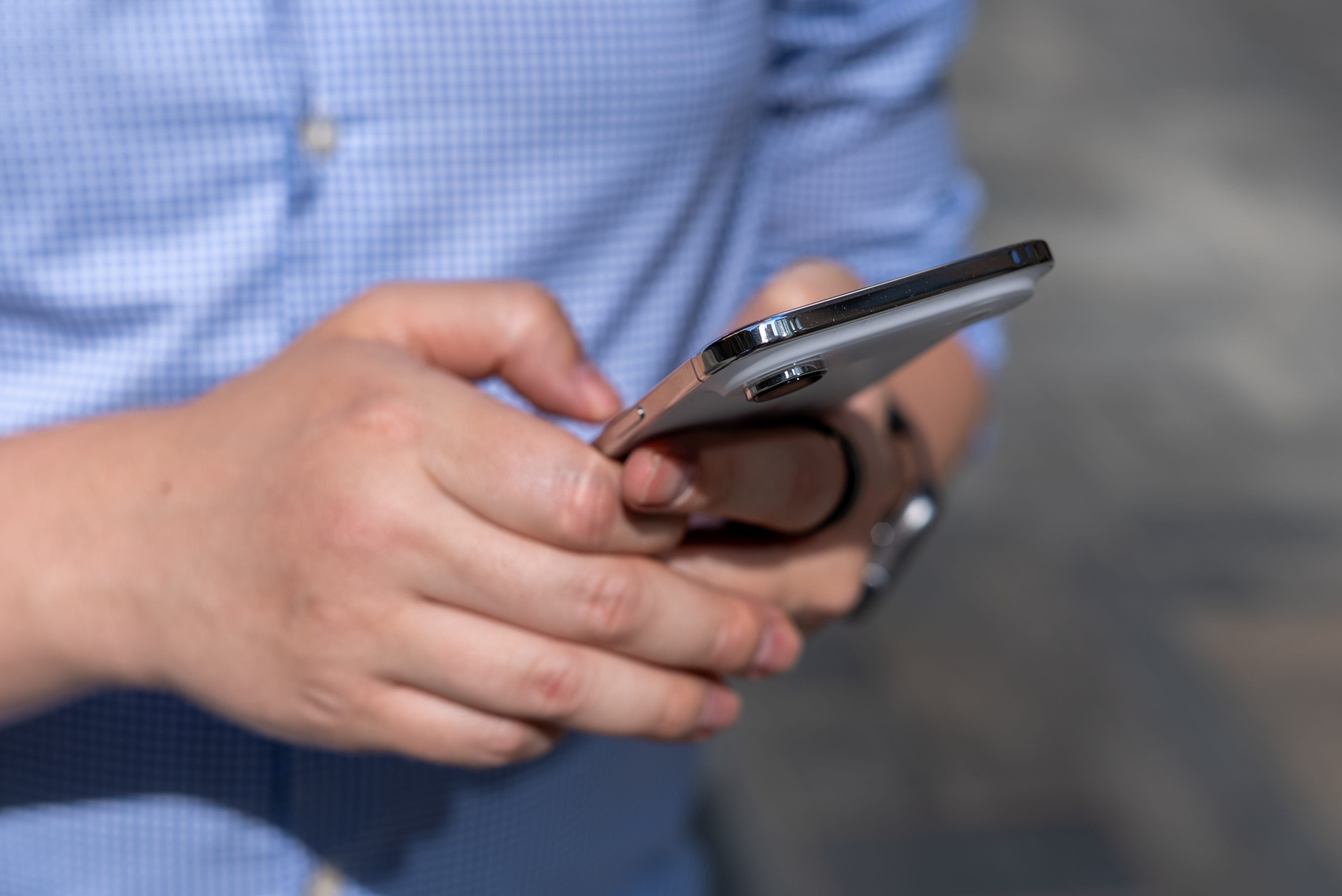
📐 So thin it’s easy to hold. Compared to other 6.5-inch smartphones I’ve reviewed in the past, I’ve found it easier to palm the iPhone Air due to its 5.6 mm frame. It’s more than just a cosmetic “wow” factor at play. There is a camera bump, but I say, give me the best camera you can in this form factor and make it easy to hold. Apple accomplished this mission.
🧱➡️🪶 From brick to feather. This is the opposite of the brick-in-your-pocket feel of a Max-level smartphone, making it a tempting upgrade for all those iPhone 13 mini diehards. It’s just wonderful to hold.
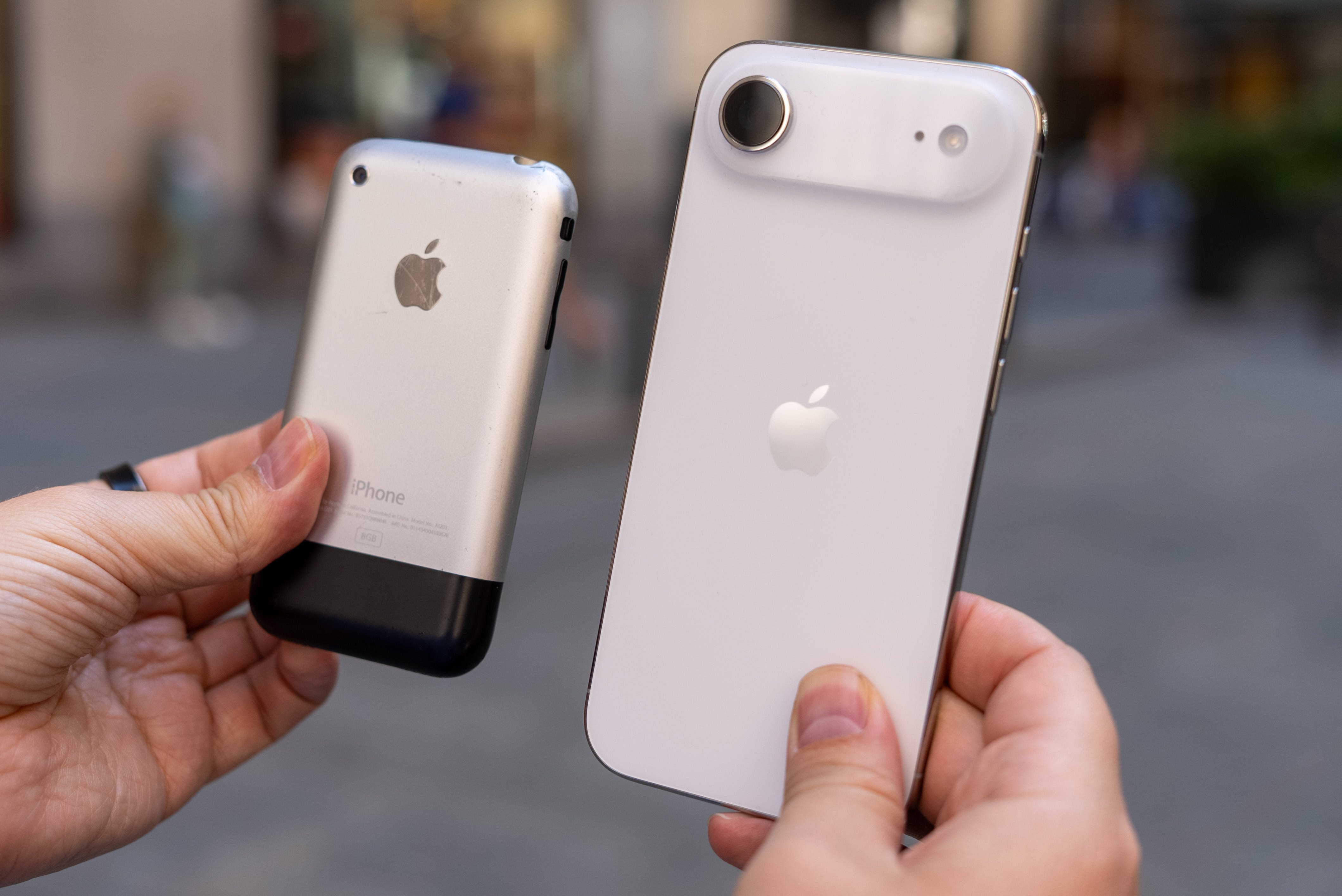
🔮 Fortune favors the Fold. It feels like a prelude to the iPhone Fold, Apple’s rumored rival to the Galaxy Z Fold 7 and Pixel 9 Pro. I enjoy reviewing those phones (and foldables are a big traffic driver for us), but it’s the same story every year: they all lack iMessage, FaceTime, and Mac Continuity features. So, Apple fans, my advice is to wait. Has the iPhone Air forced Apple to miniaturize its components? My Magic 8 Ball says, “All signs point to yes.”
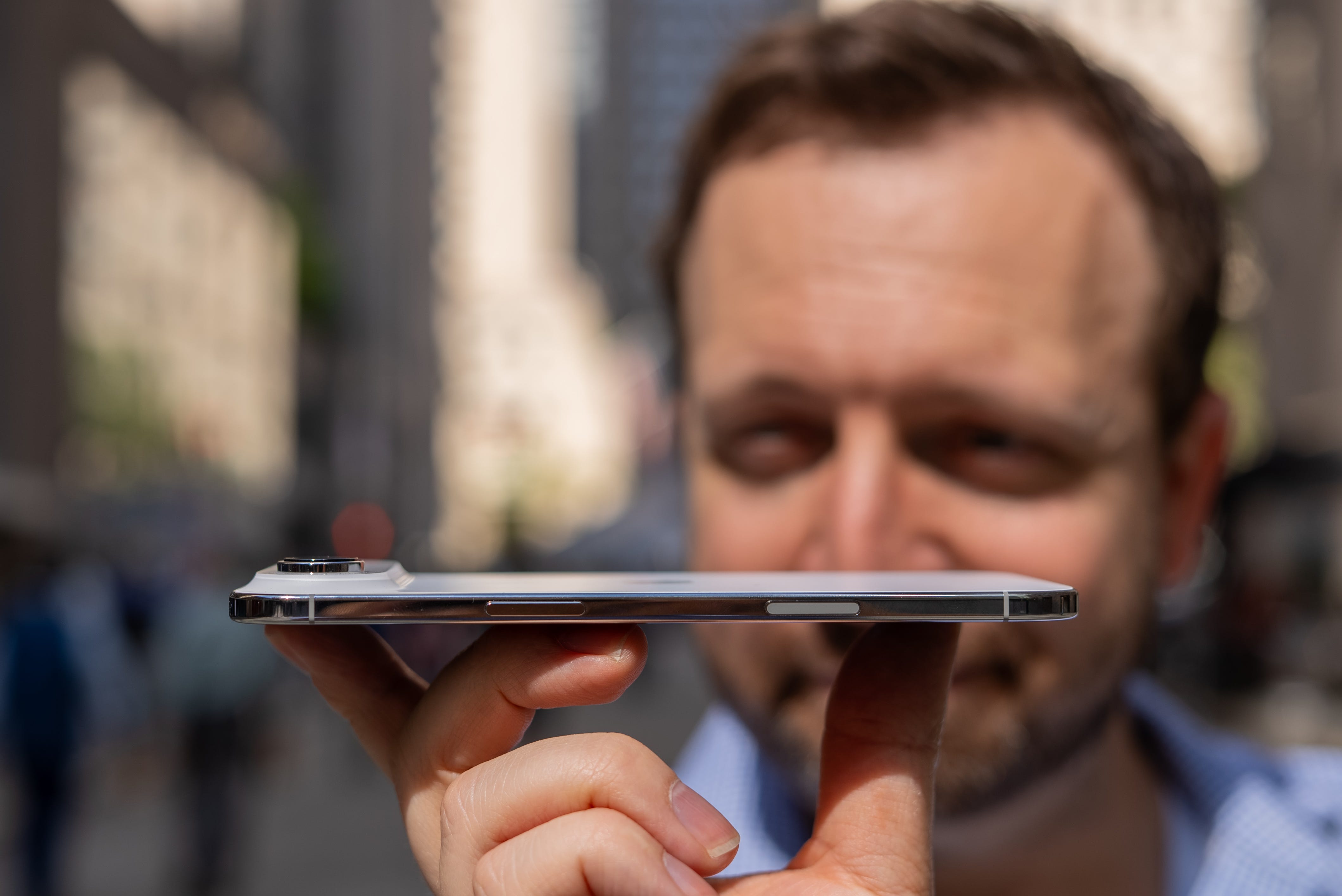
🪨 ‘i’ am Titaniummmm. Fire away, fire away, bend and drop testers. The iPhone Air retains the titanium frame, while the rest of the iPhone 17 series switched over to an aluminum alloy frame. It feels like this is necessary for its ultra-thin size, and according to every bend test and drop test out there, it won’t bend in your back pocket.
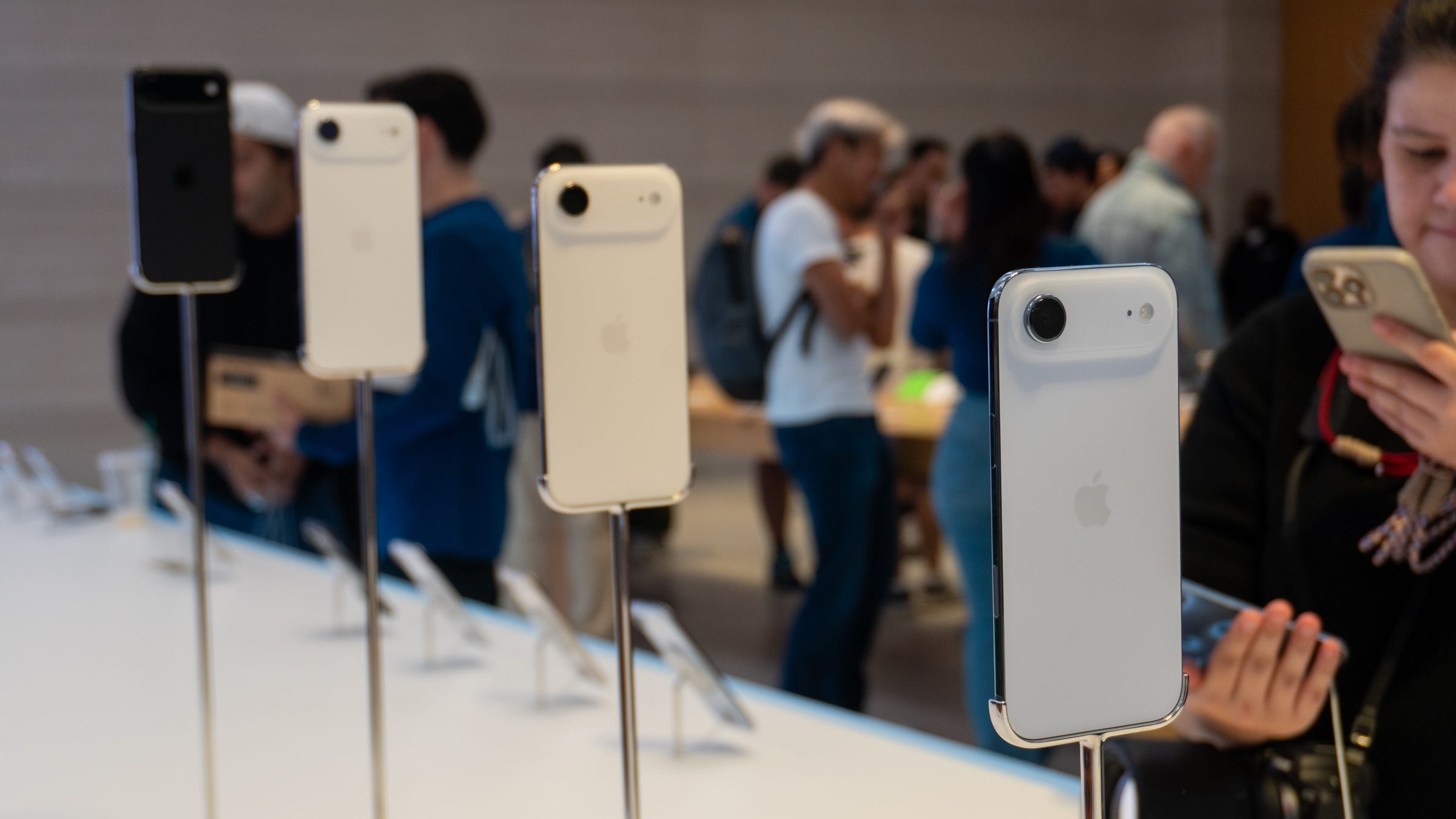
🎨 Lacks fun colors. Apple offers four rather muted iPhone Air colors, which may be a side effect of sticking with titanium (Samsung S25 Ultra suffers from the same issue). So while the iPhone Air is the fun iPhone, I think the iPhone Pro steals the show with Cosmic Orange.
🩵 Sky Blue
💛 Light Gold
☁️ Cloud White
🌌 Space Black
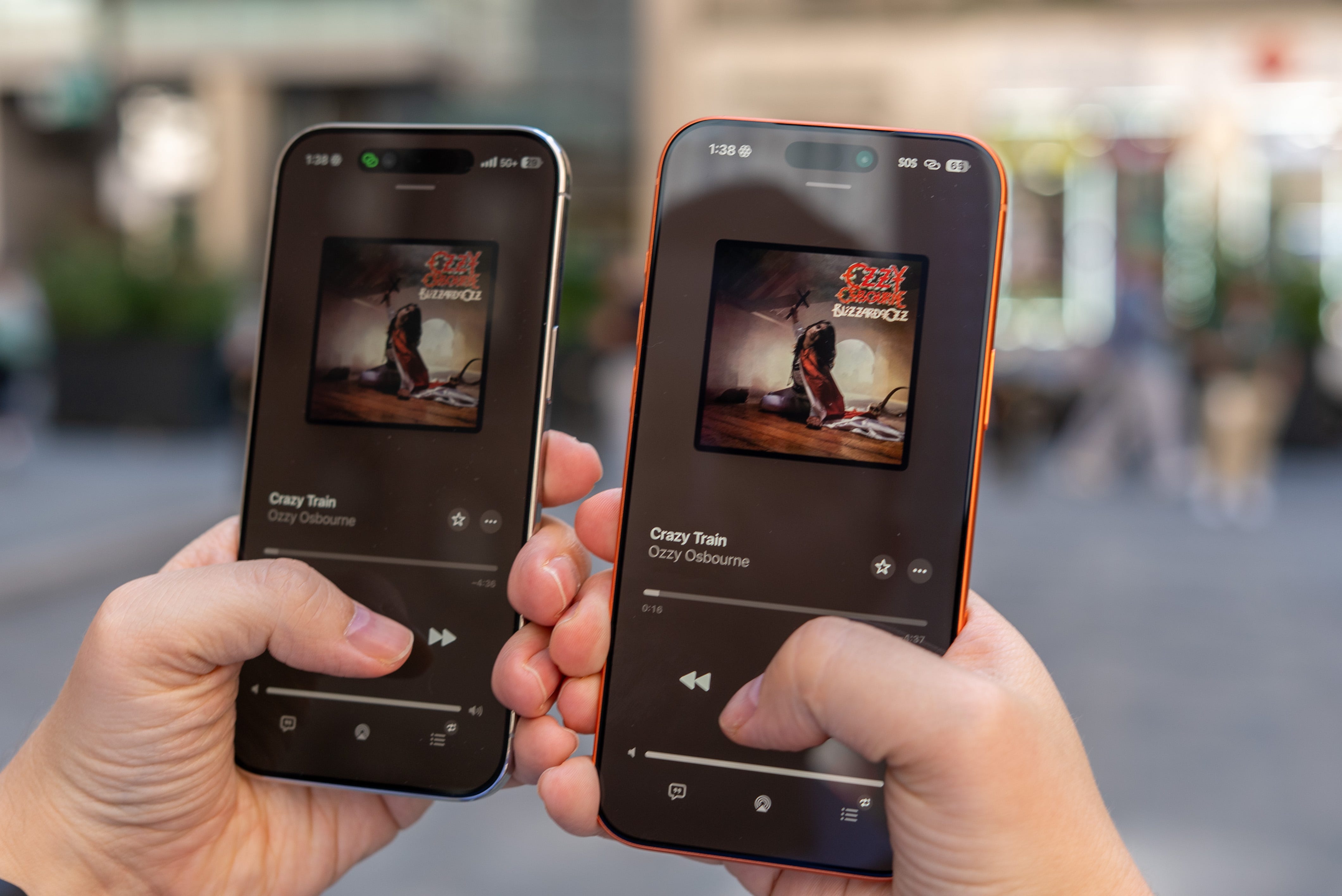
🪟 Harder to scratch. Ceramic Shield 2 is the unsung upgrade of this iPhone generation. It’s 3x more scratch-resistant than the iPhone 16 Pro, meaning keys and coins are a lot less likely to ding your front glass. At the end of my 12 months with each prior iPhone, I have noticed scratches (in certain light) due to my bad habit of shoving multiple phones in my pocket for quick camera comparison tests. So far, the iPhone Air remains pristine.
📺 Trio of screen specs. All four iPhones in 2025 feature Apple’s 120Hz ProMotion for the first time. The 6.5-inch screen size feels just right compared to the 6.7-inch iPhone Plus, and the peak brightness has been amped up to 3,000 nits (from 2,000), clutch for outdoor use.


👜 I dig the Crossbody Stap. Wearing Apple’s adjustable Crossbody Strap ($59) is a look. You’re either super chic (how I think I look) or exude tourist vibes (how I actually look). Other reviewers pull it off better. Regardless, I found hands-free use of my iPhone Air beneficial, especially on a Citi Bike. I loved being able to easily check directions or snap a quick photo without having to pull a 6.5-inch iPhone from my too-tight jeans pocket (another vibe).
Battery
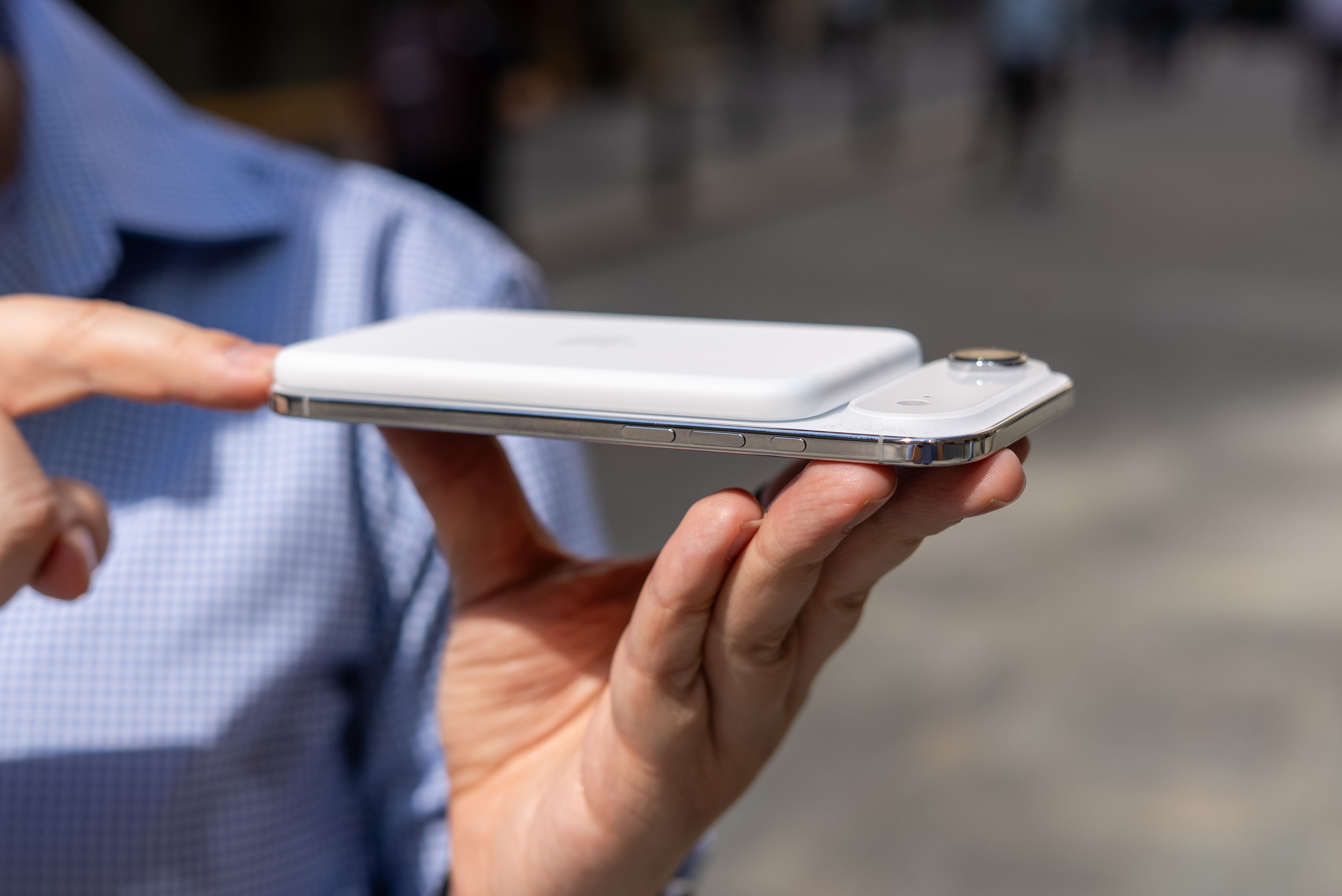
🔋 Battery verdict. Not as bad as I feared, but not enough for power users. That’s how I’ve been summing up my two weeks with the 3,149mAh iPhone Air (it’s been your top question). Kevin could get through a long day with 20% battery left during our iPhone 17 review testing, but by bedtime, the iPhone Air needed a recharge to stay alive by the next morning.
⚡ MagSafe battery makes sense. Apple’s official iPhone Air battery serves a purpose, even if it seems self-defeating. On a travel day, I used it to charge my phone during a long flight, left the add-on battery to charge in my hotel room, and toured around with 100% battery life.
🤔 But there are battery alternatives. If you dislike the fact that Apple’s official MagSafe Battery is only compatible with the iPhone Air and doesn’t have a physical power meter, see ourbest iPhone 17 chargers guide for alternate options.
Internals & value
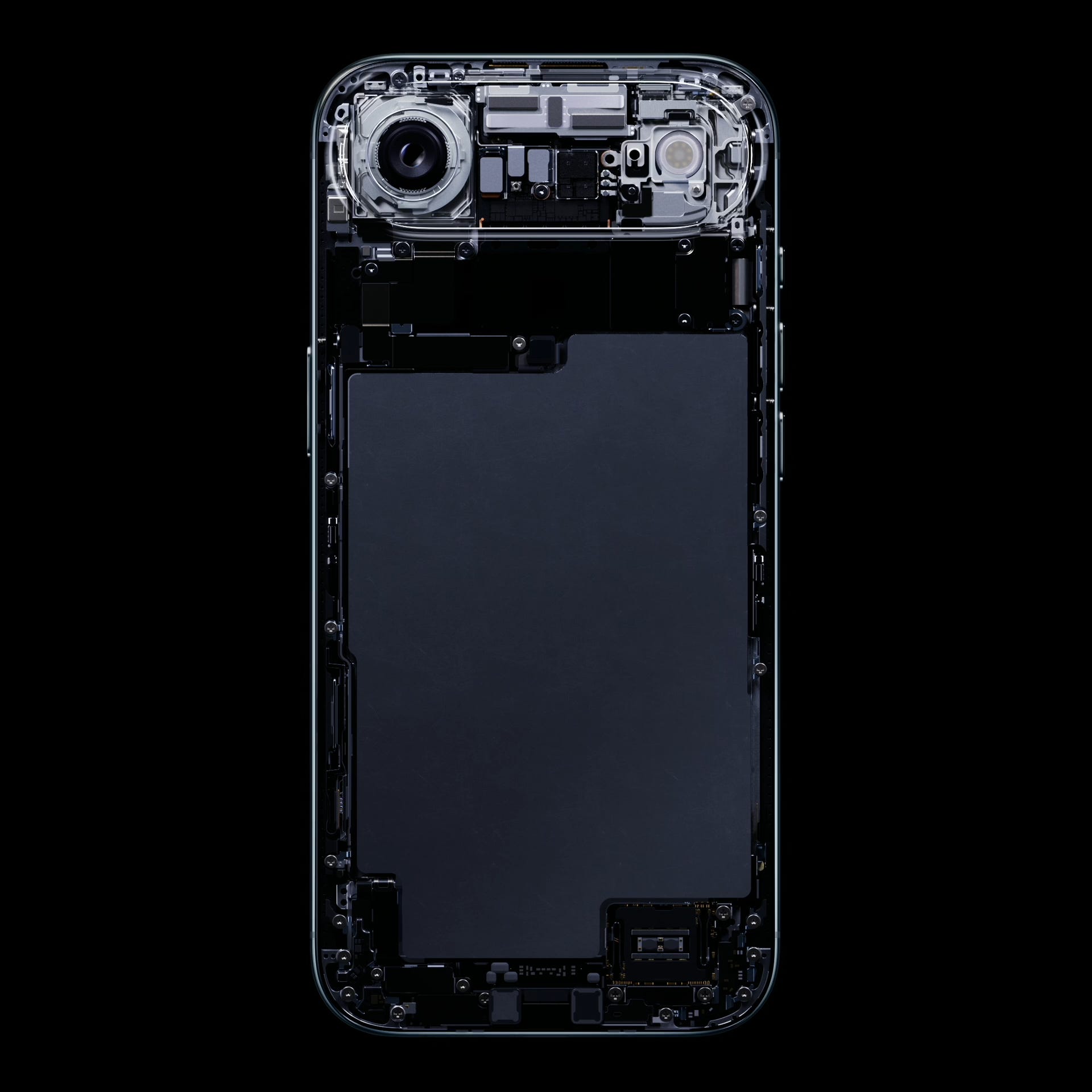
🐢 Transfer & charging speeds. File this under “places where the iPhone Air could have been faster.” Its USB 2 transfer speeds mean that USB 3, offering 2x faster transfer speeds, remains exclusive to the Pro models. The iPhone Air is also the only new iPhone model with MagSafe charging at 20W instead of 25W.
📶 C1X modem. Apple’s own 5G sub6 modem was plenty fast in most of my tests. At the start of my testing, it did sputter vs the iPhone 17 Pro Max (running on the same network in the middle of Rockefeller Center). This may be because the C1X doesn’t harness the speed boost of 5G mmWave, unlike the 17 and 17 Pro, which use Qualcomm’s Snapdragon X80 modem. The benefit is that the C1X is energy efficient and likely the future of Apple devices.
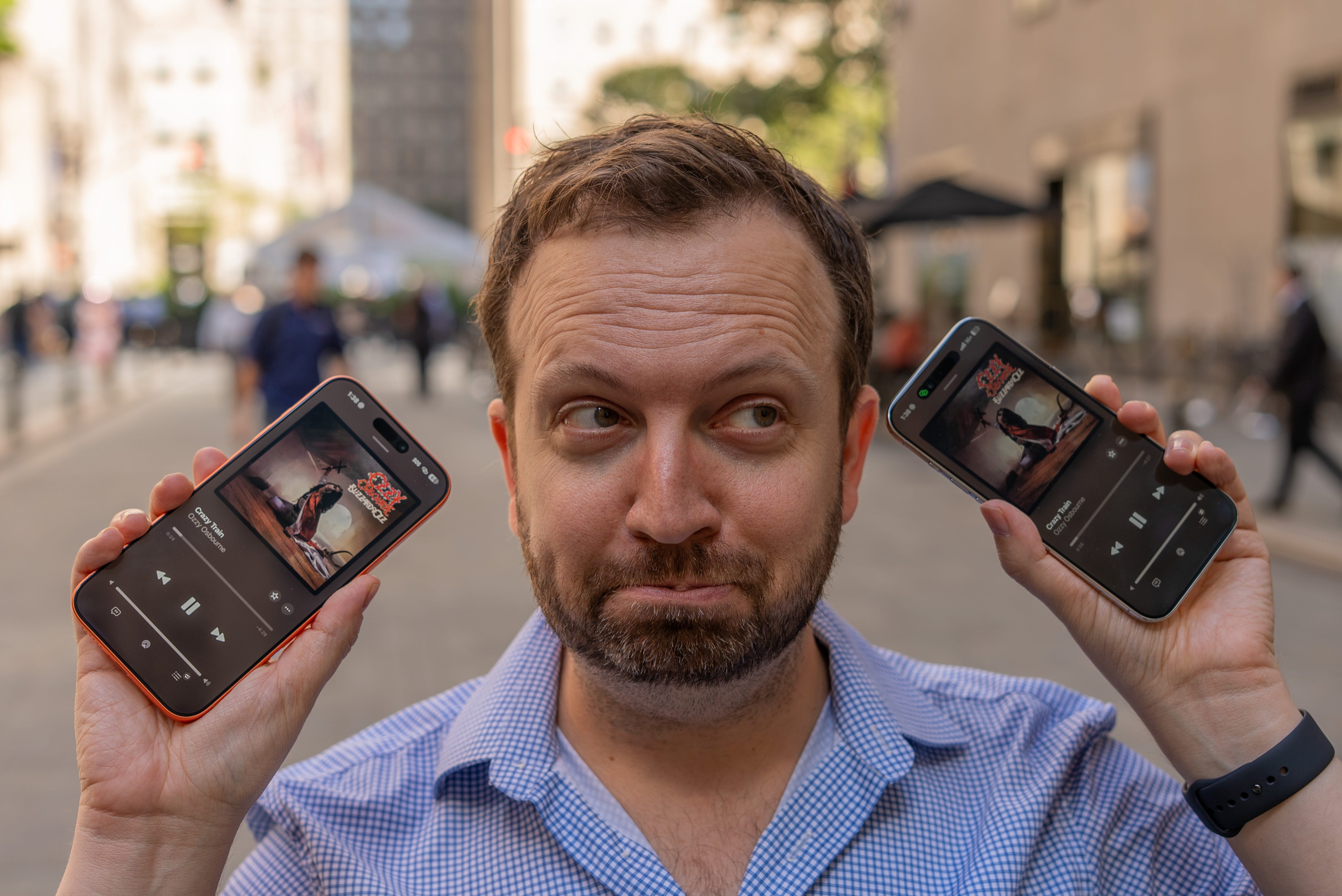
🔈 Grilling the speaker. I tested the iPhone Air’s single speaker against the stereo speakers of the iPhone 17 Pro Max, and the difference is noticeable. But it’s not going to be a big deal for anyone but audiophiles, who would probably want the Pro anyway. Not since the iPhone 6s in 2015 have we had an iPhone with a single top speaker – but, thankfully, Apple’s speaker tech has advanced significantly over the last decade, and the AirPods Pro 3 are a great remedy for playing music.
💰 Same price – kind of. The iPhone Air starts at $999, while the iPhone 16 Plus, which it’s replacing, starts at $899. But there’s no 128GB iPhone Air, so the 256GB iPhone Air and the 256GB iPhone 16 Plus are on equal footing. The iPhone 17 is still the best deal, but this isn’t as bad as some reviewers will make it out to be.
Cameras
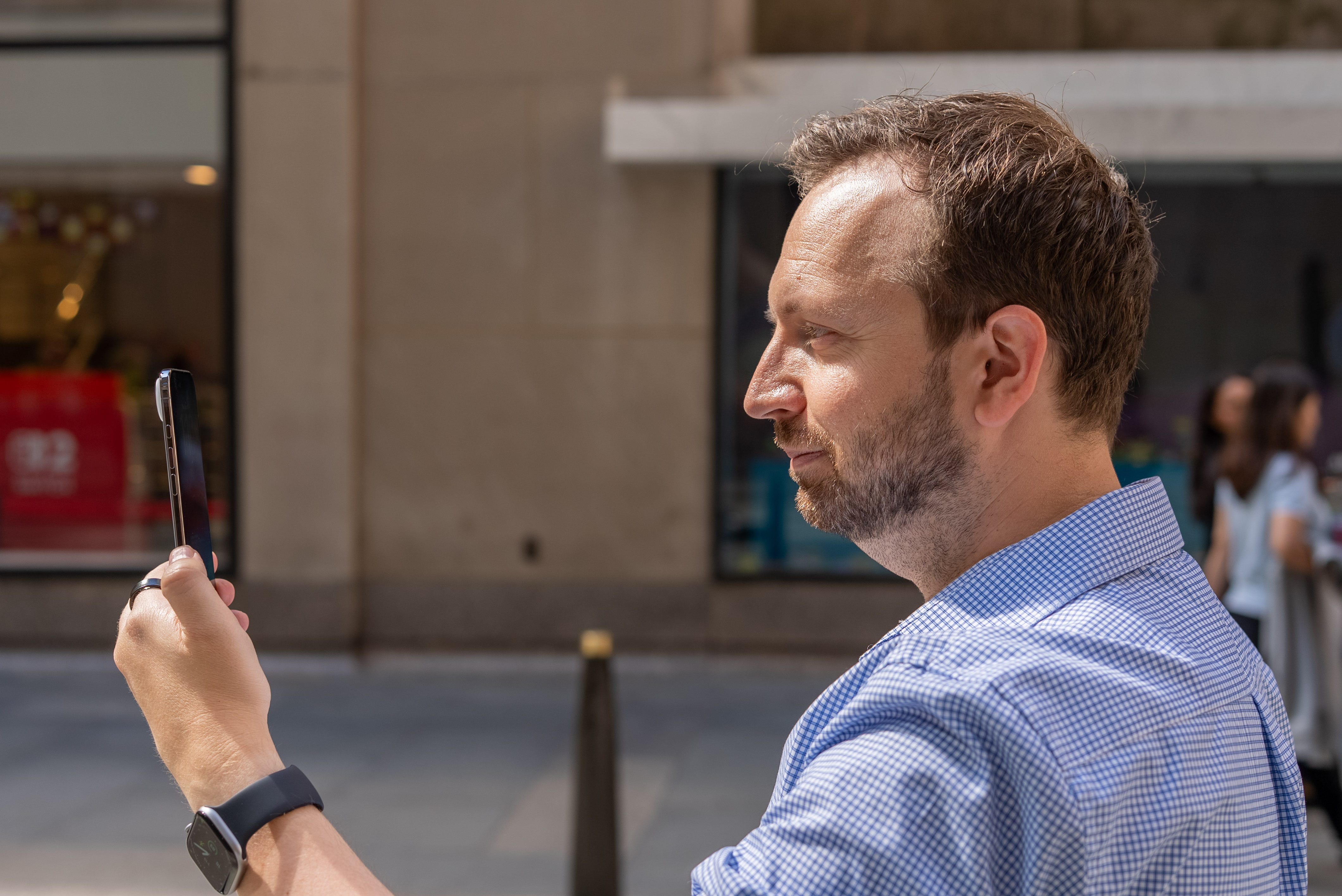
📸 Single rear camera. It’s hard not to like the photos and 4K video that come out of the iPhone Air, even if there’s only one 48MP Fusion camera. Apple’s Smart HD 5 has been pulling its weight since the iPhone 15 series for rich, finely detailed photos.
🔭 No telephoto or ultrawide. It lacks the versatility of the iPhone 17 Pro series, which offers an 8x optical zoom and ultrawide lens, and even the iPhone 17, which has the new ultrawide. Apple’s single lens does offer a 2x cropped zoom, though.
🫥 What else is MIA. Other things that are available on this year’s three other iPhone models:
Macro photography
Spatial photos
ProRAW photos and ProRes video
Second-gen sensor-shift optical image stabilization (it’s 1st gen)
Adaptive True Tone flash (just has True Tone flash)
Cinematic mode
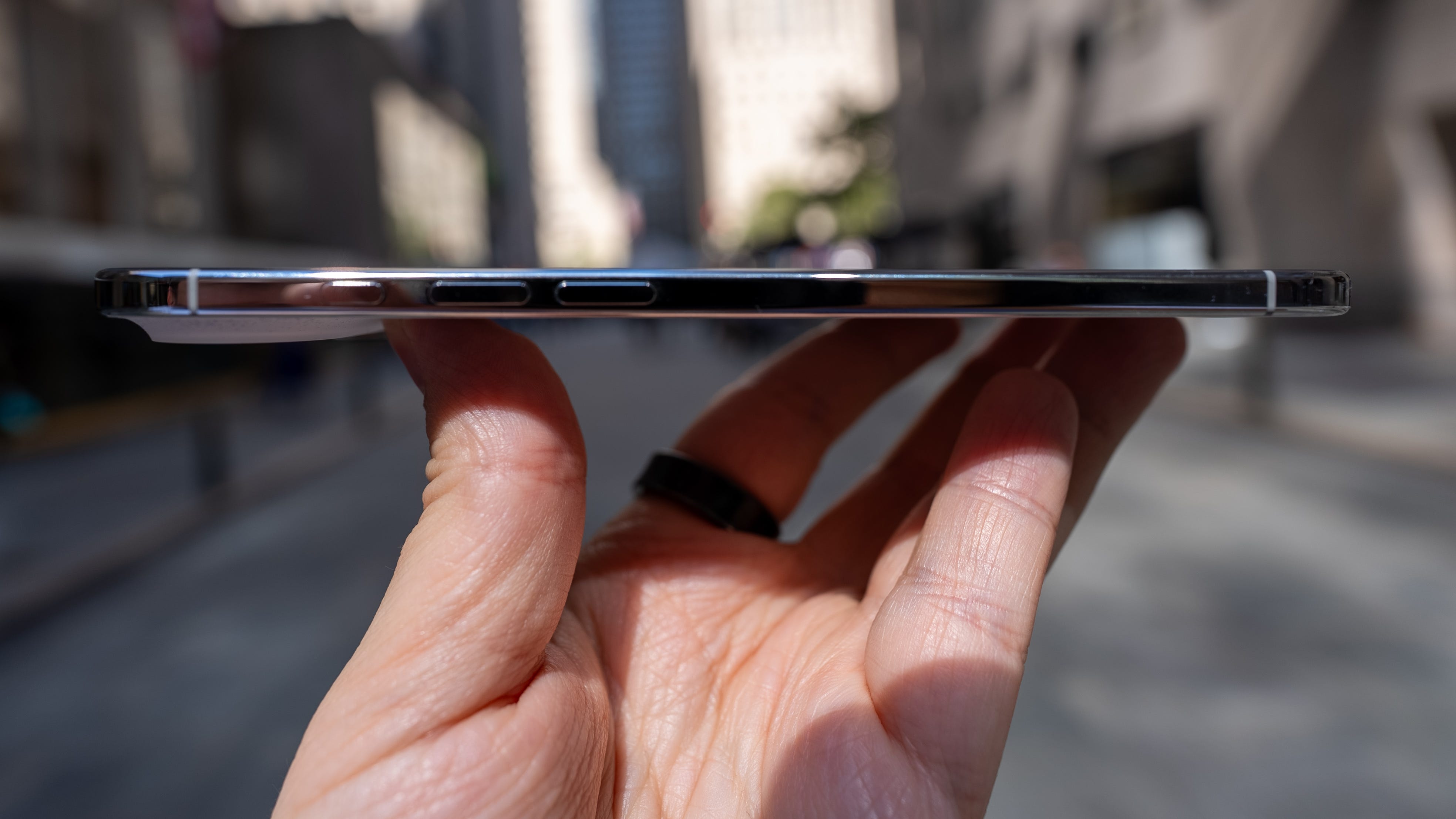
🤏 ‘Wow, the camera bump is almost gone.’ This was a real comment I got and proves that while a lot of people want the best camera possible (me), there’s some appreciation for the smaller camera bump of the iPhone Air.
🤳 18MP Center Stage selfies. This is a big upgrade over last year’s 12MP TrueDepth camera, and there’s a special new trick: you can capture wider group photos thanks to Apple’s new square-shaped sensor. No need to twist your hand to take selfies in that awkward landscape orientation. It can happen with the flip of a button or automatically.
👋 Dual Capture video. I liked testing this feature because it was a fun way to tell a story. I’ve long wanted to show what I’m seeing and narrate it in the default camera app. Some third-party apps have been able to do this for a while. I wish Apple could go further, as the postage-stamp-sized selfie is baked into the video, so editing the video to swap between the two cameras later isn’t possible.
Should you buy the iPhone Air?
✅ Yes, if…
🍎 You desire Apple’s slimmest and most stylish new iPhone in almost a decade
📐 You admire cutting-edge technology design and want something different
🔙 You own a scratched-up iPhone 15 or earlier and can really use Ceramic Shield 2
📸 You primarily use the main rear camera without using a telephoto or ultrawide lens
🤳 You’re tired of turning your wrist to switch between vertical/horizontal selfies
❌ No, if…
🪫 You’re a power user who wants the best camera and battery (get iPhone 17 Pro)
📆 You own an iPhone 16 series and want a foldable (wait for iPhone Fold)
🍊 You want a standout color like Cosmic Orange (get the iPhone 17 Pro)
Matt Swider is the Editor-in-Chief of The Shortcut, the #1 consumer tech publication on Substack. Matt, a trusted technology expert with over 25 years of journalism experience and the former US Editor-in-Chief of TechRadar, can be found on social media through X (Twitter), Instagram, Facebook, and TikTok.