


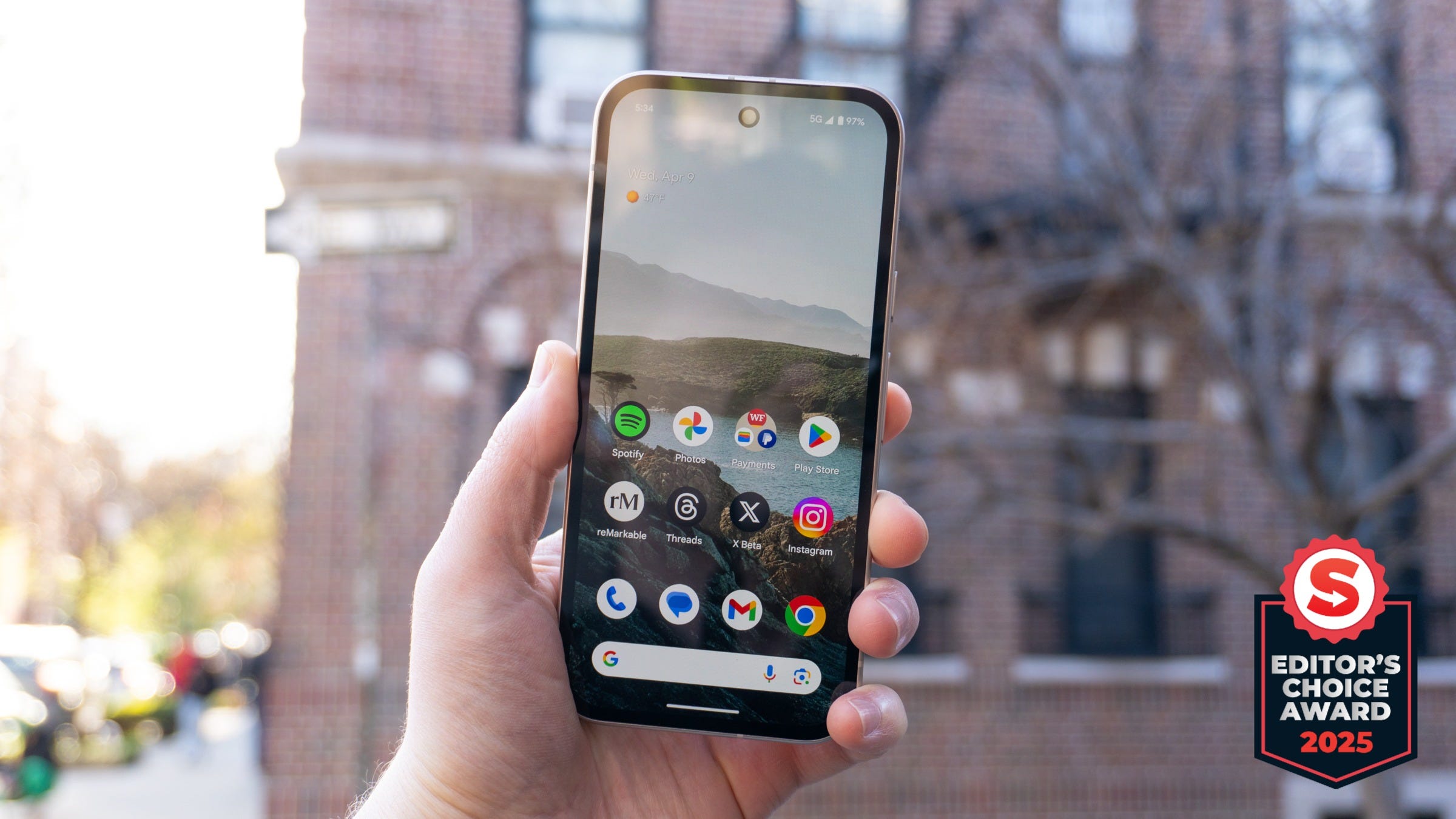
🏆 Review score: 4.5/5
✅ Pros
📱 OLED screen that gets really bright
🏎️ Tensor G4 delivers solid performance
📸 Reliable cameras with plenty of AI chops
🔋 All-day battery life
7️⃣ Seven years of software updates
❌ Cons
🐌 Charging speed is still slow
📐 Design is more generic this year
💾 Storage might not be enough for some people
The Shortcut review
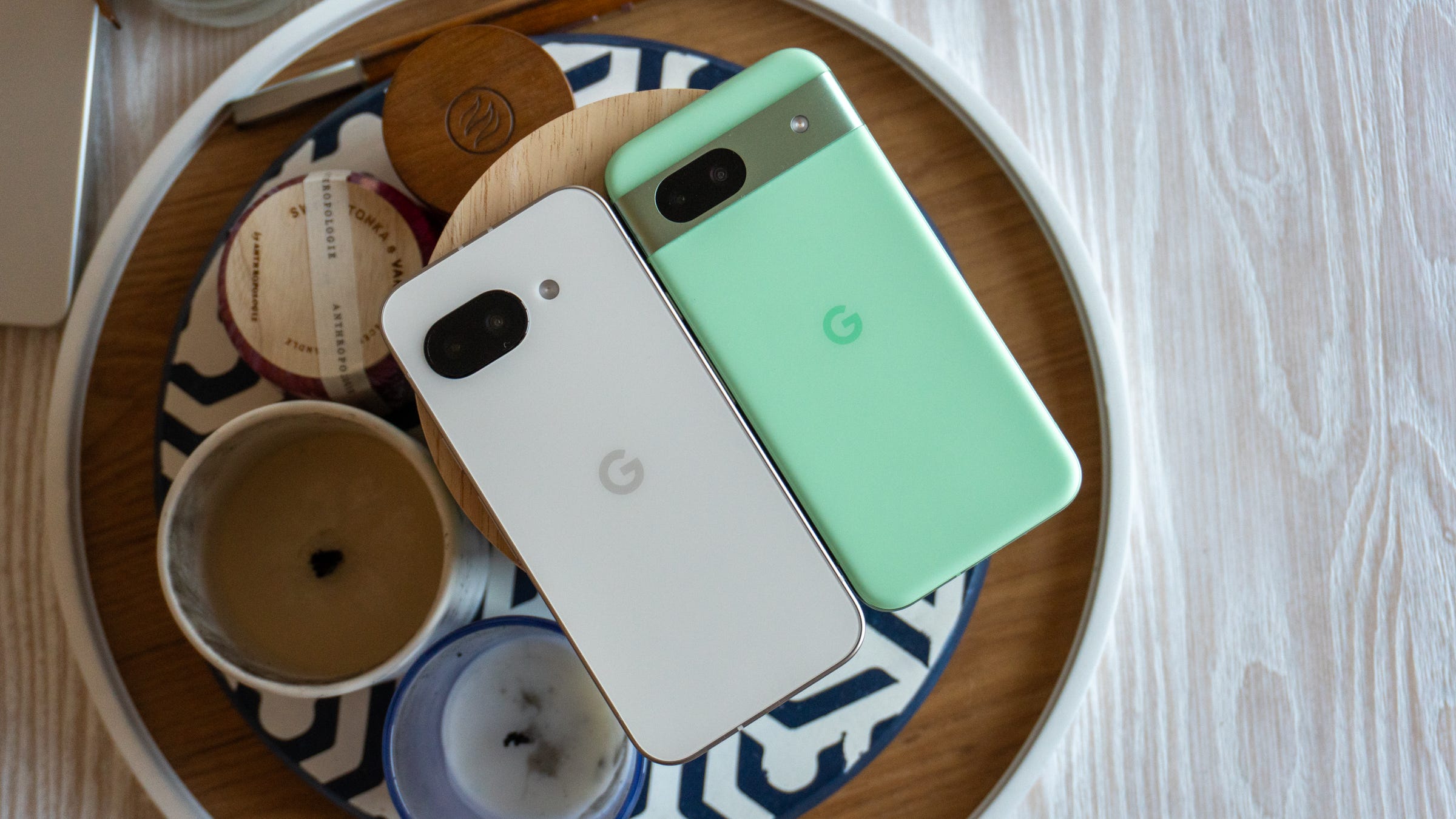
Last year, we called the Pixel 8a one of the best phones you could get for under $500, and the easiest way to get access to Google’s AI features. It was the AI phone to buy if you were shopping on a budget, and now, that honor goes to the Pixel 9a.
Google’s latest mid-range smartphone changes its wrapper with a new camera-bar-less design and it’s also a little faster. But on the inside, the Pixel 9a largely feels the same as the 8a when you’re using it. That’s not a bad thing since the 8a was already a great phone. On the other hand, there’s nothing here that helps the Pixel 9a stand out, other than the fact it’s a far better value than the $599 iPhone 16e.
If you have $500 to spend on your next phone and want the most bang for your buck, get the Pixel 9a. From the performance and cameras to the battery life and AI features, it packs a lot into the 6.1-inch design. I’ve used nothing in 2025 that can compare (at least so far).
Full review
Design
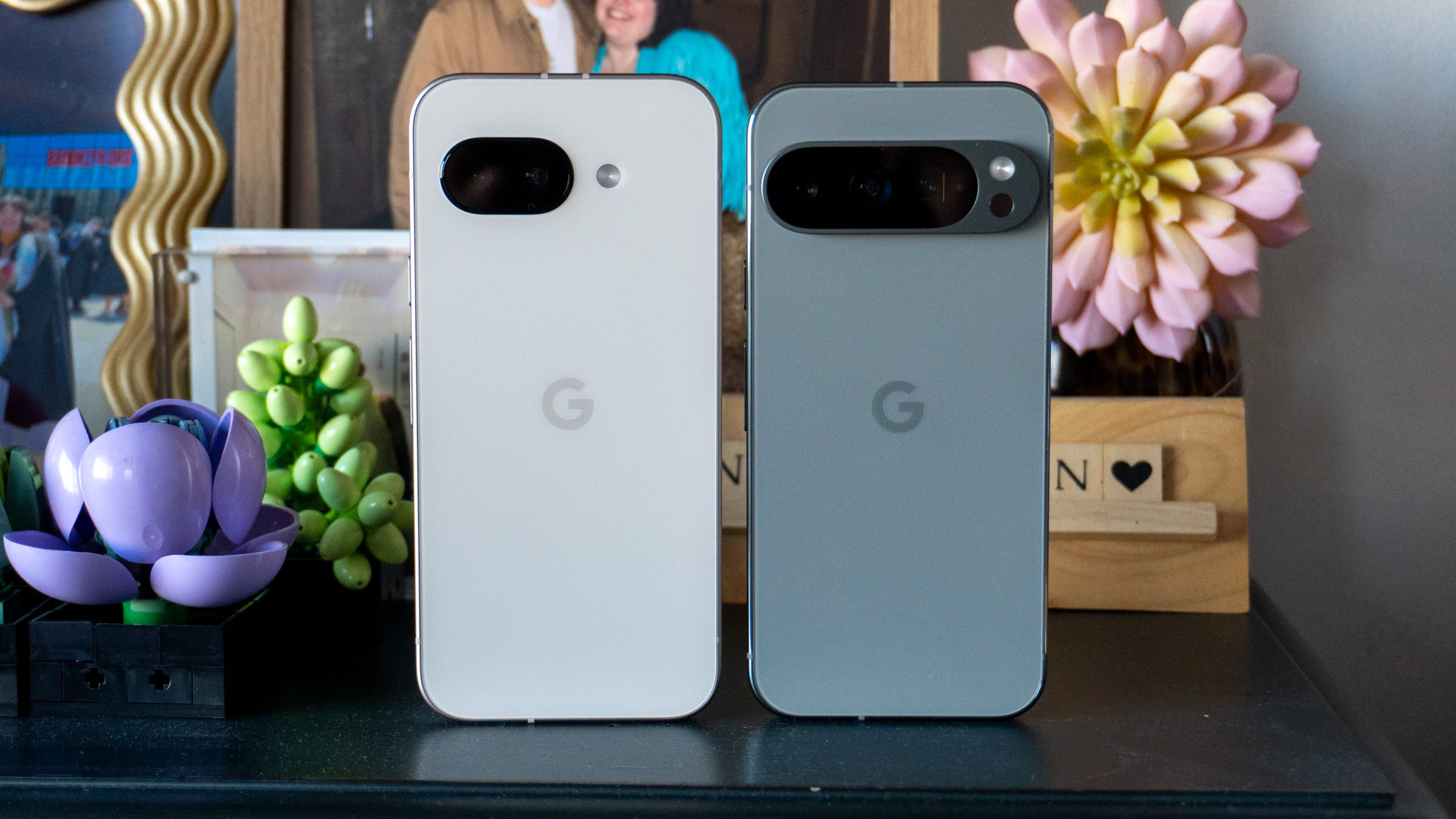
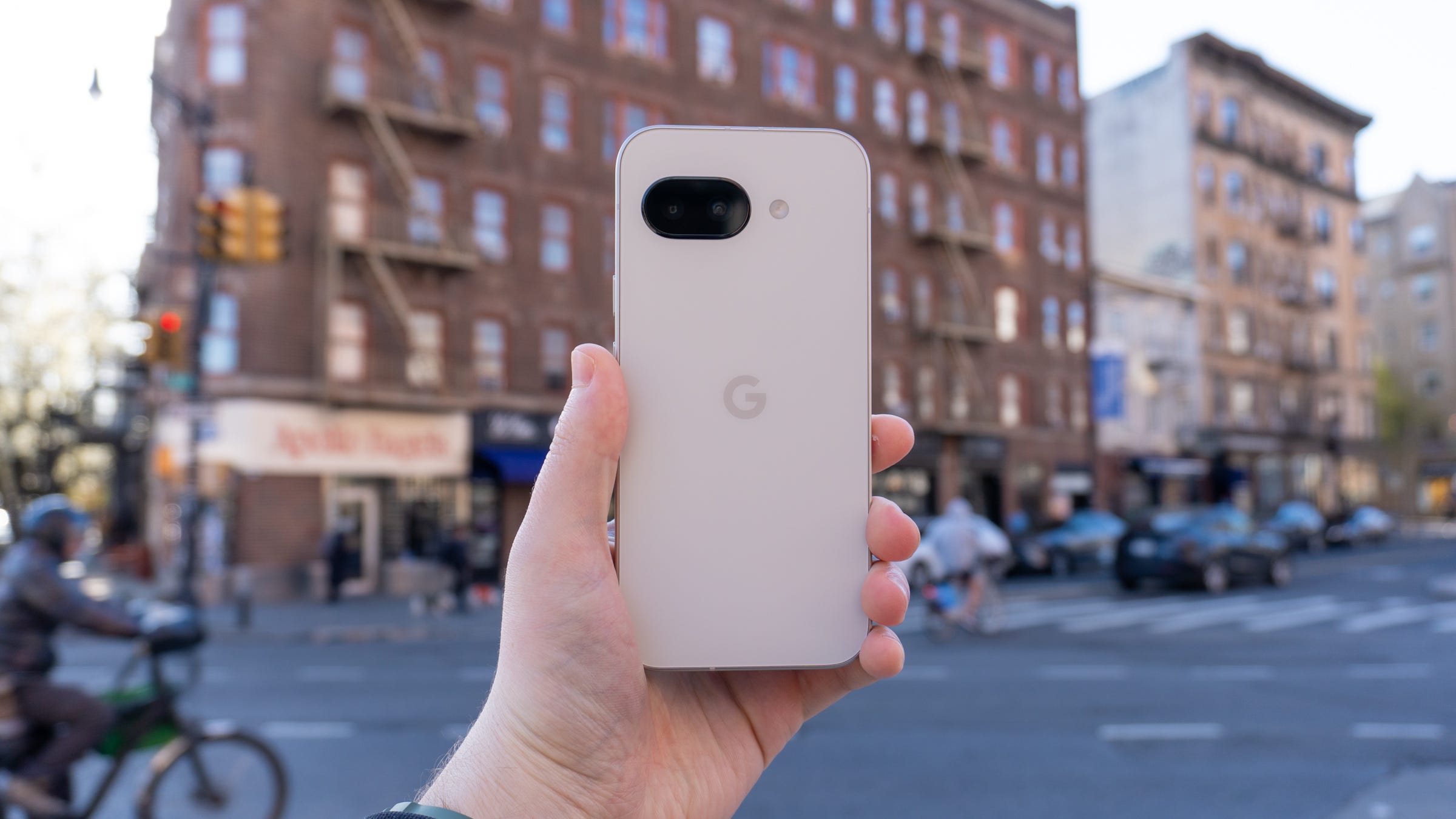
👋 Bye-bye, camera bar. This is the first Google Pixel smartphone not to ship with a camera bar since the Pixel 5 in 2020. Since then, every phone Google has shipped has come with a huge bump on the back, housing the cameras and LED flash. This time around, the cameras are flush with the Pixel 9a’s plastic back. And you know what? I’m not mad about it. Sure, it’s a lot more boring than the other members of the Pixel 9 series, but it’s also not jarring in the slightest. It’s the least jarring phone since the iPhone X and Samsung Galaxy S10 made camera bumps popular, which could appeal to those who want something that looks a bit normal.
🧈 Smooth aluminum. The entire phone feels smooth, thanks to the matte finish on the plastic back and the aluminum frame on the sides. Compared to my Pixel 9, it feels softer and less silky, which I consider an advantage since it’s easier to grip. Oddly enough, it reminds me a lot of the iPhone 16 and iPhone 16 Plus’ design, minus the iPhone’s glass backplate.
📐 A solid size. The inclusion of a 6.3-inch screen makes the Pixel 9a easy to use one-handed. You can reach all the way across it to type or reach an icon, and the display is still big enough to watch a movie on. It’s not exactly a small phone, but by today’s standards, it’s pretty compact.
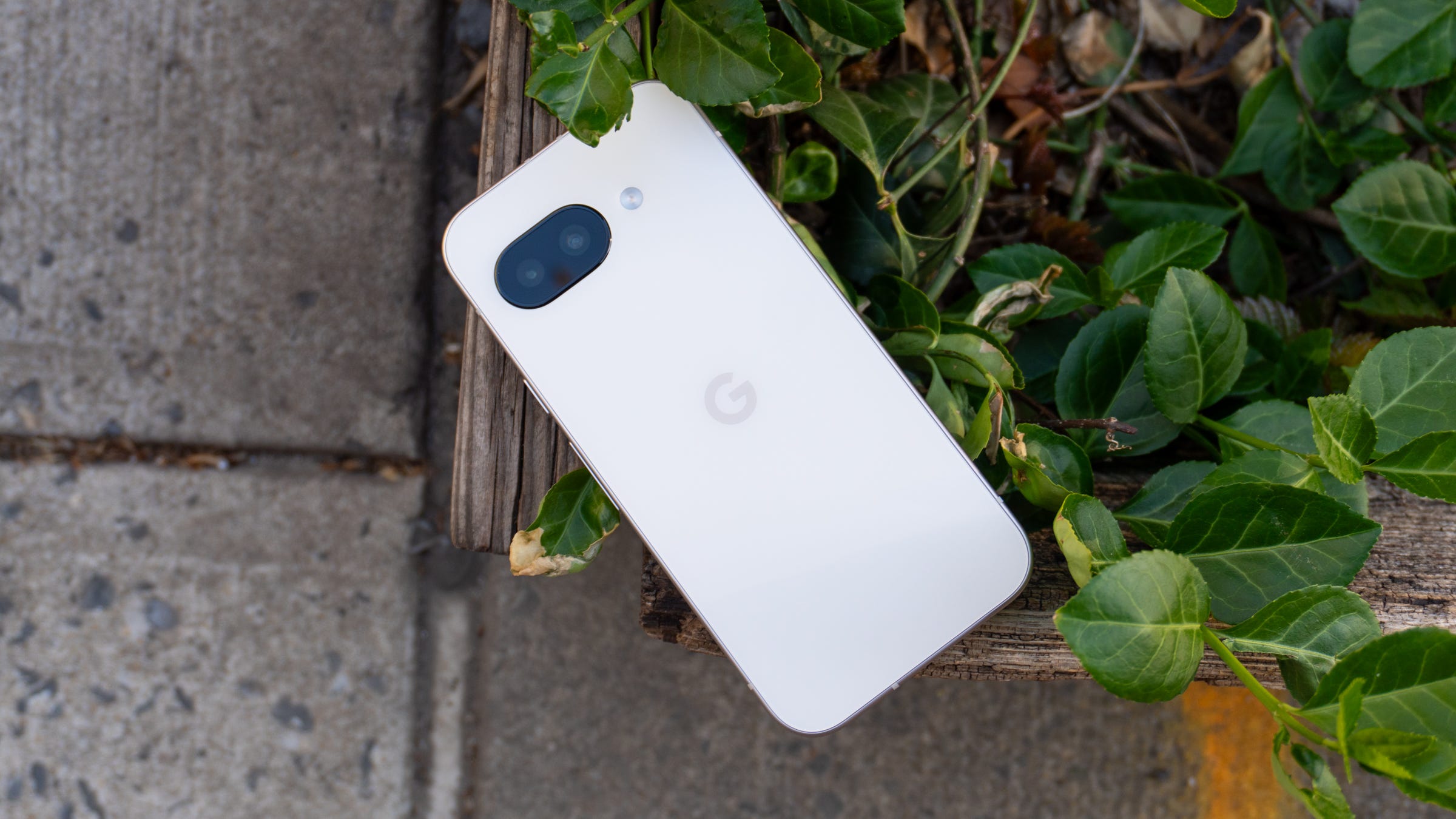
💦 Ready for water. The Pixel 9a is IP68 certified, so it’s safe against dirt and being submerged in water. It’s the same certification that the rest of the Pixel 9 devices (and most flagship phones) have, so you lose any durability if you opt for Google’s cheaper phone.
🌈 Decent color pallet. The color options for the 9a are pretty good. There’s Iris, a new light purple that comes off more saturated in person, and the Pixel 9’s Peony pink. You also have Obsidian (black) and Porcelain (white) to pick from. I asked for the Porcelain model for my review since the two other colors didn’t appeal to me, but they all look nice in real life and can add a pop of color to your daily fit.
Display
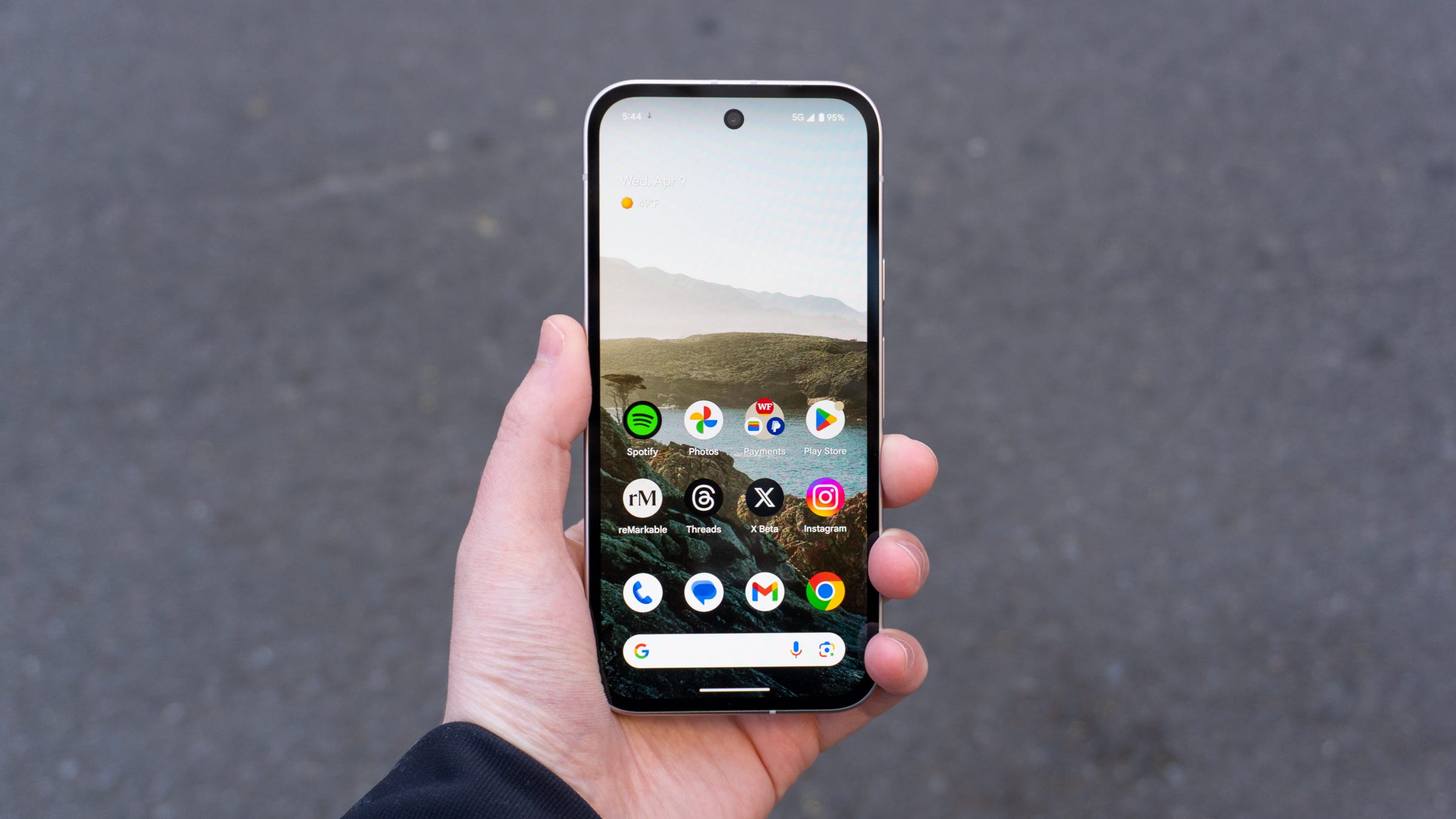
📺 Good quality, great refresh rate. The Pixel 9a comes with a 6.3-inch Actua display, the same screen found on the regular Pixel 9. It’s a good-looking OLED screen; Google packs in a Full HD+ resolution, a 120Hz refresh rate, and solid color reproduction. It includes an always-on display like every other Pixel phone (which also means Now Playing is still here), and it has a small hole-punch cutout at the top. The refresh rate is my personal favorite feature since it’s twice as fast as the iPhone 16e, making animations and scrolling look far smoother than on Apple’s device.
☀️ Super bright for $500. What you’ll probably find more helpful than the 120Hz refresh rate is the display’s brightness. The Pixel 9a can crank all the way up to 2,700 nits when in direct sunlight and playing HDR content. That’s more than double the iPhone 16e’s 1,200 nits of peak brightness, giving the 9a a ton of headroom whenever it’s bright outside. This’ll come in handy when the weather is warmer, and we’re all hitting the beach. I know I’ll appreciate this when I’m out on my kayak this summer.
Camera
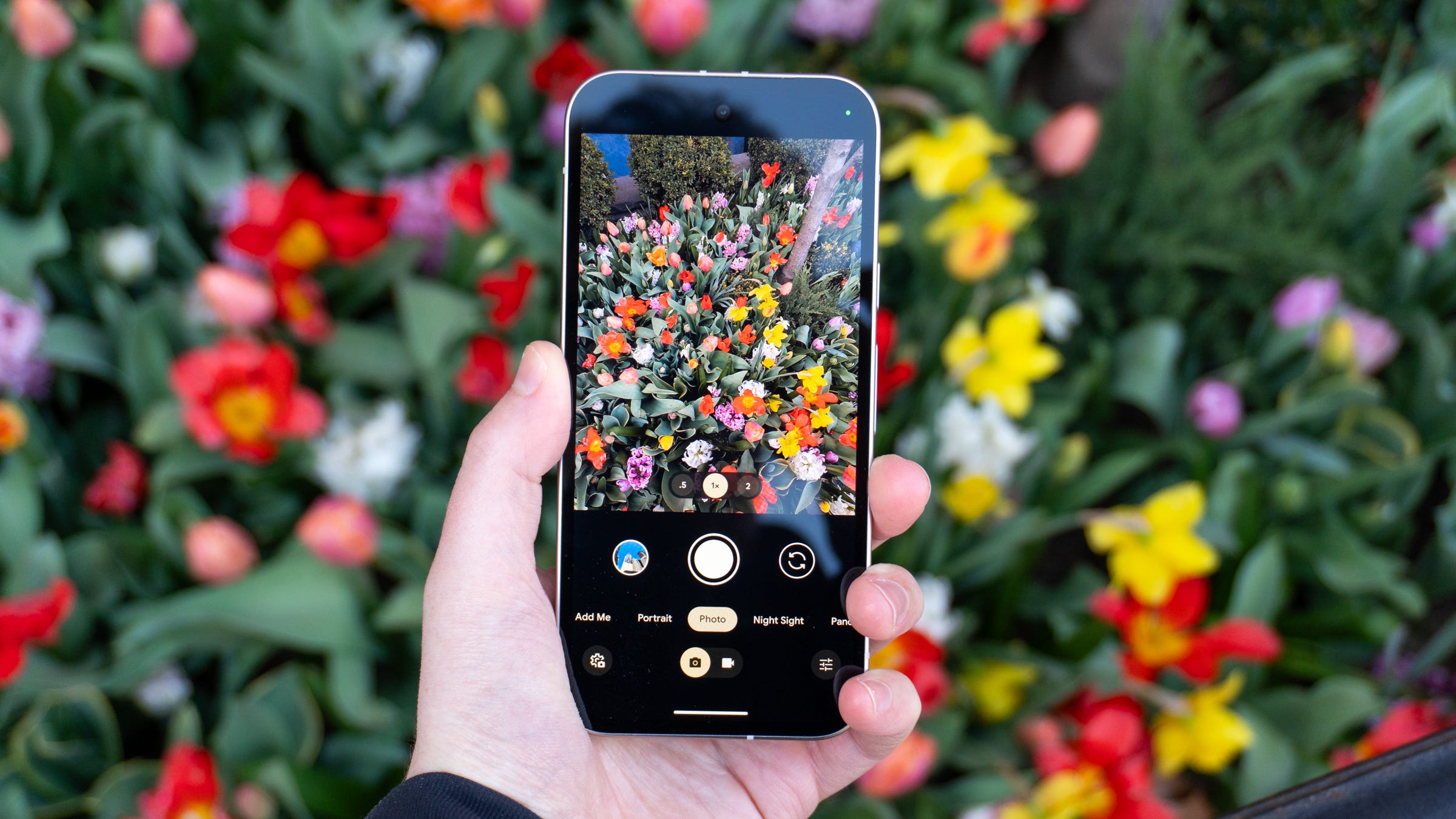
📸 Ideal mid-range shooters. The Pixel 9a’s camera system is similar to past Pixel A-series phones in that it delivers solid results for under $500. Compared to the iPhone 16e, they’re a lot more capable, and they produce better quality photos and videos than Samsung’s Galaxy A series phones.


📷 Main: The primary 48MP camera is about as capable as the Pixel 8a’s 64MP sensor despite having fewer megapixels. It performs best during the day; Google still leans on its signature “Pixel look” with each photo, which basically means they come with a contrasty appearance that’s well-balanced and focuses on preserving shadows when necessary. At night, Google’s algorithm can pull a lot of detail from the sensor and kick out good-looking pictures, which can’t be said for a lot of phones in this price range.
⛰️ Ultra-wide: The second rear camera is a 13MP ultra-wide with a 120-degree field of view. It’s a decent shooter during the day, producing photos that are similar to those from the main camera. But at night, it struggles to collect the same amount of light. It’s fine for group photos in the dark, but not ideal. That being said, for $500, it’s not awful.
🤳 Selfie camera: The 13MP selfie camera is serviceable in most lighting conditions. You won’t get a super wide field of view for groupies, but it gets the job done for 2-3 people. It isn’t the best selfie camera I’ve ever seen, although I’ve certainly seen worse.
🎥 Video: You can record video at 4K 60 fps on the Pixel 9a, which is sufficient for basically everyone. No, it won’t replace a film camera anytime soon, but you can record solid videos with the device with minimal artifacts. Good colors, contrast, and light are found throughout the videos I’ve recorded, and the mic quality is solid.
📱 Special features: There are a lot of special features spread around the camera experience on the Pixel 9a. On the photo side, you get features like Face Unblur, Long Exposure, Real Tone for capturing accurate skin tones, Top Shot, and Frequent Faces. There’s also Cinematic Pan, Night Sight timelapse, Active stabilization, and 240 fps slow-motion support for videos. All of these features work as well as they do on the rest of the Pixel 9 series.
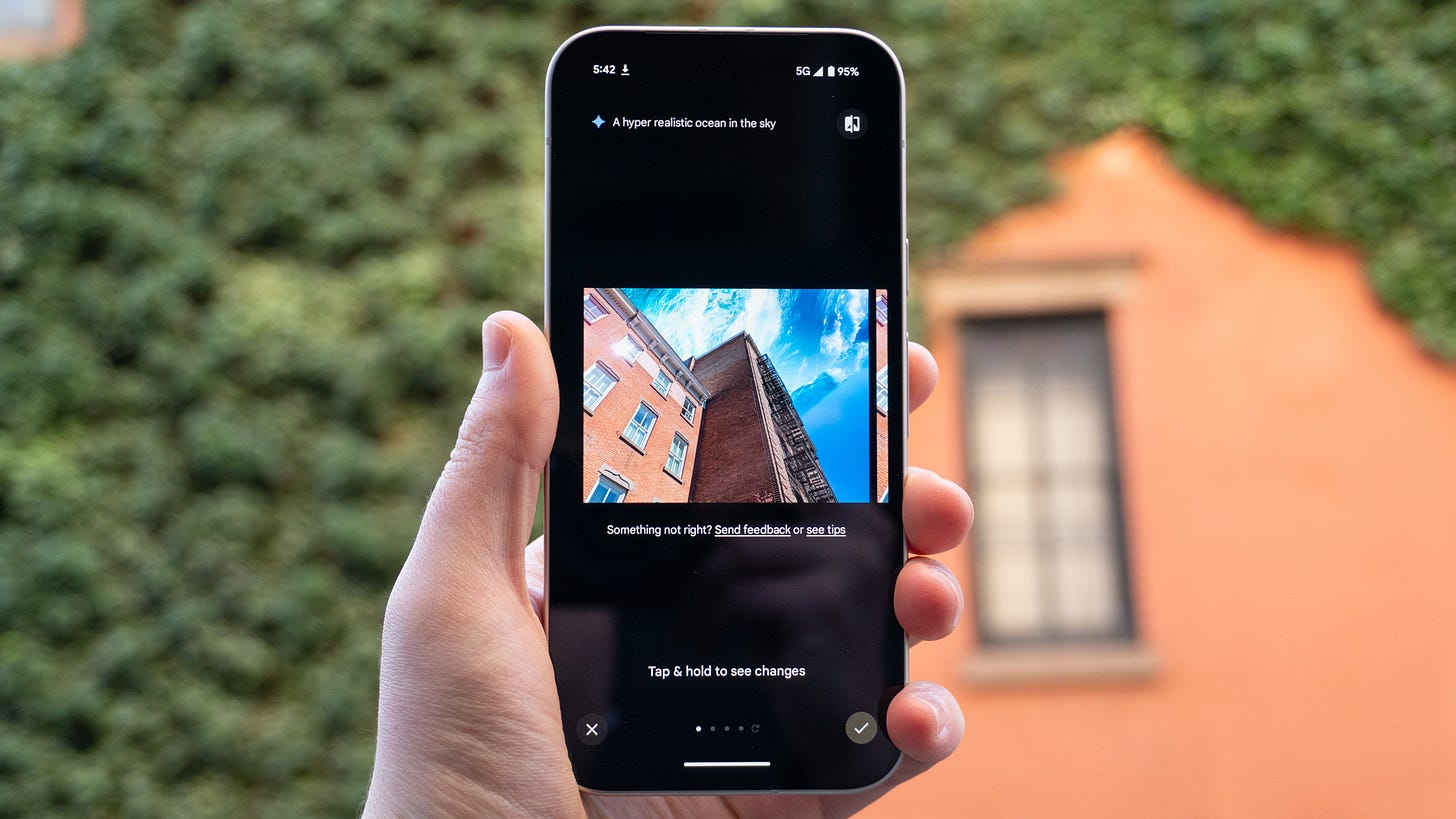
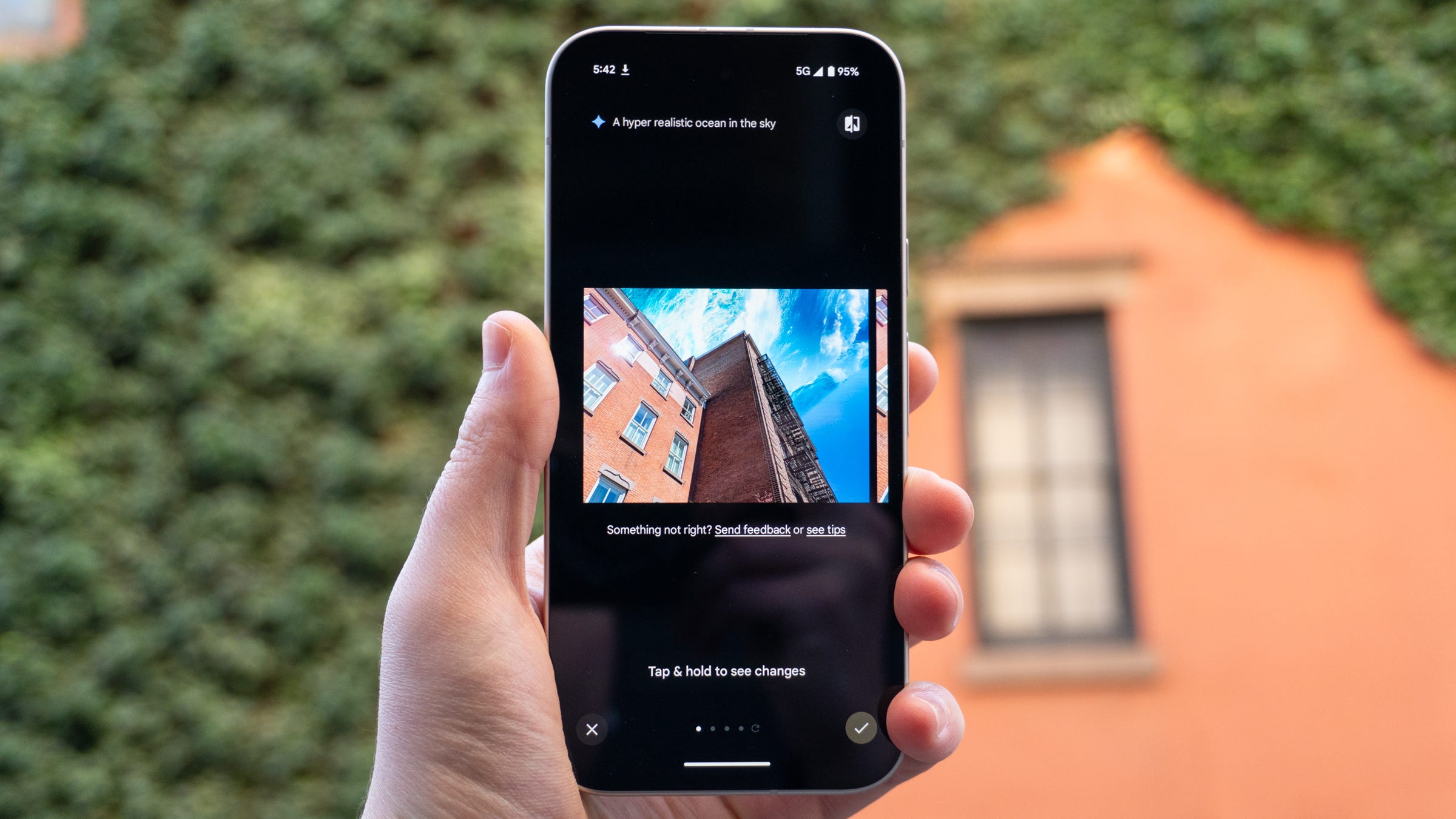
(Credit: Max Buondonno / The Shortcut) 🤖 Plenty of AI: As is the case with most Pixel phones, there’s no shortage of AI features on the Pixel 9a. Things like Magic Eraser for photos and Audio Magic Eraser for videos work surprisingly well. The phone also works with our favorite feature, Add Me, which lets you take individual photos of yourself and your friends and combine them into a group photo. Google’s AI camera chops get better with every new Pixel phone, and for $500, it’s by far the best AI camera experience on the market.
Specs and performance
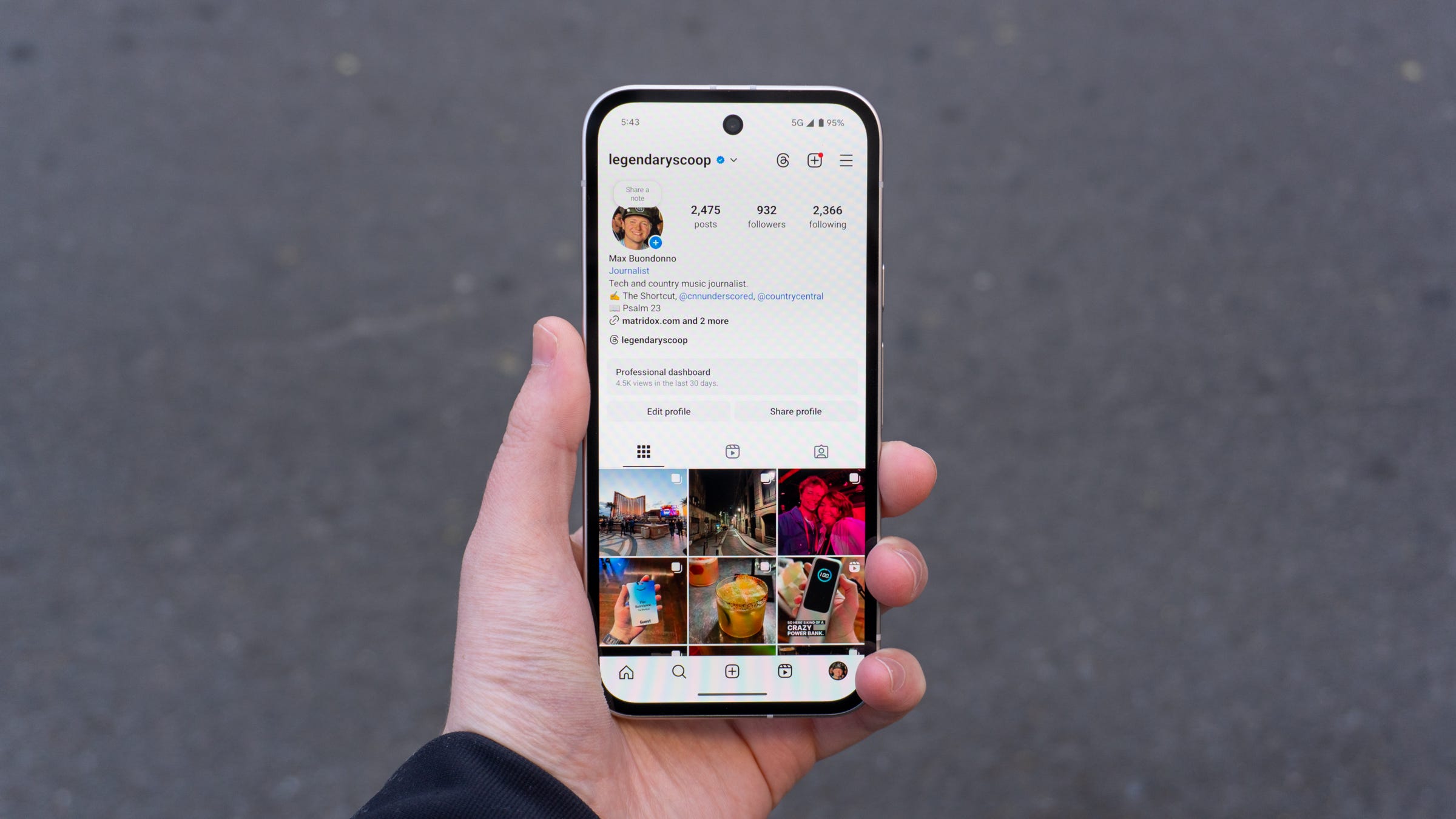
🏎️ Good at $1,000, even better at $500. The Pixel 9a uses the same Tensor G4 processor as Google’s Pixel 9 and Pixel 9 Pro. Those devices cost a lot more and are comparable to Snapdragon 8 Elite-powered phones, which is noticeably faster than Google’s silicon. But compared to other $500, it’s hard to find a chip that can perform as reliably well as the Tensor G4. Sure, Apple’s A18 in the iPhone 16e can easily smoke it, but if you want an Android phone, the performance on the Pixel 9a won’t disappoint.
💾 Enough RAM and storage for most. You get 8GB of RAM on the Pixel 9a, perfect for quickly flipping through apps and handling AI tasks. For storage, you can choose between 128GB or 256GB. I’ll admit, 128GB is starting to feel a bit cramped nowadays with apps, files, photos, and videos all growing in size, but at least you have the upgrade option.
Battery life
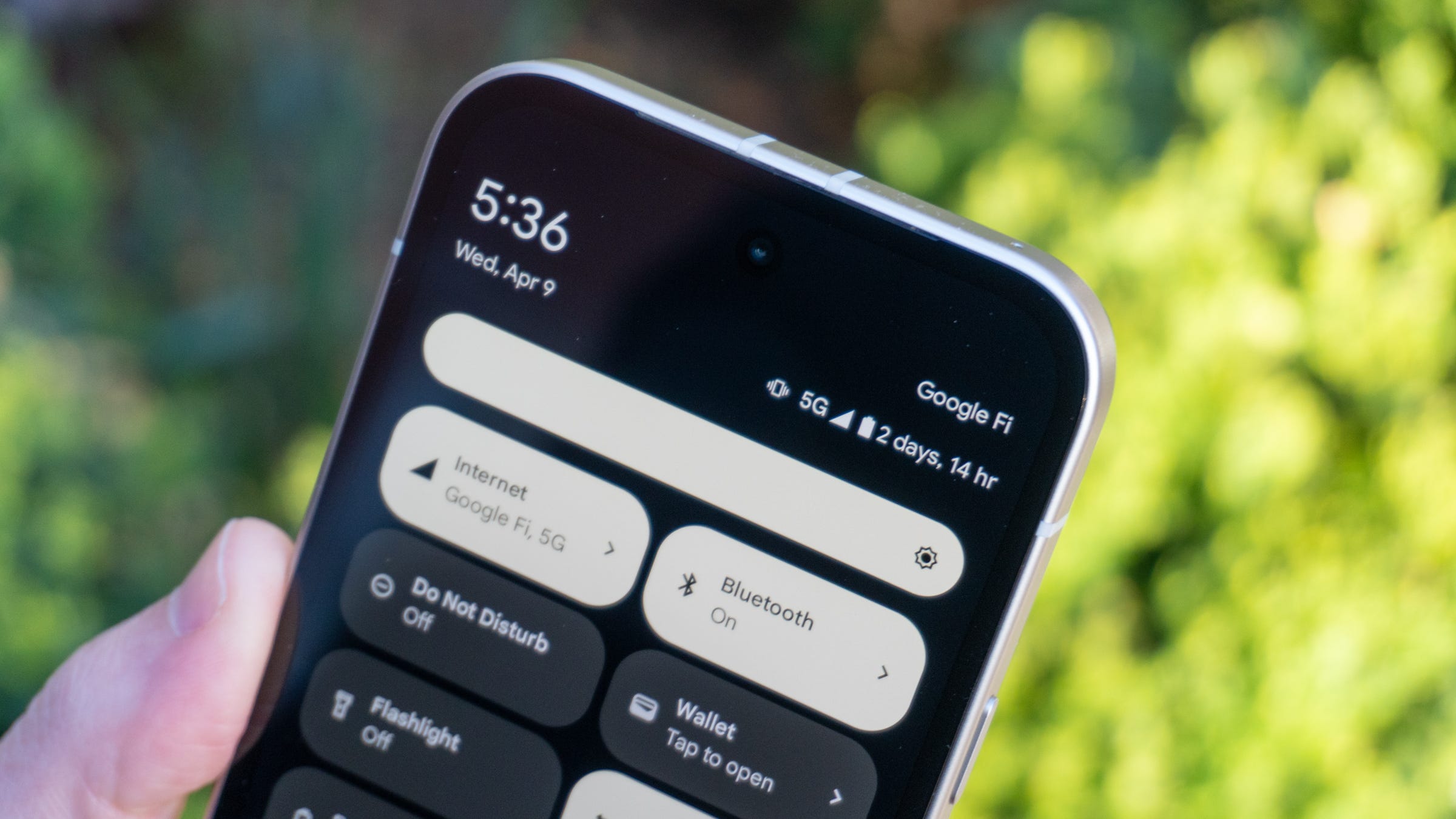
🔋 All day and then some. I’ve had no issues with battery life on the Pixel 9a. It comes with a big 5,100mAh cell (even bigger than what’s in the Pixel 9 Pro XL) which is quoted for 30 hours of usage on a full charge. In my testing, I found the battery can easily make it through a full 16-hour day of usage, with around 40 percent left over. That’s enough to start the next day with if I wanted, especially since stand-by time is so good (I left the 9a overnight at 40 percent once and it only dipped to 38 percent by the time I woke up).
⚡️ Charging needs a boost. The Pixel 9a supports 23W wired charging which, by today’s standards, isn’t very fast. Phones like the Moto G Stylus and OnePlus 13R charge more than twice as fast, while companies like Google and Apple continue to supply middling performance over USB-C. I’d love to see Google boost the speed to at least 35W with the next Pixel devices.
Software and AI
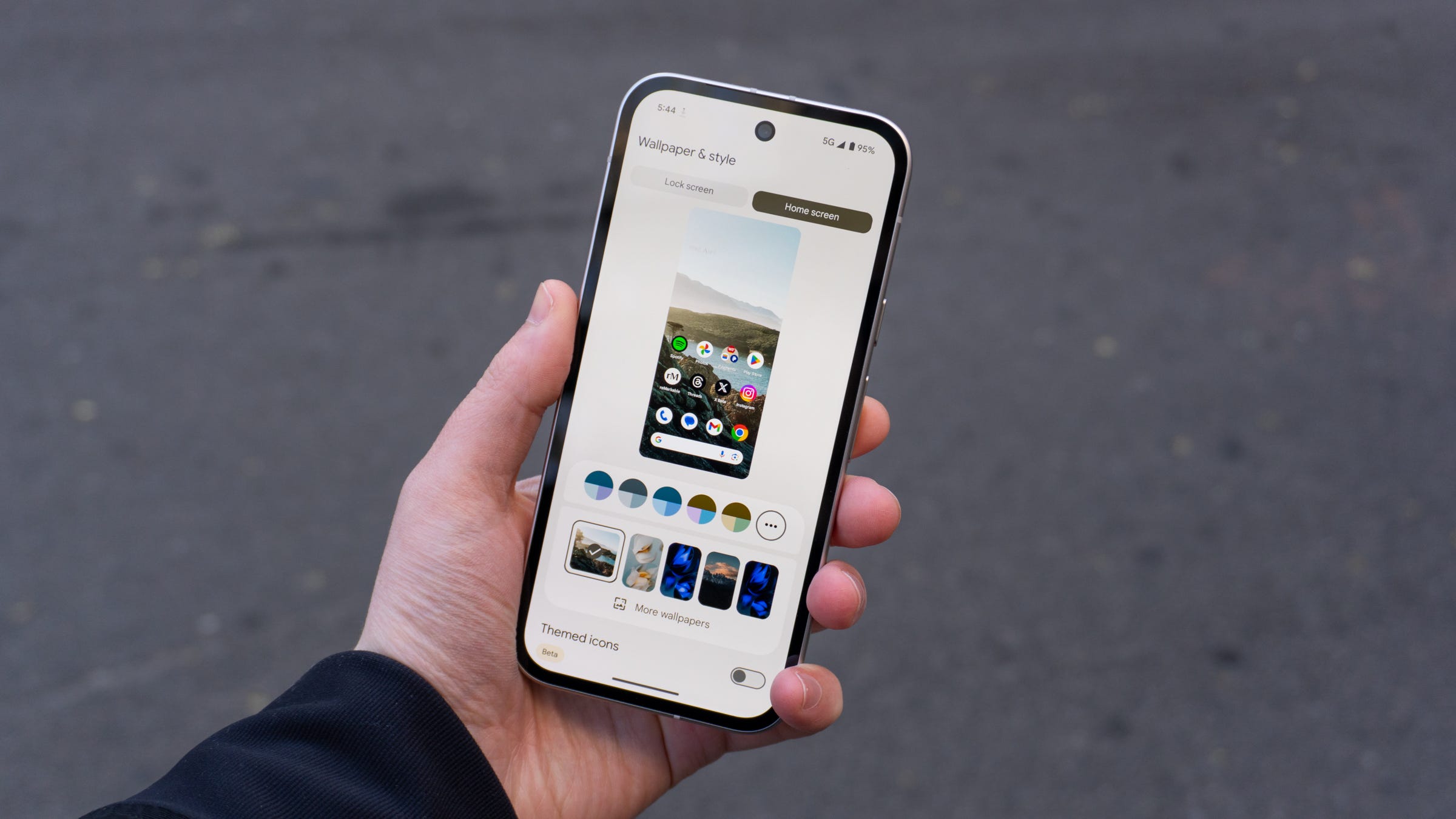
🤖 Gemini for $500 is very enticing. I was sifting through all of the new AI features on the Pixel 9a, and they’re all the same features you can enjoy on Google’s more expensive Pixels. That includes the faster Gemini 2.0 model for even quicker responses, Gemini Live for having complex conversations with the AI assistant, improved image generation in Pixel Studio, Circle to Search, Call Assist, and more. Google’s suite of AI features is more robust and useful than Apple Intelligence or Galaxy AI, making the Pixel 9a the best AI phone you can get for under $500. (Keep in mind you’ll need a Google One subscription to access all of Google’s Gemini advanced features, which costs $20 per month.).
📱 Pixel software is still simple and responsive. The rest of the Pixel 9a’s software experience is delightful. I’ve been a fan of Google’s software for many years, and the simplistic, at-home aesthetic it uses is my favorite across the entire Android smartphone market. You get Android 15 out of the box with all the latest features and security patches, a simplistic UI that’s reliably responsive, all sorts of customization options, and no annoying distractions or ads. In a nutshell? You can always count on a Pixel phone to deliver a great software experience.
7️⃣ Seven years. Like the rest of the Pixel 9 series, Google is promising to support the Pixel 9a for seven years after its release with software updates. That means you can use this device until 2032 and still get the latest version of Android, plus security patches. A lot of companies have been committing to longer software update promises over the past couple of years, and it’s great to see Google continuing its 7-year commitment with the 9a.
Should you buy the Pixel 9a?
Yes, if…
✅ Your budget is $500
✅ You prefer clean software
✅ You need good cameras
✅ You’re ready to dive head-first into AI
✅ You need all-day battery life
✅ You plan to use your phone for the next few years
No, if…
❌ You want a bolder design (get the Pixel 9)
❌ You want a telephoto camera (get the Pixel 9 Pro)
❌ You want the best mid-range performance (get the iPhone 16e)
❌ You want faster charging (get the OnePlus 13R)
Max Buondonno is an editor at The Shortcut. He’s been reporting on the latest consumer technology since 2015, with his work featured on CNN Underscored, ZDNET, How-To Geek, XDA, TheStreet, and more. Follow him on X @LegendaryScoop and Instagram @LegendaryScoop.