



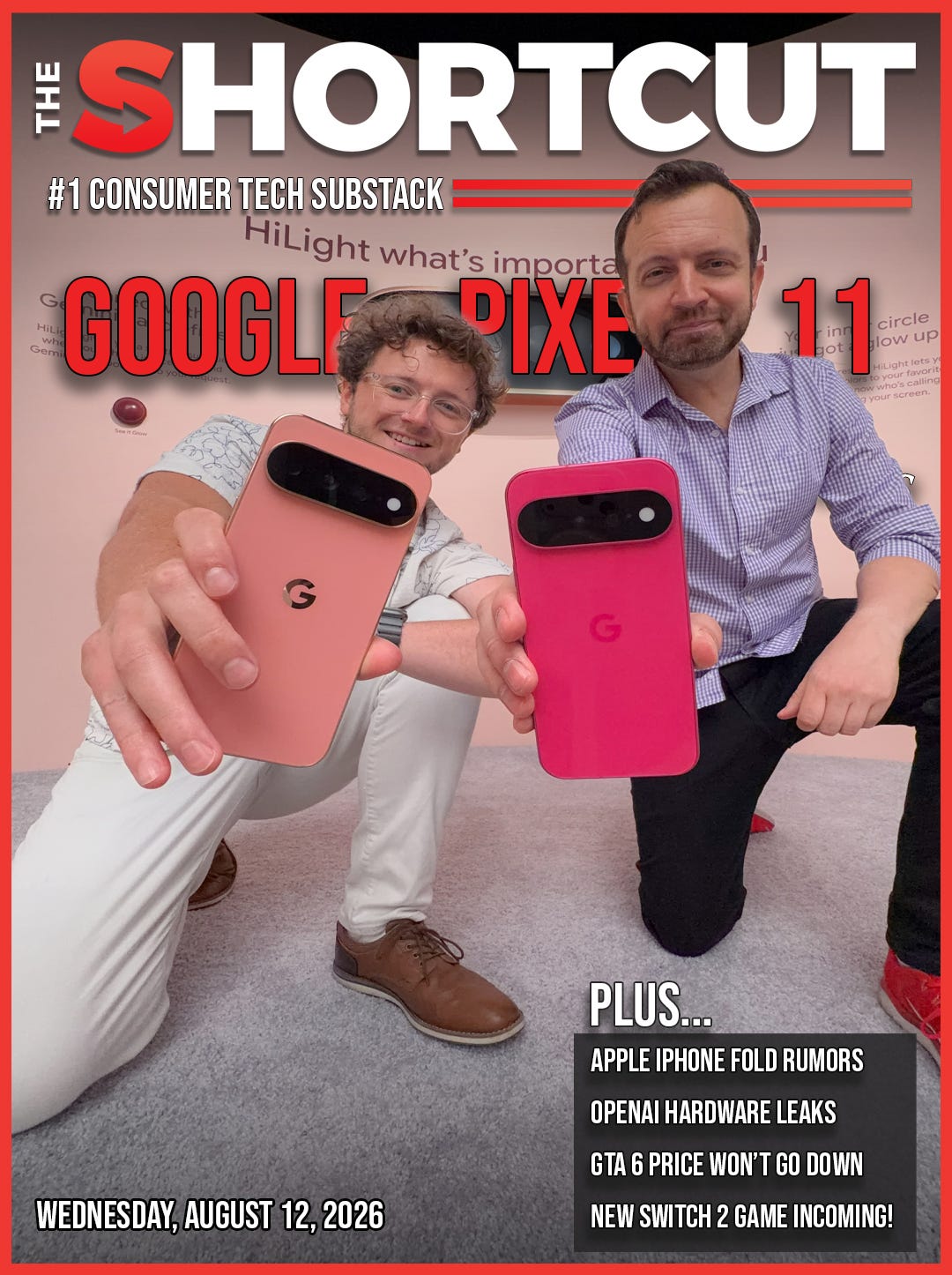
🔥 The Shortcut hot take
AI made your next phone more expensive. Google’s counterargument is that AI is also what makes it worth buying.
The Pixel 11 series takes a break from major design overhauls and keeps things very similar to last year’s Pixel lineup. The biggest year-over-year highlight? It’s called HiLight. It’s Google’s way of bringing back that old-school status light – more colorful and pulsating on its rear camera bar – for the era of AI and notifications overload. It’s a nice touch for people who put their phone facedown, but it won’t change your life.
Each phone comes in new colors – “Olive” and “Hibiscus” are our favorite – and looks and feels a bit nicer to use with subtle design tweaks and a reduction in weight. Google has also packed in the latest performance, camera improvements, and Gemini features. But the most noticeable difference remains the price. Google is charging $100 more across the board compared to the Pixel 10, all thanks to the same industry issues that made Apple and Samsung increase prices on their products: AI and component shortages.
Unlike the Galaxy Z Fold 8 and its new form factor, Google isn’t giving you a totally new or compelling smartphone for the extra money. Rather, it’s a light upgrade with just enough quality-of-life improvements. It’s also trying even harder to get more iPhone users to switch, with a new setup experience that can move over your home screen layout, apps, contacts, photos, eSIM, and more.
The question we’ll be asking in our full Pixel 11 review is: should you switch? So far, according to our hands-on time with all four phones, there are small under-the-hood improvements to the cameras, the design, and performance that make it a worthwhile upgrade if you’re locked into the Gemini ecosystem and can stomach the $100 price hike.
Preorder & pricing
💰 $100 more than last year. Across the board, Google is increasing the starting price of each of its new Pixel phones by $100. Here’s a breakdown of how much they’ll set you back.
⌚️ Yup, Pixel Watch 5, too. The new Pixel Watch 5 is also seeing an increase in price, going from $349 for the 41mm model to $399. Meanwhile, the 45mm model is now $429 versus $399 of yesteryear.
🛍️ Any special deals or discounts? Google will be taking trade-ins for old phones through its website, although they won’t be quite as lucrative as Samsung’s offers. Fortunately, you will get six free months of Google AI Pro if you pick one up, which also gets you a massive 5TB of cloud storage and Google Health Premium access.
📆 Launch day is August 20. You’ll be able to pick up all four Pixel 11 phones, plus the Pixel Watch 5, on August 20 from Google’s online store and third-party retailers, including carriers. The new Pixel Tag tracker will launch later on November 11.
Pixel 11 Pro & Pixel 11 Pro XL hands-on
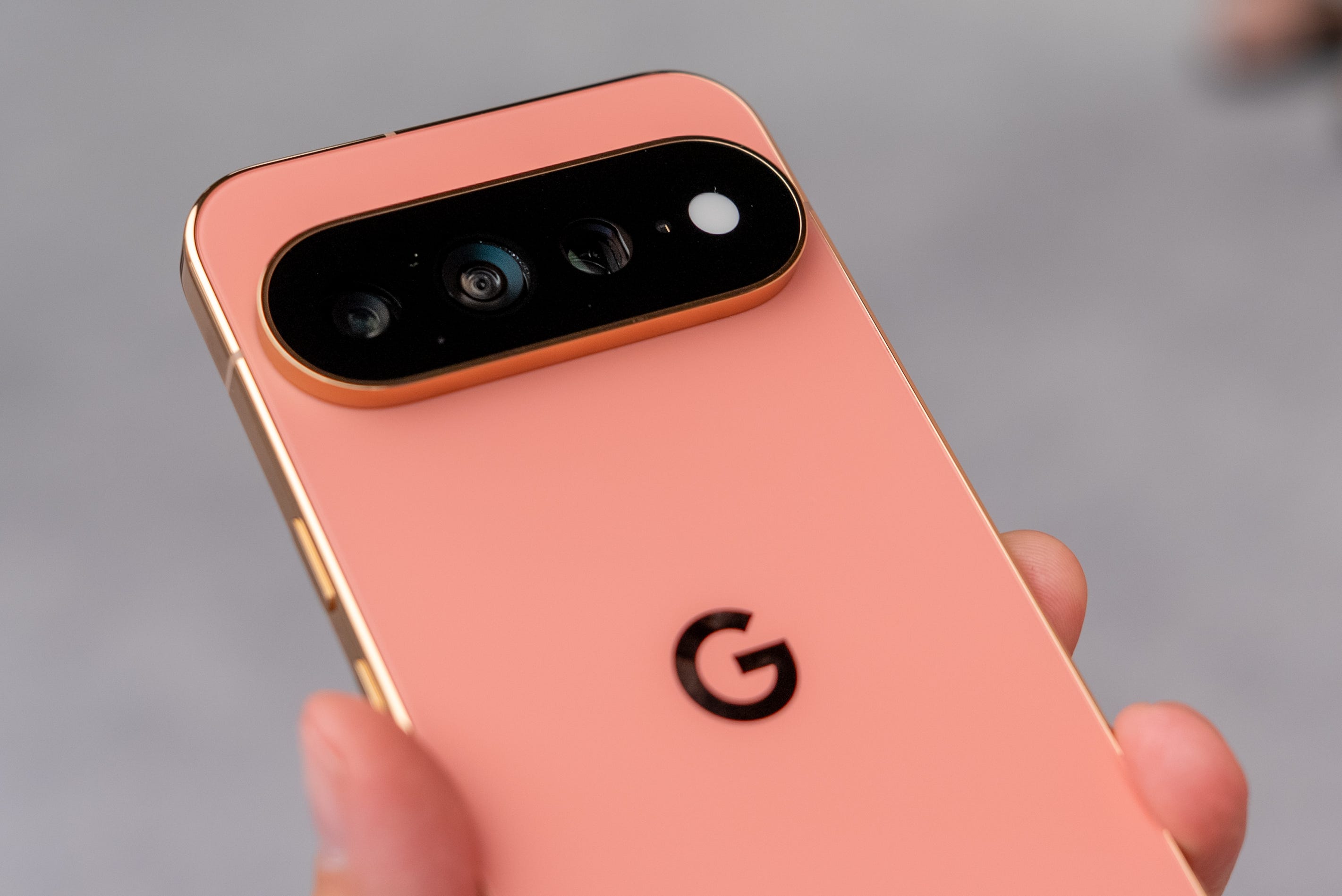
📐 Refined, more durable designs. The Pixel 11 Pro and 11 Pro XL look a lot like the Pixel 10 Pro series from last year, save for some very light refinements like edge-to-edge glass in the camera bar on the back. Picking them up felt like picking up a Pixel 10 Pro and Pro XL, which is totally fine in my book - I think the Pixel design language is quite beautiful. You also get better durability this generation, with displays that are twice as scratch-resistant as previous generations of Pixel. There’s also IP68 certification for water and dust resistance.
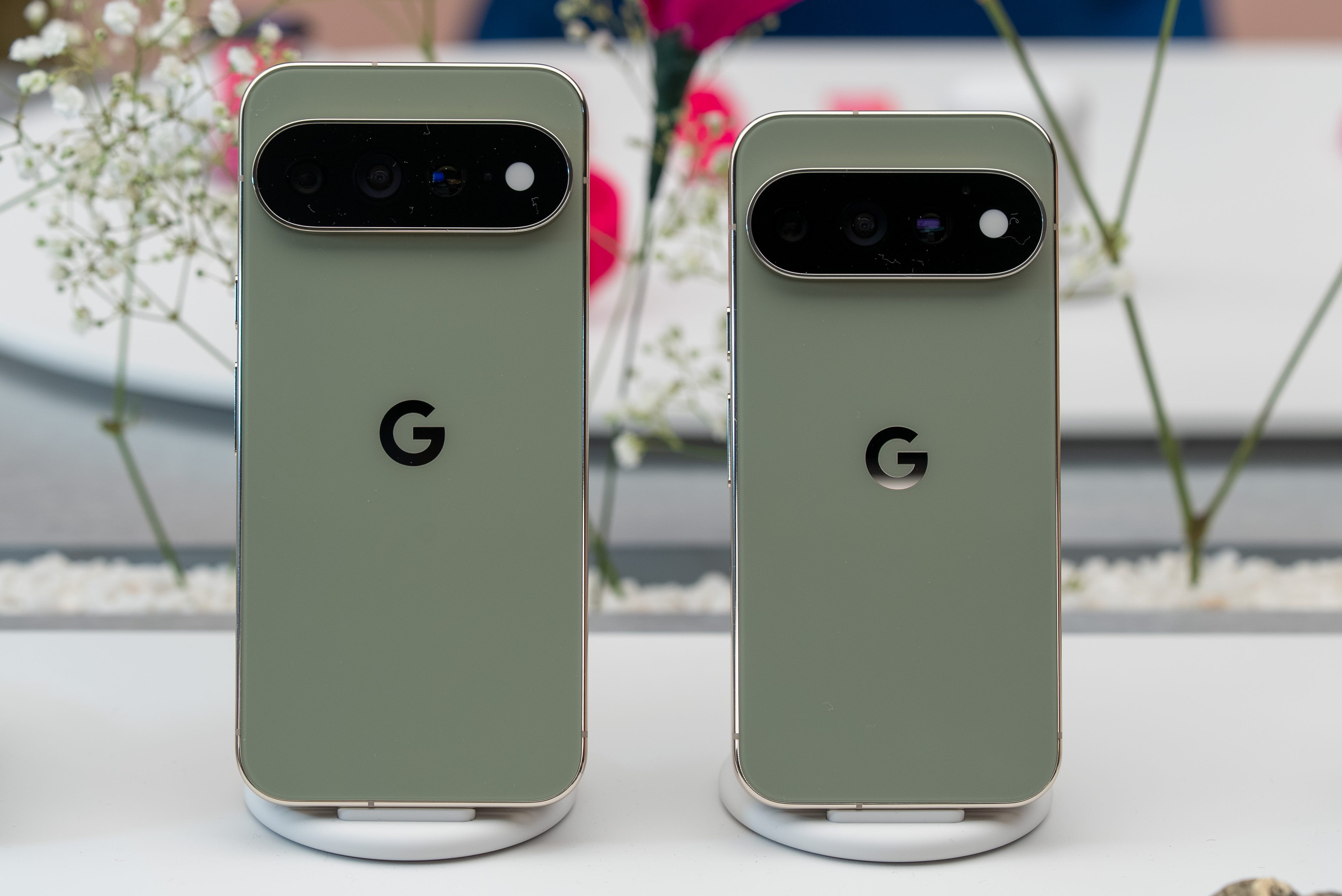
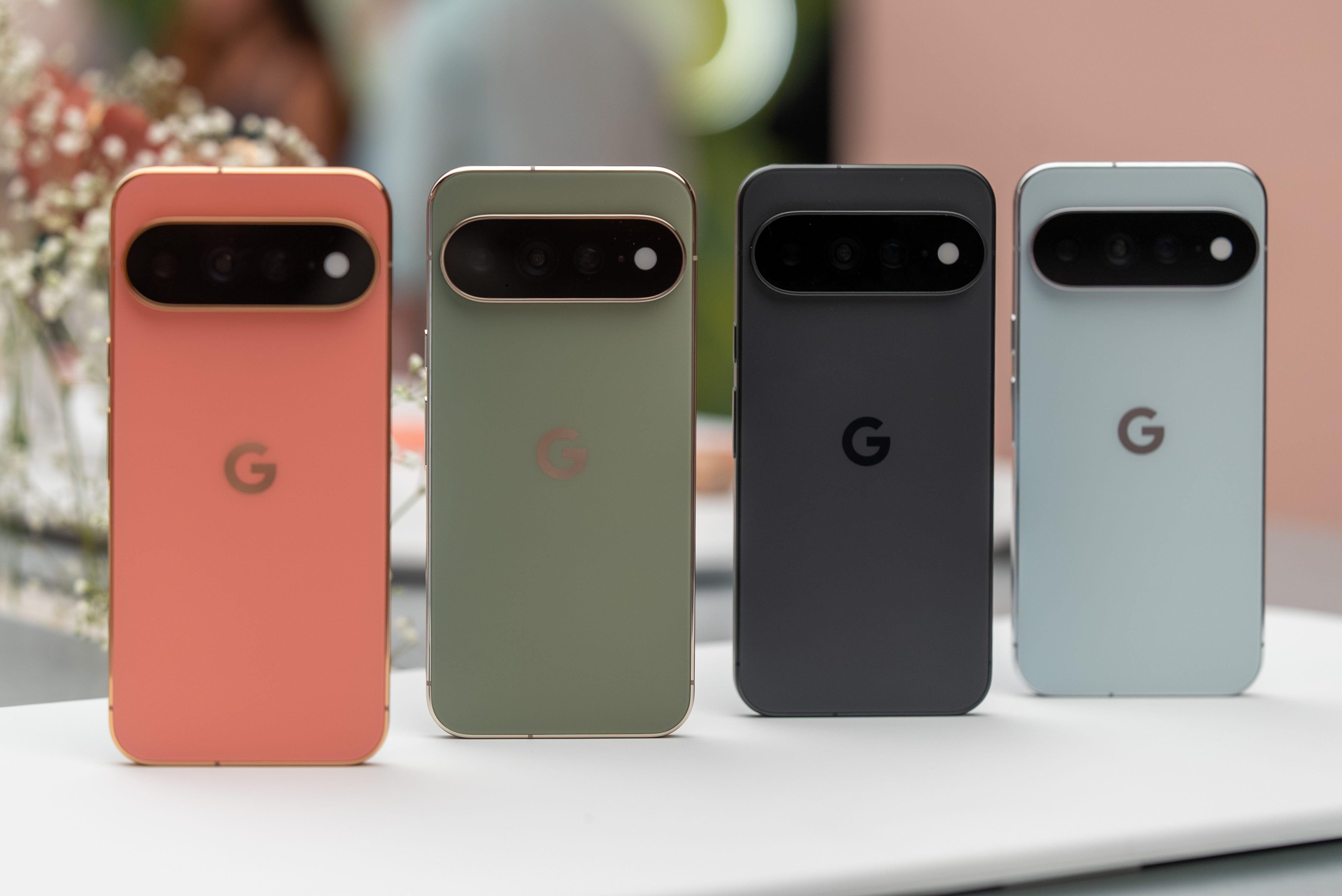
🎨 Some of Google’s best colors. The entire Shortcut team was impressed with the Pixel 11 Pro’s colors, to say the least. I’m partial to the new Olive finish, which has an earthy sage-like tone to it. Canyon, a coral-like finish, looks absolutely stunning with its gold accents. The Matte Obsidian model also surprised us with how stealthy it looked. Fog felt the most traditional to look at in-person, but for fans of white/silver phones, you’ll like what Google cooked up here.
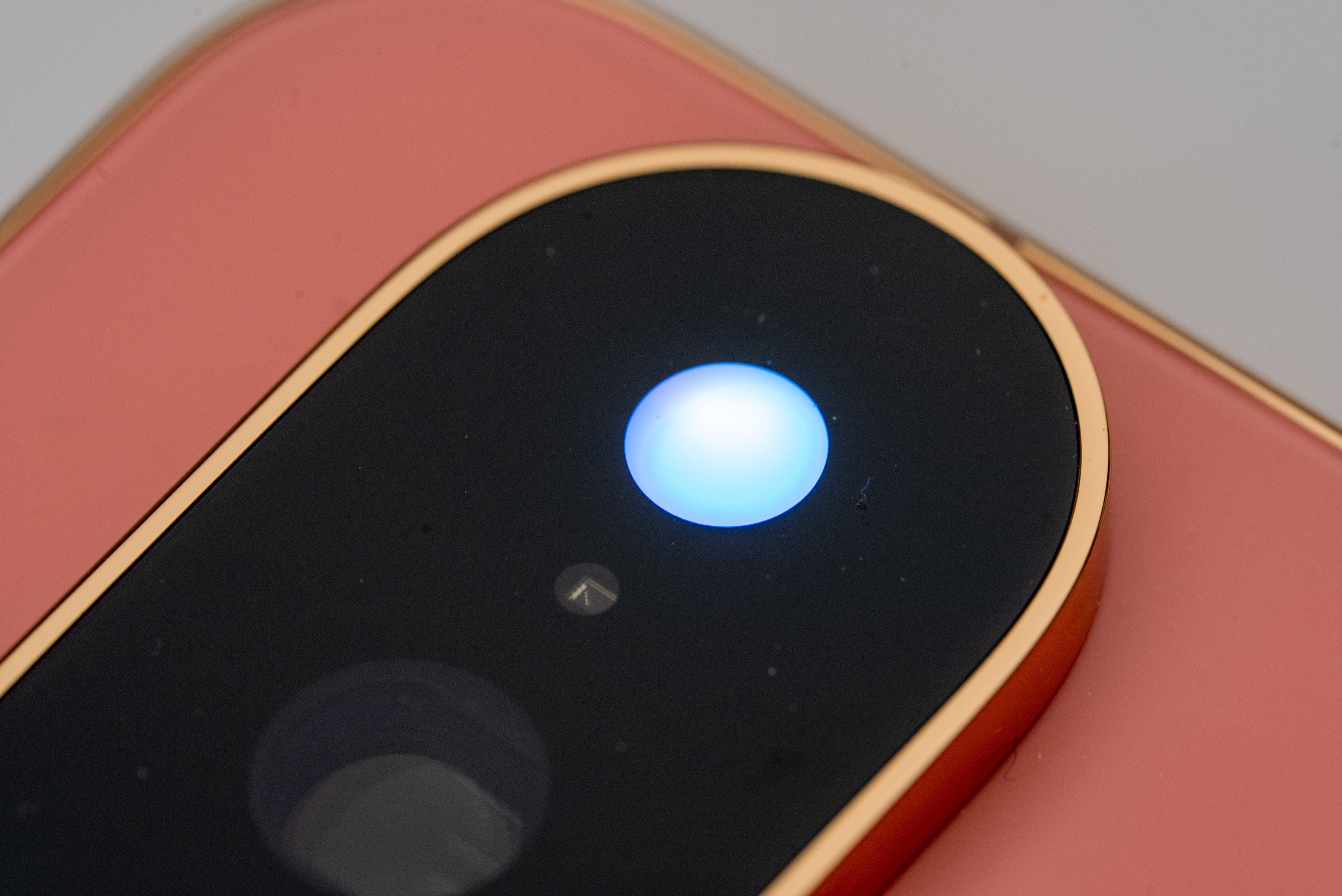
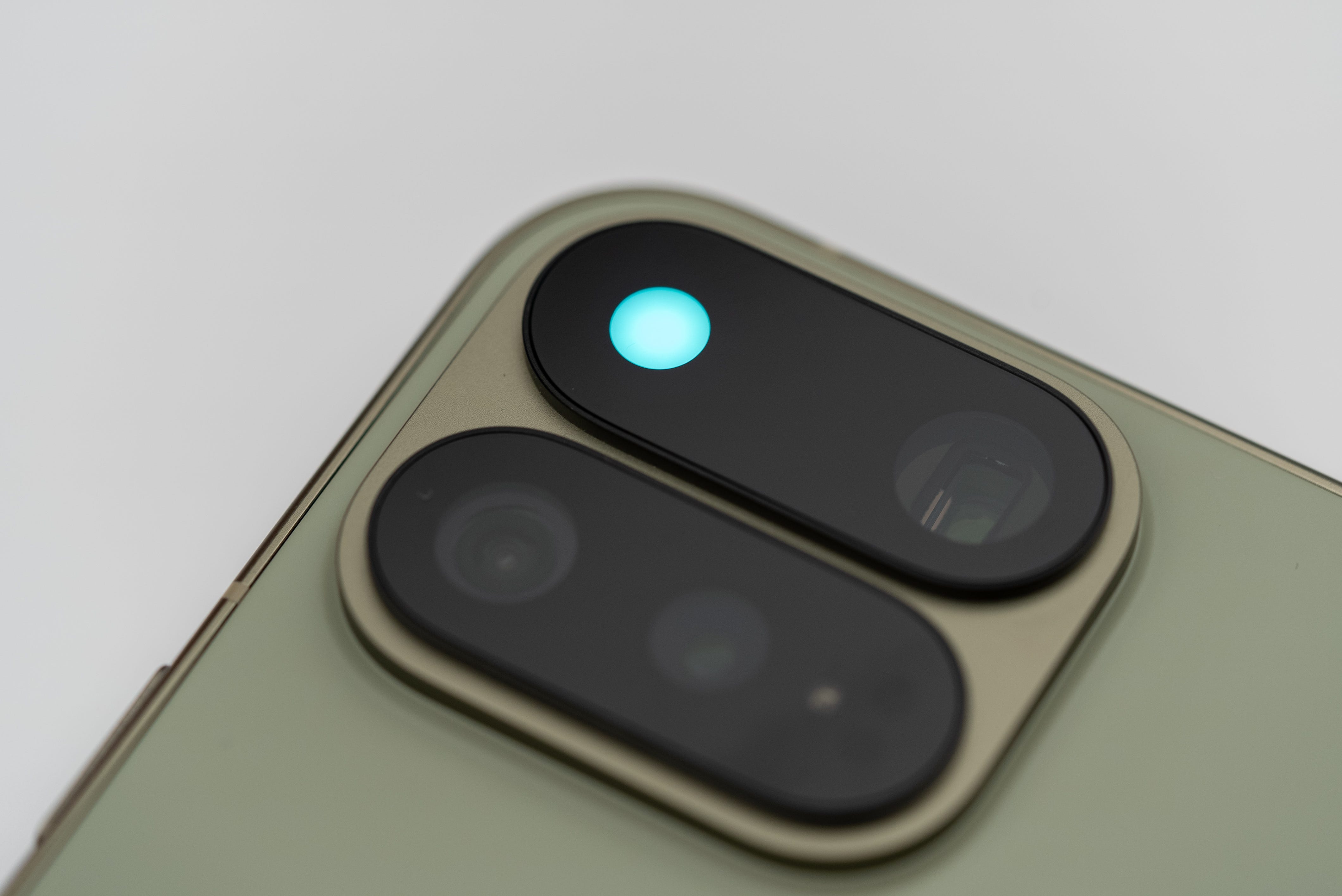
🌟 The big HiLight. Hidden in the camera bar on the back is a new light system called HiLight. It sits next to the flash and the three rear cameras and illuminates when you summon Gemini, so long as your phone is face-down. We got to try it during our hands-on time with the devices, and it adds a delightful visual cue when talking to the assistant that feels more useful than you’d expect. It gently glows when you speak to it, and Gemini’s voice syncs with it when it responds.
🔒 Some LED limitations. You can also assign HiLight to light up when you get a call from a favorite contact with a custom color… but that’s it. It can’t light up if you get a specific notification from an app, just for special contacts. Maybe Google will add this in future software upgrades, but for now, you’re limited to Gemini and your contacts.
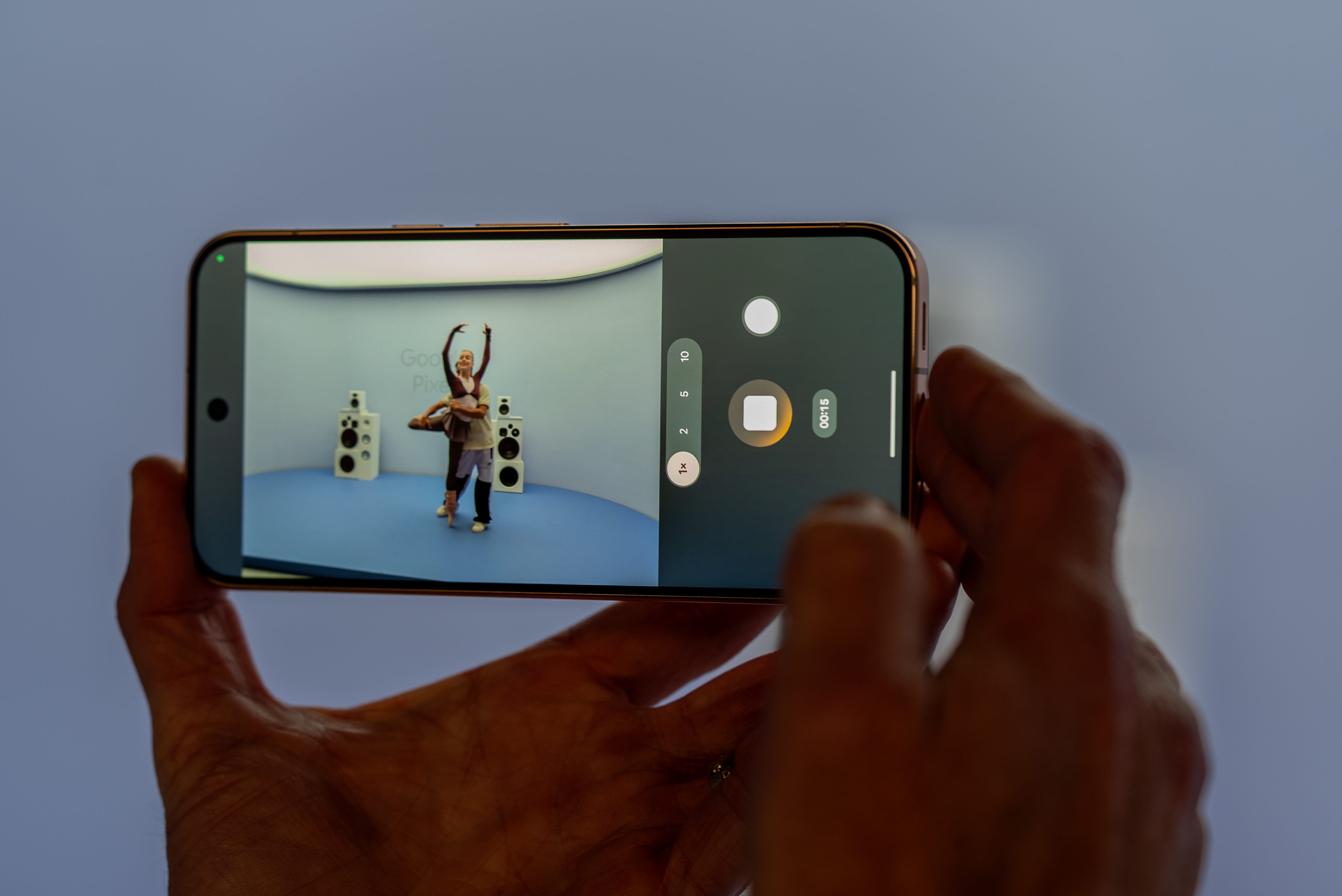
📸 Finally, better cameras. One area that the Pixel has needed an upgrade in for a while is the camera, and the Pixel 11 Pro finally gets one. The main 50MP camera gets a new 1/1.3” sensor that has 2x the optical quality of the Pixel 10 Pro, capturing more light and detail than before. There’s also a revamped 48MP telephoto lens that, according to Google, can let in 32% more light than the one on the Pixel 10 Pro, while also delivering 5x lossless zoom and 120z hybrid zoom. The 48MP ultra-wide camera is unchanged, as is the 42MP selfie camera. We’ll be looking at all of these cameras closely when we get our hands on them to review - stay tuned.
🤖 Gemini Intelligence on deck. Google’s new on-device suite of Gemini tools called Gemini Intelligence comes pre-loaded on all of the new Pixel 11 phones. What does “Gemini Intelligence” mean? It can better understand your needs and specific information about you since it can see all of the data you have on your phone, making it a much more personal experience than Gemini has ever been before. Google has shown off neat demos of letting Gemini order your groceries for you, request an Uber, reorder your favorite Starbucks, and more - all in the background while you do more important things. It’s also smarter about surfacing information when you’re texting someone or sending an email.
💪 The most powerful AI on a Pixel yet. Gemini also enables new features like improved voice typing, which can intelligently take out “ums” and other interruptions for cleaner messages. Live Translate can use the Pixel’s camera app for translating sign language, podcasts and TV shows in other languages, and more. You can even have Gemini place phone calls with businesses and see a live transcription of the call as it’s happening. There are a lot of features here that seem genuinely useful, seemingly avoiding becoming “AI slop” like a lot of phones fall victim to. We’ll need to test these features to see how useful they are in real life, but on paper, Gemini Intelligence seems really promising.
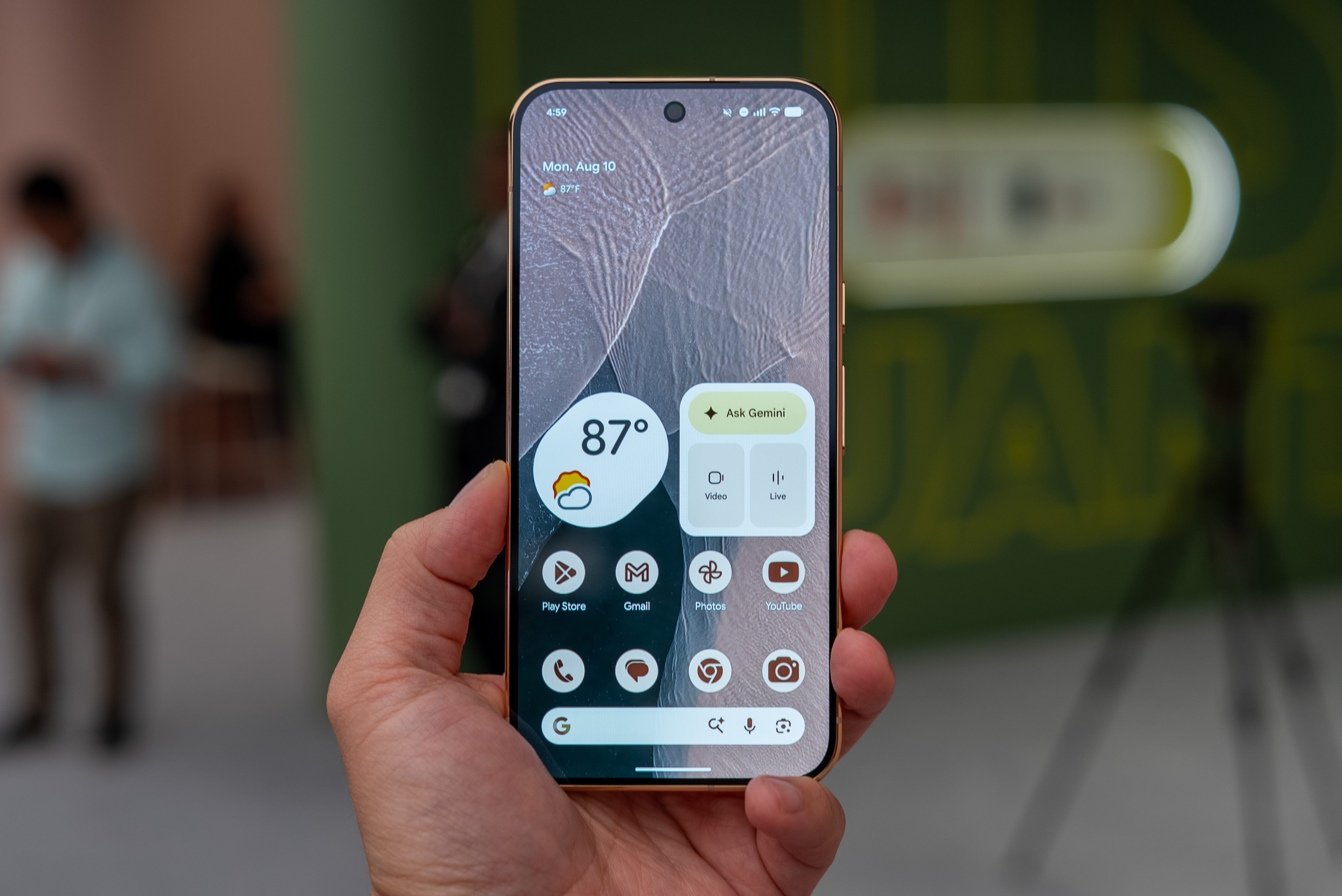
🚀 Better performance with Tensor G6. Google always skips the latest Qualcomm Snapdragon processor for one that it makes on its own. Instead of the Snapdragon 8 Elite Gen 5 like the Galaxy S26 series, the Pixel 11 series gets the Tensor G6, a chip that Google says is 20% more power efficient than the G5. It also has faster response times for things like browsing and opening apps, while the image signal processor (ISP) and TPU for AI tasks are also faster and more efficient. Tensor chips typically don’t impress us as much as one from Snapdragon, but we’ll hold judgment until we get our hands on a Pixel 11 Pro.
⚙️ Plenty of RAM and storage. Both the Pixel 11 Pro and Pixel 11 Pro XL get 12GB of RAM standard, with an option to upgrade to 16GB of RAM with more storage. Speaking of which, your choices for storage are 256GB, 512GB, or 1TB. In our brief time with the phones, they both felt snappy and responsive, just as you’d expect from a pair of high-end Android phones.
💡 A slight boost in brightness. One thing we noticed during our hands-on was that the Pixel 11 Pro displays seemed brighter, and that’s because they are. Google increased the brightness from 3,300 nits to 3,600 nits. It’s not a massive change, but it’s definitely appreciated. Under all the soft lights the company set up for journalists and creators to take pictures, the displays looked vivid and easier to see than last year’s models.
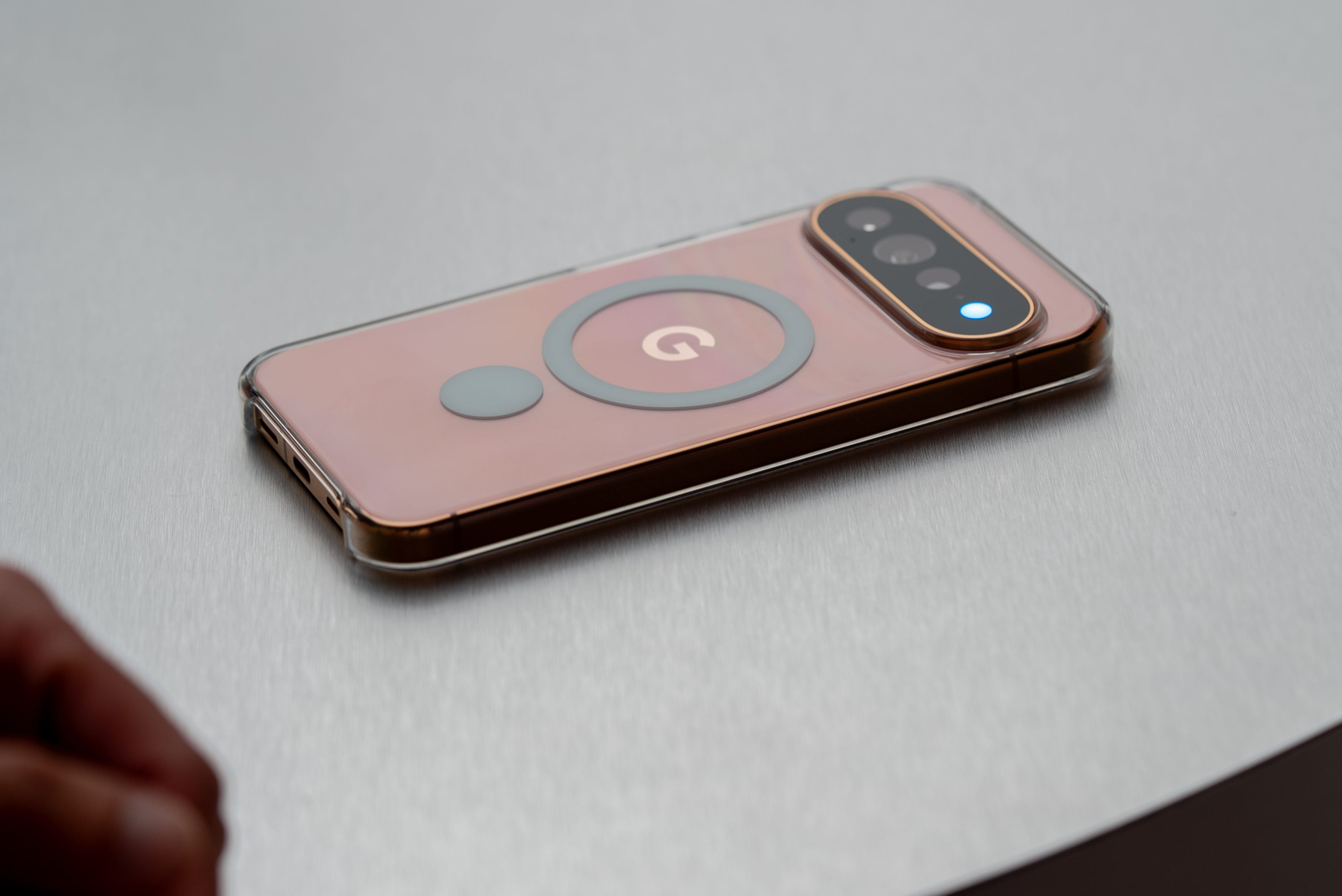
🔋 Same battery life and Pixelsnap. The batteries inside the Pixel 11 Pro and 11 Pro XL technically shrunk compared to the Pixel 10 Pro. That being said, the 4,850mAh cell in the 11 Pro and the 5,115mAh cell in the 11 Pro XL are still quoted to last 30+ hours on a full charge, according to Google. Each phone should charge up pretty quickly too, with 30W wired charging on the smaller version and 45W on the bigger one. Plus, you still get Pixelsnap, Google’s version of MagSafe that enables magnetic Qi2.2 charging and compatibility with accessories like wireless charging stands, wallets, tripods, and more.
📱 Same sizes. Oh yeah, the sizes! The Pixel 11 Pro carries the same 6.3-inch Super Actua display as the 10 Pro, while the Pixel 11 Pro XL has a 6.8-inch Super Actua display like the 10 Pro XL. The 11 Pro feels a lot more comfortable to use in one hand than the Pro XL does, but the 6.8-inch screen surprisingly feels more manageable than you’d expect.
Pixel 11 Pro Fold hands-on
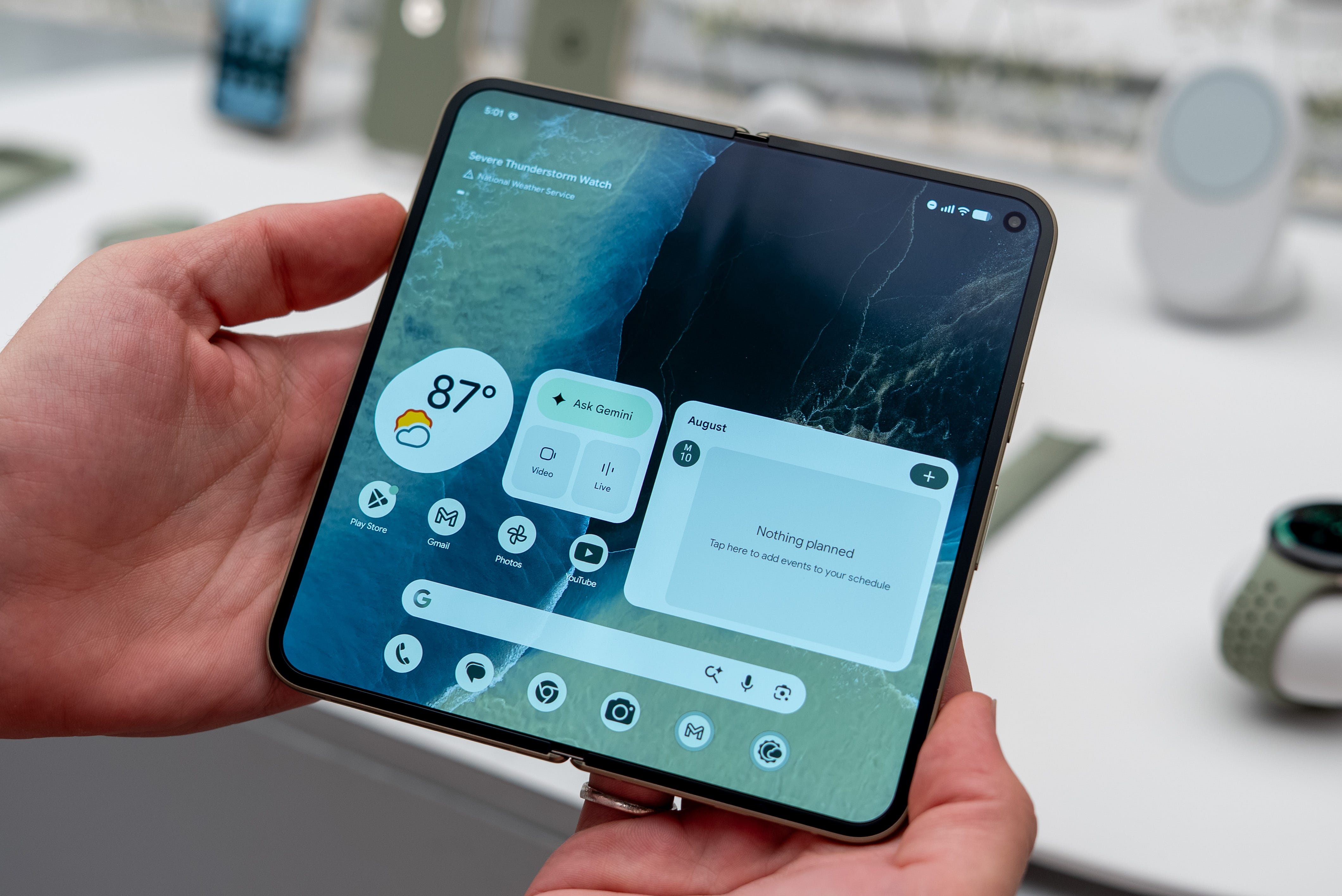
🤏 A little thinner, a little lighter. The Pixel 11 Pro Fold looks largely like the Pixel 10 Pro Fold, but pick it up, and you’ll notice a difference. The phone is a tiny bit lighter and a tiny bit thinner. At 5mm thin, it’s one of the slimmest phones on the market, and its weight of 239 grams is only 24 grams heavier than the Galaxy Z Fold 8 Ultra. These differences aren’t huge, but on a device that can stretch out to a full 8-inch tablet, any reductions in thickness and weight are welcome.
🪨 Better durability, better brightness. Google says the Pixel 11 Pro Fold is its most durable yet, with 3x better strength against everyday activities. The glass on the front and back is safer against scratches, too. The crease in the middle of the screen seems to be the same as last year, but it didn’t bother us much last year anyway. Brightness also gets an upgrade, with both displays reaching 3,600 nits of brightness.
📸 An upgraded main camera. Like the Pixel 11 Pro, the Fold also gets an upgrade in the camera department. The new 48MP main camera can let in a staggering 56% more light than on the 10 Pro Fold, which means your nighttime photos are going to get a big boost in quality. The same 10.5MP ultra-wide and 10.8MP telephoto cameras accompany the main sensor, as well as twin 10MP selfie cameras. You still get all the neat photography features of a folding phone, too, like rear-camera selfies and Made You Look to get the attention of the person you’re photographing.
⚙️ A lot of similar under-the-hood upgrades. The rest of the Pixel 11 Pro Fold’s upgrades fall under the hood, at least for the most part. You get the Tensor G6 chip, Gemini Intelligence, Android 17, and all the multitasking features you’d expect. There’s 16GB of RAM to handle all those apps and AI features running at once, and you can choose between three storage tiers: 256GB, 512GB, and 1TB.


📱 Same screens, battery life, Pixelsnap, and HiLight. You’ll recognize a lot of the rest of the Pixel 11 Pro Fold. There’s a 6.5-inch cover screen and an 8-inch folding screen, 24+ hours of battery life with the slightly smaller 4,806mAh cell, 30W charging, Pixelsnap wireless charging with Qi2.2, and HiLight.

🆚 Compared to the Galaxy Z Fold 8. Yeah… the Galaxy Z Fold 8 has really made some waves with its new design, and it makes the Pixel 11 Pro Fold look dated almost instantly. The squarer design that Google chose isn’t as whimsical or versatile as what the Fold 8 gives you, although the Pixel does give you more cameras and deeper integration with Gemini. We’ll be diving into which foldable comes out on top during our review process, so stay tuned.
Pixel 11 hands-on
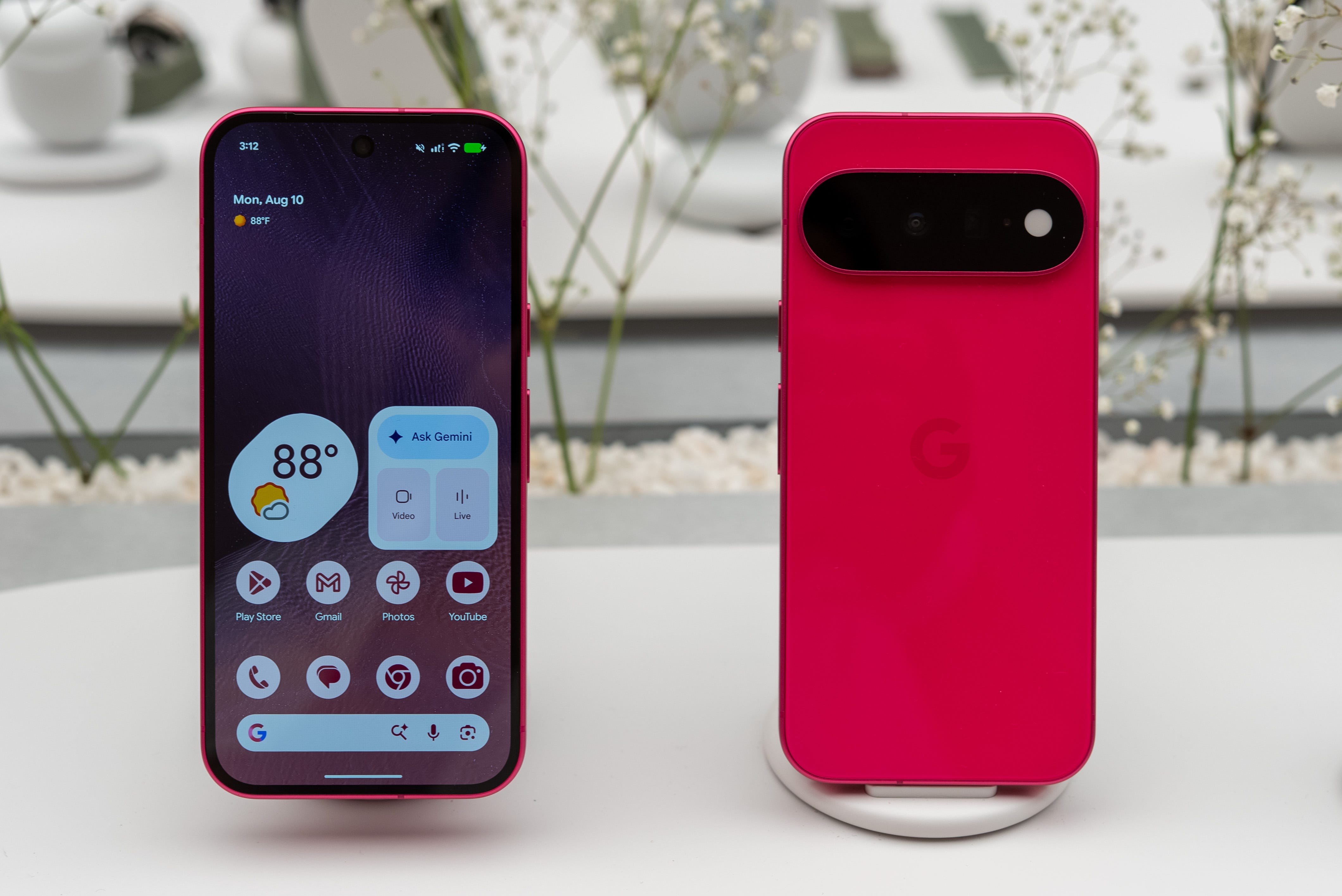
Google’s baseline Pixel 11 delivers a very similar experience to the Pixel 11 Pro, save for less gloss and a few downgrades in the camera and performance departments. These two factors stood out the most to us in our hands-on.
🎨 Hot colors. The Hibiscus and Pistachio colors for the Google Pixel 11 make this the most vibrant phone of 2026. Hibiscus is especially bold, so much so that my camera struggled to capture its deeply crimson mix of magenta and red dyes. Pistachio is a lot less in your face, but still offers a deeply green, matcha-like hue. Even if you pick the more muted colors like the blue-shaded Frost and neutral black Obsidian, they’re much more vibrant than any of the Google Pixel 11 Pro options. If you’re all about aesthetics and you want a flashy phone that attracts longing stares, get the Pixel 11 in its boldest colors.
🤏 Barely there camera bar. The Google Pixel 11 also stands out by shrinking its camera bar thickness by 40%. The camera bar hasn’t been completely eliminated, but now it only sticks out by a millimeter or two from the actual back of the phone. It also now features one contiguous sheet of cover glass that helps the camera bar look slightly more streamlined with the rest of the phone’s design.
What about Pixel Watch 5?


There’s a new Pixel Watch that looks and acts a lot like the old model, but there are some key differences that stand out.
⚡ Speed force. The Google Pixel Watch 5 has seen the biggest spec bump in years. Powered by a new Qualcomm Snapdragon W5 processor, Google promises a 12% boost in CPU processing power. This is also bolstered by 50% more RAM and 20% faster on-device intelligence. All of this added power allows the Pixel Watch 5 to proactively provide users with information like flight info and bus routes, flag important health stats in real time, and let you request more information with just a tap.
🗺️ GPS upgrade. Google has also promised the Pixel Watch 5 will be twice as accurate as previous generations. By overcoming building reflections and errors created by atmospheric conditions, Google promises the Pixel Watch 5 GPS can provide better route tracking for runs than not just the Apple Watch Ultra 3, but dedicated fitness trackers, like the Garmin Fenix 8 Pro.
💉 Insulin resistance tracking. The biggest new feature on the Pixel Watch 5 is something no one really saw coming: insulin resistance tracking. While it’s not as accurate as a finger prick or designed to diagnose your metabolic health, the feature can track the rhythm of your heart, the quality of your sleep, and your daily activities to help determine if you’re experiencing signs of insulin resistance. It takes about a month for the feature to start working and, once again, it’s not designed to diagnose anything. However, metabolic health is an important metric for a lot of folks in their fitness journey, and to see Google offer a way to track it is interesting nonetheless.
The new Google Pixel Tag
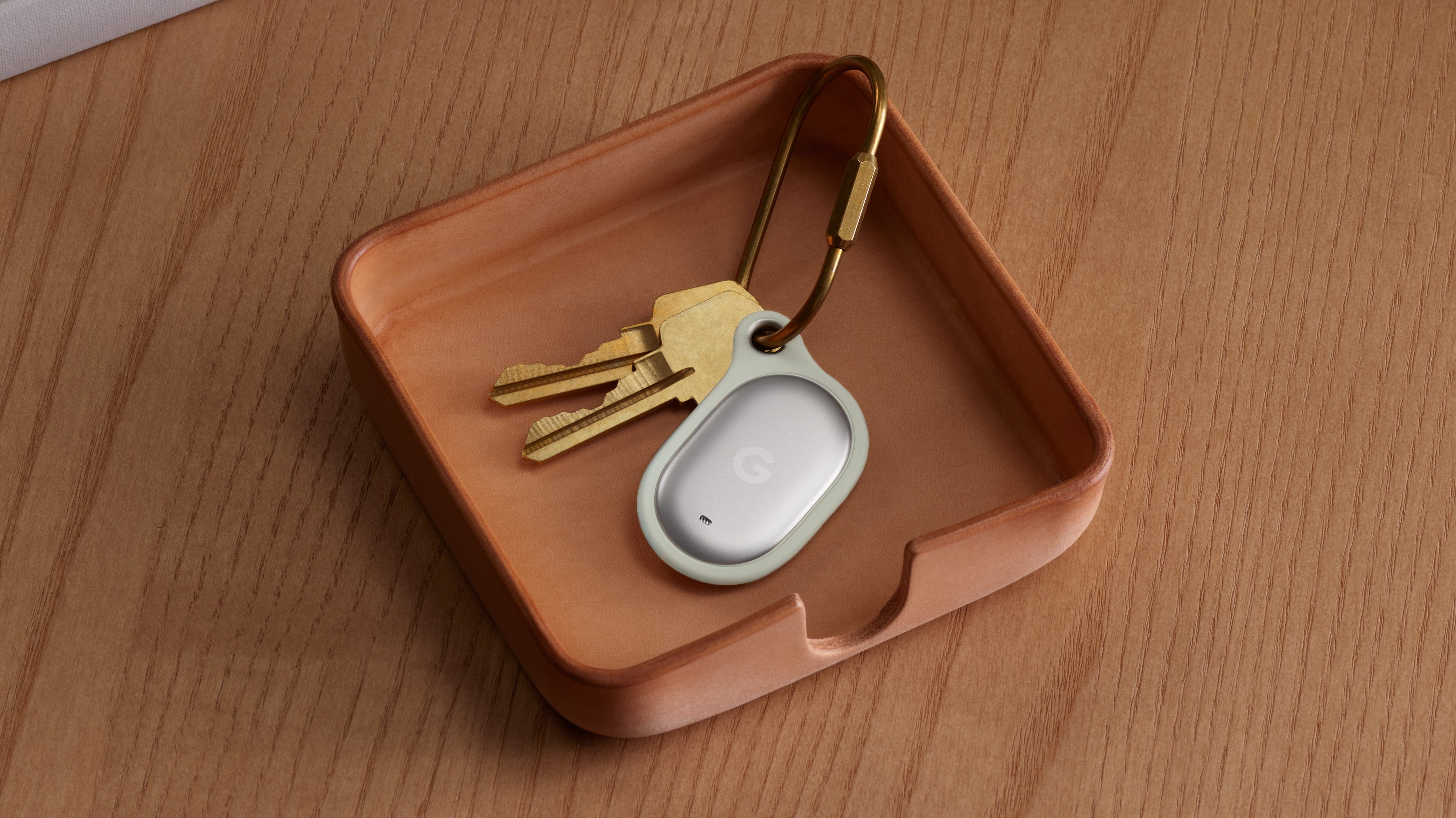
📍 It’s an AirTag, but for Android users. Google has also announced the Pixel Tag, a new accessory that lets you track your stuff using ultra-wideband technology and Google’s Find Hub network. It works the exact same way as an AirTag does for Apple users; it costs the same, and it has a tiny design that can easily fit into any bag or other important item you need to track. Plenty of third-party alternatives exist, but it’s nice to see Google throw its hat in the ring.
Our Pixel 11 reviews are coming
We’re gearing up to test all of Google’s latest gadgets right here on The Shortcut, and on our weekly live show, The Shortcut Live. Stay tuned for all of our coverage, and be sure to subscribe (or tell your friends) so you don’t miss out.
⬇️ 5 more stories on The Shortcut


⬆️ Tap the button & add The Shortcut as a preferred source on Google ⬆️