


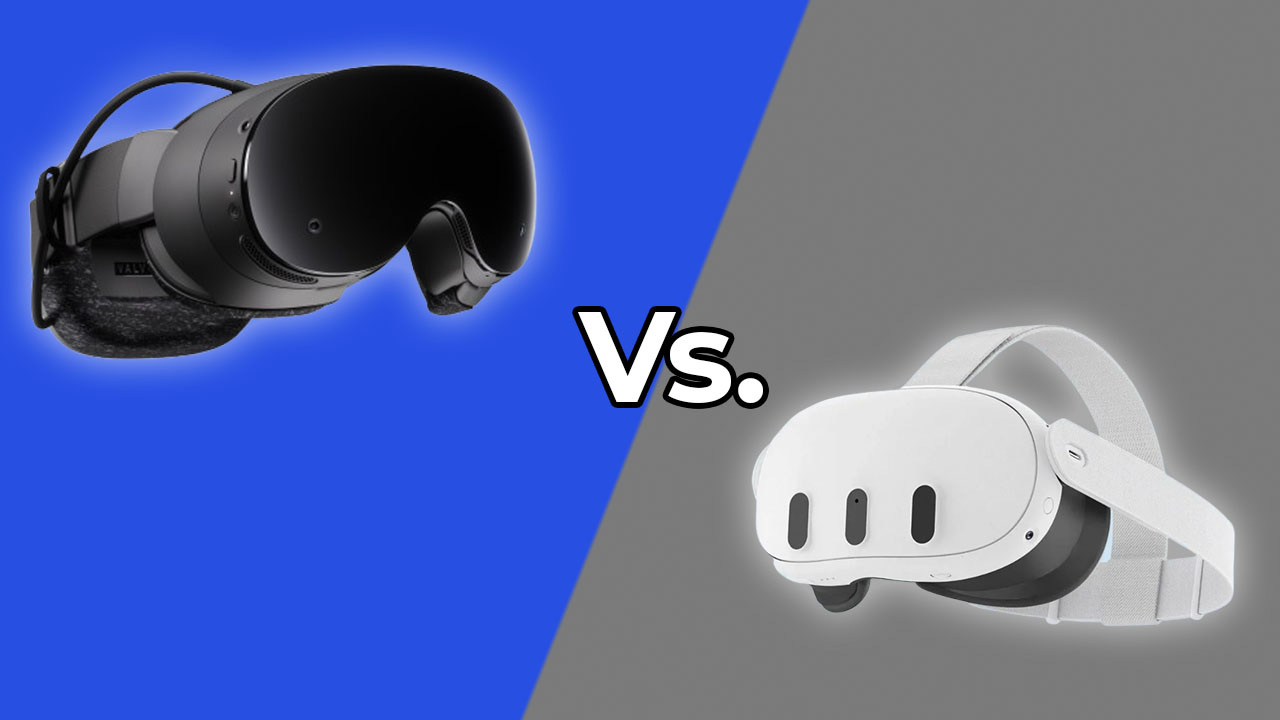

💪 The Steam Frame is generally superior in specs, featuring a faster processor, more RAM, a higher refresh rate, and expandable storage
💰 The Meta Quest 3 is available now and is competitively priced, while the Steam Frame’s price is unconfirmed but expected to be higher
👏 The Steam Frame excels in PC VR streaming, allowing users to play their entire Steam library, including exclusive titles like Half-Life: Alyx
🎨 The Meta Quest 3 has a major advantage in mixed reality, offering full-color passthrough compared to the Steam Frame’s monochrome passthrough
Valve’s Steam Frame is the company’s second attempt at a VR headset, and it should provide some stern competition for the market leader, the Meta Quest 3.
However, the Steam Frame isn’t just a more powerful version of the Meta Quest 3. Valve’s follow-up to the Index prioritizes unique features, which makes this comparison an interesting one.
We’re also missing a big piece of the puzzle with the Steam Frame. Valve’s headset releases in early 2026, but the price hasn’t been revealed yet. With the Meta Quest 3 so competitively priced, and with the even cheaper Meta Quest 3S available, the Steam Frame may end up as the enthusiast’s pick, similar to Valve’s Index.
Nevertheless, let’s see how the Steam Frame vs Meta Quest 3 plays out as we analyze the specs, games, and unique features of each VR headset.
Steam Frame vs Meta Quest 3: price
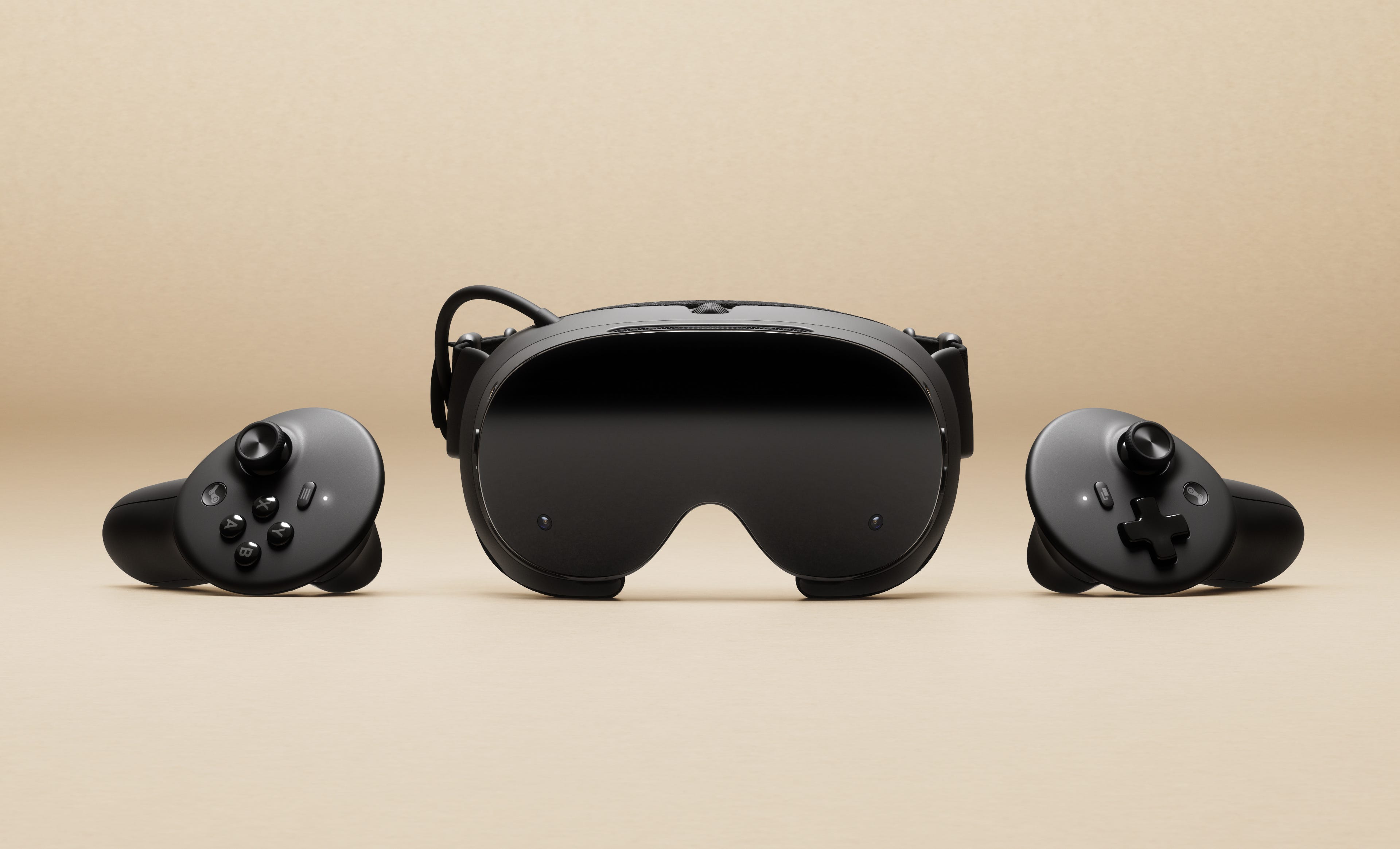
Valve hasn’t announced how much the Steam Frame will cost, but we can make a prediction. If Valve wants to give Meta a headache, it’ll have to price the Steam Frame appropriately. The good news is that the headset is unlikely to cost as much as the Index.
The Valve Index costs $499 for the headset alone, $749 for the headset and controllers, and $999 for the full kit including the headset, controllers, and base stations. While it’s unlikely the Steam Frame will cost $499, the standalone nature of the headset means it probably won’t cost $999, either.
With its superior specs over the Meta Quest 3, which costs $499 for the 512GB version, the Steam Frame should cost between $599 and $799. It’s worth noting that the Meta Quest 3 512GB originally cost $649, but was later reduced in price, with the cheaper 128GB model being phased out.
Steam Frame vs Meta Quest 3: specs

The Steam Frame is generally superior to the Meta Quest 3 specs-wise, though it isn’t a clear-cut victory. The Steam Frame is lighter, offers a better refresh rate, more RAM, expandable storage, a faster processor and Wi-Fi 7. Valve is also positioning it as a device you can stream games to from a PC, rather than simply being a standalone device.
It means the Steam Frame will deliver far more impressive VR titles. However, the Meta Quest 3 has full-color mixed reality passthrough compared to the Steam Frame’s monochrome passthrough, which is a big draw for some. Here’s how the Steam Frame vs Meta Quest 3 specs compare.
Steam Frame specs
Display and optics
Resolution: 2160×2160 LCD per eye
Refresh Rate: 72Hz, 90Hz, 120Hz, and 144Hz (experimental)
Optics: Pancake lenses
Field of View (FOV): Up to 110 degrees
IPD Adjustment: Variable with a physical dial
Performance and storage
Processor: Qualcomm Snapdragon 8 Gen 3
RAM: 16GB Unified LPDDR5X
Storage: 256GB or 1TB UFS
Expandable Storage: Yes, via a microSD card slot
Connectivity
Wi-Fi: Wi-Fi 7, with dual 5GHz and 6GHz radios
Wireless Adapter: Bundled Wi-Fi 6E (6GHz) USB adapter for direct, low-latency PC connection
Other specifications
Tracking: Inside-out computer vision tracking, with eye tracking support
Audio: Integrated dual audio drivers in the headstrap
Weight: 185g for the core unit; 440g with the standard headstrap and facial interface installed
Battery: 21.6 Wh rechargeable Li-ion battery located in the rear headstrap
Expansion Port: User-accessible front expansion port
Meta Quest 3 specs
Display and optics
Resolution: 2064 x 2208 pixels per eye
Refresh Rate: Up to 120Hz (with 72Hz and 90Hz support)
Field of View: 110º horizontal by 96º vertical
IPD Adjustment: Continuous slider between 58mm and 70mm
Passthrough: Full-color mixed reality passthrough
Performance and storage
Processor: Qualcomm Snapdragon XR2 Gen 2
RAM: 8 GB
Storage: 128 GB or 512 GB
Expandable Storage: No
Connectivity
Wireless: Wi-Fi 6E
Other specifications
Weight: 515g
Battery: Battery Capacity: 4985 mAh, approximately 2.2 hours of life, 18W charging
Steam Frame vs Meta Quest 3: games

The Steam Frame and Meta Quest 3 offer different libraries of games, each with their own advantages. A big plus for the Steam Frame is that Valve will let you play your entire Steam library on its headset in a new 2D display mode. There’s also support for hundreds of dedicated VR titles, too, like the excellent exclusive Half-Life: Alyx.
However, Valve is positioning the Steam Frame as a headset that you stream to, as well as play games in a standalone format. This gives it far more flexibility and power than the Meta Quest 3, as Valve’s foveated streaming tech and eye-tracking promise to deliver a better experience than we’ve seen from other wireless streaming solutions.
Meta has its own store and exclusive titles to choose from, along with subscription programs like Meta Horizon Plus free games. Meta has continued to snap up exclusives like Batman: Arkham Shadows and Marvel’s Deadpool VR. There’s a fantastic range of games on offer, but the prospect of playing your entire Steam library on the Steam Frame is a tantalizing proposition.
Steam Frame vs Meta Quest 3: which should you buy?
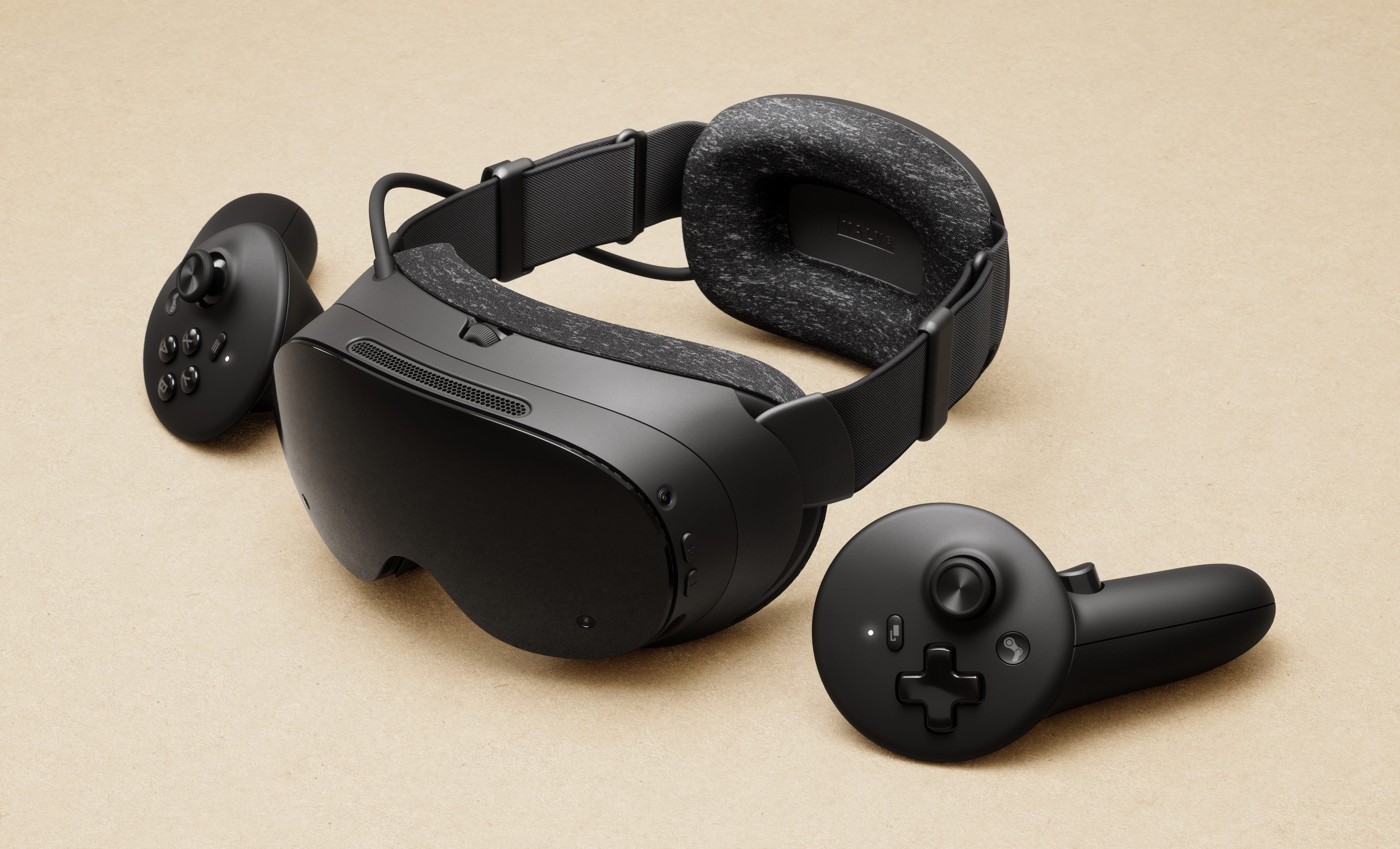
The Steam Frame feels like the next big thing for VR, though some may see it as more of a refinement than an evolution of the Meta Quest 3. The price will be a defining factor in its success, but its open-ended nature means it’ll appeal to tinkerers.
Steam Frame is more capable than the Meta Quest 3, and its foveated streaming tech has big potential to make VR even more accessible. But it seems like Valve is less interested in mixed reality, which is an area the Quest 3 should still shine.
Both headsets will deliver a great way to experience VR, and having more options only benefits consumers in a market that still hasn’t quite hit the mainstream. We’ll update this article once we get the Steam Frame’s price, as that will have a big impact on which headset is easier to recommend.
Up next: Steam Machine vs PS5: which system is right for you?
Adam Vjestica is The Shortcut’s Senior Editor. Formerly TechRadar’s Gaming Hardware Editor, Adam has also worked at Nintendo of Europe as a Content Marketing Editor, where he helped launch the Nintendo Switch. He also runs a retro gaming YouTube channel called Game on, boy! Follow him on X @ItsMrProducts.