



🧠 A new study has found that doing challenging mental exercises for up to 30 minutes a day can offset up to a decade of brain aging
📈 Participants in the study found a 2.3 percent increase in their acetylcholine levels over a 10-week period
💭 Acetylcholine is a chemical messenger in the brain, and is responsible in part for learning, memory and attention functions
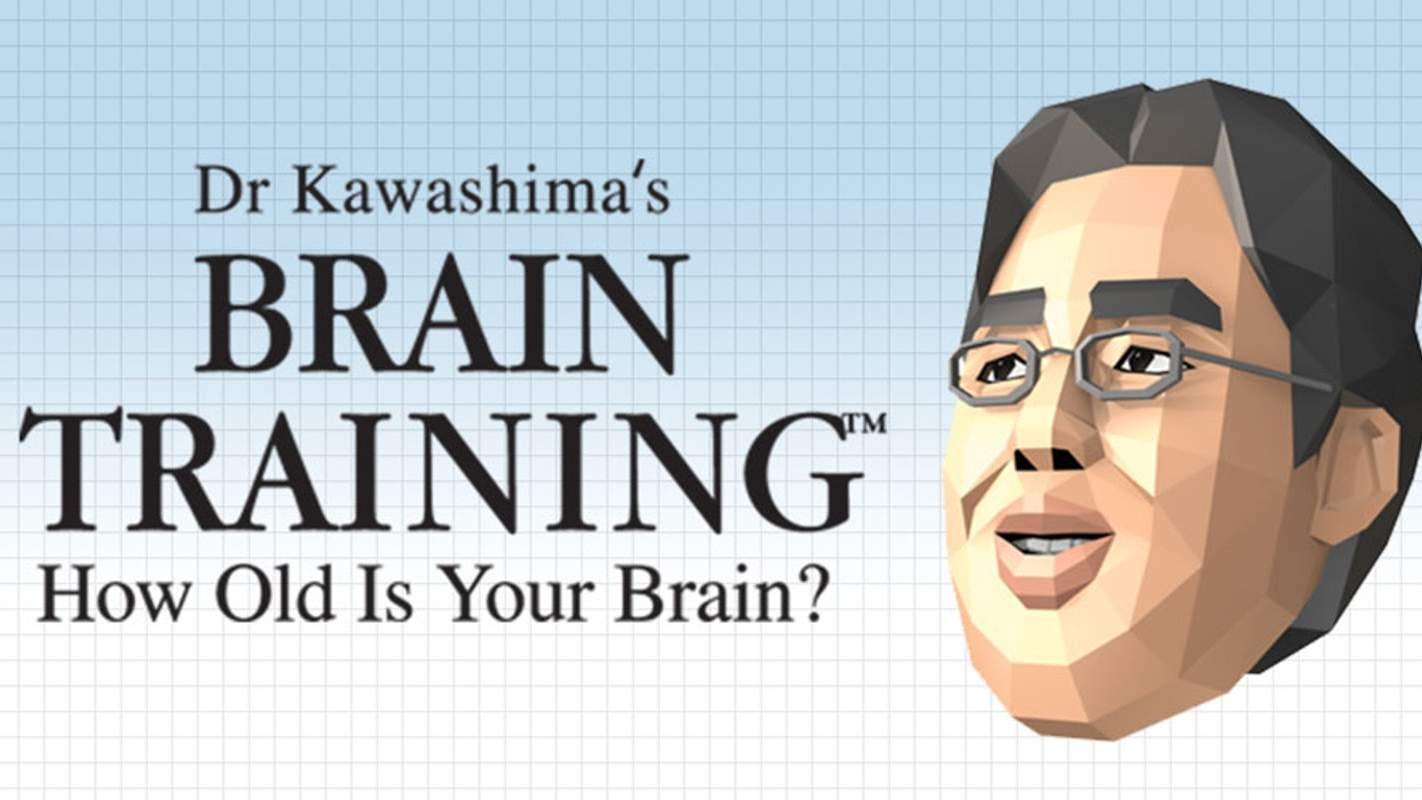
👨⚕️ The original intention of games such as Dr. Kawashima’s Brain Training on the Nintendo DS was to help improve similar functions
If you played a lot of Dr. Kawashima’s Brain Training on the Nintendo DS or Nintendo Switch, then it might have a positive effect on your brain after all.
That’s according to a new scientific study that noted that doing challenging mental exercises for 30 minutes a day could offset up to a decade of brain aging.
The study found that doing exercises for 30 minutes boosts the chemical messenger acetylcholine, whose job it is to carry messages across the brain. Having more of that chemical can also improve learning, memory and attention functions. Typically, the level of acetylcholine decreases with age.
To be specific, the study monitored 95 people over the age of 65 for a 10-week period. Over those 10 weeks, they found a 2.3 percent rise in acetylcholine levels after doing brain training exercises for half an hour a day.
This 2.3 percent rise may not seem like a lot, but as NPR noted, the decrease in acetylcholine levels over the course of a decade due to ageing is 2.5 percent, proving the benefits of rigorous brain training exercises are significant.
The fact is that the training exercises undertaken need to exercise certain specific parts of the brain, such as Dr. Kawashima’s Brain Training. Playing the likes of Candy Crush or a card game like Solitaire won’t do the same job. That’s what half of the study’s participants played, and found no change to their acetylcholine levels.
The old Brain Training games that Nintendo developed were with neuroscientist Dr. Ryuta Kawashima, who specialized in brain age and dementia prevention, and those titles were designed to achieve a similar purpose to this study. It turns out that they really do work.
Up next: Nintendo Switch 2 is getting four new games – including one of the most popular RPGs
Reece Bithrey is a journalist with credits in Trusted Reviews, Digital Foundry, PC Gamer, TechRadar and more. He also has his own blog, UNTITLED and graduated from the University of Leeds with a degree in International History and Politics in 2023.