



Most people open TurboTax once a year, file their taxes, and forget it exists until the following spring. Credit Karma gets a quick check-in whenever someone’s nervous about their credit score. And then both apps sit dormant for months. Intuit wants to change that in a big way.
The Shortcut recently sat down with Mark Notarainni, EVP and General Manager of Intuit’s Consumer Group, to dig into the company’s broader consumer platform. The big idea is connecting Credit Karma and TurboTax into something you’re actually engaging with every single day, not just when the IRS comes calling. It was a genuinely eye-opening conversation, and Notarainni had a lot to say about where Intuit is headed and why now is the right time to pay attention.
Here are the most impactful things he told us.
💳 $30 billion in credit card benefits goes unclaimed every year
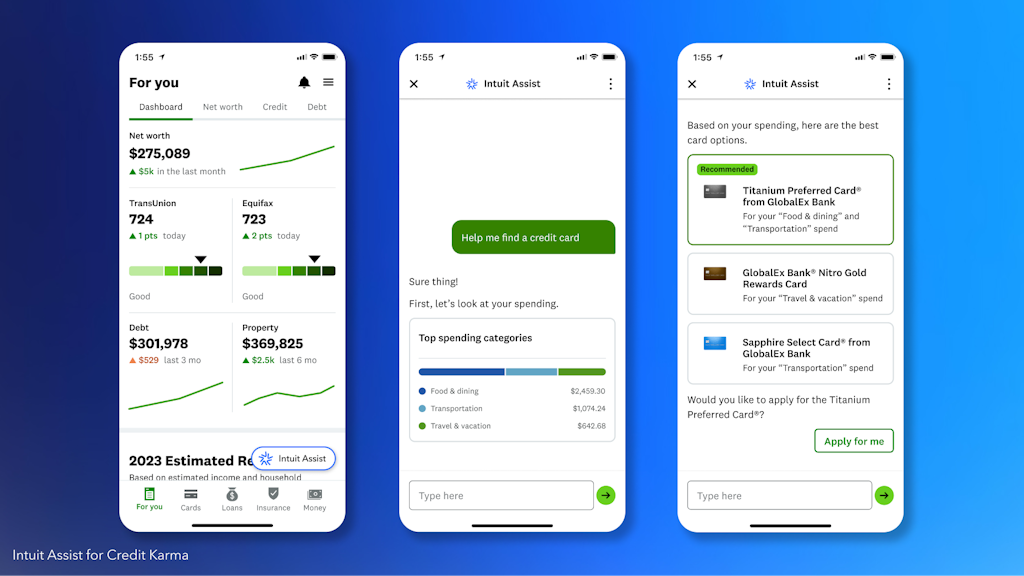
One of the biggest reveals from our conversation was the scale of money people are leaving on the table without even realizing it. Credit Karma’s card optimizer – which analyzes your connected accounts and surfaces the best card to use for a given purchase or booking – exists precisely because of this problem.
“There was about $30 billion of credit card benefits that are kind of left behind every single year. It’s clearly a problem that consumers have. How do you consume all of these amazing benefits that these cards promise us?”
Matt actually lived this firsthand. He rebooked his CES hotel across two credit cards after Credit Karma flagged he was leaving $500 in benefits unused. That’s not a hypothetical – that’s real money, and it’s the kind of alert most people have no idea they could be getting.
🤖 The debt agent is saving people $300 a month
For the 57% of Credit Karma members carrying revolving debt, Notarainni says Intuit’s newly launched debt agent is already making a tangible difference. The tool works by pulling from 70,000 data points per consumer, monitoring your connected accounts, and then matching you with the best financial products from a network of thousands of options – and it even completes the application for you.
“With our debt agent that we just launched a couple months ago, we’re saving customers on average $300 a month. That’s real money back in your pocket, especially at this time.”
At a moment when inflation is still on everyone’s mind, $300 a month is the kind of number that makes you stop and think.
🔗 The one action you should take tonight
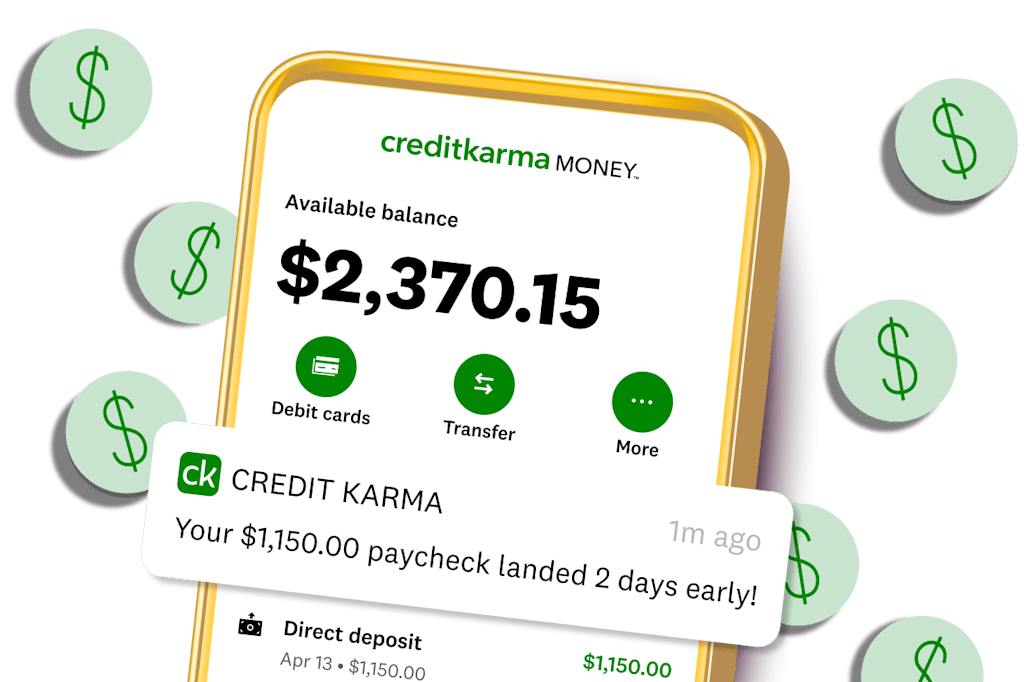
When we asked Notarainni for a single, actionable thing anyone could do right now to start saving money, his answer was simple. And free.
“Go into Credit Karma, connect your accounts, and let the magic start. Once you connect your accounts, that’s when magic actually starts happening. That data starts to unlock and feed our models to help you make those decisions every single day.”
It’s a low-lift first step, but according to Notarainni, it’s what unlocks the platform’s full potential. Without connected accounts, you’re just staring at a credit score. With them, you’ve got a system actively working for you.
🔒 Your data is only ever used to serve you
Of course, the natural follow-up to “connect all your accounts” is: how safe is that, exactly? It’s a fair concern. TurboTax holds your W-2s, your 1099s, your entire financial life. We pressed Notarainni on this directly, and he didn’t hedge.
“Everything starts and ends with the protection of our data. We only use that product to serve you and make you better, either in maximizing your refund from a tax return to getting you the right HELOC loan for your situation. Everything that we design in our product starts with data integrity and data stewardship. That’s core to everything.”
Notarainni also noted that Intuit established a formal set of AI principles nearly eight years ago, well before the current AI boom, built specifically around data integrity. Whether you take that at face value is your call, but it’s clear this isn’t something the company is figuring out on the fly.
🧠 On compounding interest and Americans’ biggest money mistake
We asked Notarainni what frustrates him most about how Americans handle their money, and his answer after 18 years at Intuit was pointed.
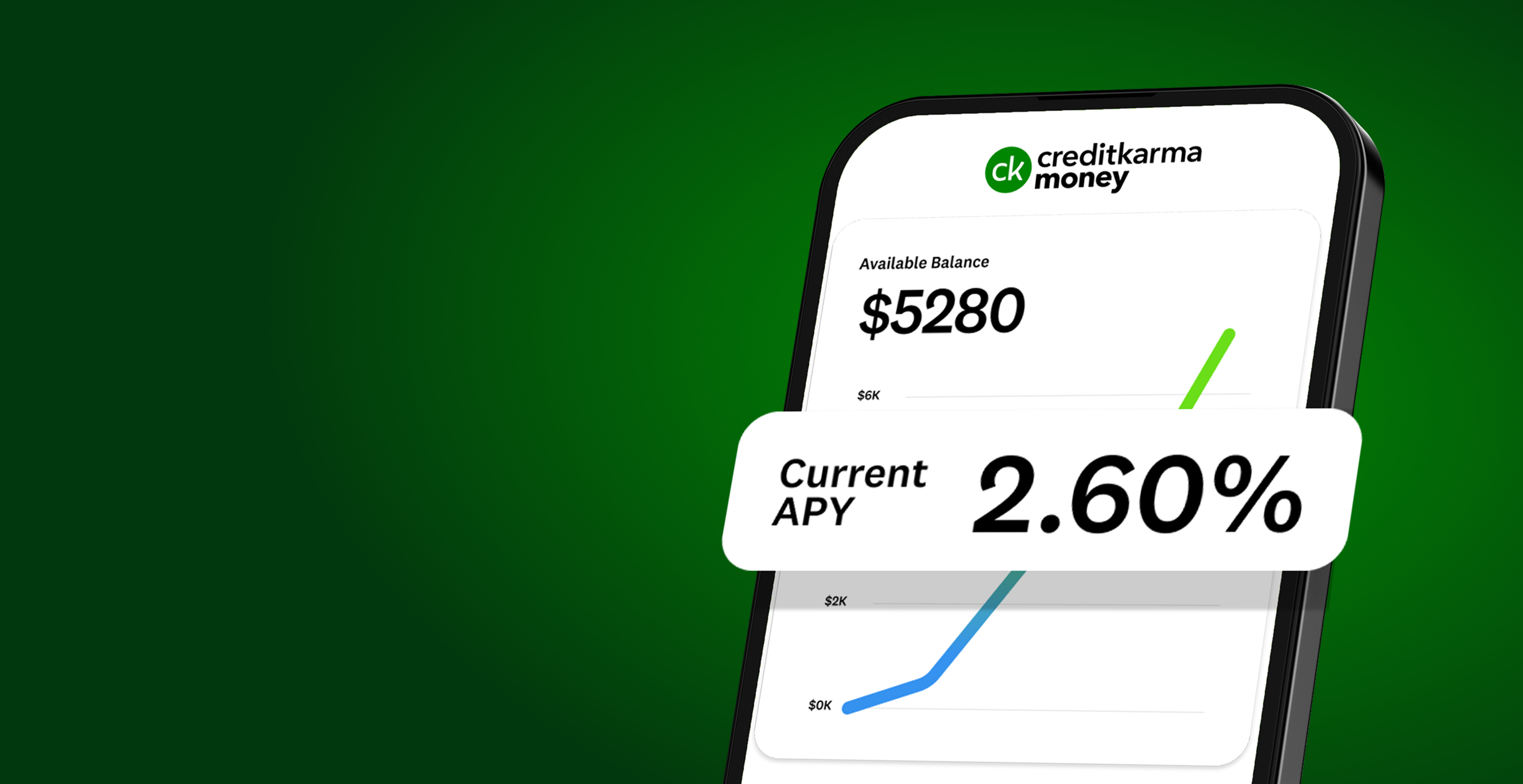
“The thing for me is the power of compounding interest. People kind of look at saving money as this big, daunting task. Just take 5% of whatever you’re making and put it away, and you’ll be shocked at how that can grow for you. And so many people don’t understand that.”
It’s simple advice, but it’s the kind of thing that’s easy to overlook when the day-to-day feels overwhelming. The good news is that Intuit is actively building tools like its Refund Assistant feature, which helps you make smarter decisions with your average $3,500 tax refund, to help bridge that gap between knowing you should save and actually doing it.
🤝 AI and humans working together, not against each other
One of the bigger themes running through our entire conversation was how Intuit thinks about the role of AI in personal finance, a space where getting things wrong has real consequences. Notarainni was direct about where the guardrails are.
“The opportunities of AI and HI [human intelligence] coming together just enables us to serve so many more people with these amazing experiences, and remove that fear, uncertainty, and doubt. You’re always in control of the decision. Our AI is intended to ensure that we present it in a way that makes it super personal, very consumable, and then you’re always in control.”
It’s a philosophy that cuts against the fully automated, hands-off approach a lot of AI products are leaning into right now. For something as high-stakes as your taxes and finances, that human element staying in the loop feels like the right call.
The takeaway from everything Notarainni shared is that Intuit doesn’t want to be your tax app anymore. It wants to be the financial co-pilot you didn’t know you needed, and if our conversation is any indication, it’s building the products to actually back that up.
Have you tried Credit Karma to keep tabs on your finances? Ever filed taxes with TurboTax? Leave us a comment and let us know!


