


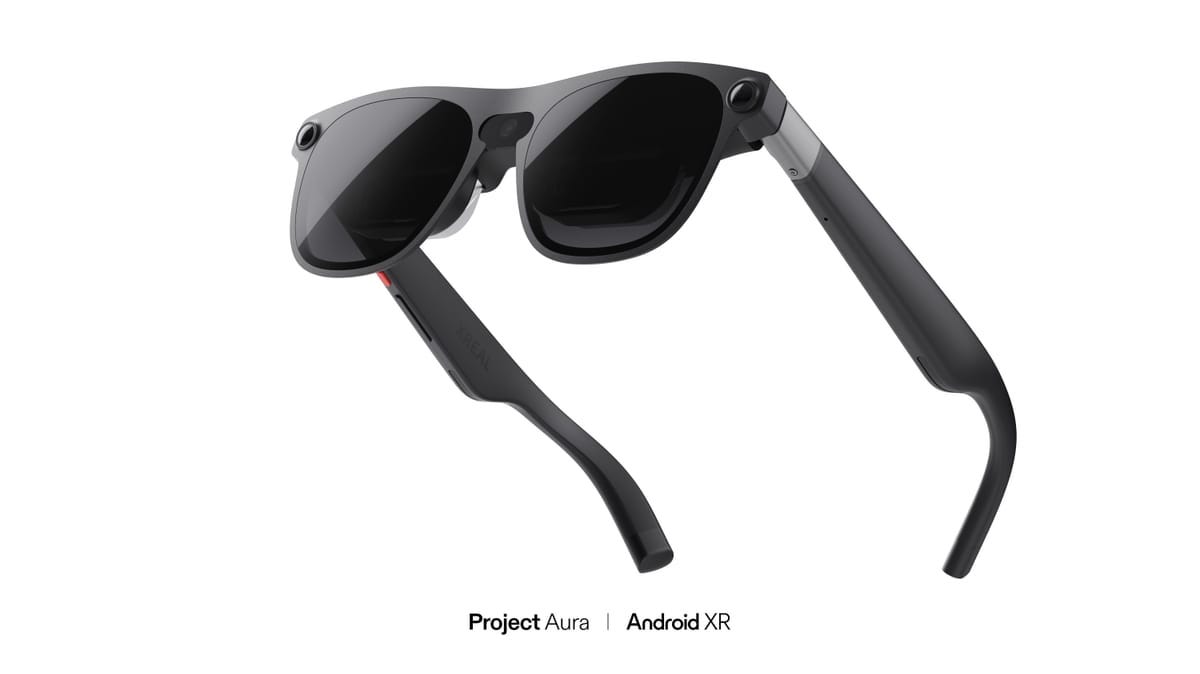

👀 The latest device running Google’s Android XR has been shown off
🕶️ The Project Aura smart glasses, co-developed with XReal, were first shown off at Google I/O 2025
🤖 The device is a pair of smart glasses with displays inside that run the new Android XR operating system
📆 They could see a release in 2026 according to new information
The latest device to run Android XR, the Project Aura glasses, has just been shown off, giving us a better look at what could be the next generation of Android wearable tech.
Teased at Google I/O this year, the Project Aura glasses are a collaboration between XReal and Google, and come as the second device to run Android XR. The first was Samsung’s Galaxy XR headset.
What is Project Aura?
Project Aura is a strange device, fitting somewhere between the established boundaries of smart glasses and headsets.
According to a recent hands-on from The Verge, Google terms Project Aura as “wired XR glasses”, and they look like a chunky pair of sunglasses with a cord hanging off the side.
As with other smart glasses, they can be hooked up directly to a laptop and provide up to a 70-degree FOV, although they also have the powers of Gemini AI inside, so you can use Google’s Circle to Search to find more about displayed images.
The difference between Project Aura and other XR devices, such as the Apple Vision Pro and new Meta Ray-Ban Display, is the presence of Android XR. It’s designed to be a much more open system for developers than existing XR operating systems, which developers have only just been allowed access to in some cases. With potentially wider app support for Android XR, it gives folks a stronger motivation to potentially pick up a pair of smart specs.
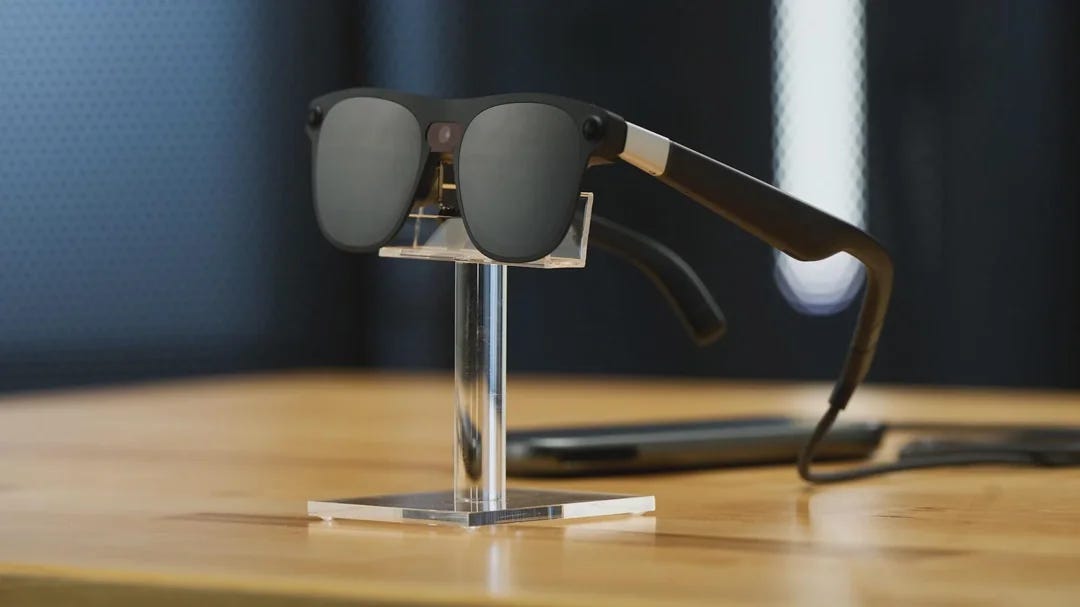
According to a Google representative speaking to The Verge, everything that worked in their hands-on demo with Project Aura was ported over from Samsung’s Galaxy XR, and none of it had to be remade to go from headset to glasses.
Likewise, it can port data from existing Android apps without stuff having to be remade for Android XR, especially. The Uber app exists as a widget in the display that shows details such as estimated pickup time, a map of a location and directions to a pickup area.
The same is also true when asking Gemini to play music from YouTube Music – it comes from the existing app on an Android phone, rather than a specific XR one, meaning the glasses can work with a range of apps out of the box already on a user’s phone, in theory.
Is Project Aura just Google Glass again?
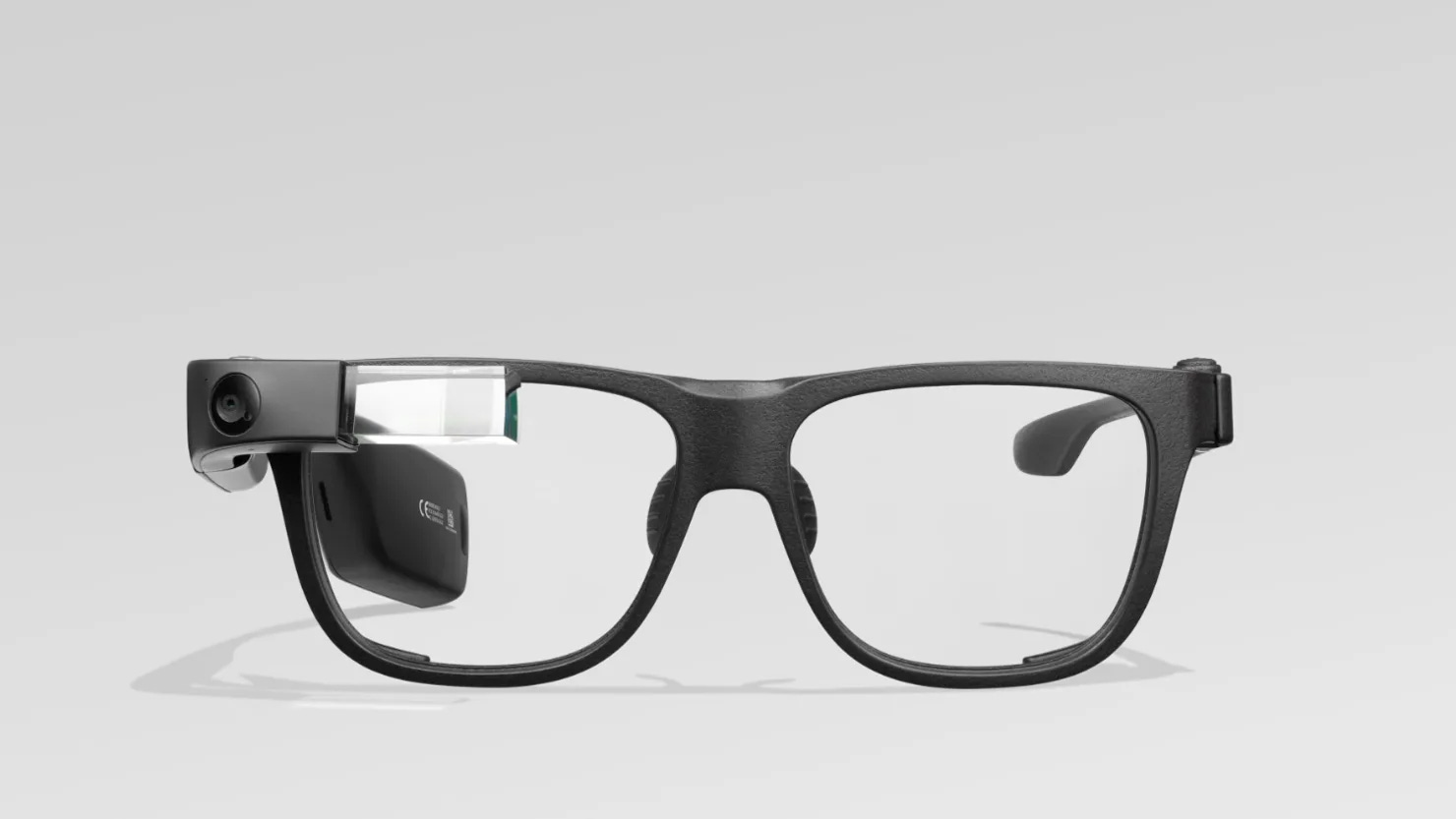
Yes, and no. The notion of having wearable smart glasses with screens inside is sure to echo memories of Google Glass, and its huge failure, and while the concept is similar, technology has moved on a lot to make Project Aura a lot more viable.
The Verge’s writeup discusses how Google is learning from its past mistakes by deliberately partnering with other firms, such as XReal, to focus on the hardware. In addition, a more inconspicuous design for the units themselves is designed to make them look “normal”, plus there are actual apps available pre-launch. Android XR has the power to be a real game-changer if all goes to plan.
Moreover, Google is exploring different form factors for its prototypes, with some being audio-only wearables, while others have displays in one or both lenses.
Up next: New iPhone 18 rumor says Face ID is disappearing under the screen
Reece Bithrey is a journalist with bylines for Trusted Reviews, Digital Foundry, PC Gamer, TechRadar and more. He also has his own blog, UNTITLED, and graduated from the University of Leeds with a degree in International History and Politics in 2023.