



🚀 TCL just launched five new TVs, including its flagship X11L we previewed at CES
📺 New: QM8L & QM7L (SQD-Mini LED) and RM9L (its first RGB-Mini LED)
🥇 QM8L is the one most people will want – 6,000 peak nits, 4,000+ dimming zones, from 65 inches and up
💰 It starts at $2,499 (before Best Buy’s up to $1,000 off deal), so TCL is positioning it against rivals’ flagships, not their mid-tier
🥈 QM7L is the new value play and the only TV in its class hitting 100% BT.2020 color
💰 It starts at $1,199 (Best Buy knocks off up to $1,000)
🏆 RM9L is TCL’s first RGB-Mini LED, but reps are openly telling us SQD is the better buy – a weird flex that actually makes sense once you understand the tech
🛍️ All new models are up for pre-order, with the QM8L available now.
I sat through TCL’s 2026 TV product briefing and epic live stream last week, and something unusual happened: the company spent a good chunk of the presentation explaining why you shouldn’t necessarily buy one of its new RGB LED TVs.
Not because it’s bad. But, because TCL’s SQD-Mini LED technology is so much better.
That TV is the RM9L, TCL’s first RGB-Mini LED, and it’s a genuinely impressive piece of hardware. But if you want the best the company has to offer, TCL wants you to look at its SQD-Mini LED lineup instead – specifically the new QM8L, which it calls “The Ultimate Choice.” After sitting through the pitch and re-reading The Shortcut’s TCL QM8L hands-on from this weekend, I think TCL might be right.
Here’s what you need to know about all five 2026 TCL TVs, what they cost, and which one actually makes sense for your living room.

The 2026 TCL TV lineup at a glance
TCL X11L (SQD-Mini LED) – The flagship. Up to 20,000 dimming zones, up to 10,000 peak nits, 0.8-inch depth
RM9L (RGB-Mini LED) – TCL’s first RGB TV, in 85-, 98-, and 115-inch sizes
QM8L (SQD-Mini LED) – The new ‘Ultimate Choice’ for most consumers
QM7L (SQD-Mini LED) – ‘Extraordinary Color’ starting at 55 inches
QM6K (QD-Mini LED) – Carrying over from 2025, now with a new 50-inch size
All of them share TCL’s Enhanced Halo Control System, which got meaningful upgrades in 2026: a 26-bit backlight controller (up from 23-bit last year), shorter Micro-OD optical distance, and “shadowless light supports” – clear plastic struts inside the panel that let light pass through without casting shadows. Small stuff, but it adds up to more accurate color, better near-black detail, and virtually no blooming.
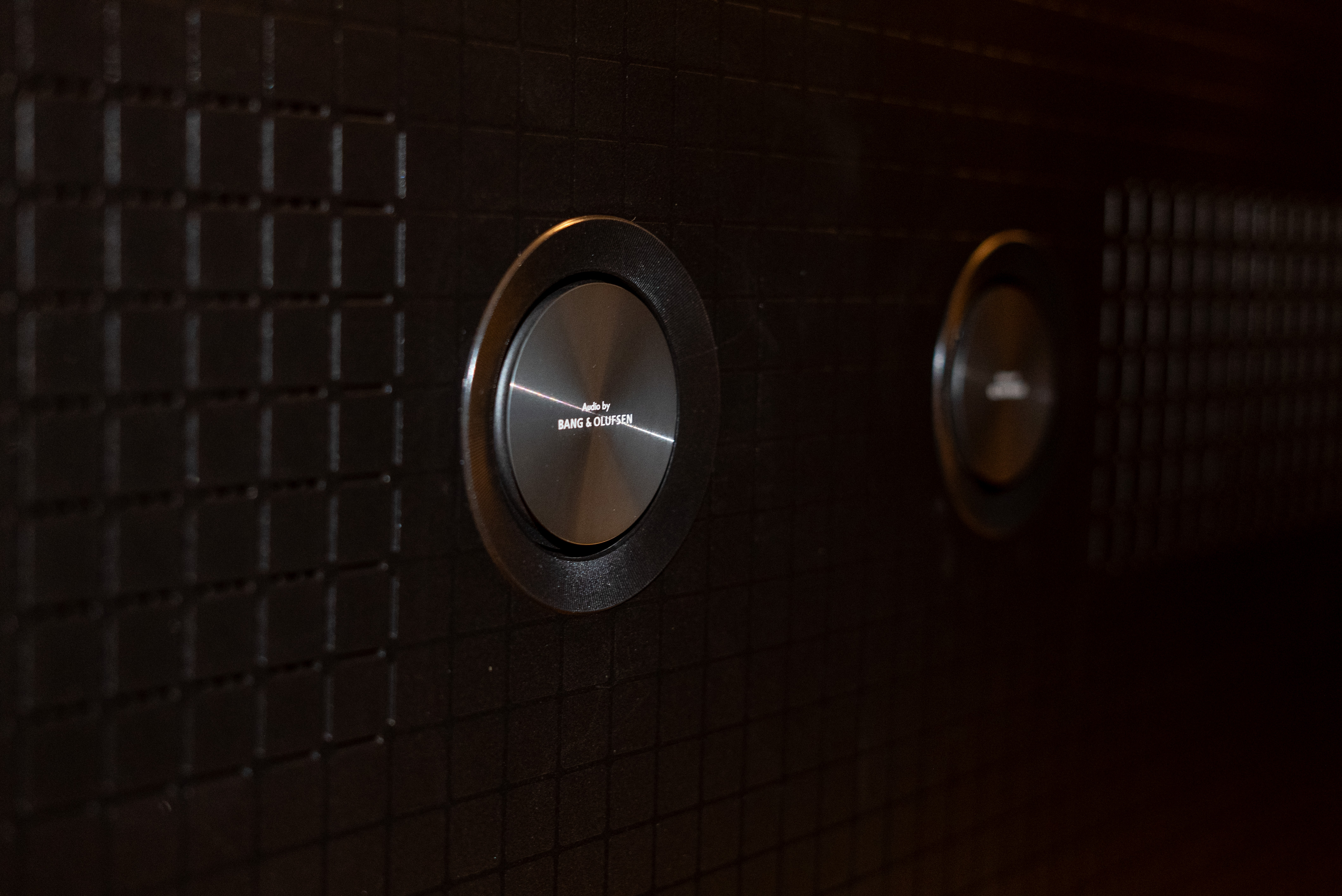
Also shared across the top four: audio by Bang & Olufsen baked into the internal speakers, an expandable audio system, Google TV with Gemini, and Dolby Vision 2 Max coming via an OTA update a few months after the TVs ship.

The QM8L is the TV to beat in 2026
The QM8L replaces last year’s QM8K – one of the best TVs I tested in 2025 – and on paper, it’s a genuine upgrade where it counts. Scott Ramirez, TCL’s VP of Product Marketing and Development, summed it up this way: “The QM8K received lots of accolades last year. Well, the QM8L is simply a better TV, and the biggest area where it’s better is color.”
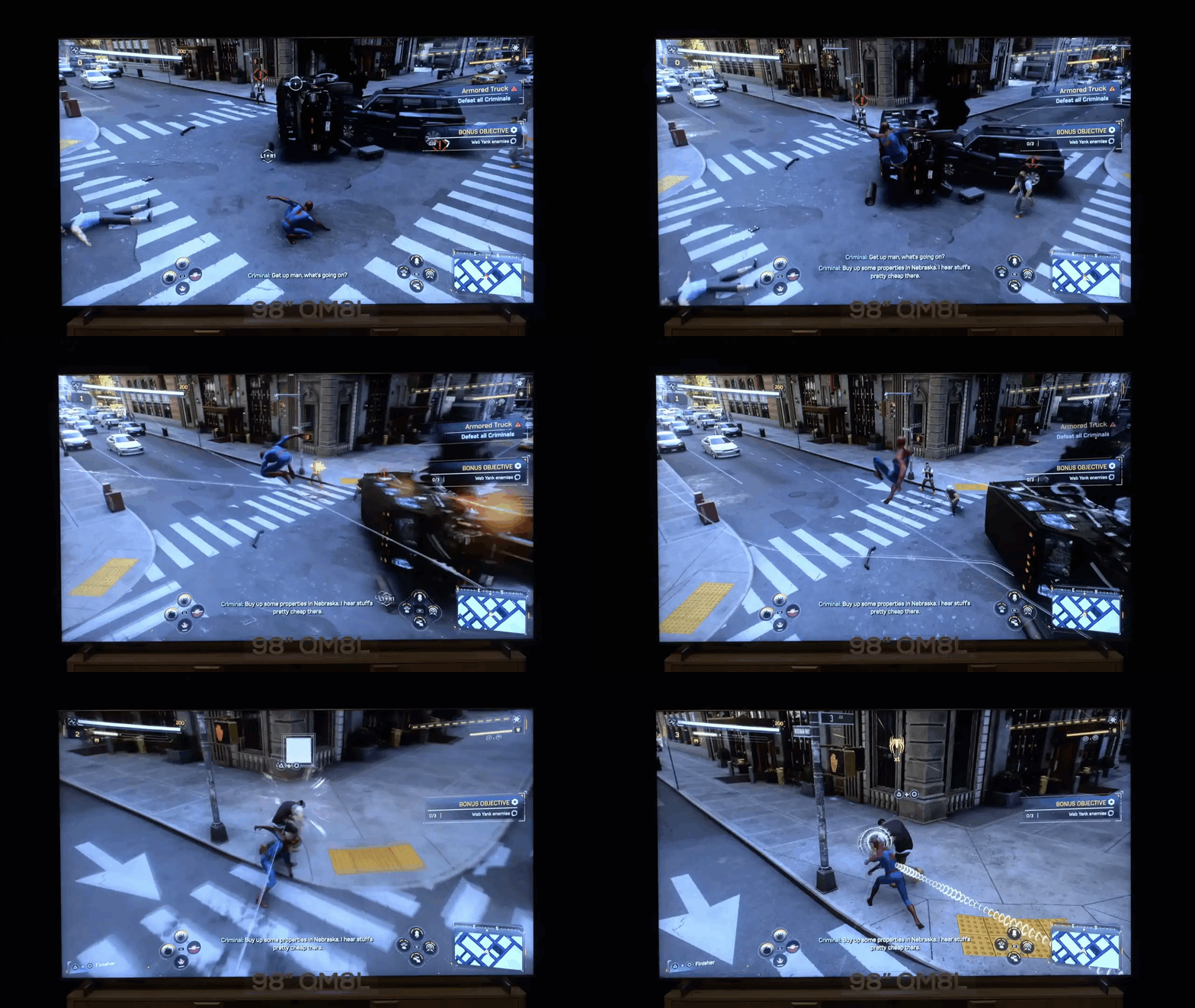
Brightness climbs to up to 6,000 peak nits. Dimming zones climb to 4,000+. The new WHVA 2.0 Ultra Panel brings TCL’s Deep Color System, which means 100% BT.2020 color – the same deeper color volume you get on the $10K+ X11L flagship. Same TSR AI Pro processor. Same Dolby Vision 2 Max support coming OTA.
What you give up versus the X11L: the ultra-thin 0.8-inch cabinet with its built-in soundbar, and 16,000 fewer dimming zones. In exchange, the 65-inch QM8L is $2,499.99 – a price that gets you nowhere near Samsung’s or Sony’s flagships.
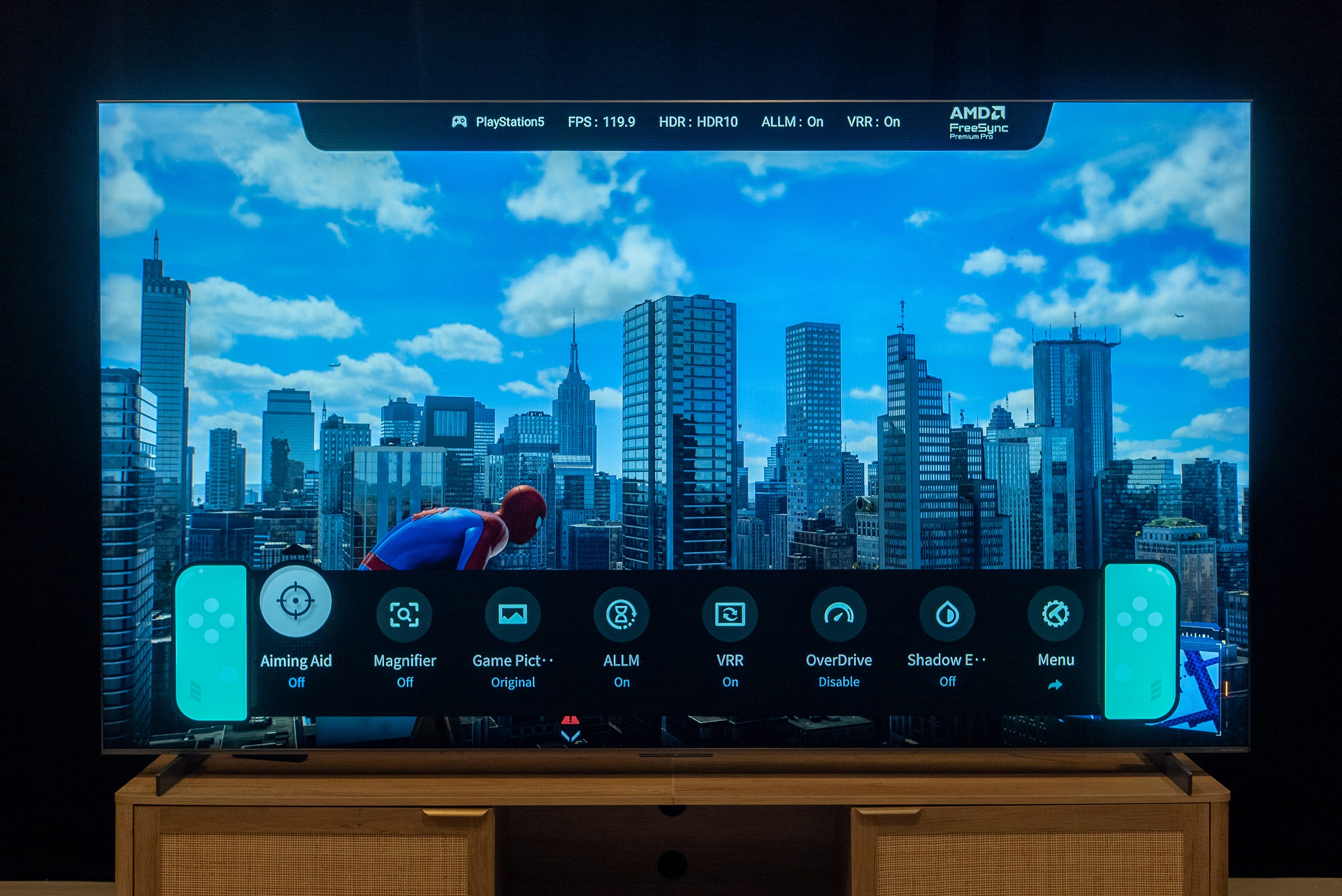
QM8L pricing (available now):
65”: $1,799 (was $2,499)
75”: $1,999 (was $2,999)
85”: $2,999 (was $3,999)
98”: $4,999 (was $5,999)
TCL’s framing is aggressive. Ramirez made the case that the QM8L’s up-to-6,000 peak nits is roughly 50% brighter than competing flagship TVs this year. I’ll verify that with our full QM8L review when we get TV units into The Shortcut’s NYC office, but it tracked with what I saw in the demo room.

The QM7L is a sleeper value
If the QM8L is the Ultimate Choice, the QM7L is the one I’d recommend to most people who don’t have “premium TV” budget money. It hits the same 100% BT.2020 color as the QM8L and X11L, because it uses the same TCL Deep Color System. Straight-on, the color volume is identical to its more expensive siblings. You lose the wider color viewing angle, the ZeroBorder design, and you drop to the non-Pro TSR AI processor and Dolby Vision IQ. Dimming zones cap at 2,100+ and brightness that “only peaks at up to 3,000 nits.”
The part worth emphasizing: 3,000 peak nits is brighter than most premium OLEDs on the market. Remember that when you’re cross-shopping this against a 65-inch LG G6-series, or its more direct competitor, the LG B6.
QM7L pricing (pre-order now)
55”: $999 (was $1,999)
65”: $1,299 (was $1,499)
75”: $1,499 (was $1,999)
85”: $1,999 (was $2,499)
98”: $2,999 (was $3,999)
That 55-inch is the only 55-inch in the new high-color lineup – the QM8L starts at 65 inches – making the QM7L the default pick for smaller rooms.

RM9L: TCL’s first RGB-Mini LED, and why TCL is selling against it
The RM9L is a genuinely impressive product: a 120-bit color system (30-bit backlight controllers × three channels), narrow-band RGB LEDs, dual RGB elements per zone (which TCL says extends the life of the red LEDs that would otherwise wear out first), 3,800+ discrete dimming zones, and up to 6,000 peak nits.
RM9L pricing (pre-order now)
85”: $5,999 (was $7,999)
98”: $8,999 (was $9,999)
115”: $24,999 (was $29,999)
Here’s the strange part. During the briefing, Ramirez spent real time explaining why RGB-Mini LED is a worse technology for most people compared to TCL’s own SQD-Mini LED. I asked about positioning, and he didn’t dodge it: “Our position is this, if you want RGB, we think we have the best one. If you want something better than that, we have something better than that, which is SQD.”
The technical argument, stripped down: RGB-Mini LED introduces color crosstalk in mixed-color scenes that SQD physically can’t produce. According to TCL, SQD-Mini LED will always produce purer colors than RGB LED.
RGB also needs three backlight controllers per element instead of one, which costs more – meaning at any given price point, an RGB TV has fewer dimming zones than an SQD TV. That means worse black levels and lower peak brightness per dollar.
TCL also demonstrated that some RGB TVs switch their “RGB” LEDs to a white backlight when higher brightness is required, leaving the color filter to produce all the colors you see. While this isn’t true of all RGB TVs, this ultimately defeats the purpose of having separate red, green, and blue LEDs.
TCL built the RM9L, then openly told me to buy the QM8L instead. That’s either self-sabotaging marketing or a company confident enough in its product stack to stop pretending every tier is the best choice. I think it’s the latter.
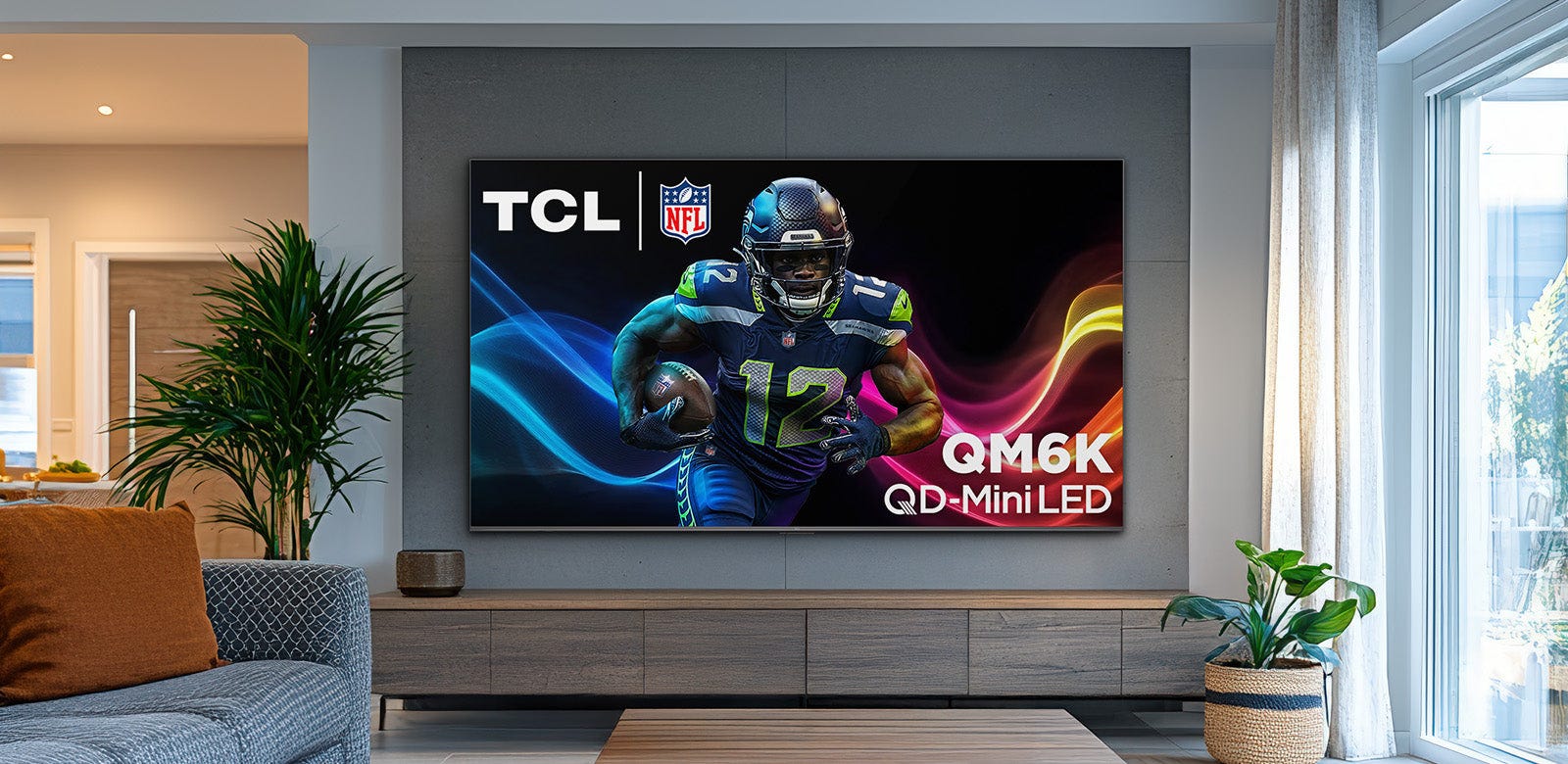
The QM6K is back, now in 50 inches
TCL is carrying over the QM6K without major changes, but adding a 50-inch size. No 100% BT.2020 color at this tier, but you still get the precise local dimming that made the series worth buying. This is the pick for anyone who wants a respectable TCL without thinking too hard about the spec sheet.
Expandable audio: the small thing that’s actually a big deal
One genuinely useful upgrade didn’t get enough airtime during our hour-long live stream: TCL’s new expandable home theater audio system. If you don’t want a soundbar cluttering your setup but want room-shaking bass, you can now buy TCL’s wireless subwoofer as a standalone add-on that pairs with the TV’s internal Bang & Olufsen-tuned speakers. Later, add Dolby Atmos FlexConnect wireless satellites – two in the rear get you surround, two more up front upgrade you to a full 4.1.4 Atmos dome. All wireless, all with one-button calibration.
For anyone who’s ever had to choose between “I want better TV audio” and “I don’t want a soundbar ruining my living room aesthetic” – this solves it.

Should you buy a new TCL TV? Which one?
If you’ve got flagship money, the TCL X11L is still the hero product. But the smarter play for most people is the QM8L, which delivers most of the flagship experience at a price that starts thousands lower. If you’re shopping sub-$1,500 for a 55 or 65-inch, the QM7L is now the only TV in its class offering this level of color.
The RM9L is for buyers who specifically want an ultra-large and don’t blink at $8K-$30K. For everyone else, TCL is telling you – out loud – to buy the SQD. I’m inclined to agree, and I can’t wait to get one into The Shortcut’s new office.
More TCL TV coverage: The Shortcut’s TCL QM8L SQD-Mini LED hands-on review