


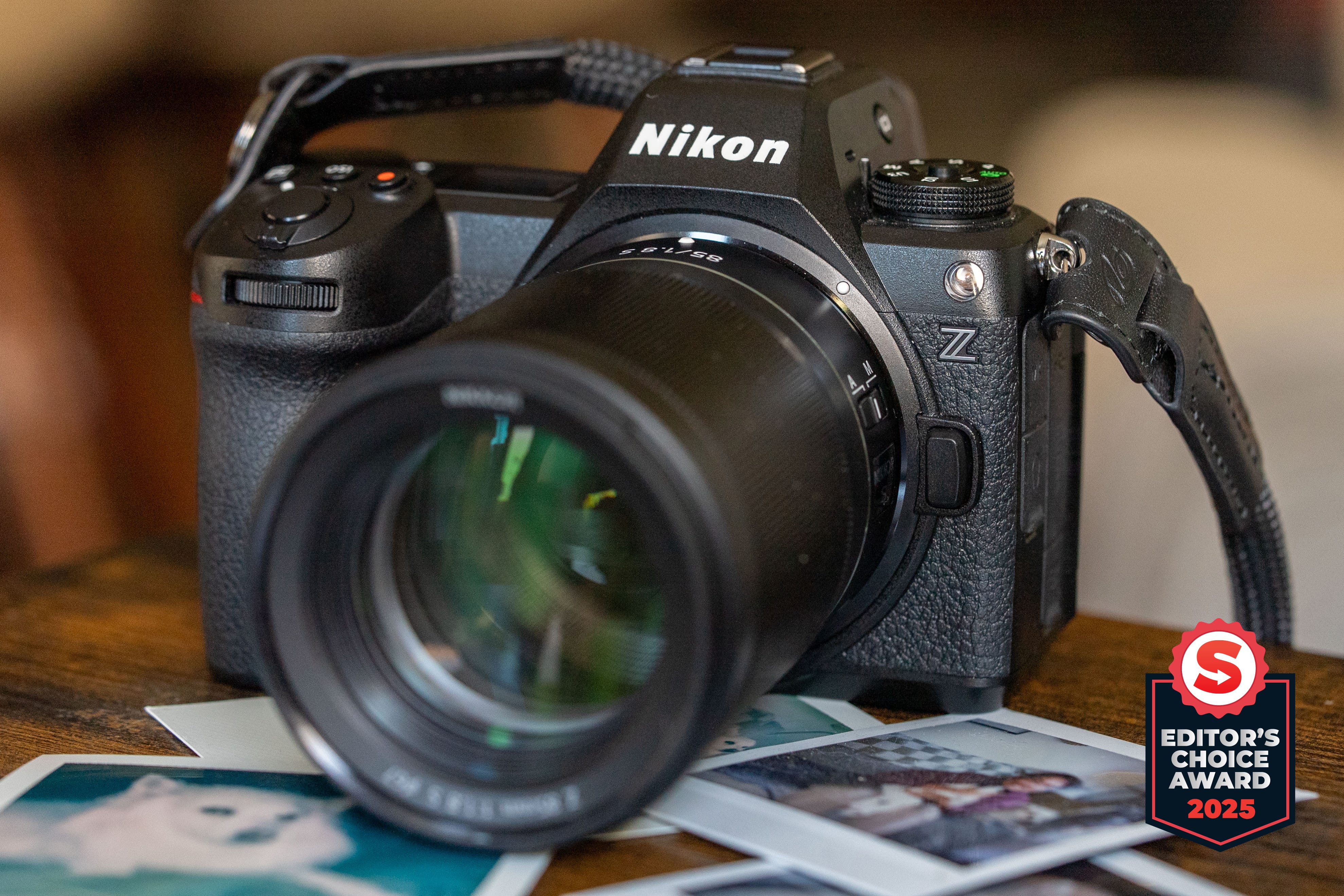
🏆 Review score: 4.5 out of 5
🏅 Editor’s Choice Award

Pros
✅ ⚖️ 24.5MP sensor hits the sweetspot between resolution and low-light perf
✅ 📸 Flagship-grade burst rate and fast AF speed
✅ 🎥 12-bit Nikon RAW and 10-bit RAW ProRes movie shooting
✅ 👁️ Fast, super bright 4,000-nit and 120Hz viewfinder
✅ 🔋 Exceptional multi-day battery life
Cons
❌ 📢 Partially stacked sensor adds noise
❌ 🔅 Sensor also loses one stop of dynamic range at ISO 100-400
❌ 🫨 Video stabilization is good, but not the best


The Shortcut Review
The Nikon Z6 III is truly a camera that can do it all. Whether it's wildlife photography, nightlife, fireworks photography, or travel vlogging, the Nikon Z6 III can tackle anything with aplomb. It doesn’t necessarily excel at any of these tasks over others, but it’s a very flexible and balanced camera for any kind of shooting.
The star of the Nikon Z6 III’s performance comes from its novel, partially stacked 24.5MP sensor. This sensor gives you plenty of resolution to capture detail and crop in, while also not hindering low-light performance or your storage drives. The sensor design “partially stacks” memory and processors onto the sensor for faster burst speeds and readouts. However, this burst of speed comes with the downsides of less dynamic range and more noise. Still, even with that trade-off, I can see more shooters relishing the extra speed than missing dynamic range or spotting noise.
The Nikon Z6 III is also one of the most flexible video cameras with support for Nikon RAW and Apple ProRes. What’s more, you can shoot at 6K60p and 4K60p in camera without needing any external recorders. Nikon has rounded out this great photo and video camera with a super-bright and fast viewfinder, excellent controls and ergonomics, and direct Wi-Fi uploads to multiple cloud services.
Nikon Z6 III is priced at $2,199, making it comparable to the $2,199 Sony a7 IV and the $1,899 Canon EOS R6. However, with prices due to increase on June 23 due to the Trump tariffs so don’t wait to purchase this camera.


Full Review
📸 Novel image sensor. The Nikon Z6 III was launched with the world's first partially stacked 24.5MP sensor, which affords it faster continuous shooting rates, higher video frame rates, and reduces rolling shutter. It’s not nearly as fast as a fully stacked sensor, as seen on the Nikon Z8 or Z9, or the original Sony A1; however, stacking only the top and bottom portions of the sensor does make the Nikon Z6 III a more affordable camera. Since the Z6 III debuted, a few other partially stacked sensor cameras have emerged, including the Panasonic S1 II; however, Nikon’s option remains more affordable.

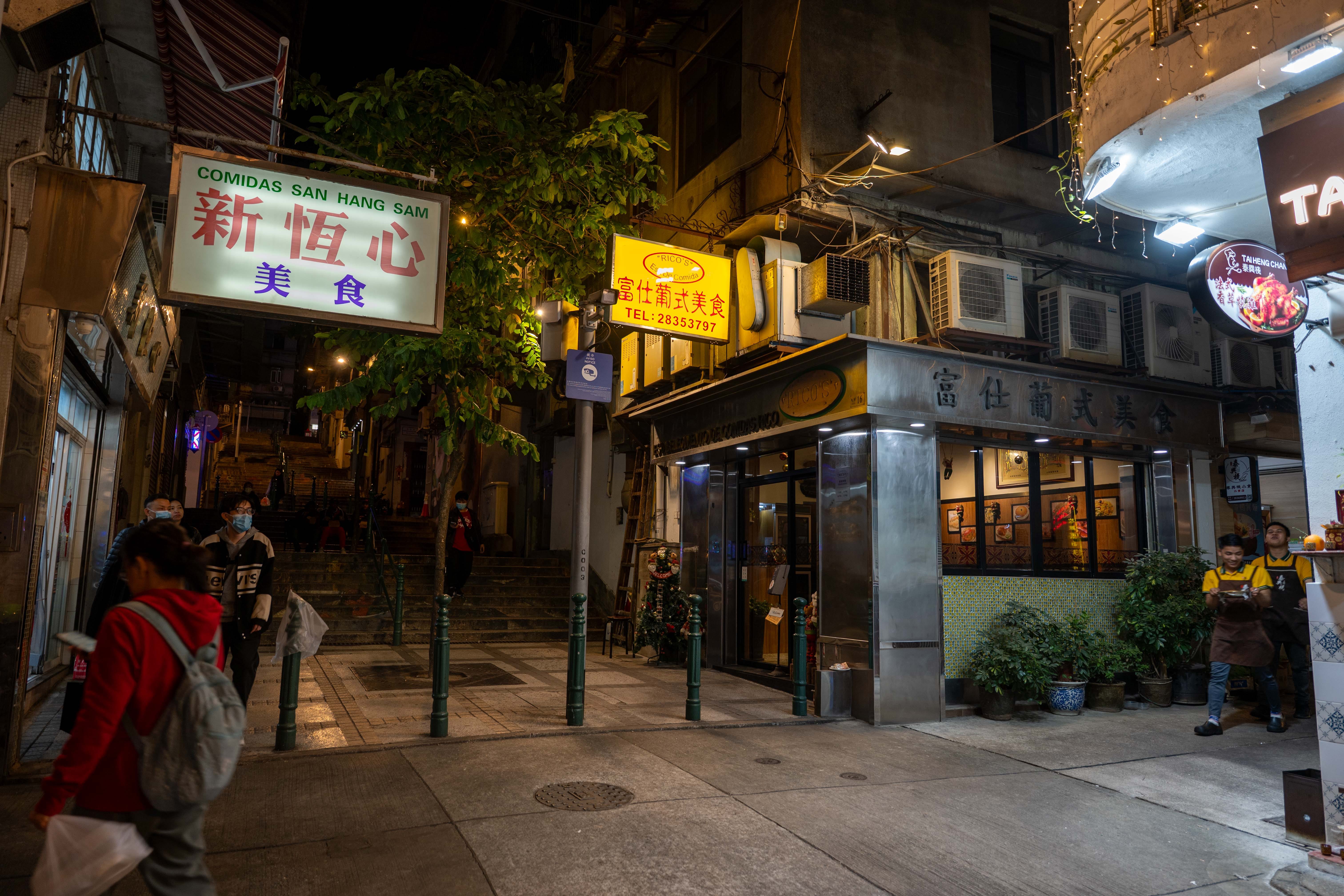
🖼️ Life-like image quality. Images from the Nikon Z6 III look spectacular. The 24.5MP sensor strikes a sweet spot, providing plenty of detail for printing and cropping without compromising low-light performance. Color rendition looks natural too, with vibrant hues that don’t look overly saturated. JPEGs out of this camera look almost exactly as I see them in real life. Of course, if you want more latitude to restore shadows or lower highlights, the RAW files are fairly flexible.


🌅 Dynamic range takes a hit. I said fairly flexible because, unfortunately, the Nikon Z6 III’s partially stacked sensor causes a loss of one stop of dynamic range at ISO 100-400. This doesn’t really affect images for the most part, but pushing shadows in Lightroom causes them to take on a slight blue-purple tinge.

🎞️ Watch your ISO. Another downside of the partially stacked sensor is that it makes the noise more pronounced. At ISO 1600, you can start seeing some luminance noise, and it can cause a loss of detail starting at ISO 6400. The good news is there’s no trace of color noise in this ISO range, while the pattern of luminance noise is small and pleasingly makes some photos look like they were shot on 35mm film. Images beyond ISO 6,400 are still usable, but I would push much farther than ISO 12800.
🎥 RAW movies. Fortunately, the dynamic range in videos looks fantastic thanks to the flexible formats you can record in, including 12-bit Nikon RAW and 10-bit ProRes RAW. You can even record Nikon RAW footage in 6K at 60fps, 4K at 60fps, and 4K at 120fps (1.5x crop). Unfortunately, any Nikon RAW footage can only be edited natively with a paid version of DaVinci Resolve – otherwise, you’ll have to transcode the media for Final Cut and Adobe Premiere. Still, this offers a significant amount of flexibility if you want to record highly editable footage. It’s also refreshing that you record all formats at full resolution and frame rate internally in the camera without needing to plug in an external HDMI recorder.
Features
🏃🏻♂️ Never miss a shot. Talk about another speed boost. The Nikon Z6 III features the robust Expeed 7 image processor pulled from the Z9 and Z8. This allows you to shoot up to 20fps RAW images with the electronic shutter (16fps with the mechanical shutter). Shooting JPEGs boosts the frame rate to 60fps, and there’s a pre-release capture mode that lets you record up to 120 frames before pressing the shutter. The Nikon’s higher-than-average burst shooting speed and pre-release buffer save you from missing that decisive moment even before you decide to take the shot.

🎯 Flagship autofocus. The Z6 III can practically shoot in the dark thanks to its flagship phase-detect autofocus system pulled from the Nikon Z8 and Z9. I had no issues shooting my partner and her friend dancing in a dimly-lit club, and that's thanks to the new AF system’s -10EV extended range. Nikon also claims the Z6 III acquires focus 20% faster than its Z6 II predecessor, and I can tell you this camera pulls focus very quickly while capturing animals both in stills and video.
🫨 Steadyshot. You get a fantastic 8-stops of in-body stabilization in the Nikon Z6 III, which is quite a bit higher than the 5-stops of IBIS I see on most other cameras. This practically eliminates camera shake, even with exposures that last several seconds. It also works well for shooting handheld videos, as long as you stay still. There’s some noticeable bobbing while walking and shooting, so the video stabilization is good here, but it’s not as spectacular as Active Dynamic Stabilization I’ve seen on the Sony ZV-E1 or Sony a7C II, or the Panasonic S5 II’s Lumix Active IS.


Handling and Hardware
🎚️ Controls at the ready. The Nikon Z6 III features a large set of well-thought-out controls. Everything I need is within reach, including a handy AF joystick, ISO shortcut, and I can set all of my exposure settings from the handy e-ink display on the top plate. There’s also a nice, deep grip to help me keep a firm purchase of the camera even while I’m using it one-handed with a large lens attached.
👁️ Sauron’s eye-finder. 4,000 nits of peak brightness ensure you’ll always be able to look through the Nikon Z6 III’s 5.76-million-dot viewfinder. This allows you to view the scene even on the brightest days while also seeing everything in full HDR color. The viewfinder is also incredibly fast, with a 120Hz refresh rate, so you can see frames as they’re recorded in slow motion. The 2.1-million-dot multi-angle display is also helpful when shooting at an angle that doesn’t work with the viewfinder.
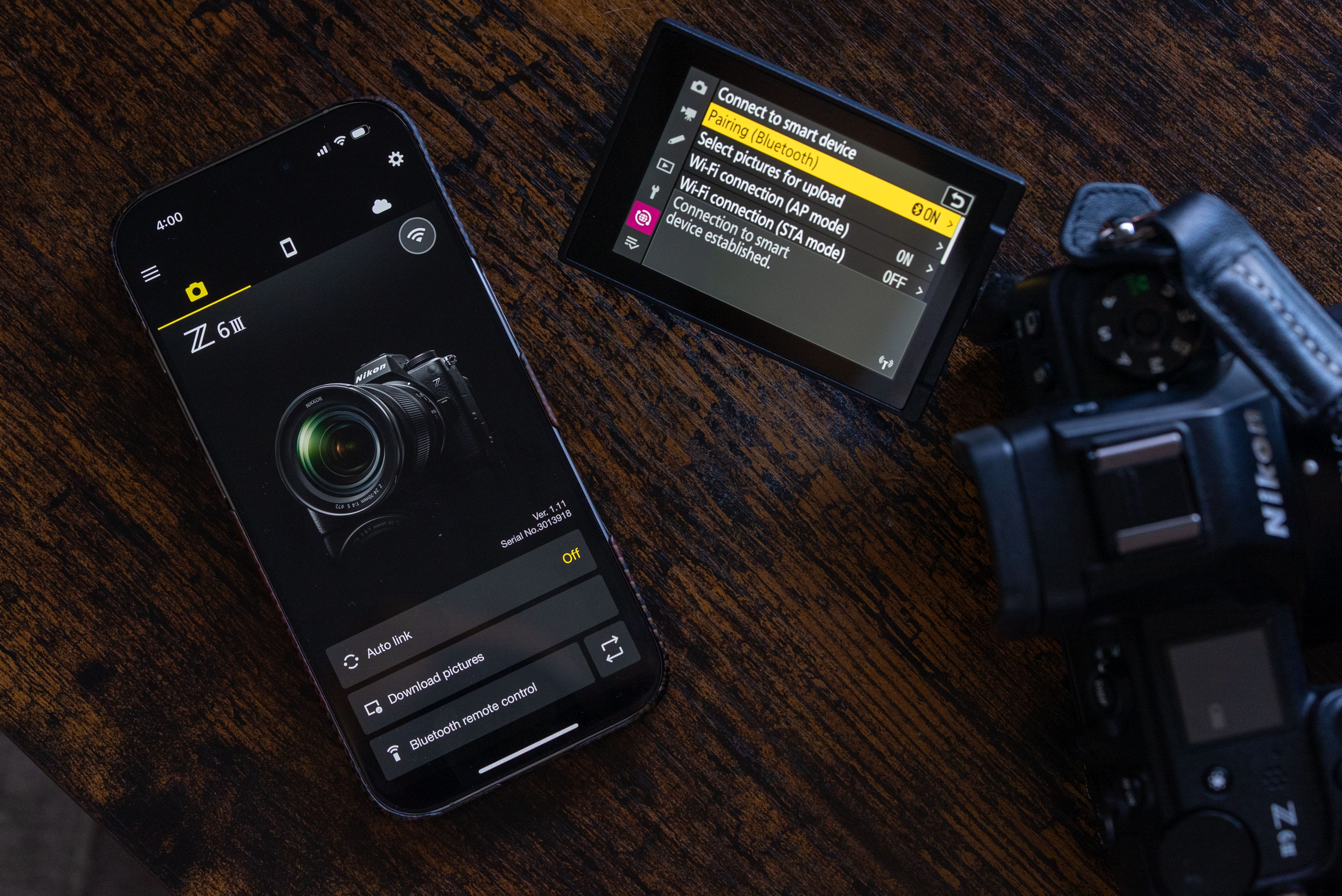
🌐 So many ways to connect. I’ve barely had to take my SD and CFexpress cards out of the Nikon Z6 III during my testing. The Snapbridge companion app makes it a breeze to download photos and videos to my phone and remotely trigger my camera. You can also set up the Nikon Z6 III to automatically connect to Wi-Fi and upload images to the Nikon Imaging Cloud, Lightroom, Google Drive, Google Photos, Microsoft OneDrive, and Dropbox. This all makes it flexible to get my media off the camera without having to reach for a USB-C dongle for my phone, tablet, or laptop.
🔋 Extended battery life. Nikon’s EN-EL15c battery keeps the Nikon Z6 III running for more than a full day of shooting RAW photos and 4K video. I was able to take this camera to Seoul and Hong Kong with a single battery and only needed to charge it every other day to two days. The Nikon Z6 III does an exceptional job of sipping battery life better than Sony, Panasonic, and Fujifilm cameras I’ve tested.
Should you buy the Nikon Z6 III?
Yes, if…
✅ 📸 You want a camera that captures naturalistic colors and contrast
✅ 🎥 You need the most flexible movie formats for post-production editing
✅ 🎯 You need to capture fast moving subjects with pinpoint accuracy
✅ 🔋 You want a long-lasting camera that can take photos/video for multiple days
No, if…
❌ 🫨 You want the most video stabilization for handheld videos (get the Sony a7C II or Panasonic Lumix S5 II instead)
❌ 🌄 You need more dynamic range in your photos (get the Sony a7 IV instead)
Kevin Lee is The Shortcut’s Creative Director. Follow him on Twitter @baggingspam.