


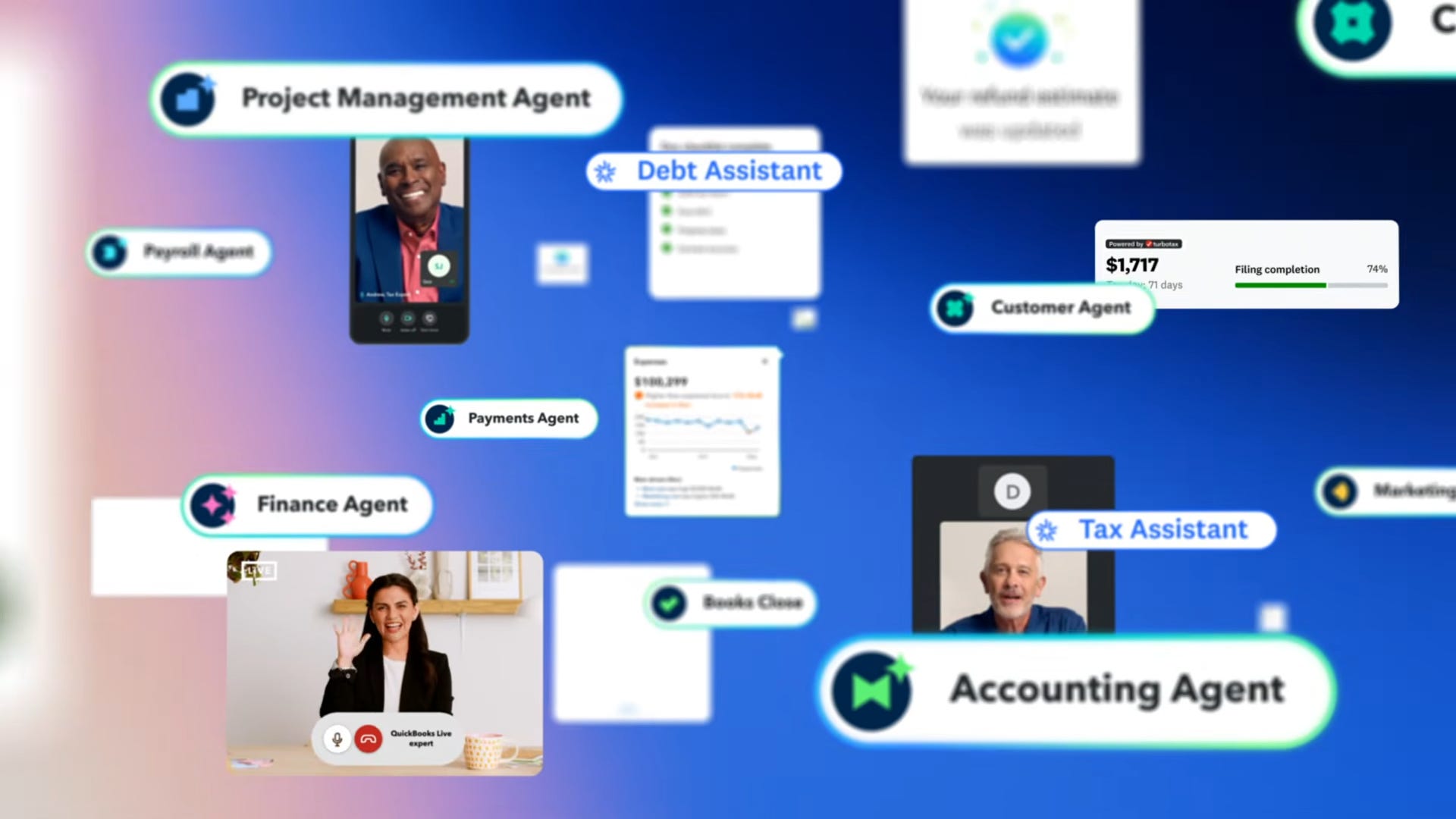
You’re not alone if you feel challenged when trying to stay on top of your finances. Rising prices are the norm in 2026, and the transition to everything being a subscription seems never-ending. We all know that saving and investing for the future is critical, but given the startling lack of financial education across the United States, it’s easy to simply ignore the follow-through on that sage advice.
But in the age of AI, shouldn’t all of this be easier? Good news – it’s become a lot more straightforward to give your financial future a head start. Intuit, the company behind services like Credit Karma and TurboTax, has a bunch of ways to help you save for the future, crush your debt, optimize your rewards, and give you a better understanding of where your money goes every month.
Where we find Intuit’s AI most helpful in our daily lives
Credit Karma
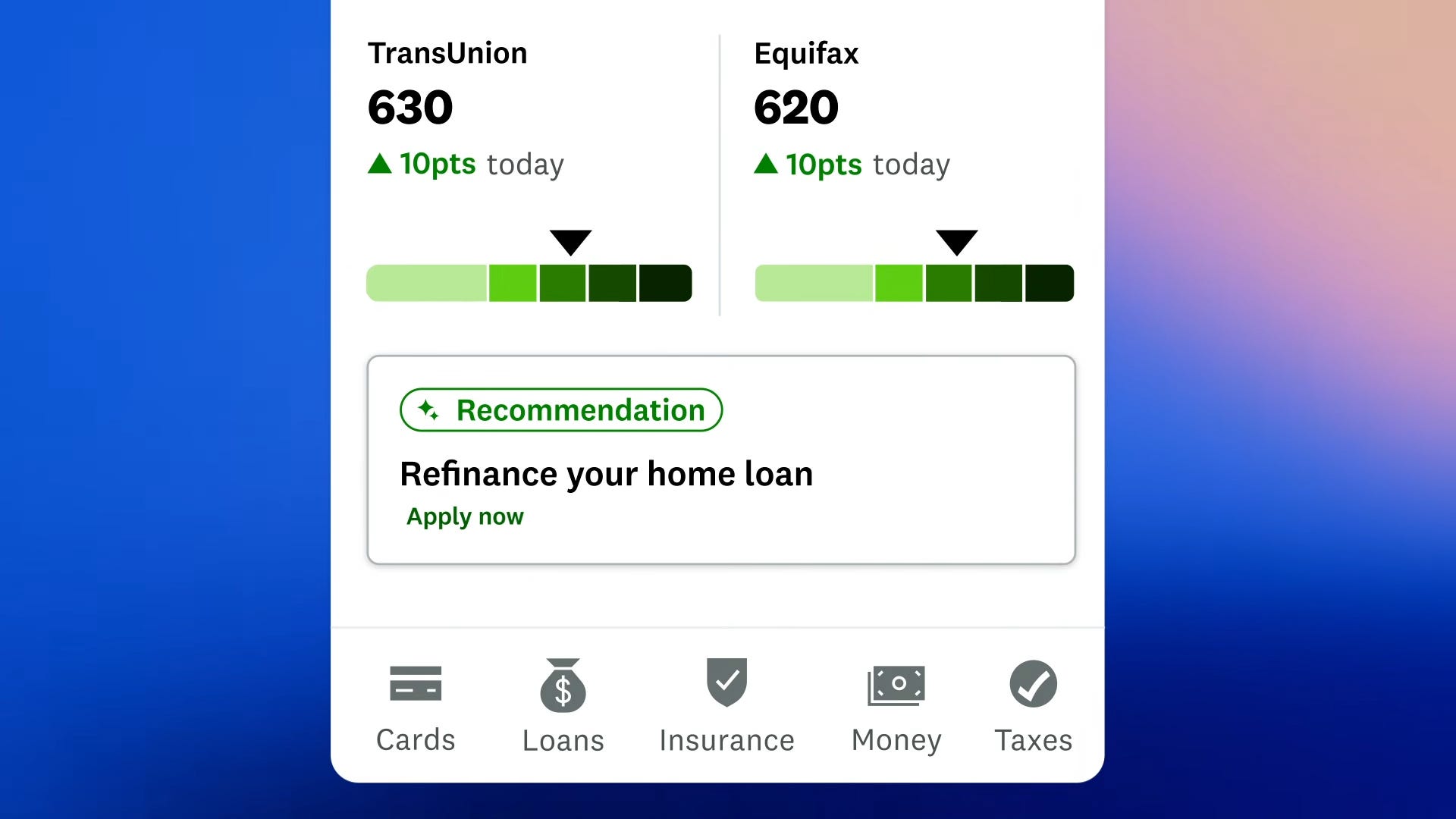
The Credit Karma app has expanded greatly from the days of just checking your credit score.
With the Intuit Consumer Platform, you get features like Credit Karma Intelligence, which can answer a wide range of your personal finance questions. We’ve used it to ask questions like, “What credit card will help me most to build my score?” and “Which of my cards needs to be paid off the quickest to avoid interest?” Whether you’ve had credit cards for decades or are just starting to build your credit history, this is one of those tools that quickly becomes indispensable the more you use it.
Intuit says that more than half of active Credit Karma members carry credit card or personal loan debt, which is why Debt Assistant is one of the most important tools you can use. Its ability to understand the kind of debt you have and provide a straightforward consolidation plan can help you pay it off quicker than you think. You’ll wind up paying less interest, your credit score will benefit, and you’ll be on a much better financial path. In fact, Intuit says that members who use the tool reduce interest and save an average of $178 a month.
Paycheck Assistant is similar in that it builds a plan around each paycheck based on financial priorities you choose. . It’ll help you divvy up your money across bills, paying down debt, saving for a rainy day, and building an emergency fund, while still leaving room for the occasional night out without going over your limit. Plus, it maps out your plan paycheck by paycheck and gives you a heads-up when you’re off track or short on cash, so you can adjust before it becomes a problem.
At tax time, Refund Assistant also comes in clutch. The average tax refund in the United States in 2026 was $3,275, which is a big chunk of change that can benefit your overall financial picture. When you receive yours, Credit Karma’s AI can look at your entire financial position, recommend which debt (if any) you should pay off, outline how much to set aside, and how much you can spend on something fun. It takes the guesswork out of the entire process for you, which’ll save you time (and money).
TurboTax
When it comes to filing your taxes and managing your income throughout the year, having a tax expert at the ready to answer any questions is wildly convenient. One that can instantaneously respond to you with accurate tax info, though? That’s priceless.
Intuit Assist is just that, built with specific models to provide tips on how to maximize your deductions, take advantage of new rules, and get the biggest refund you can qualify for. It’s helped many of our own team members find new deductions they didn’t realize were left on the table. It’s also great for those with multiple streams of income or with a tax situation slightly unorthodox (shout-out to our fellow small business owners!).
Intuit Consumer Platform is a game-changer for your finances
The driver behind all of these features? The Intuit Consumer Platform. Its reliance on purpose-built financial AI models can mean the difference between an overly generalized answer to a query from a chatbot and getting down to the root of how to handle your specific tax situation each year.
“General-purpose large language models (LLMs) are powerful, but aren’t designed for precision,” wrote Mark Notarainni, Executive Vice President and General Manager of Intuit’s Consumer Group, on the Fast Company Executive Board. “In low-stakes contexts, that tradeoff is acceptable. In financial decisions, it isn’t. Ask an LLM a tax question, and you may receive a plausible answer, but it likely won’t reflect the nuances of your unique financial situation, be backed by accountability, or be built with the safeguards required for sensitive financial data.”
That’s where Intuit comes into play. The Consumer Platform blends artificial intelligence with human intelligence to help you make the right financial decisions, all contextual to your unique journey. It’s built using purpose-built AI models that are fine-tuned by real financial professionals to educate you on how best to allocate your money across your savings, debt and everyday savings. Intuit’s AI Models are trained using a combination of the company’s decades of tax prep experience, tax data and documents from the filer, current tax code, and validated by experienced tax professionals.
“For someone carrying high-interest debt trying to build an emergency fund, that means guidance calibrated to those competing priorities,” Notarainni continued. “For someone who just received a roughly $3,000 tax refund and isn’t sure whether to pay down a credit card or open a savings account, that means a clear recommendation grounded in their actual numbers.”
It’s hard enough as it is to stay on top of your money and know exactly what to do with it. Intuit’s Consumer Platform has quickly become a game-changer for anyone who wants to take their finances more seriously and build for their future. Not only will Intuit’s AI grow more helpful the more you use it, but it’ll also give you a full education along the way. And that right there? That’s some actually useful AI.