


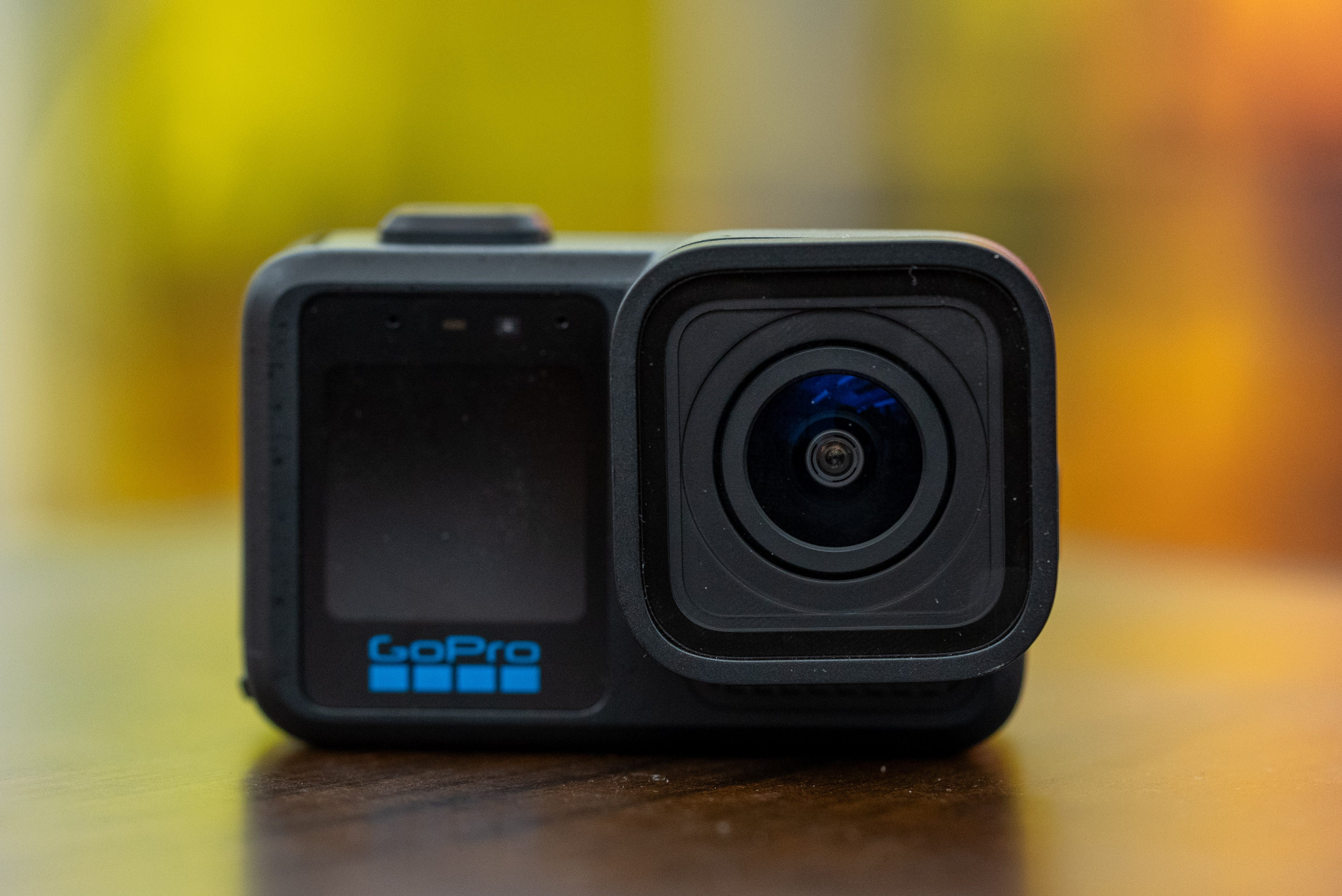

🎥 The Mission 1 Pro is GoPro’s new cinema camera with a 1-inch sensor and GP3 processor
🎞️ Shoots 8K30 and 4K120 open gate video as well as 50MP RAW photos
🐌 32x ultra-slow-motion mode records 1080p footage at 960fps
🌅 The larger sensor also features larger pixels for improved low-light capture
⚙️ GP3 processor supports 240 Mbps, 10-bit color, and a new GP-Log2 recording format
🧠 AI Neural Processor Unit automatically switches the camera between 13 Intelligent Capture Modes, letting you focus on creating what you want
🤿 Higher waterproofing rating for up to 66ft (20m)
🎙️ Four onboard microphones work together to cancel out noise
🎀 New accessories including a redesigned Media Mod and GoPro’s first Wireless Mic Kit
📅 The GoPro Mission 1 Pro and Mission 1 preorders begin May 21 and units ship May 28
🏷️ The GoPro Mission 1 Pro will cost $699 ($599 for subscribers) and is available to reserve now
🎥 The GoPro Mission 1 Pro ILS will arrive later this year in Q3 2026
The GoPro Mission 1 is the GoPro Hero camera you wish you could do more with, whether it be taking photos, recording high-res vlogs, or shooting a whole movie. The Mission 1 Pro delivers a fundamentally new level of cinema camera quality from GoPro thanks to its new 1-inch sensor and more powerful GP3 processor. With the new chipset, the Mission 1 Pro records up to 8K30 and 4K120 open gate video. You can still use it like an action cam, taking it underwater and shooting high-speed footage up to 960 fps at 1080p.
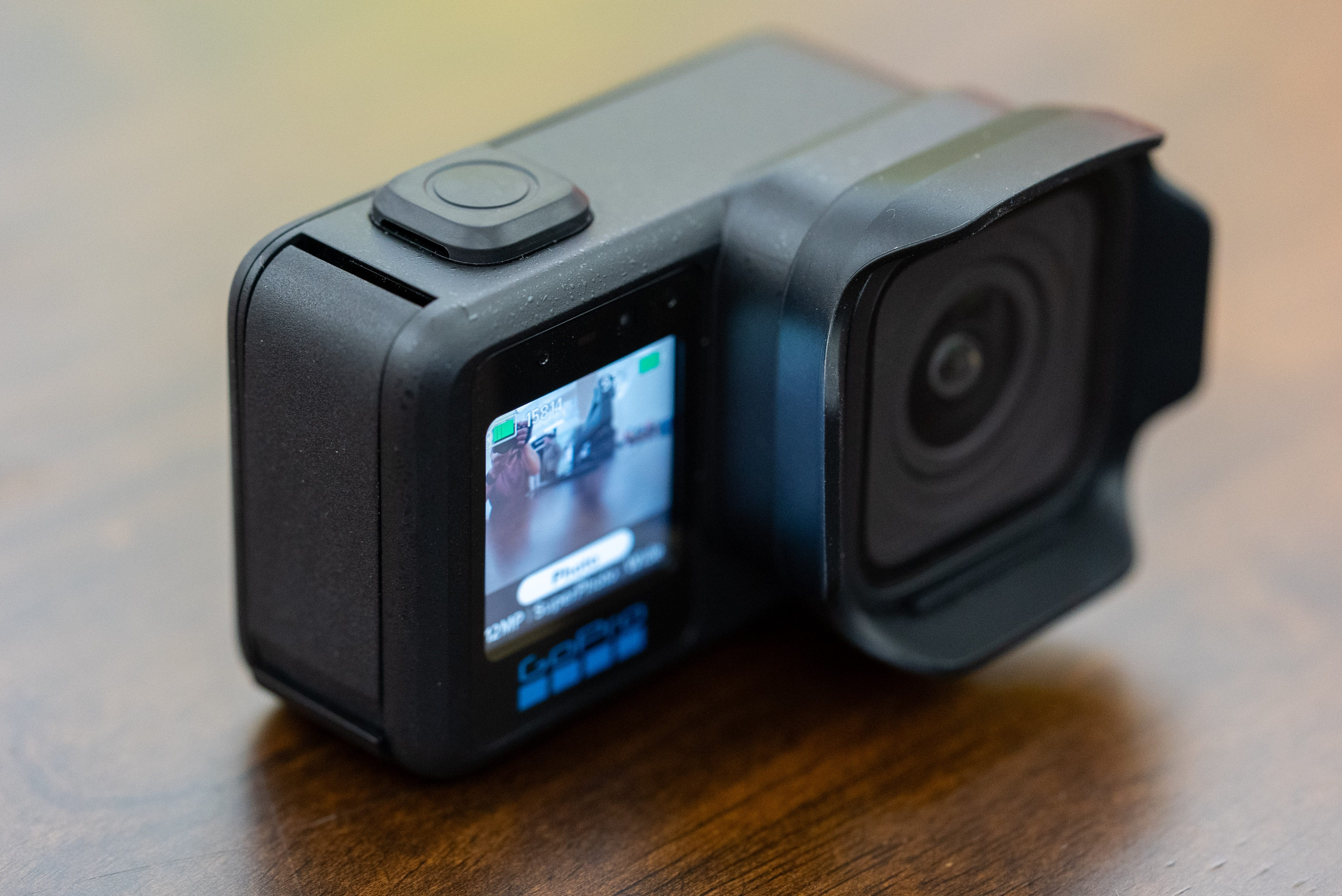
What’s most impressive is how it’s barely any larger than the GoPro Hero 13 Black, and yet it’s so much more capable. The new GP3 processor seems to have resolved many of the Hero camera’s issues, including battery life and heat. GoPro claims the Mission 1 Pro can record more than five hours of 1080p30 footage and more than three hours of 4K30 video on a single charge. That GP3 processor also includes an AI Neural Processor Unit that does the heavy lifting of automatically switching between 13 Capture Modes for things like face-tracking vlogging, or automatically adjusting color for underwater shooting.
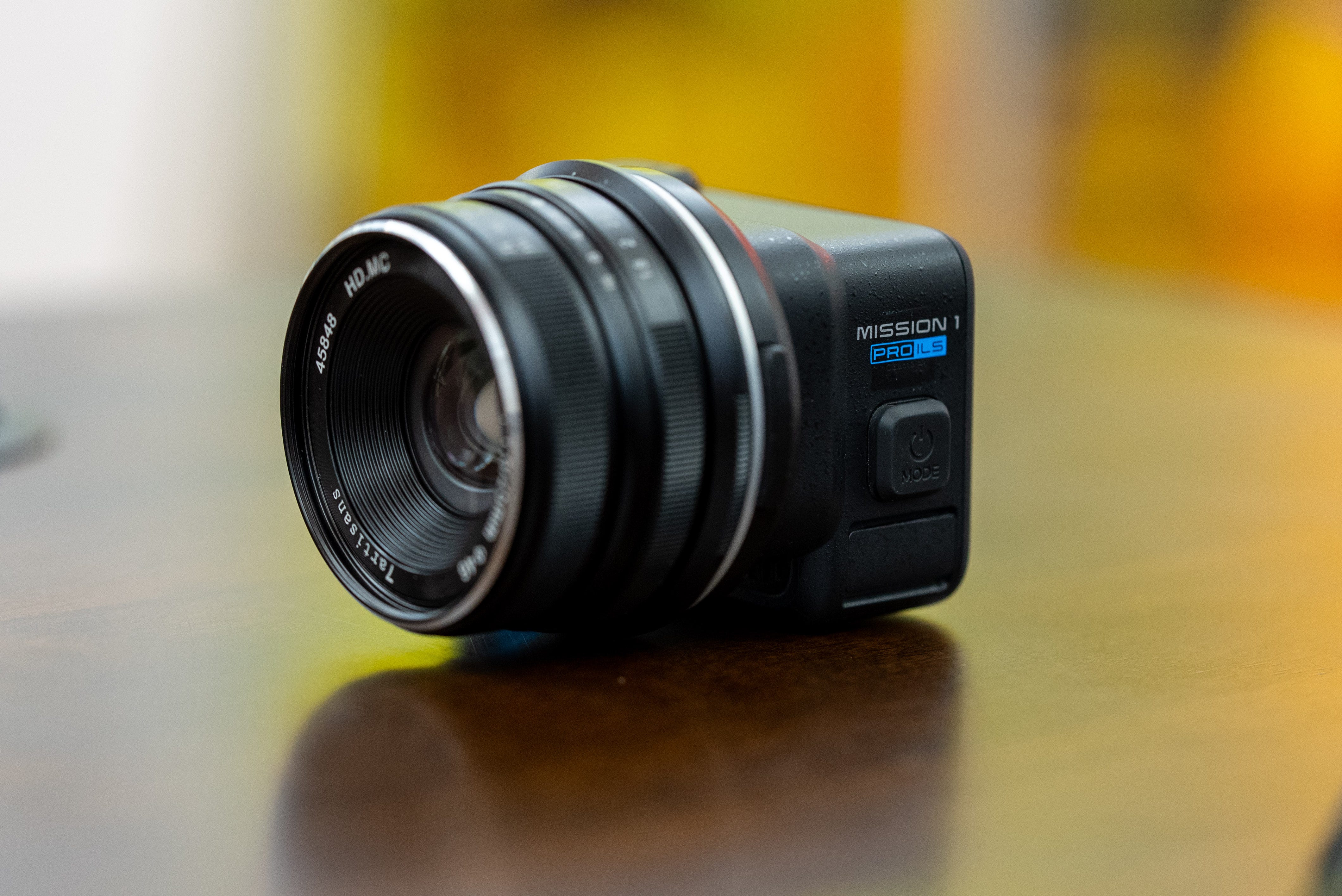
The GoPro Mission 1 Pro is also joined by two other variants, including a Mission 1 ILS that lets you attach any Micro Four Thirds lens. Meanwhile, the GoPro Mission 1 should be a more affordable option that offers all the same specs and features, but lacks 8K30 open gate recording. GoPro has also greatly expanded its ecosystem of accessories, introducing a new Media Mod and even its first wireless microphone system. There are also new camera cages and even a Point-and-Shoot case you can wrap around the GoPro Mission 1 Pro to turn it into a dedicated photo camera.
Unfortunately, GoPro isn’t announcing pricing for the Mission 1 Pro camera, citing macroeconomic challenges. But the Mission 1 Pro will be available for preorder soon on May 21 and on shelves the following week, May 28.
🎞️ Cinema resolution. The GoPro Mission 1 Pro can record up to 8K at 30 fps and 4K at 120 fps. Like past GoPro cameras, the Mission 1 Pro records footage in open gate by utilizing the entire sensor to record footage in a 4:3 aspect ratio. This affords you more latitude to cut content for vertical or horizontal media. For stills, you can also use the GoPro Mission 1 Pro to capture 50MP RAW photos.
🚀 Need for speed. If you’re looking for more speed than resolution, the GoPro Mission 1 Pro can also capture 1080p at 960 fps. This 32x ultra-slow-motion mode records only 10 seconds of 16:9 footage at a time, but that translates into five minutes of frame-by-frame action. The GoPro Mission 1 Pro can also record in more slow-motion formats, including 8K60, 4K240, and 1080p480. There are also two open-gate slow-motion modes at 4K120 and 1440p240.
🌅 Opening up for more light. The GoPro Mission 1-inch sensor is considerably larger than the 1/1.9-inch sensor in the GoPro Hero 13 Black. The sensor pitch, or the literal size of each pixel, has also increased to 1.6µm. This allows every pixel on the image sensor to capture more light, and GoPro promises it can capture up to 14 stops of dynamic range. This sensor can also combine multiple pixels for an even more light-sensitive, albeit lower-resolution, Quad Bayer mode with a fused pixel size of 3.2µm. This is basically the same as how the iPhone downsamples its 48MP main sensor to produce 12MP photos with more dynamic range.
🧠 Smarter processor. The GoPro Mission 1 Pro also features a more powerful and efficient GP3 processor that extends battery life, runs cooler, and adds more recording capabilities. The GP3 processor supports a maximum recording bitrate of 240 Mbps and 10-bit color in the GP-Log2 format. You can also record videos in the hybrid HLG-HDR format, which automatically plays in HDR on compatible screens or SDR on older displays.
GoPro Mission 1 Pro ILS hands-on review
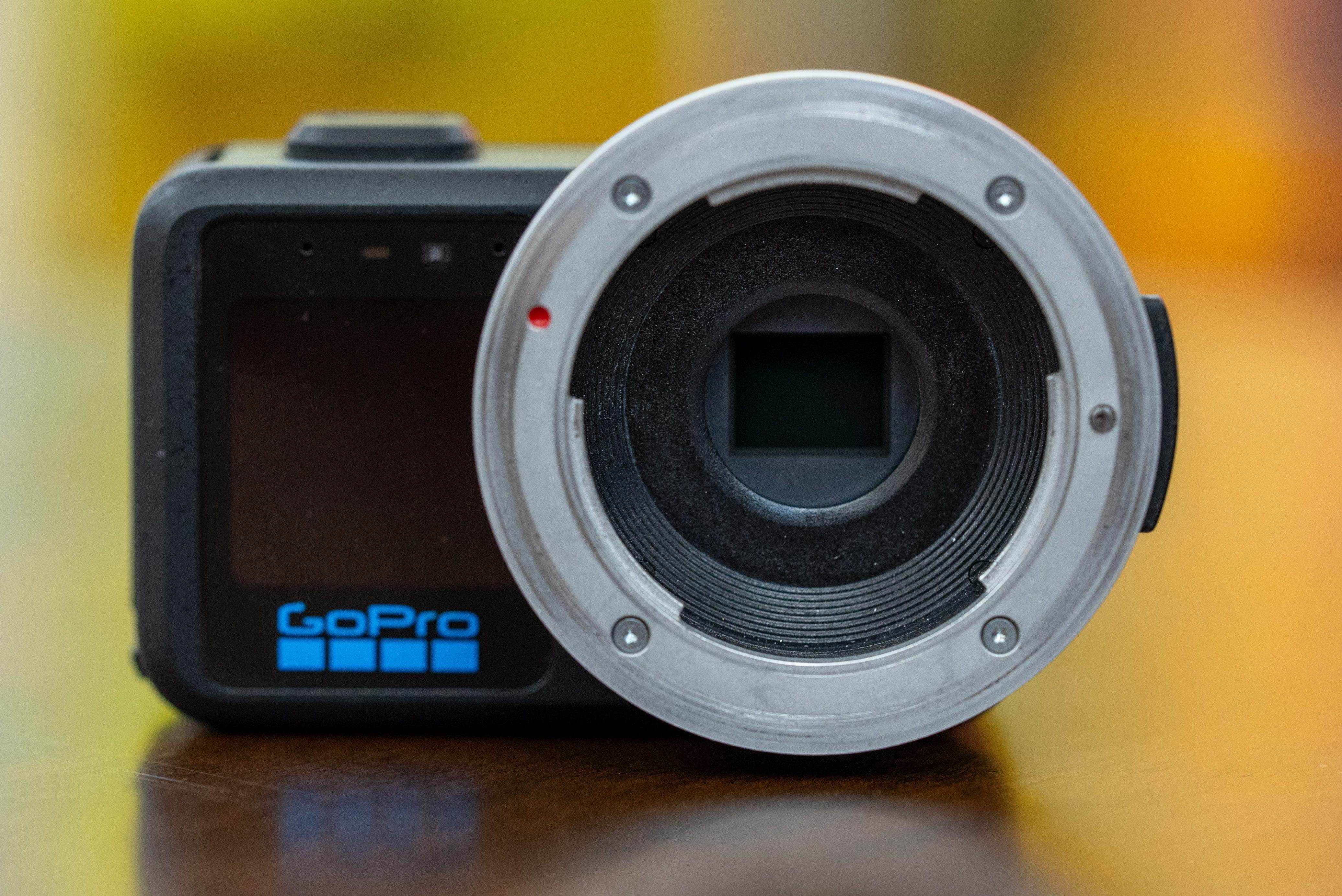
Ever wished you could put a telephoto lens on your GoPro? Well, that’s exactly what the Mission 1 Pro ILS was made for. Short for interchangeable lenses, the GoPro Mission 1 Pro 1 ILS swaps its standard wide-angle lens for an open Micro Four Thirds lens mount. The 1-inch sensor adds a roughly 3x crop factor to any lens, so a 15mm lens will be about 45mm equivalent on a full-frame camera. That means you could easily add a relatively short 100mm lens and suddenly have a 300mm telephoto for shooting subjects incredibly far away.


I also got to get my hands on the GoPro Mission 1 Pro ILS, and this has been my dream camera for years finally realized. It’s amazing to take the lens off this GoPro and then just look at the Mission 1 Pro ILS’ naked 1-inch image sensor. The only caveat here is that lenses don’t autofocus when mated to the Mission 1 Pro ILS, so you’ll have to rely on the camera’s focusing aids, including zoom and focus peaking. Otherwise, I can’t wait to put ridiculously long lenses on the GoPro Mission 1 Pro ILS
The GoPro Mission 1 Pro ILS costs $699 ($599 for GoPro Subscribers) and will be available by Q3 2026.
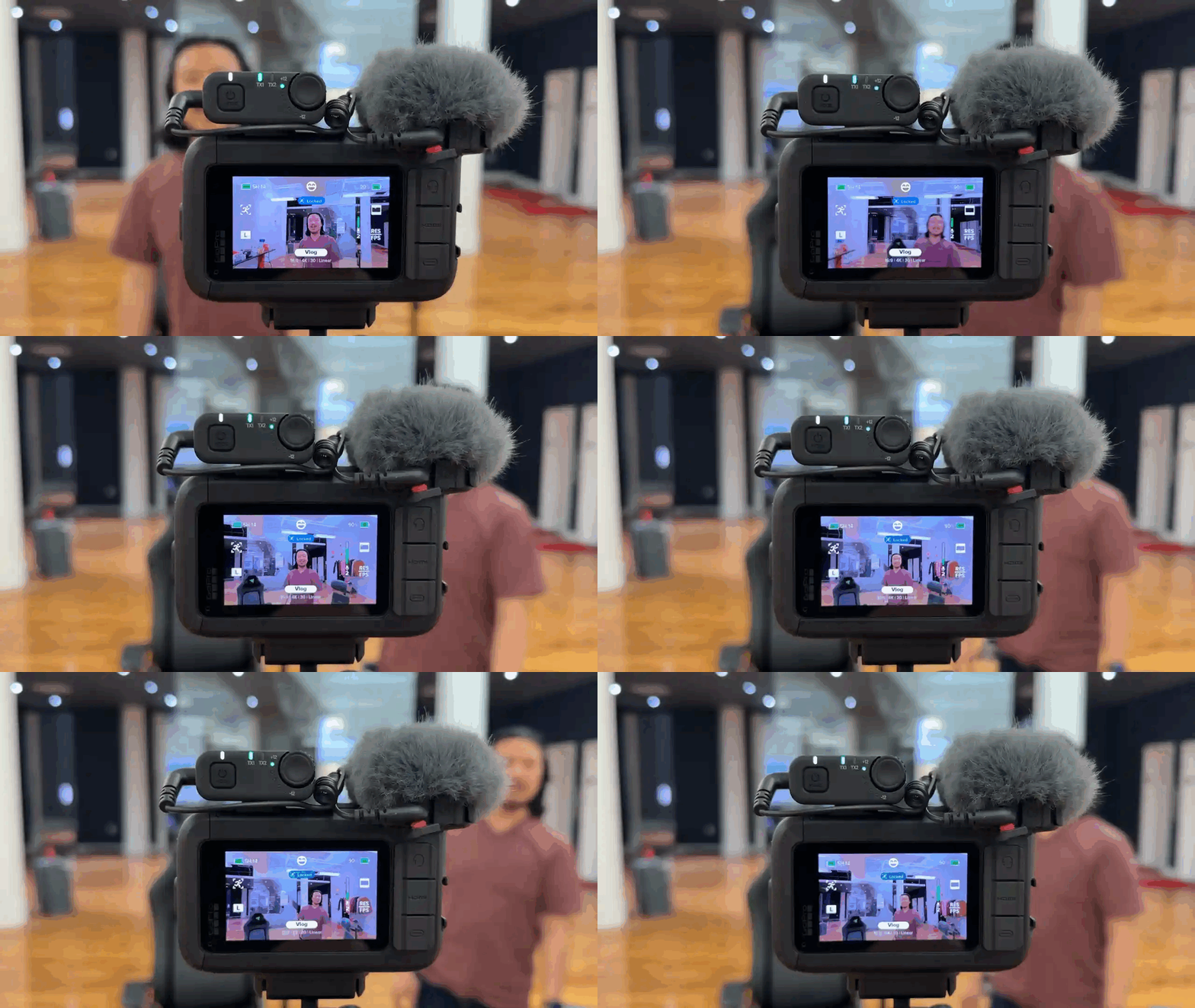
🎛️ Better than preset settings. GoPro also told us the GP3 processor is more intelligent, with an AI Neural Processor Unit, so it can now detect the type of content you’re shooting, switch between 13 Capture Modes, and make even more adjustments on top of that. While recording with the camera in front of me, it automatically selected Vlog mode, which set the camera angle to linear and enabled face tracking that impressively kept me centered in the frame, like Apple’s Center Stage on a FaceTime call. Alternatively, when shooting underwater footage, the camera will automatically adjust the color balance, saving you the step of adding a red/magenta filter.
🔋Fuller battery life. GoPro promises that the Mission 1 Pro offers the longest runtime thanks to its more efficient GP3 processor and a reformulated Enduro 2 battery. The Mission 1 camera will supposedly record more than five hours of 1080p30 and more than three hours of 4K30 video on a single charge. We didn’t have nearly enough time to test this during our two-hour hands-on with the Mission 1 camera, but we’ll test it soon in our upcoming review.


🤿 More durable than ever. Although GoPro is pitching the Mission 1 Pro as a cinema camera, it’s even more rugged than the GoPro Hero 13 Black. Even without any underwater housing, the Mission 1 Pro is waterproof up to 66ft (20m). The body of the camera also feels as sturdy as any GoPro Hero camera, which should help it withstand accidental drops. One new protection element is an added lens hood that wraps around the front of the camera lens.
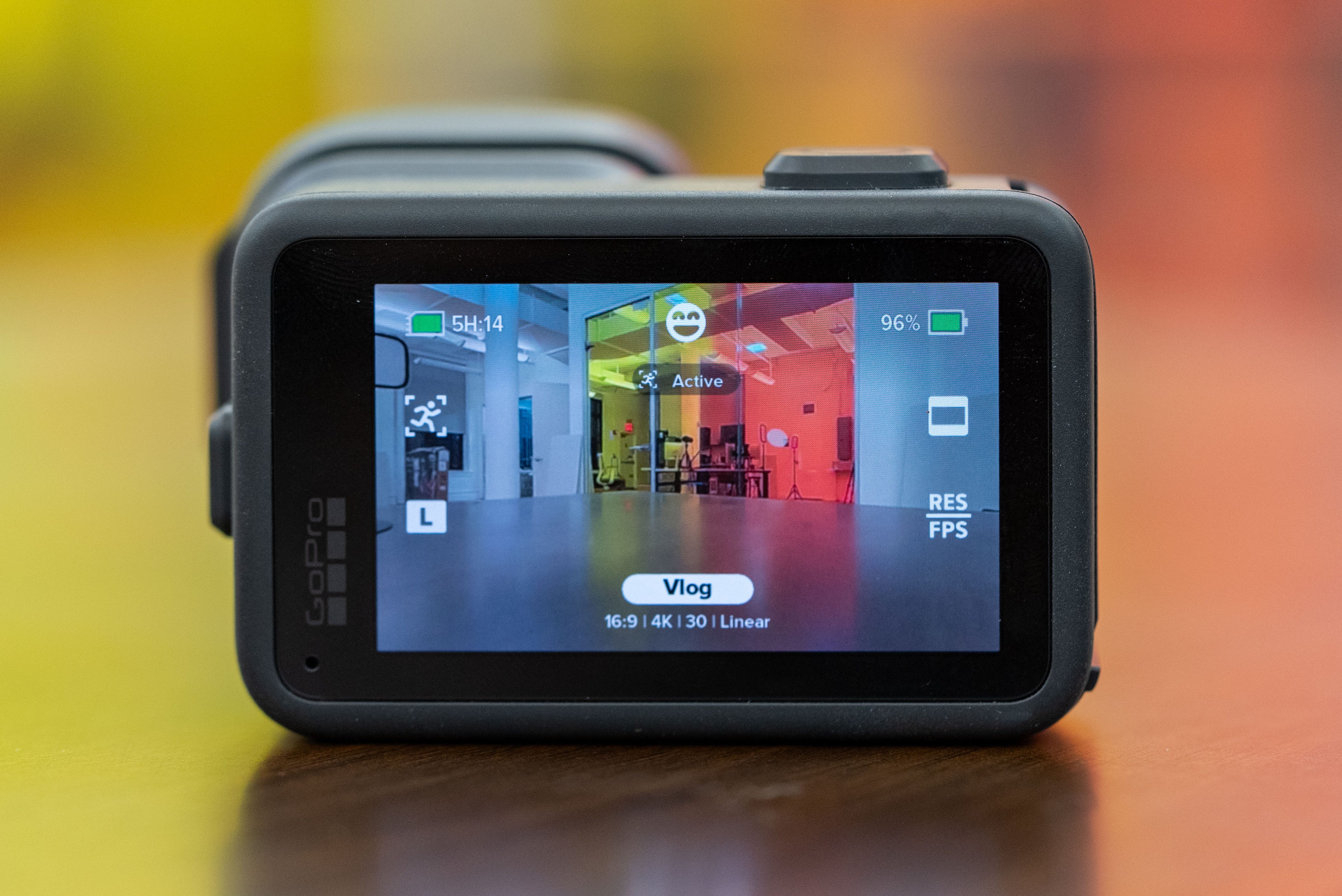
📺 Larger OLED display. The GoPro Mission 1 also features a 14% larger OLED display compared to the Hero 13 Black. It also seems bright enough to see in the sun. GoPro didn’t disclose the display’s exact maximum brightness, but we had to lower it to 20-30% just to take a clear photo of the menus.
🎙️ Mics on mics. There are four microphones on the GoPro Mission 1 Pro: a stereo pair on the front of the camera, another on the back facing the shooter, and a side-mounted drain microphone. These microphones also work intelligently to cancel out noise, while 32-Bit Float audio recording helps prevent clipping. GoPro has also introduced a new Media Mod that adds three additional multi-pattern microphones that can work in conjunction with the GoPro’s four onboard mics. Beyond that, you can also pair two of GoPro’s brand-new wireless microphones for multi-channel commentary while recording content.


🎤 Wireless Mic System. GoPro has finally introduced a Wireless Mic System after five iterations of the DJI Mic and Mic Mini systems. The system includes two wireless mic transmitters that can pair directly to a GoPro Mission 1 camera over Bluetooth 5.3 or with an included receiver, which supports up to 24-bit/48kHz audio with Dynamic Noise Reduction and up to 150m wireless range. There’s also a second USB-C dongle that you can plug directly into a smartphone. Each mic offers 6.5 hours of runtime, plus two more full charges in the case.
GoPro Mission 1
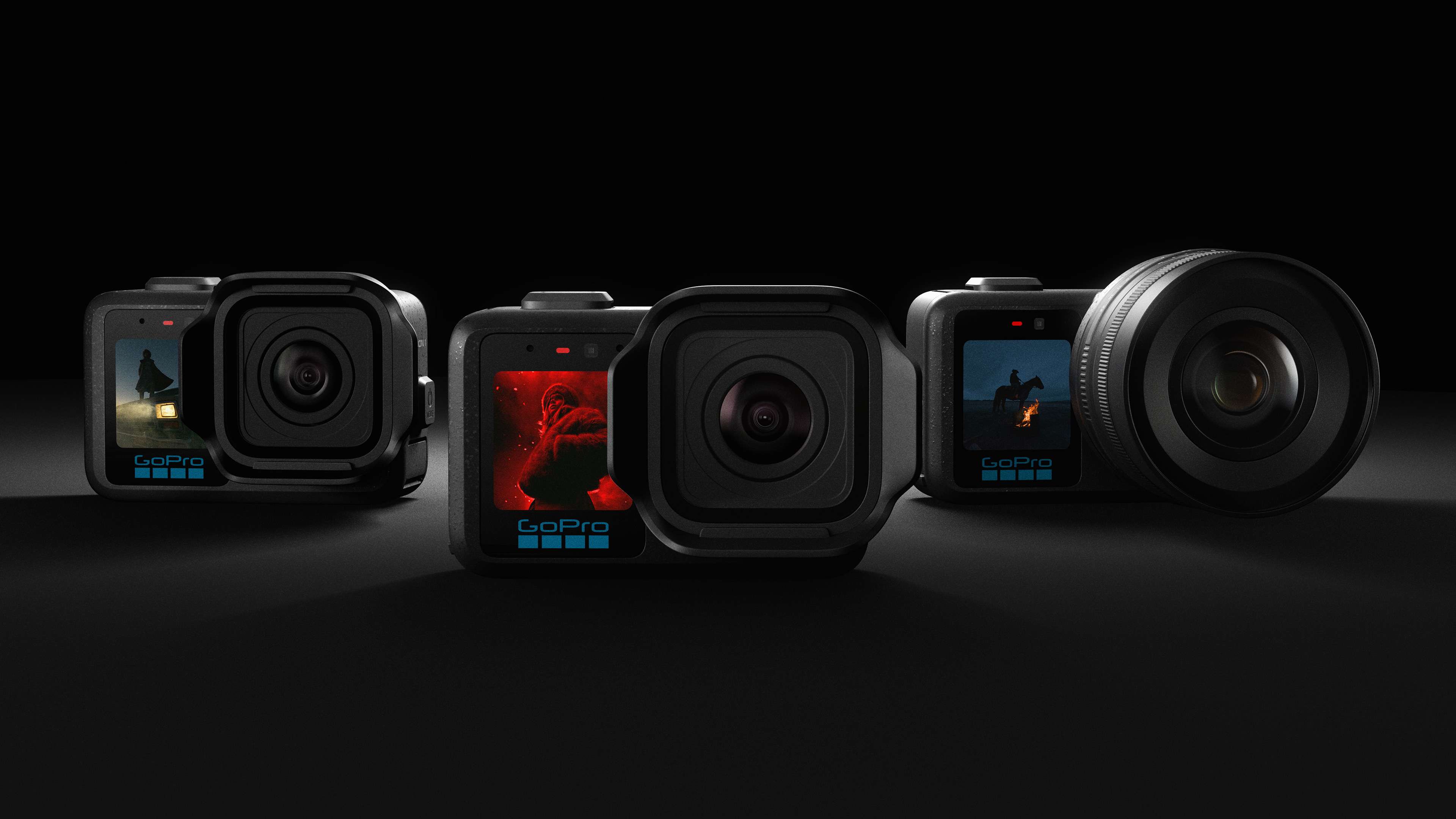
GoPro also introduced a more basic GoPro Mission 1 camera that offers the same specs and features as the Mission 1 Pro, but it can only record 4K120 Open Frame and not 8K30. While recording 16:9 footage, the GoPro Mission 1 can still record 8K30, 4K120, and 1080p240 video. As a result, the GoPro Mission 1 is more affordable at $599 ($499 for GoPro subscribers).
⚙️ Redesigned Media Mod. GoPro also has a newly redesigned Media Mod that helps you build out the Mission 1 Pro as a full-on movie camera. It includes the previously mentioned multi-pattern microphones with eight pickup options. The Media Mod also expands the camera’s I/O suite with three 3.5mm ports (external mic, timecode line-in, and headset monitoring) and a micro-HDMI port for up to 4K60 video output or monitoring. My favorite thing about the new Media Mod is that it has a way faster quick-release that only requires you to press one button.
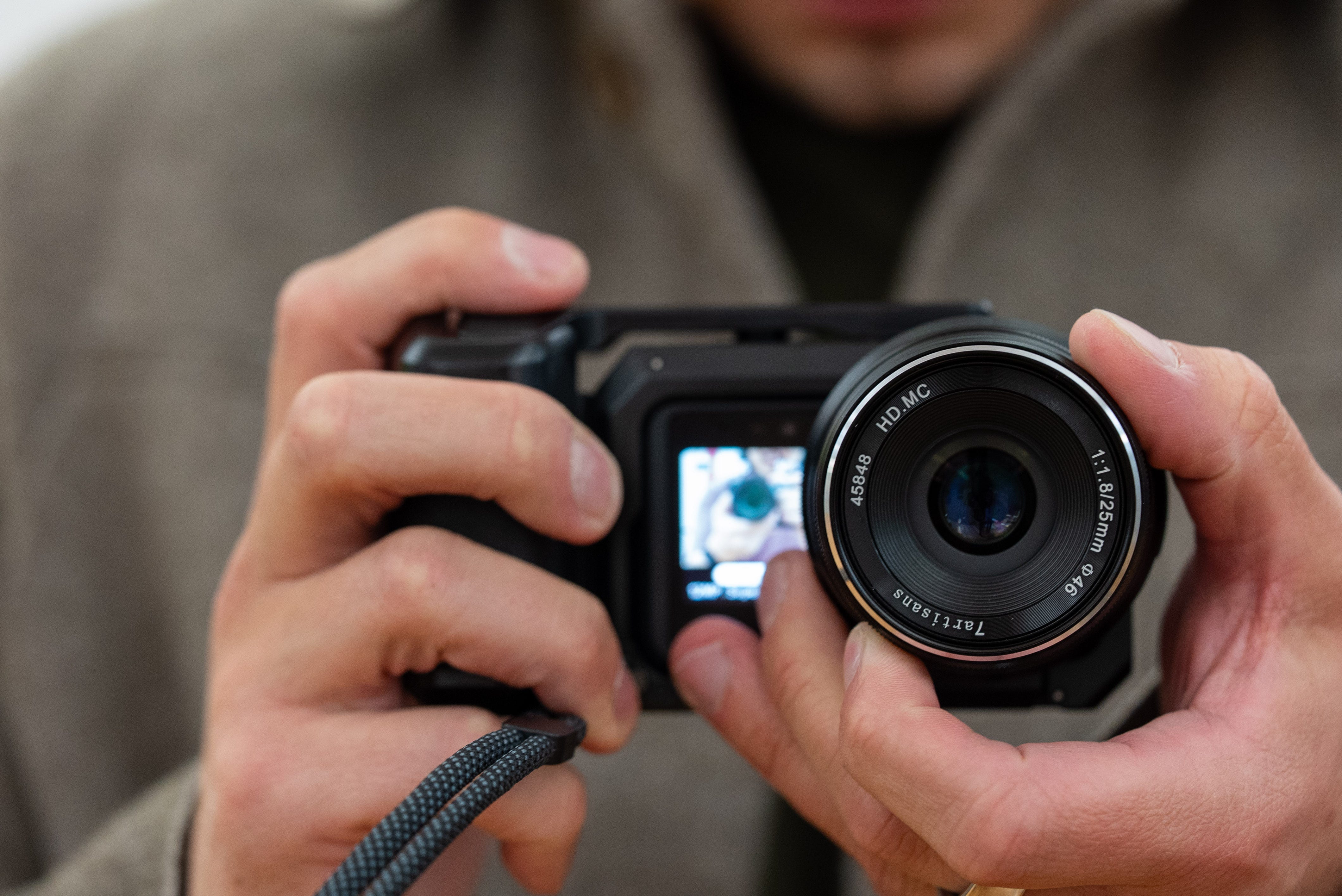
📸 Point-and-Shoot Grip. The last new accessory GoPro has made for the Mission 1 Pro is a camera case that basically turns it into a point-and-shoot camera. The accessory first includes a small cage that adds a secondary vertical mounting point. Then you can slip on additional plastic pieces that give the Mission 1 Pro a right-handed grip and a shutter button that’s more like a paddle. Unfortunately, this Point-and-Shoot Grip doesn’t include any additional controls or dials to help you set your exposure.
Kevin Lee is The Shortcut’s Creative Director. Follow him on Twitter @baggingspam.
Sounds pretty cool and I don’t own a GoPro!