


Google is kicking off its annual developer conference in Mountain View, California, and we’re covering all of the biggest announcements in an easy-to-digest format. Follow along for updates during the show!
🤖 Google I/O 2026: everything announced
📣 Intro
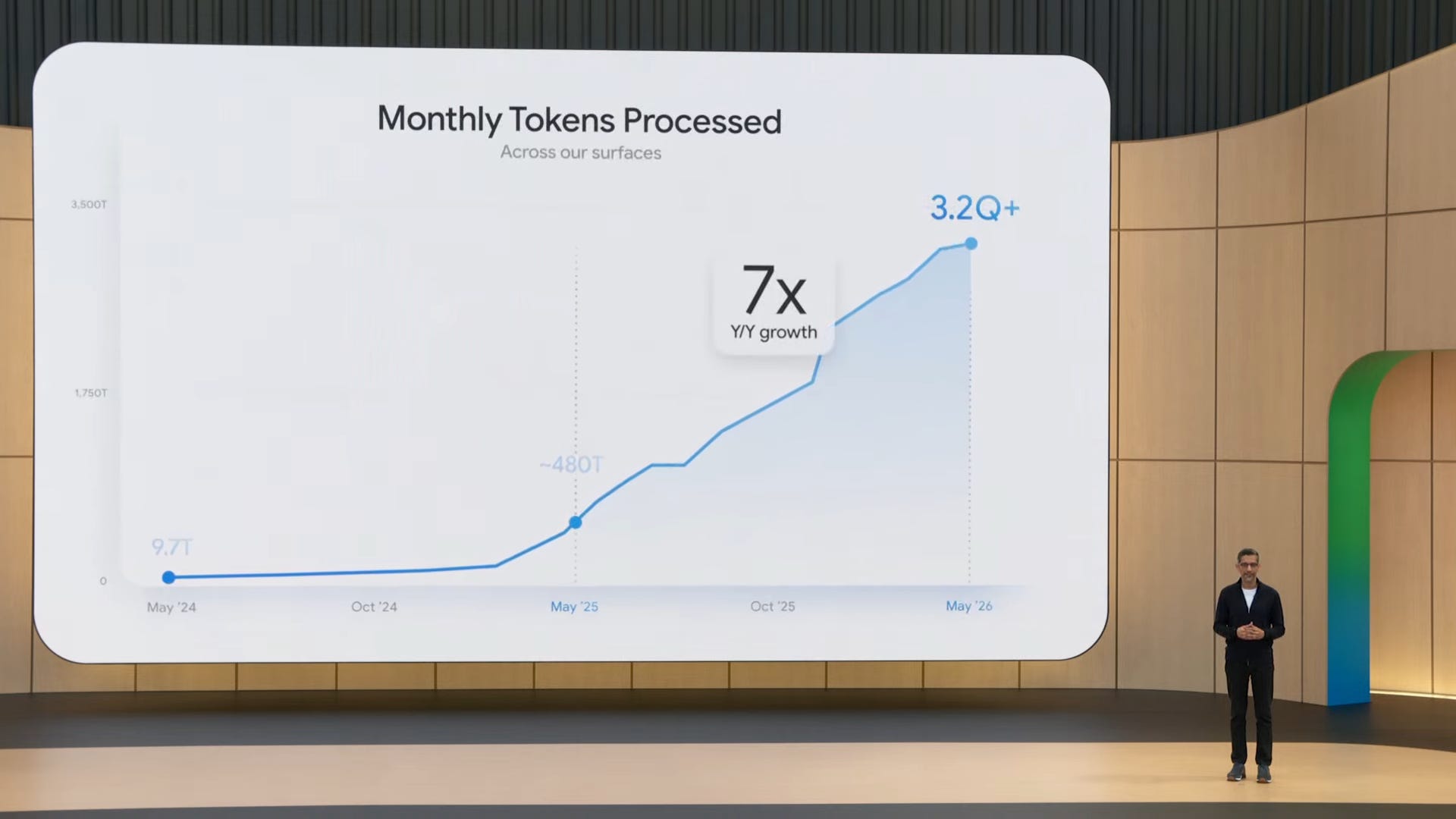
Google went over some updates on its pivot to AI
The company said it was processing 3.2 quadrillion tokens each month
Over 8.5 million developers are using AI to develop apps
Some of its platforms (Android, YouTube, Google itself) have reached over 3.8 billion monthly users
AI Overviews in Search has over 2.5 billion users per month
AI Mode in Search has reached over 1 billion users per month
Over 900 million active monthly users are using the Gemini app
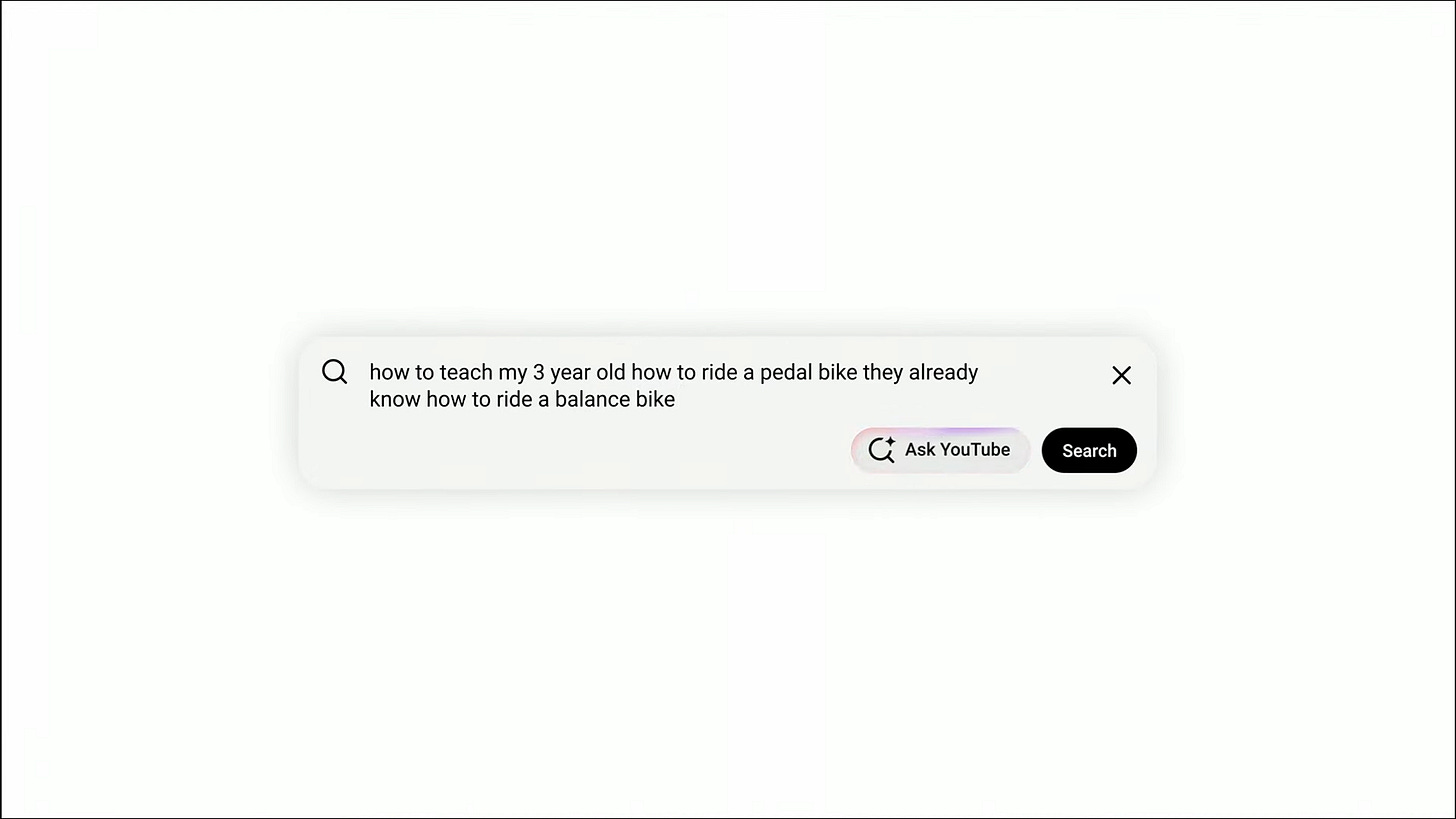
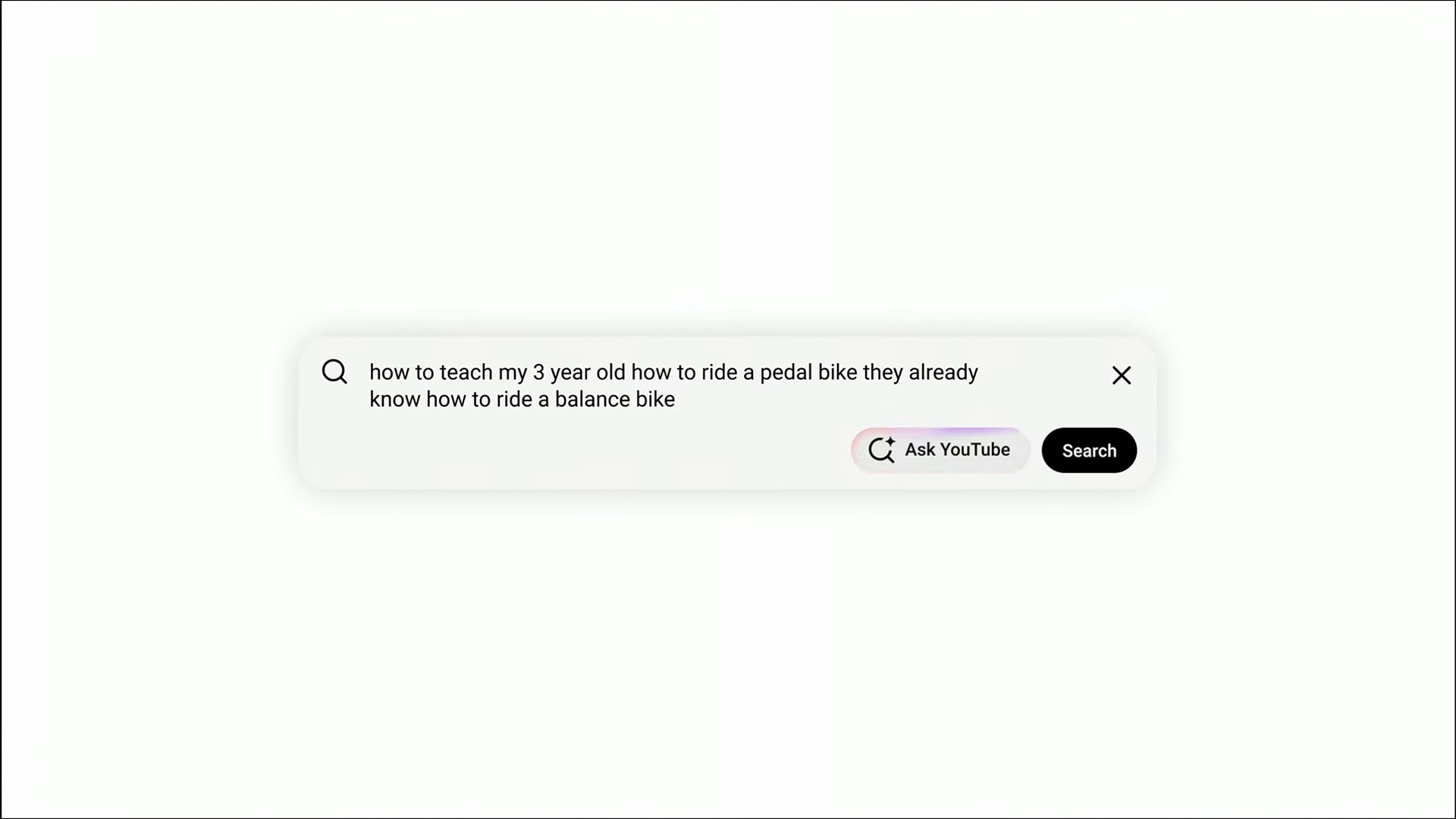
“Ask YouTube” is a new AI feature that lets you search for specific videos with your voice with natural language. You can ask follow-up questions, too. It’ll be available this summer.
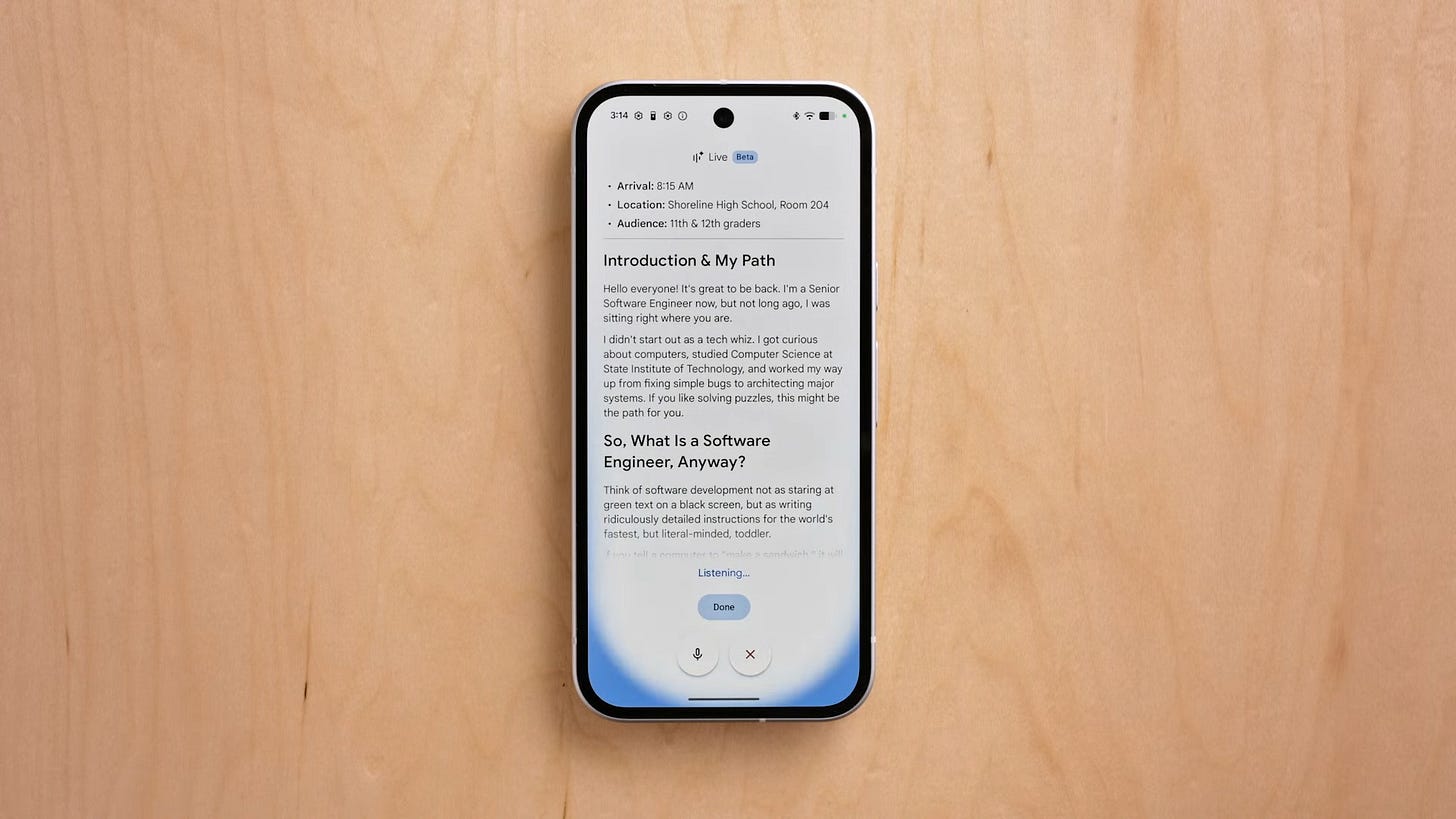
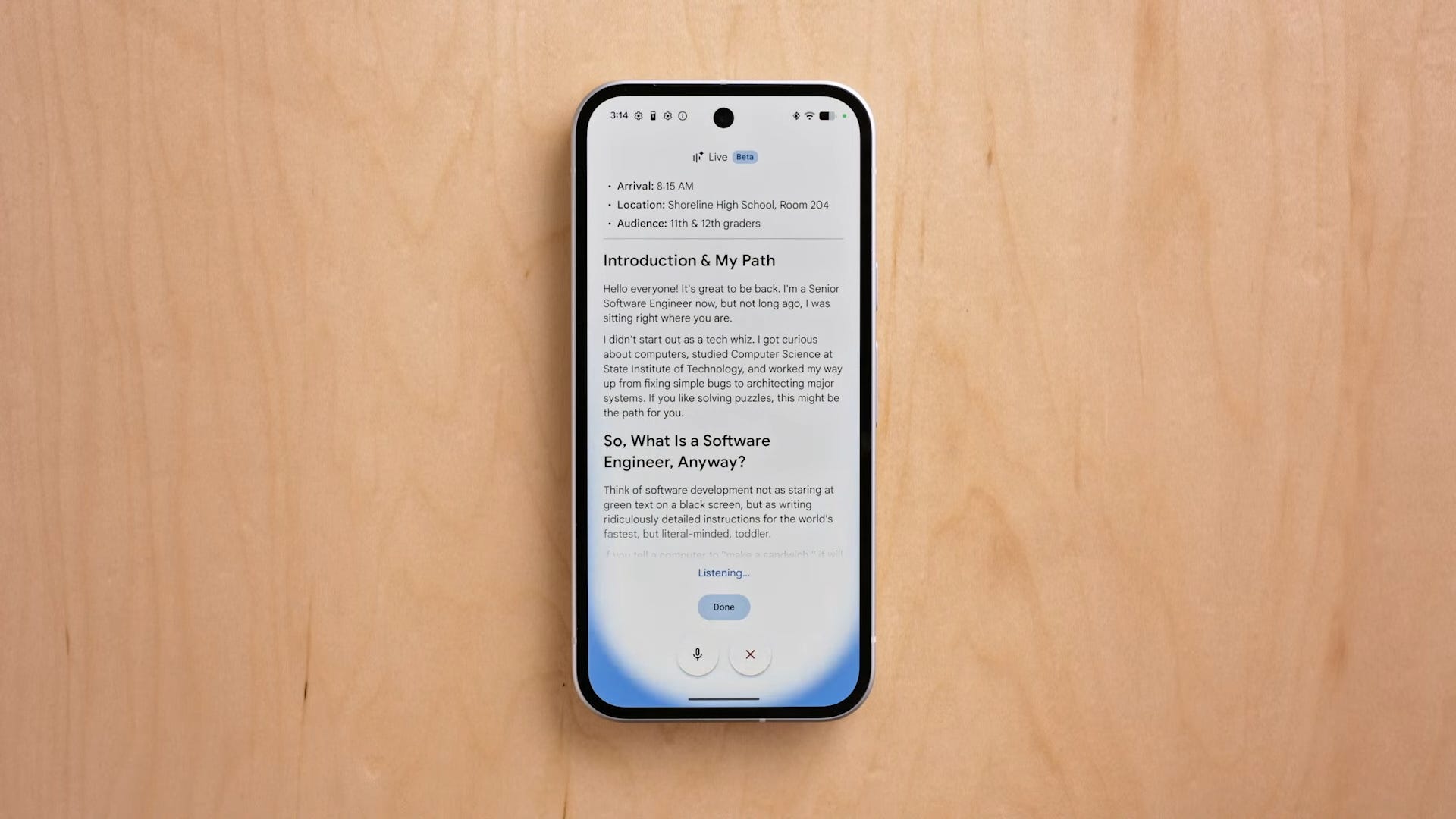
“Docs Live” lets you verbally brain-dump an idea for a document and have Google Docs generate it for you. It’ll roll out this summer to AI Pro and AI Ultra subscribers.
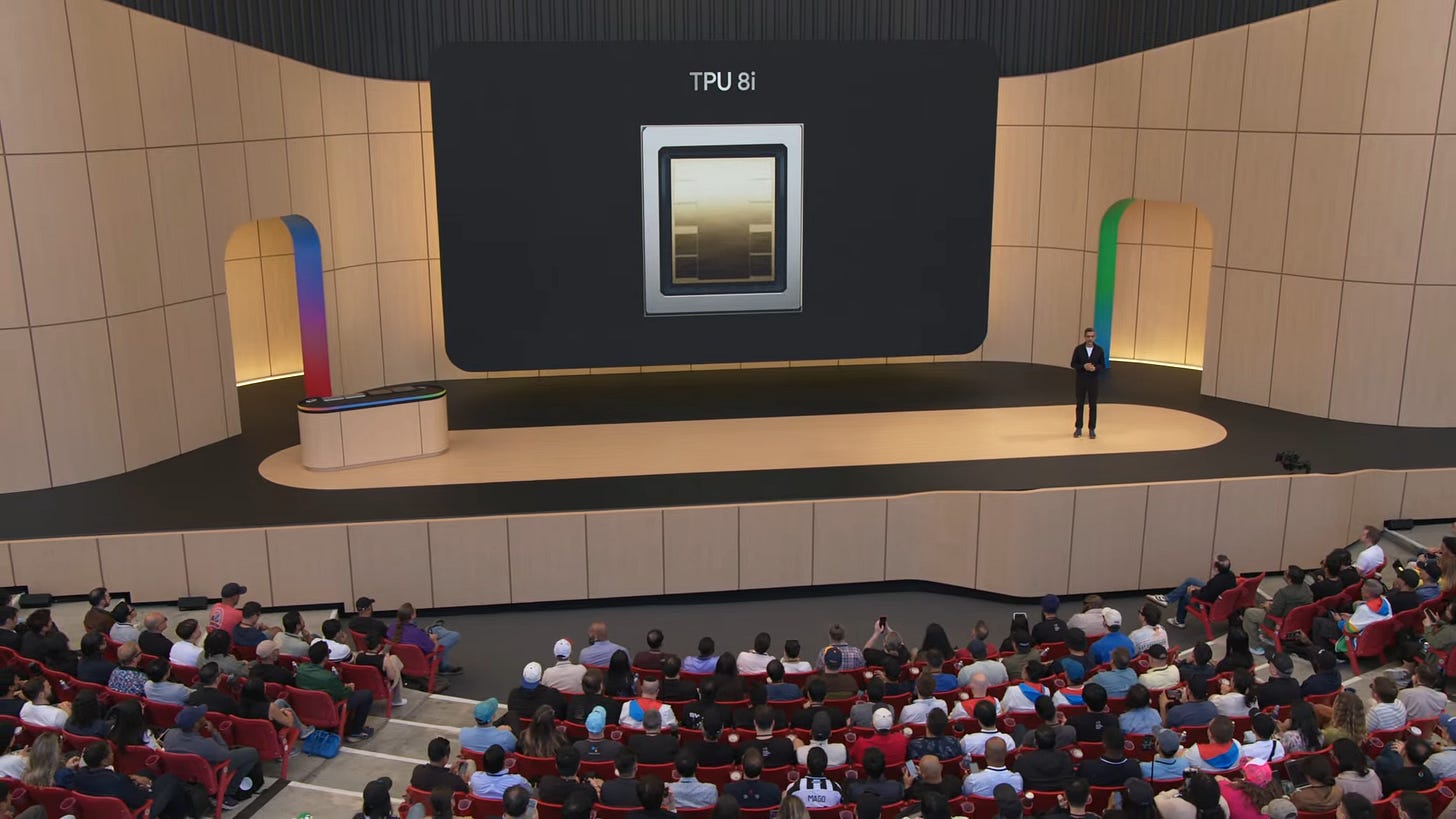
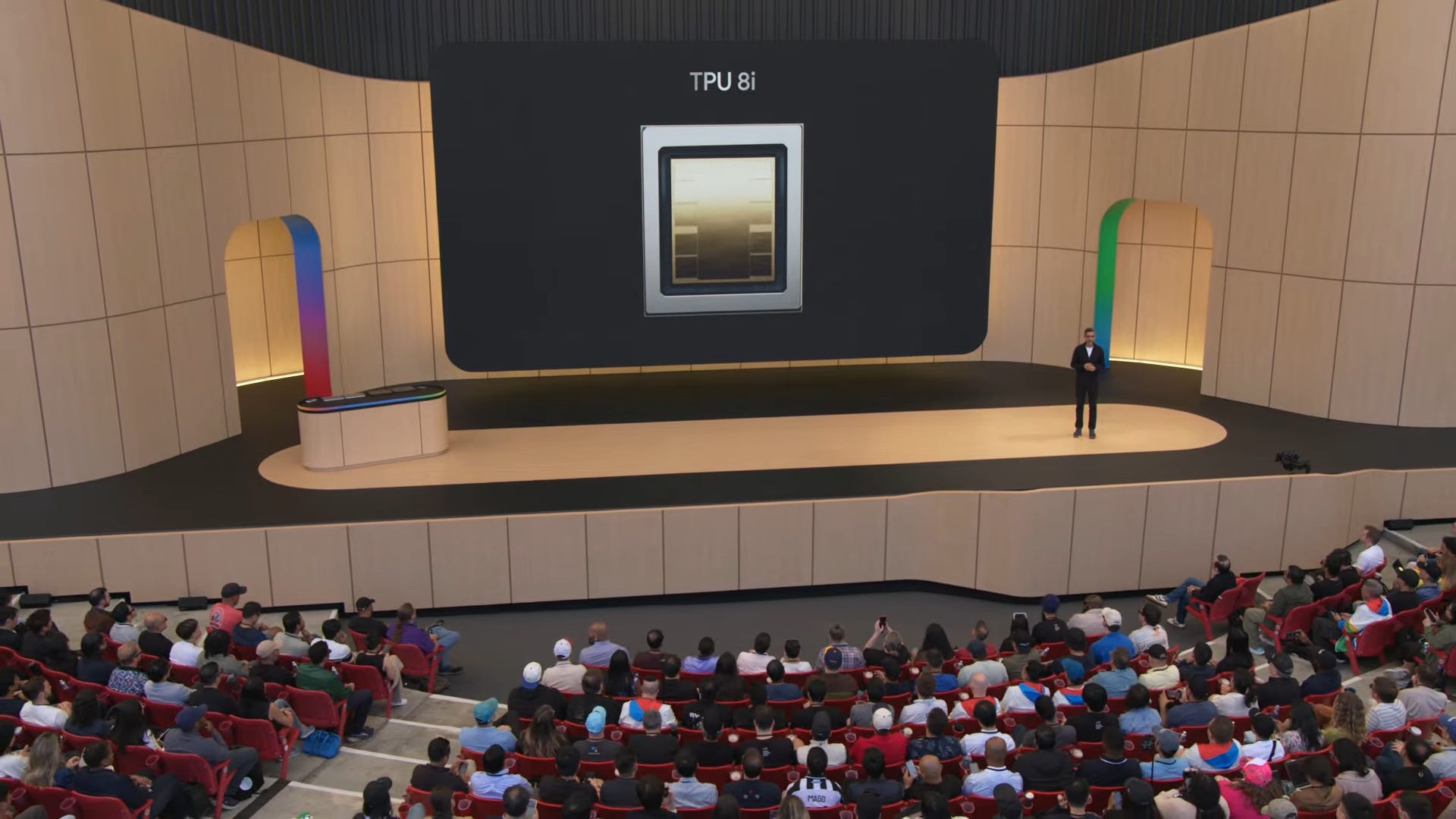
Google’s new TPU 8i has 3x more raw computing power than previous chips, which will help the company create the largest AI training cluster in the world. It’s more efficient than previous TPUs as well.
👾 Models
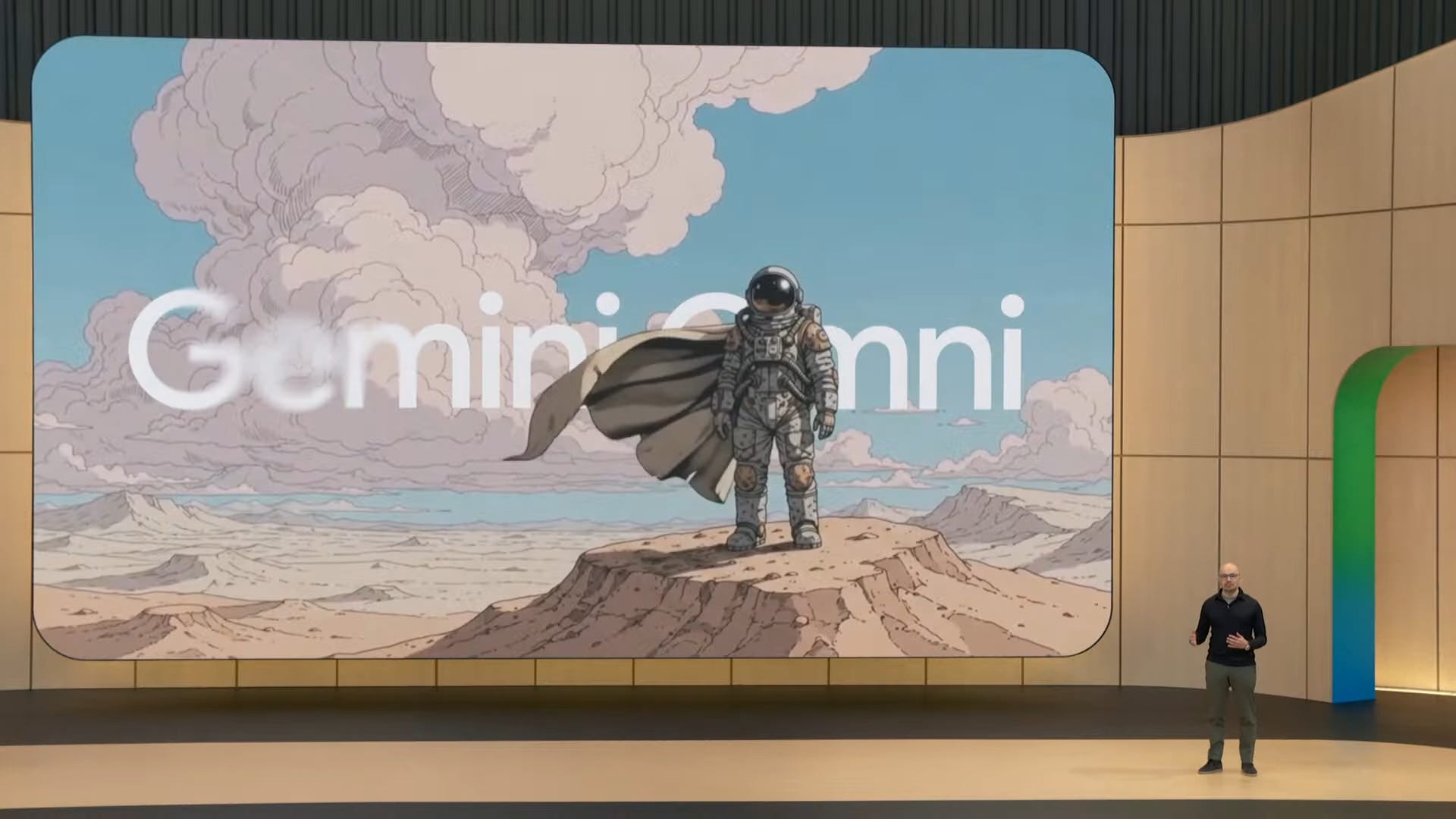
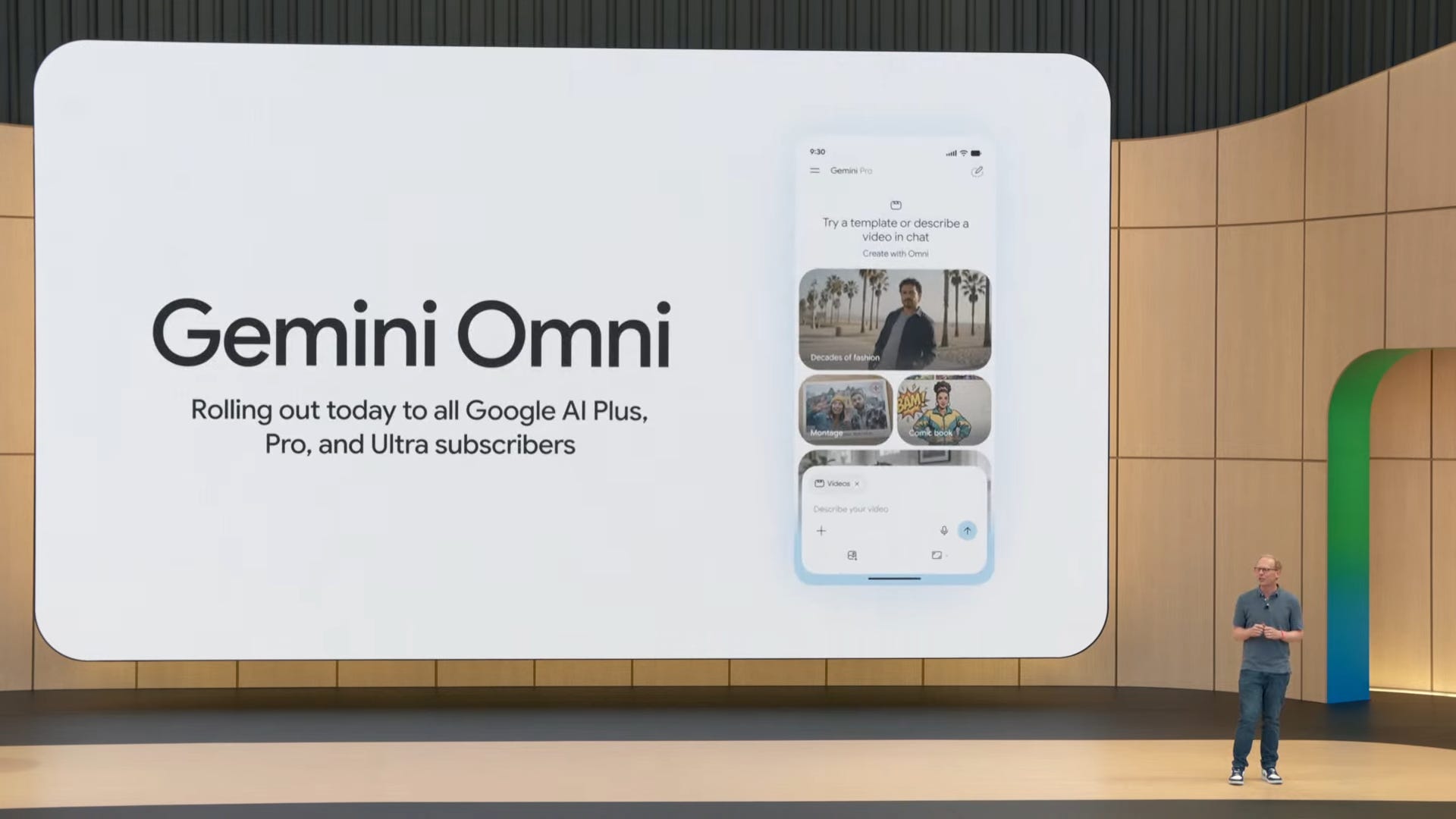
Google announced Gemini Omni, which can generate “anything.” The new model has more robust world knowledge and can understand kinetics and gravity to create more realistic videos. The company showed off examples of users adding effects to their real-life videos, simulating different realities, and more. Over time, the model will be able to handle “any output with any input.”
Gemini Omni Flash is the first version of the Omni model being released to the public.
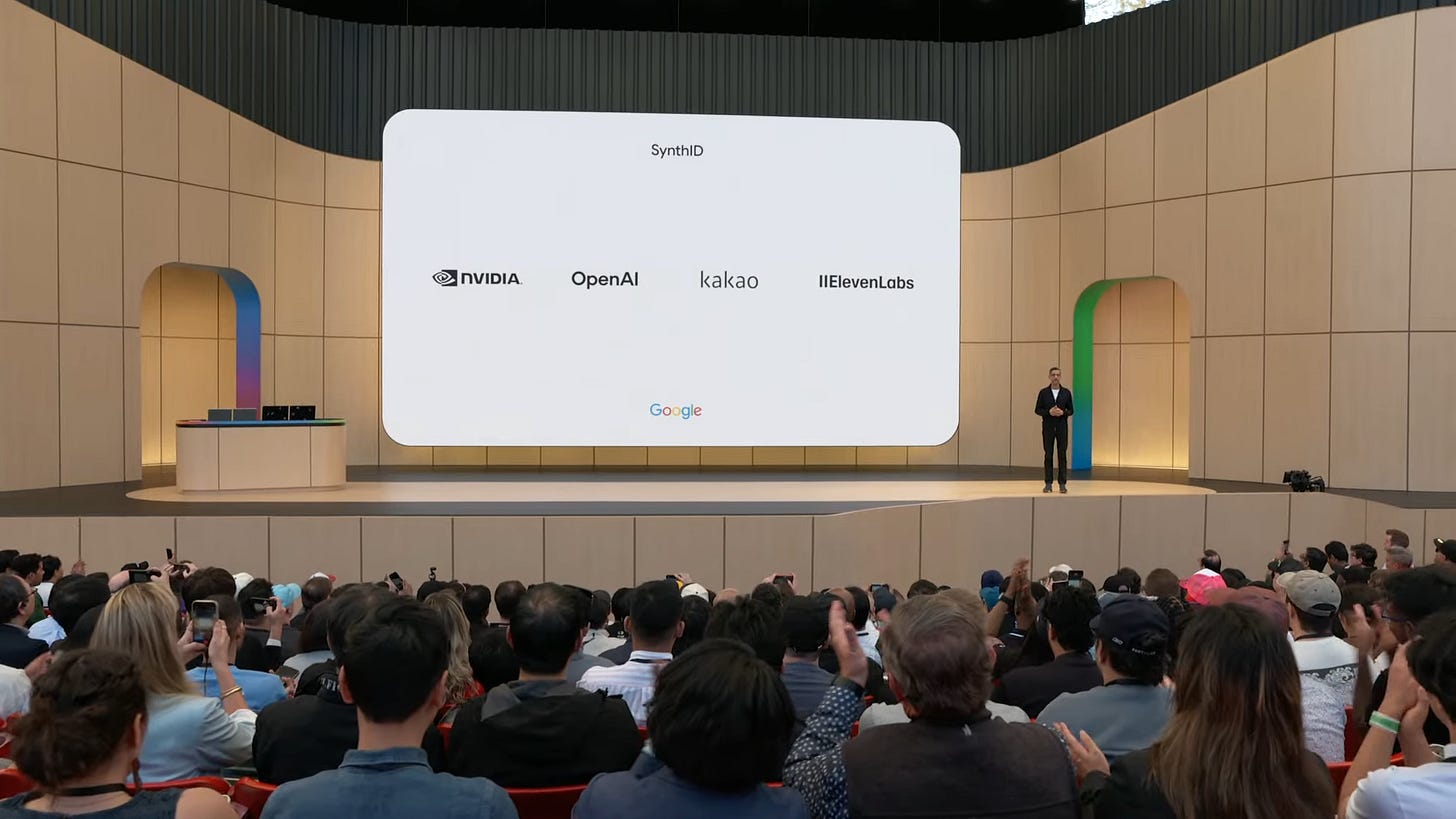
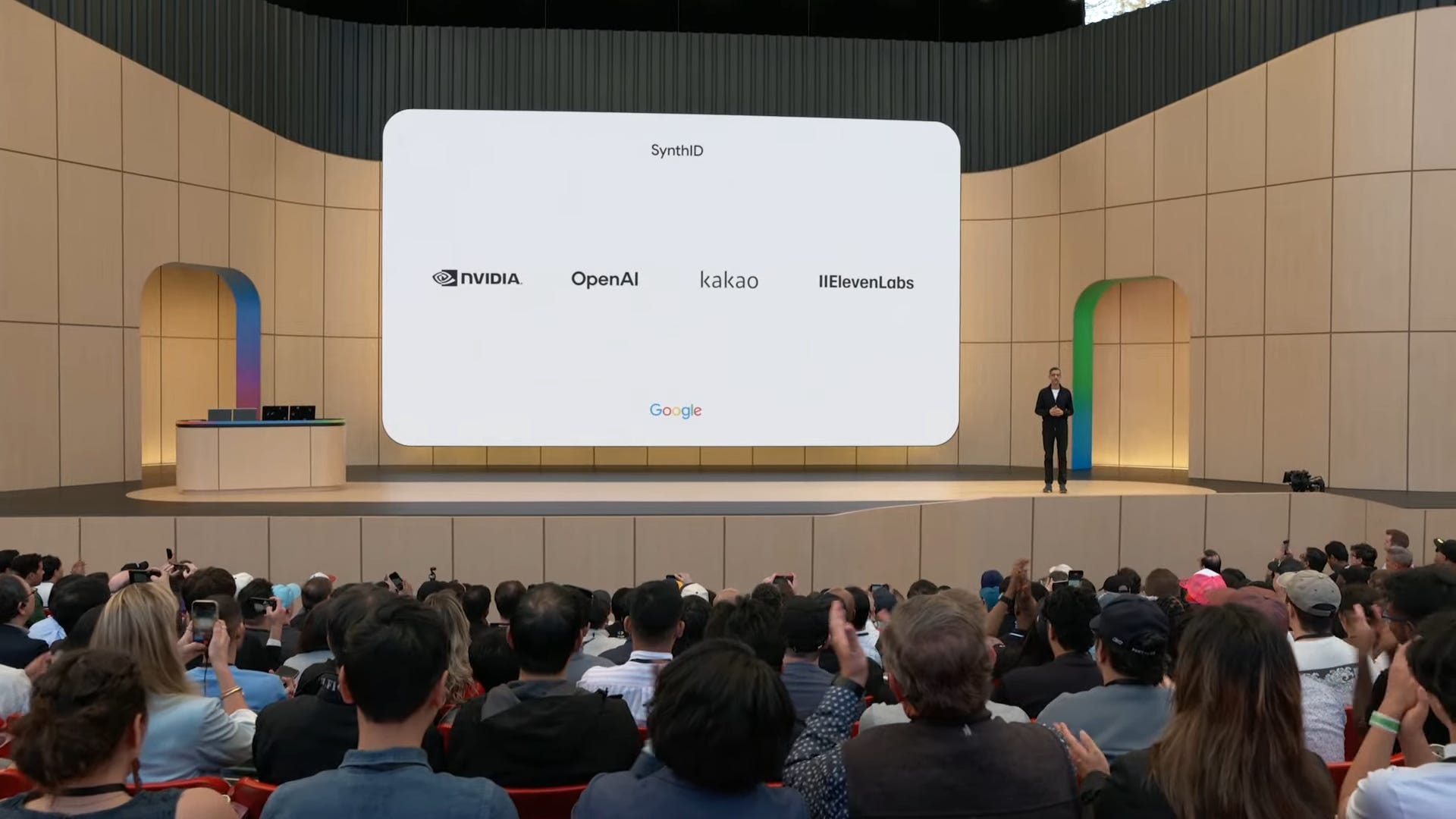
Google is making it easier to identify AI photos by letting you circle to search or right-click on images in Chrome and Search and ask if it was generated with AI. The company also confirmed that OpenAI, Elevenlabs, and Kakao are adopting SynthID for watermarking AI images.
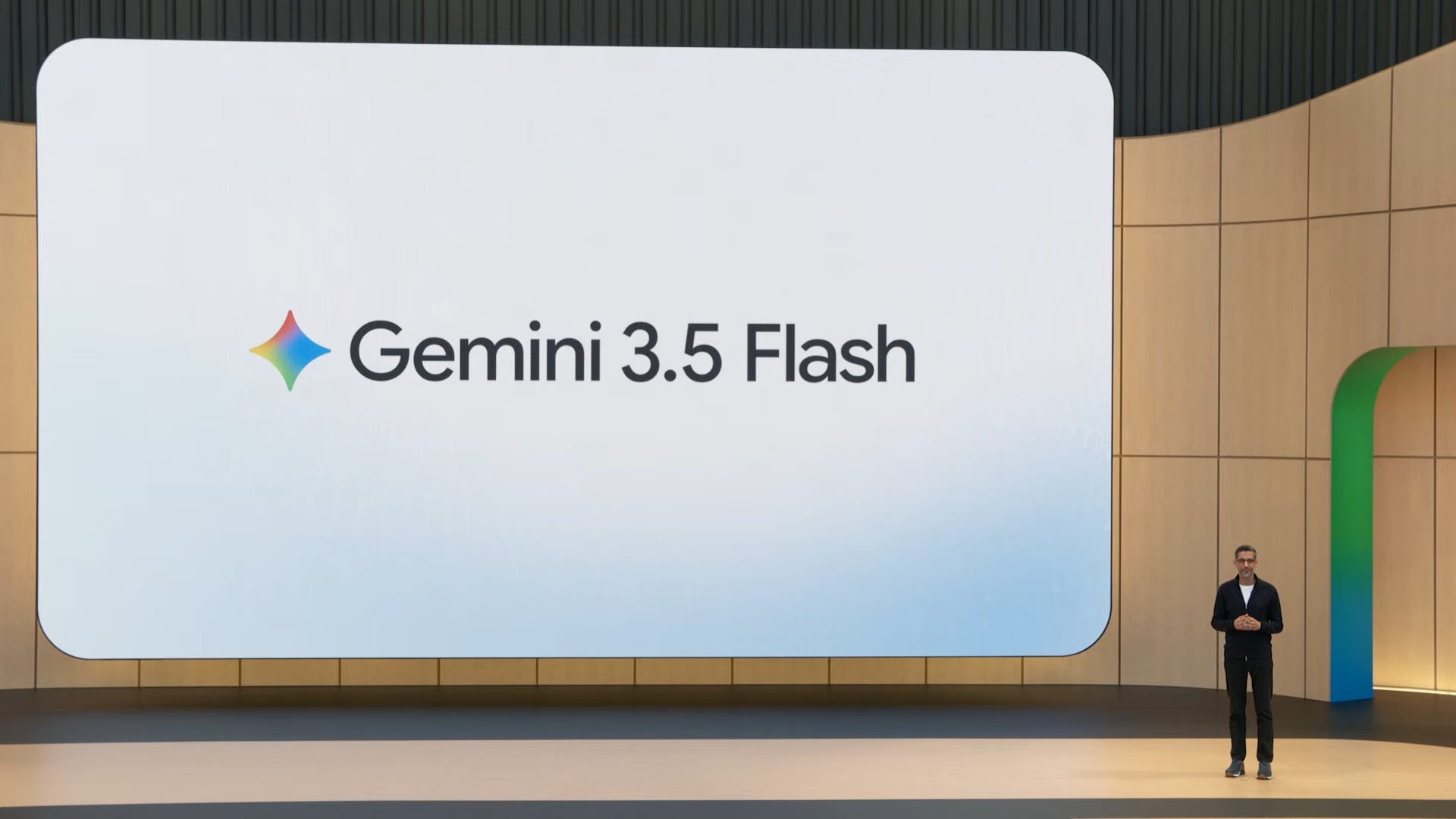
Google announced Gemini 3.5 Flash, which gives you much faster performance than Gemini 3.1 Flash.
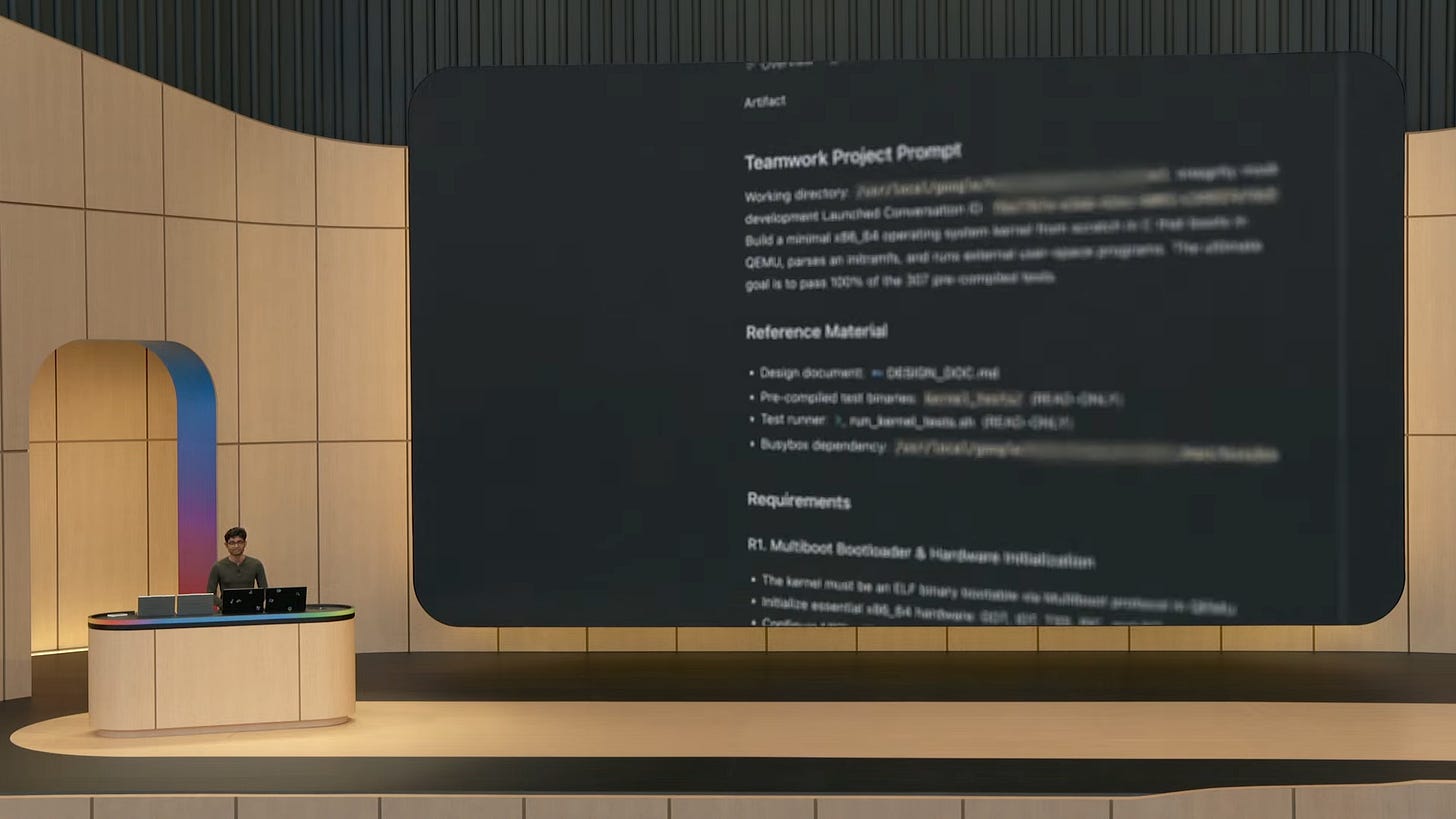
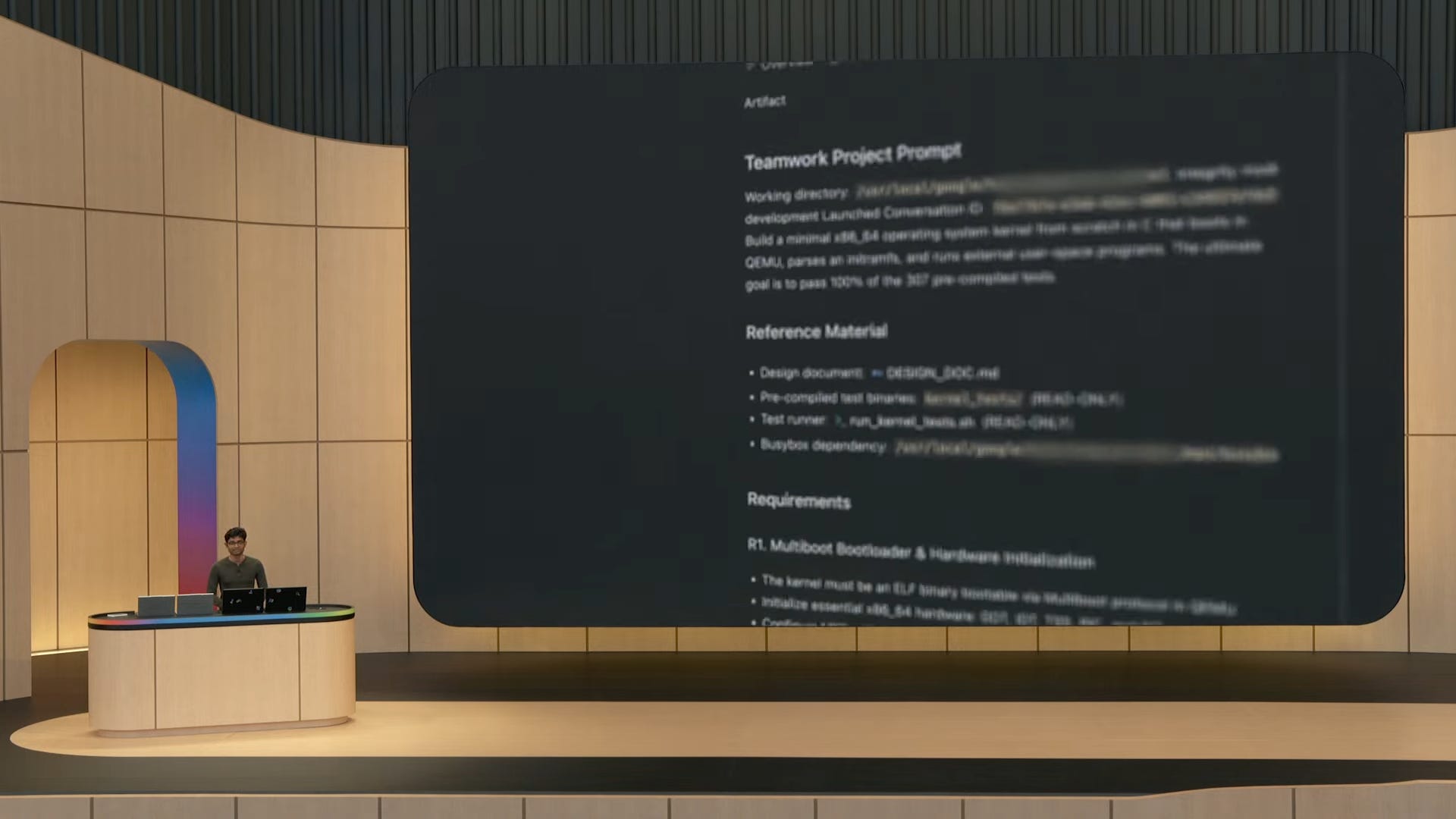
Google announced Antigravy 2.0, a new version of its coding app that’s more agent-first than the previous version and far more powerful. The company demoed its ability to build an entire, working operating system on its own. It took 12 hours with 93 subagents and 2.6 billion tokens to make it, but it was able to achieve the foundation for one. Google says it was able to generate it with less than $1,000 in API credits. It later asked Gemini to fix key driver issues in order to play Doom, which it did successfully while also showing its work.
Gemini 3.5 Flash is 4x faster than other frontier models, according to Google. It’s also optimized to be 12x faster in Antigravity.
Antigravity 2.0 is available globally starting today for everyone.
Gemini 3.5 Flash is available for everyone across products starting today.
👽 Agents
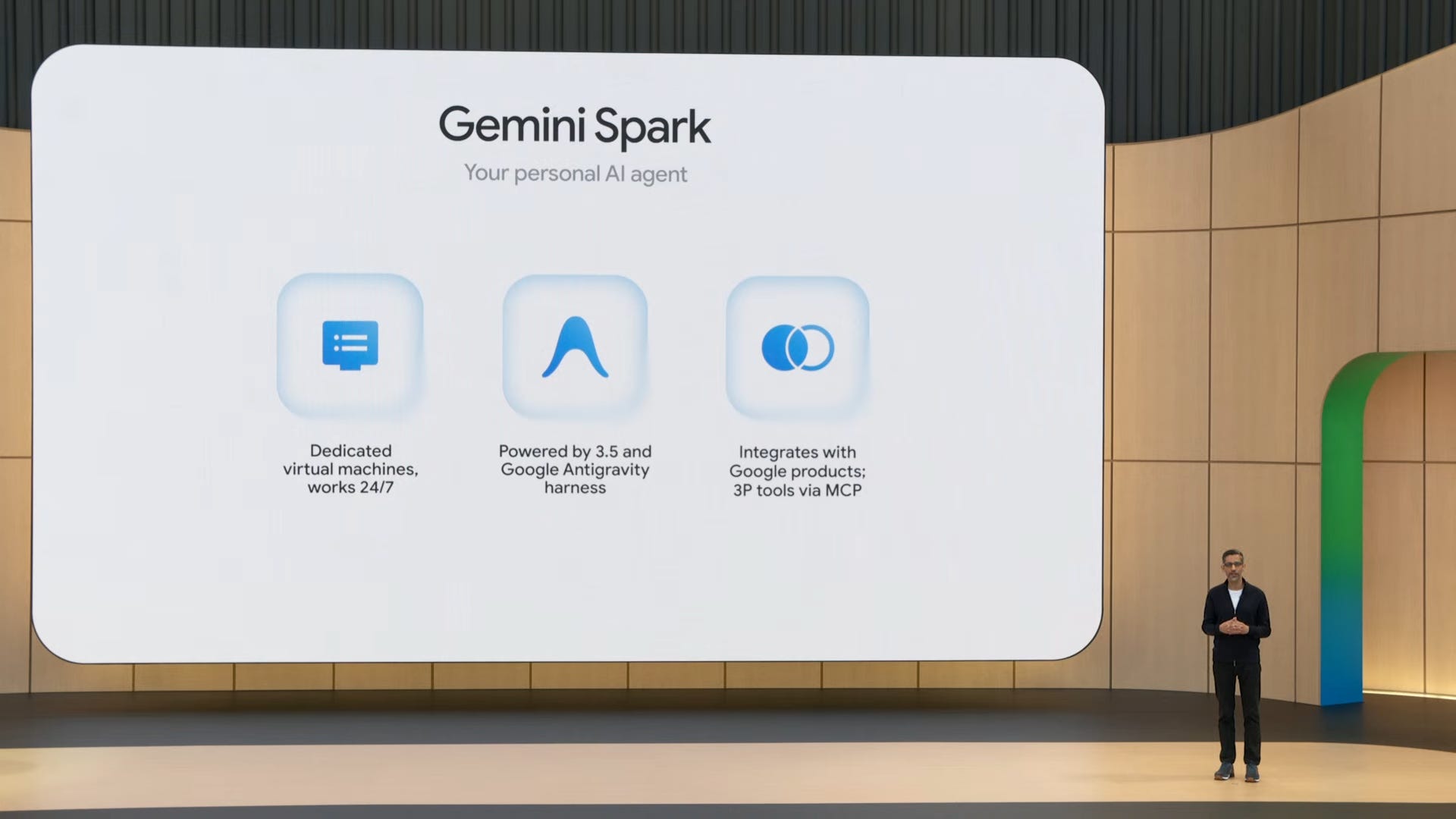
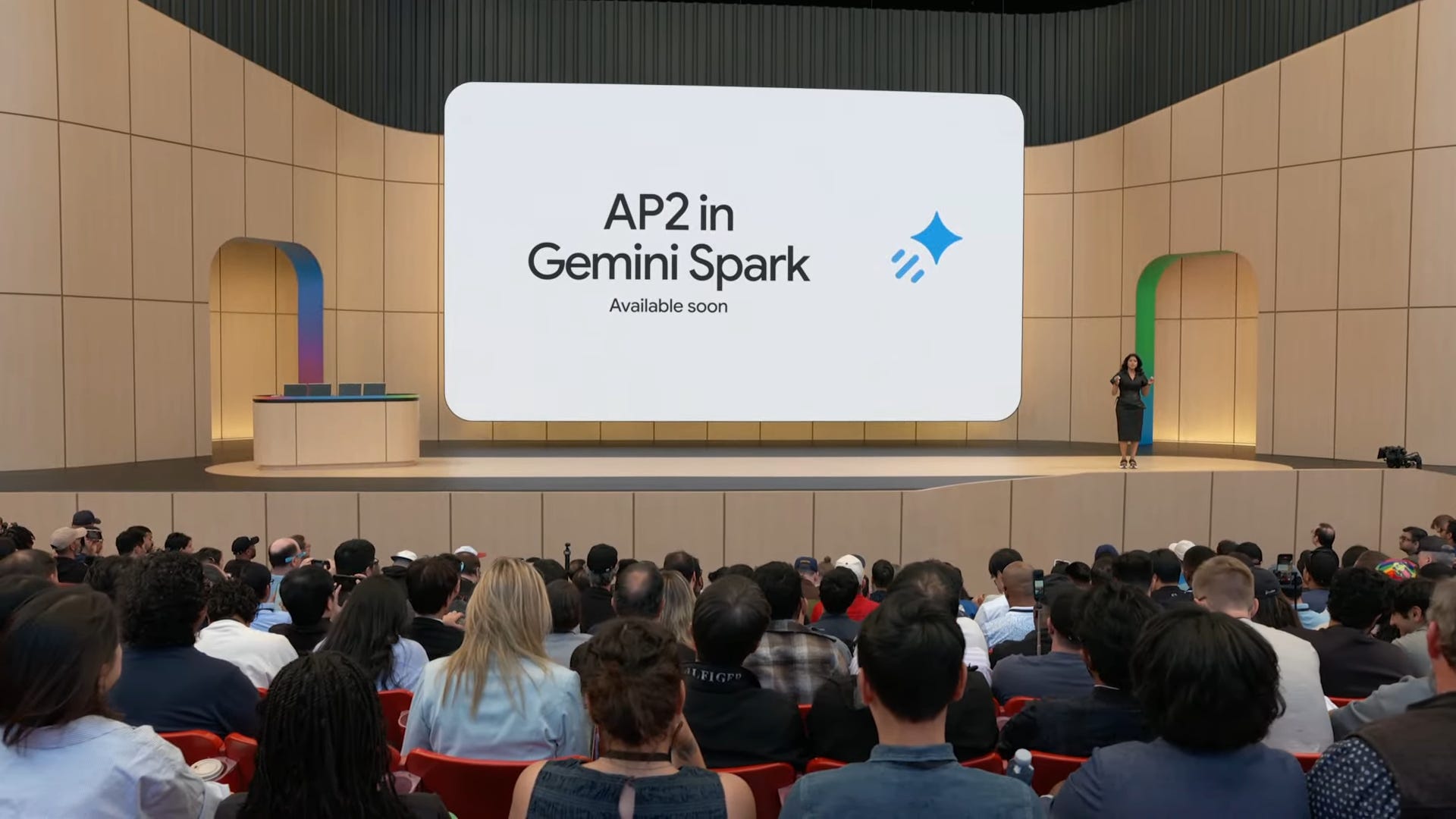
Google announced Gemini Spark, a dedicated virtual machine that works 24/7 for you, powered by Gemini 3.5 and the Antigravity harness.
It ties into all of your Google products and can pull data from services like Gmail, Docs, Drive, Photos, and more. This allows you to generate specific emails, handle incoming data automatically, and more.
The company demoed its ability to run multiple threads of commands at the same time in the background.
In addition, a new Google AI Ultra plan is launching for $100/month, while the top-tier AI Ultra plan drops in price from $250/month to $200/month. This’ll allow more people to utilize more tokens and access more powerful models and agents sooner than AI Pro subscribers and free users.
🔎 Search
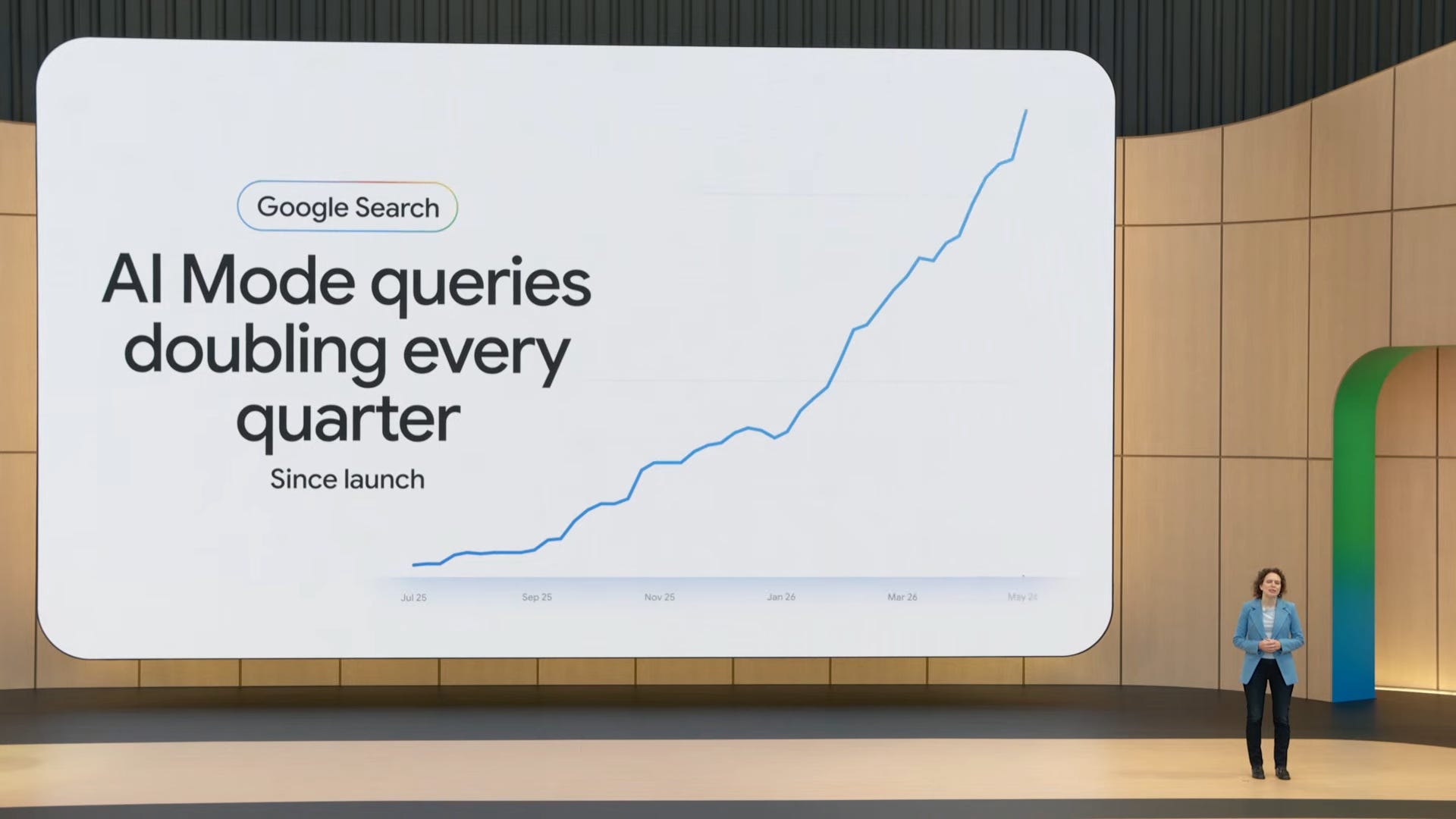
Google Search’s AI Mode now uses Gemini 3.5.
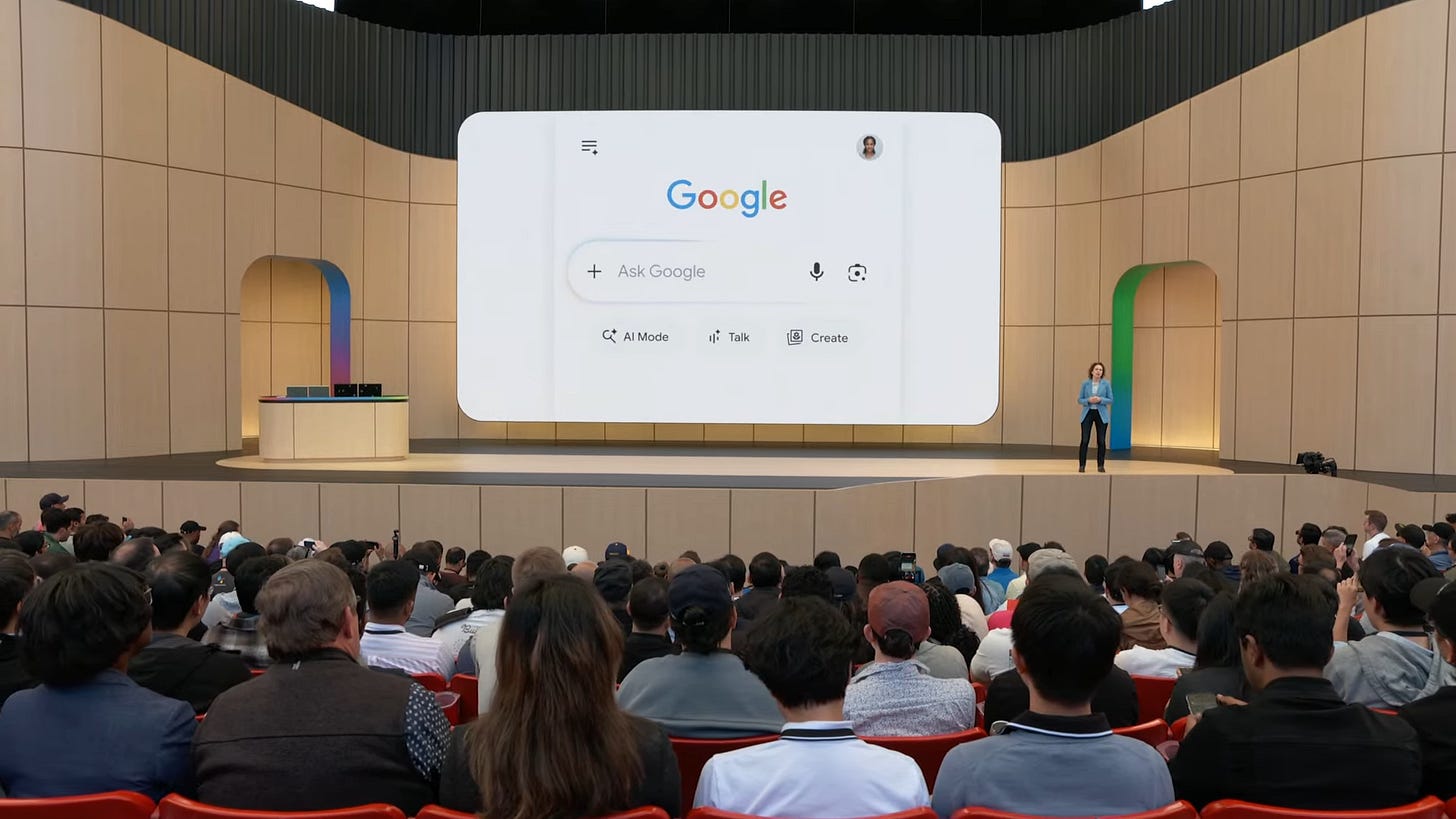
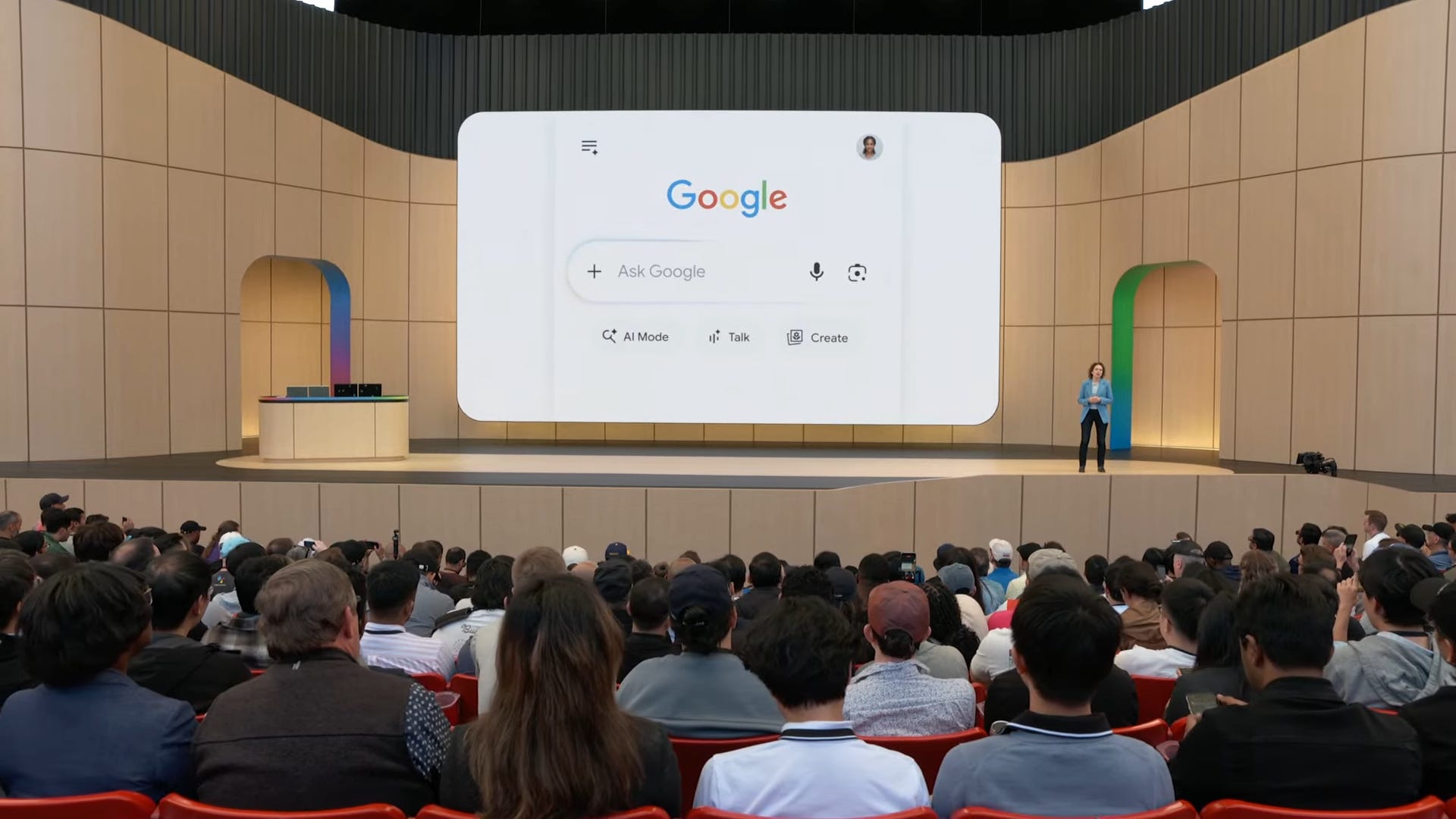
Google Search is getting a new search box that supports text, images, videos, and more. It’s like using Gemini for research, but built into Search itself. It’s rolling out now.
Search is getting new agentic capabilities. You can have multiple agents running at once to help you track information across the web, like keeping tabs on certain stocks with specific rules or searching for a new apartment with lots of natural light in a specific price range. It can even track sneaker drops across the web. The feature’s rolling out later this summer for AI Pro and Ultra subscribers.
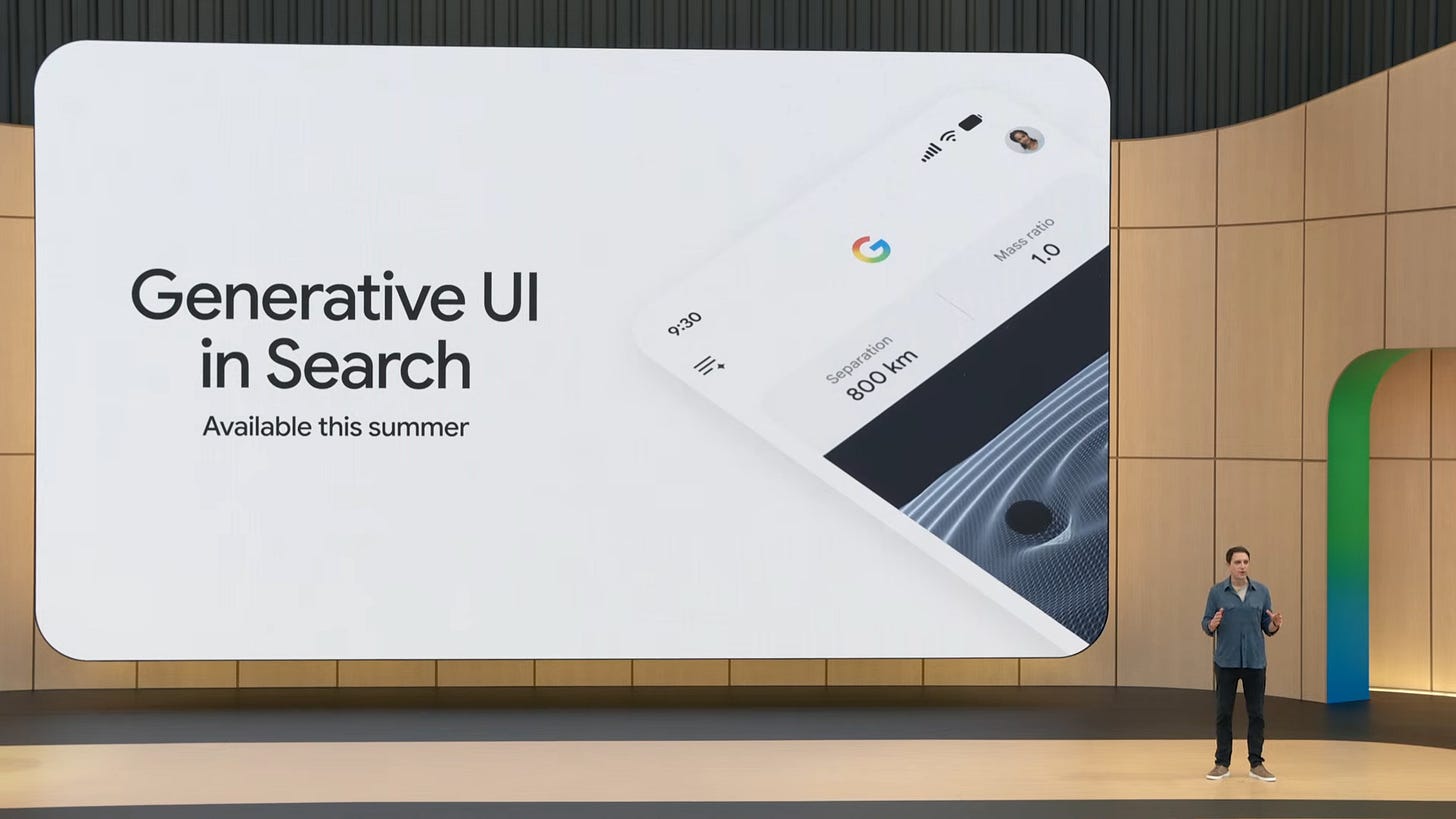
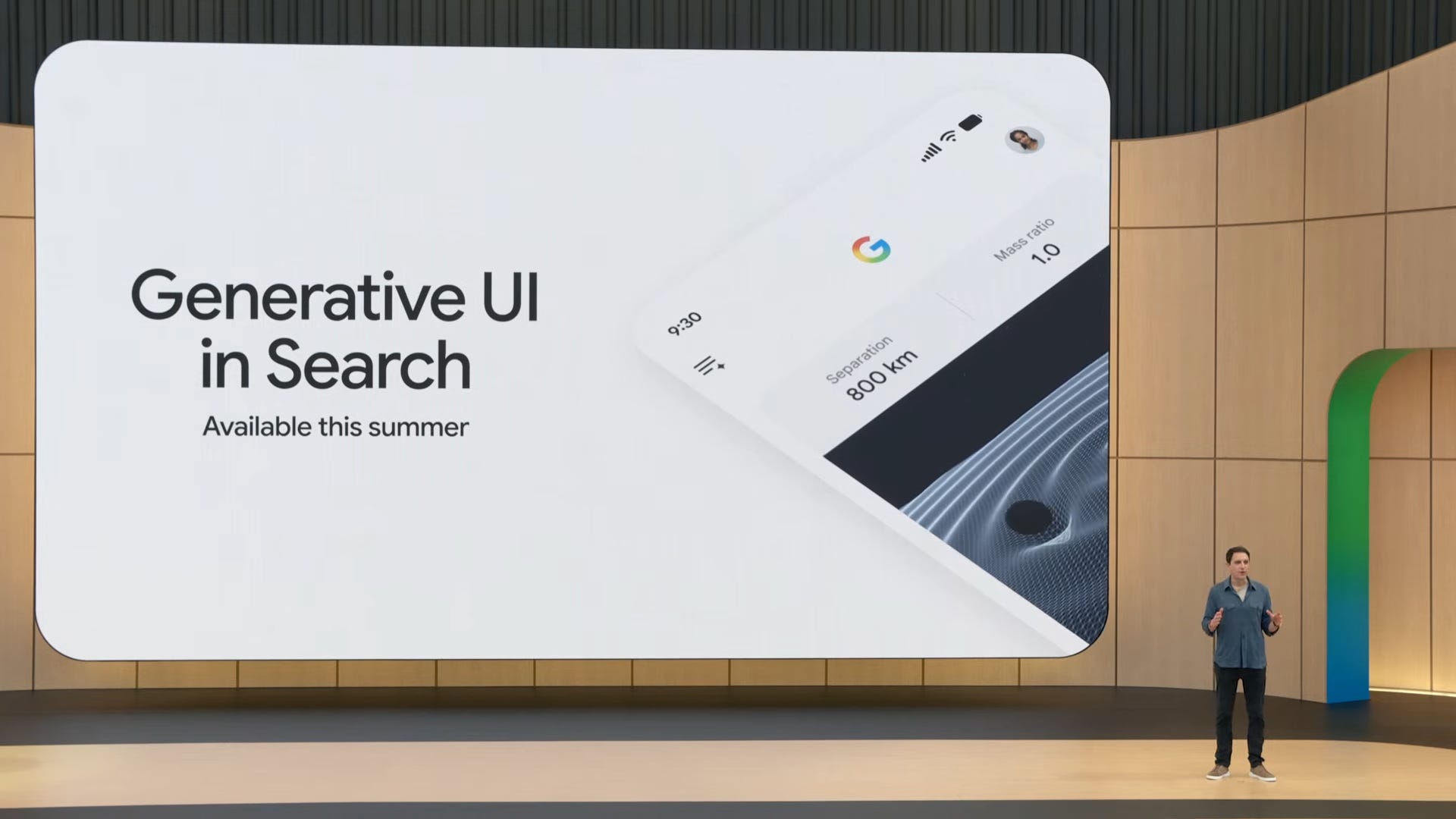
Agentic coding is also coming to Search to program specific features based on your queries. The company demoed its ability to generate interactive experiences to learn about black holes and gravity. The feature runs in the background and relies on Gemini 3.5 Flash and Antigravity to generate new UI elements. It’s rolling out this summer for all users, free of charge.
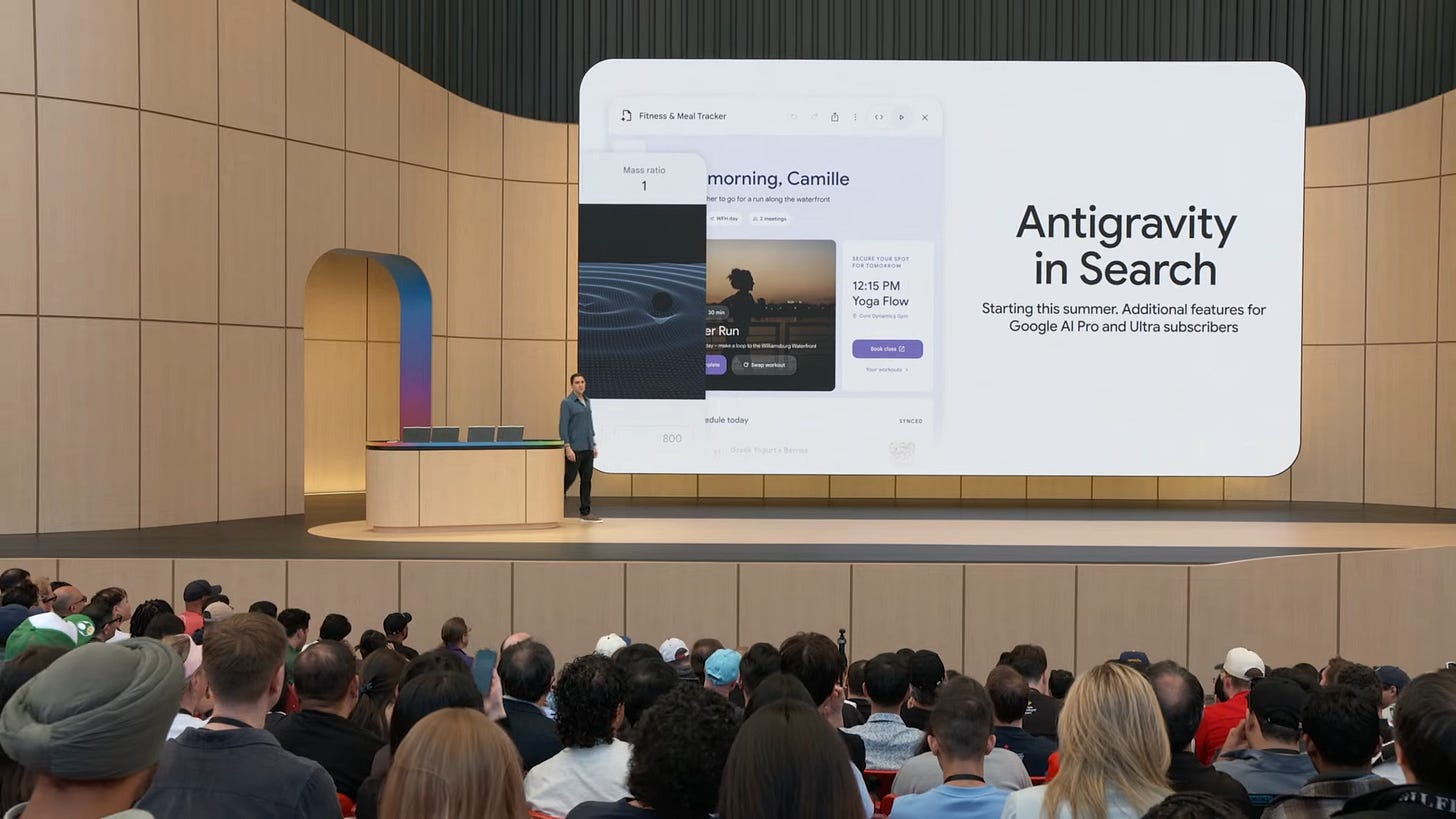
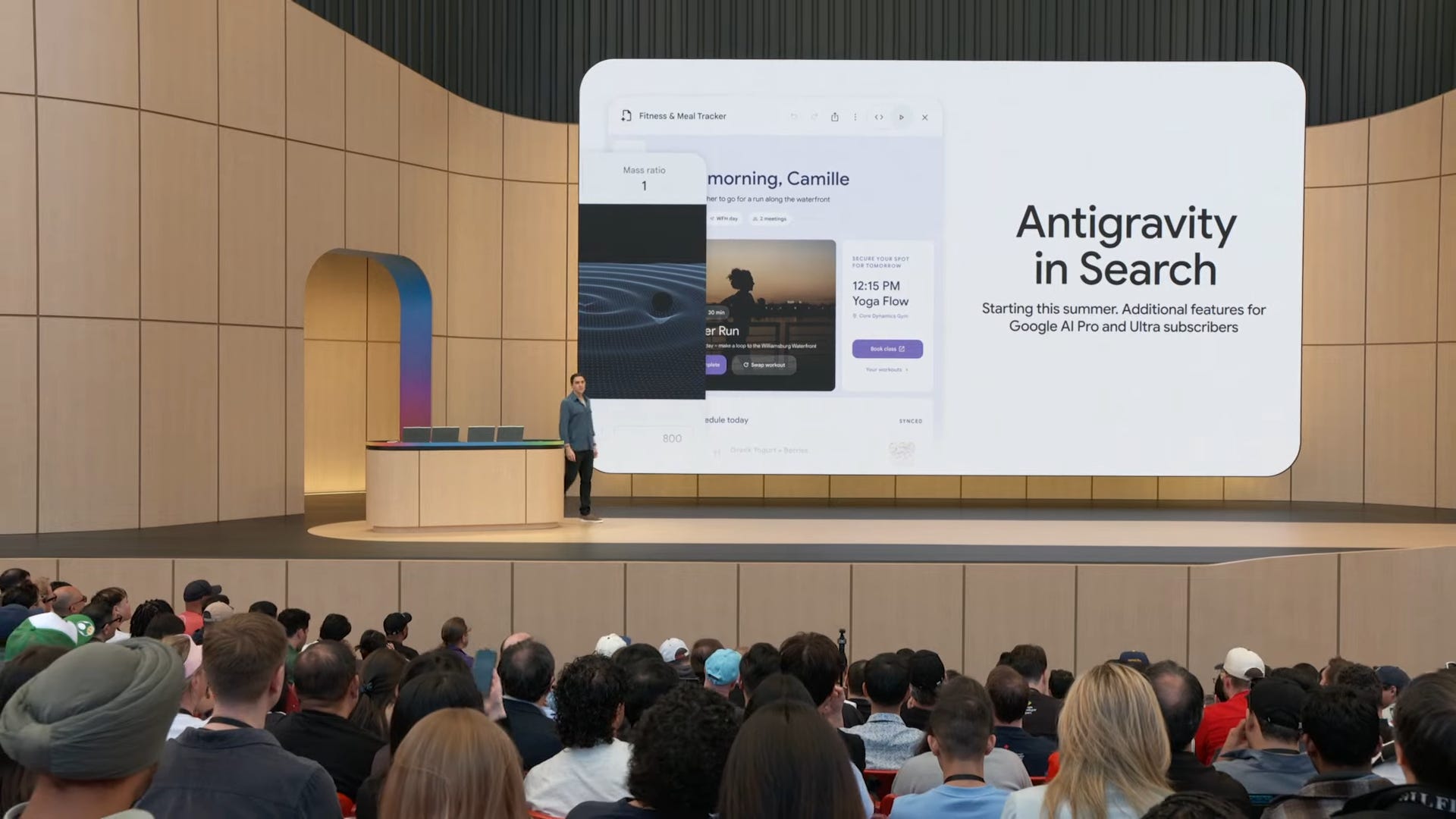
Antigravity in Search is also on the way to help you build custom interfaces for things like planning a weekend trip with restaurant recommendations, live weather updates, activities for your kids, and more. The UI elements act as sort of mini apps that can be saved to your Google account, shared with others, and accessed on all of your devices. It’ll roll out this summer.
Google’s Universal Commerce Protocol is being adopted by more companies like Amazon, Microsoft, and Stripe to make it eaiser for AI agents to buy things on your behalf. The Agent Payments Protocol will help to ensure your AI agent keeps your financial information secure, your purchase history safe, and create a paper trail in case you need to make a return.
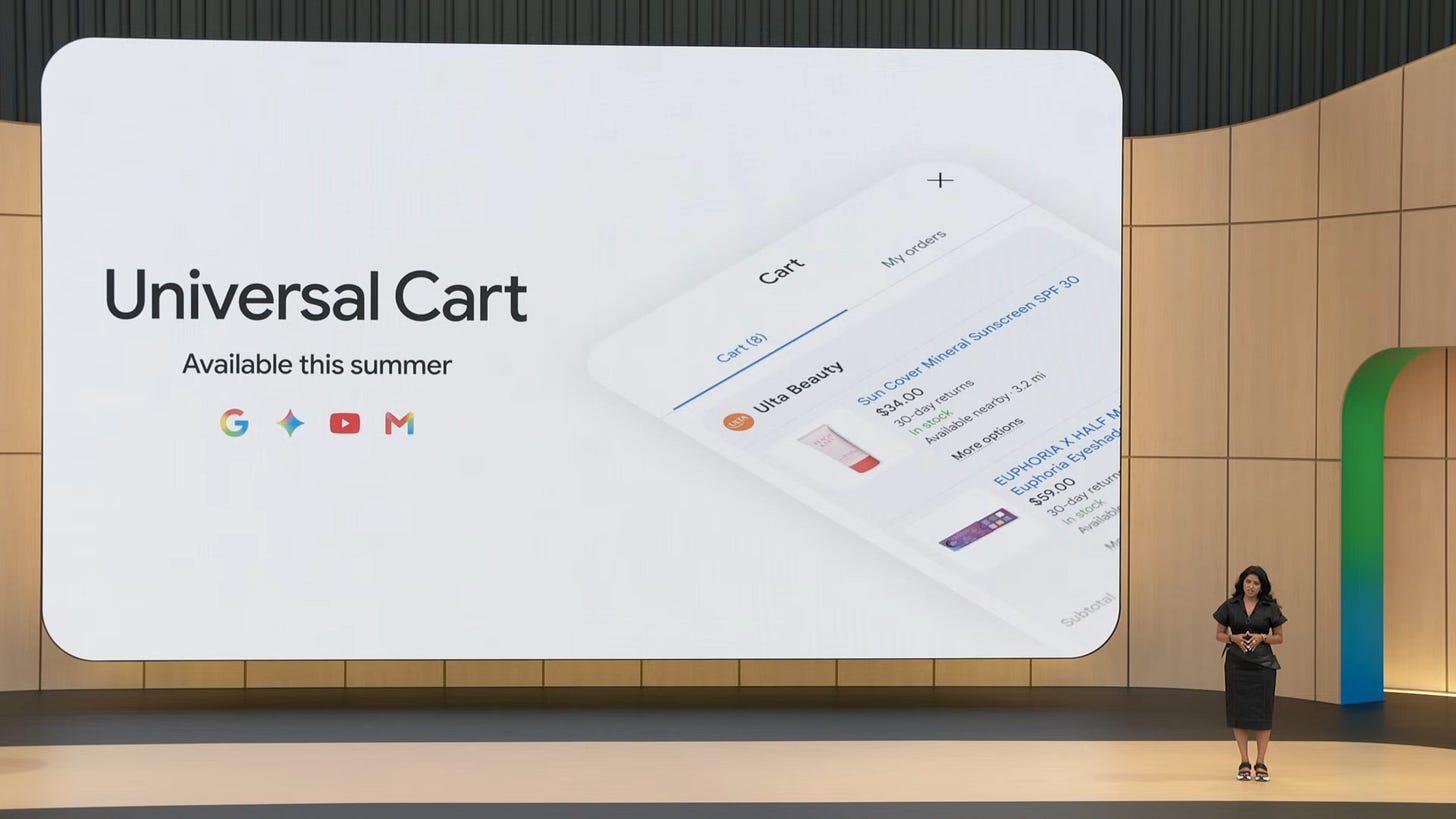
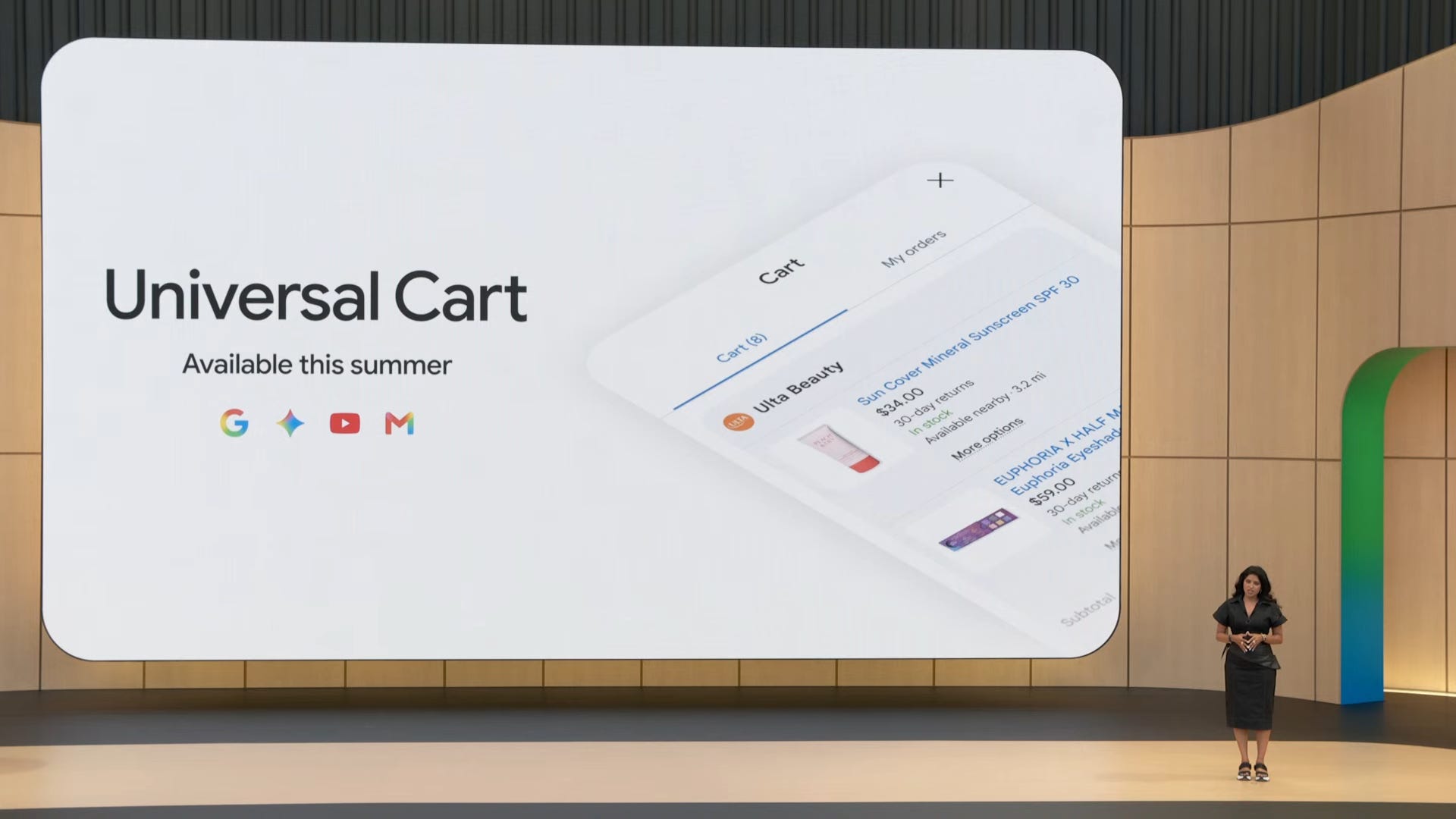
Google announced the Universal Cart, a new cart that syncs across platforms like Google Search, YouTube, and Gemini for tracking all of the things you want to buy, find savings you might’ve missed, and even recommend products that should go together. An example was a notice about a motherboard not being compatible with a CPU also in the cart. It’s rolling out this summer.
🦾 Gemini
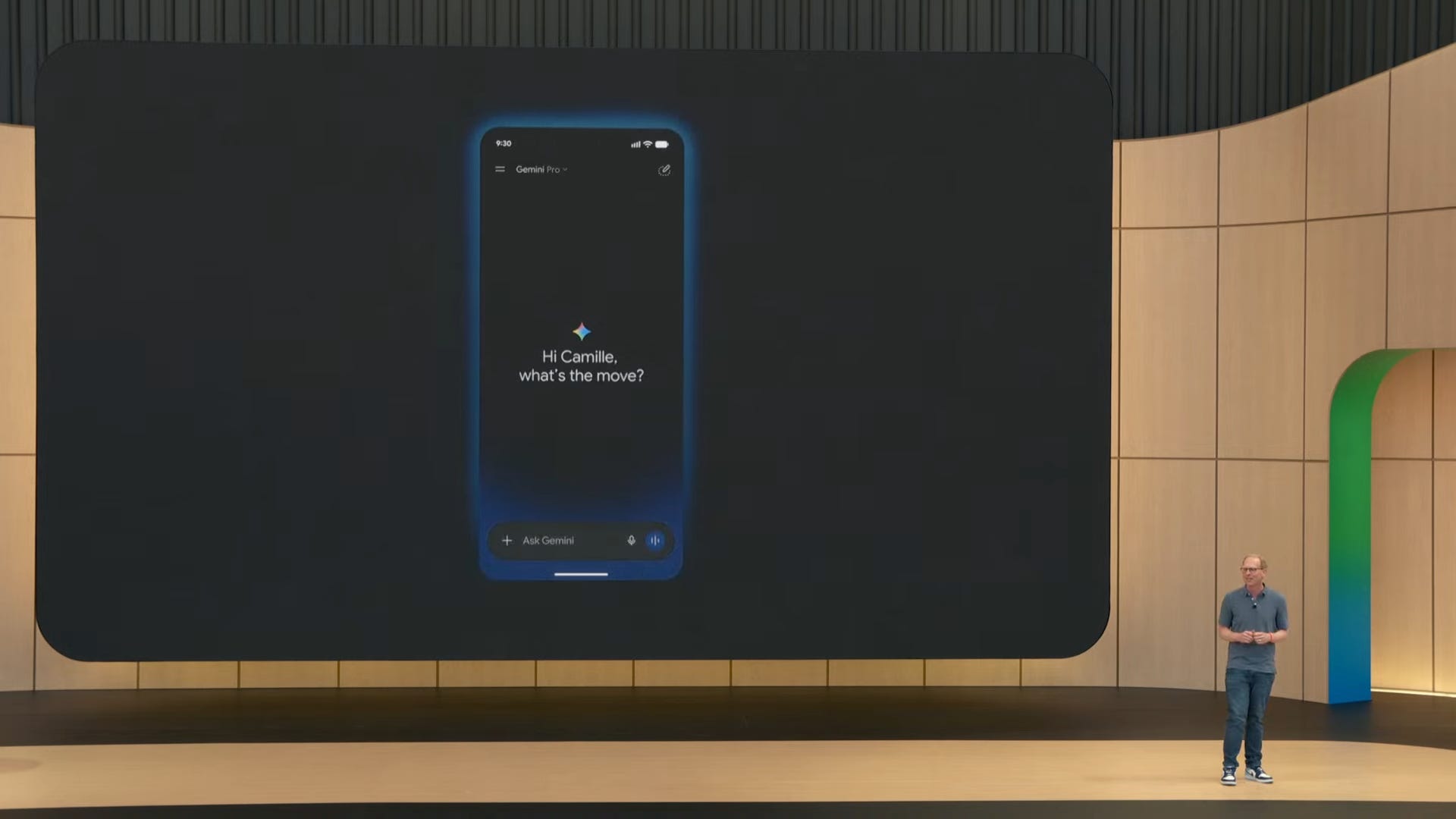
Google detailed its new redesign for the Gemini app with its “Neural Expressive” design language. It’s a lot more fluid and animated, with gentle halos and gradients throughout. The new UI is already rolling out to users across platforms.
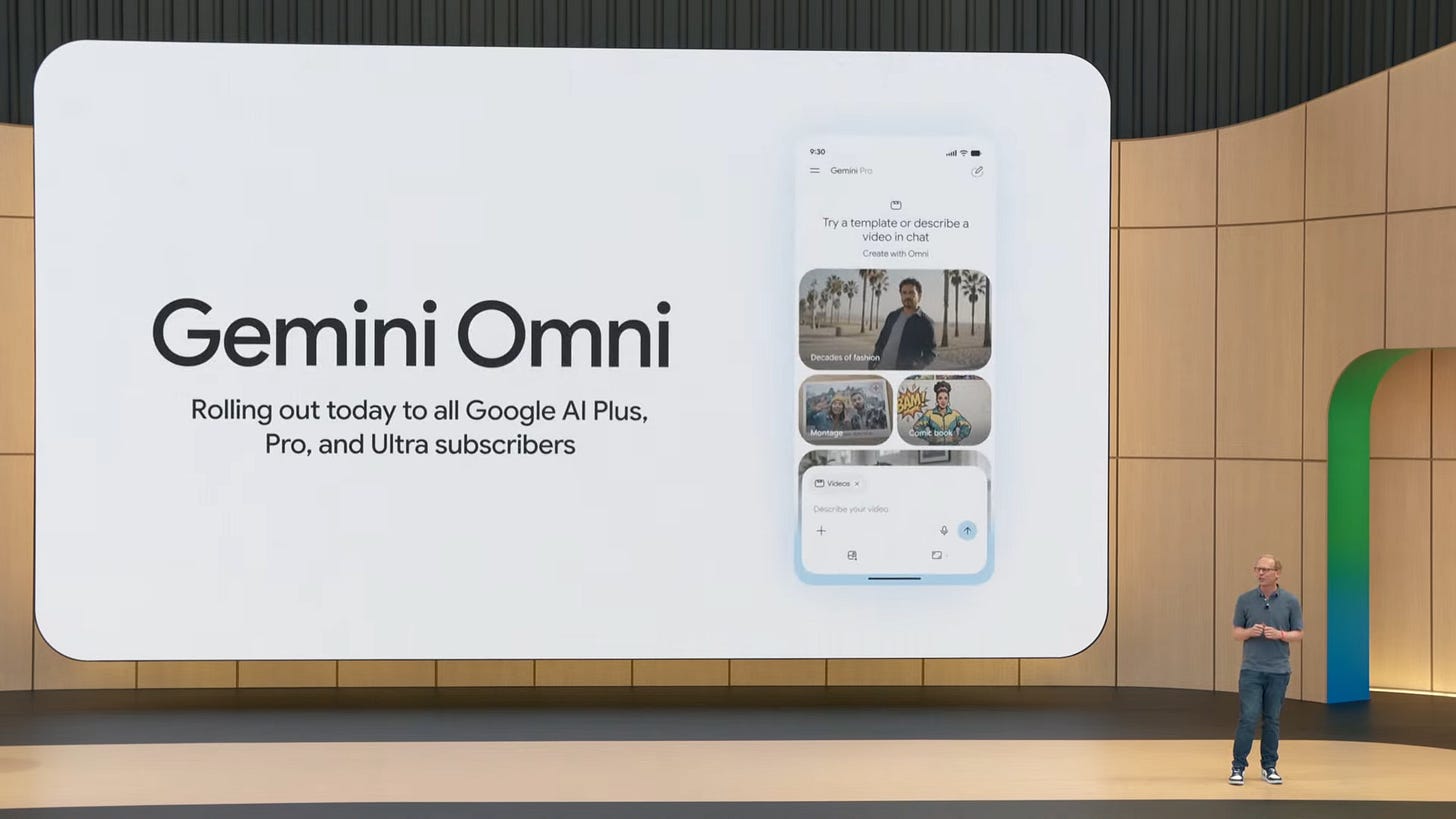
Gemini Omni is arriving in the Gemini app starting today for paid subscribers.
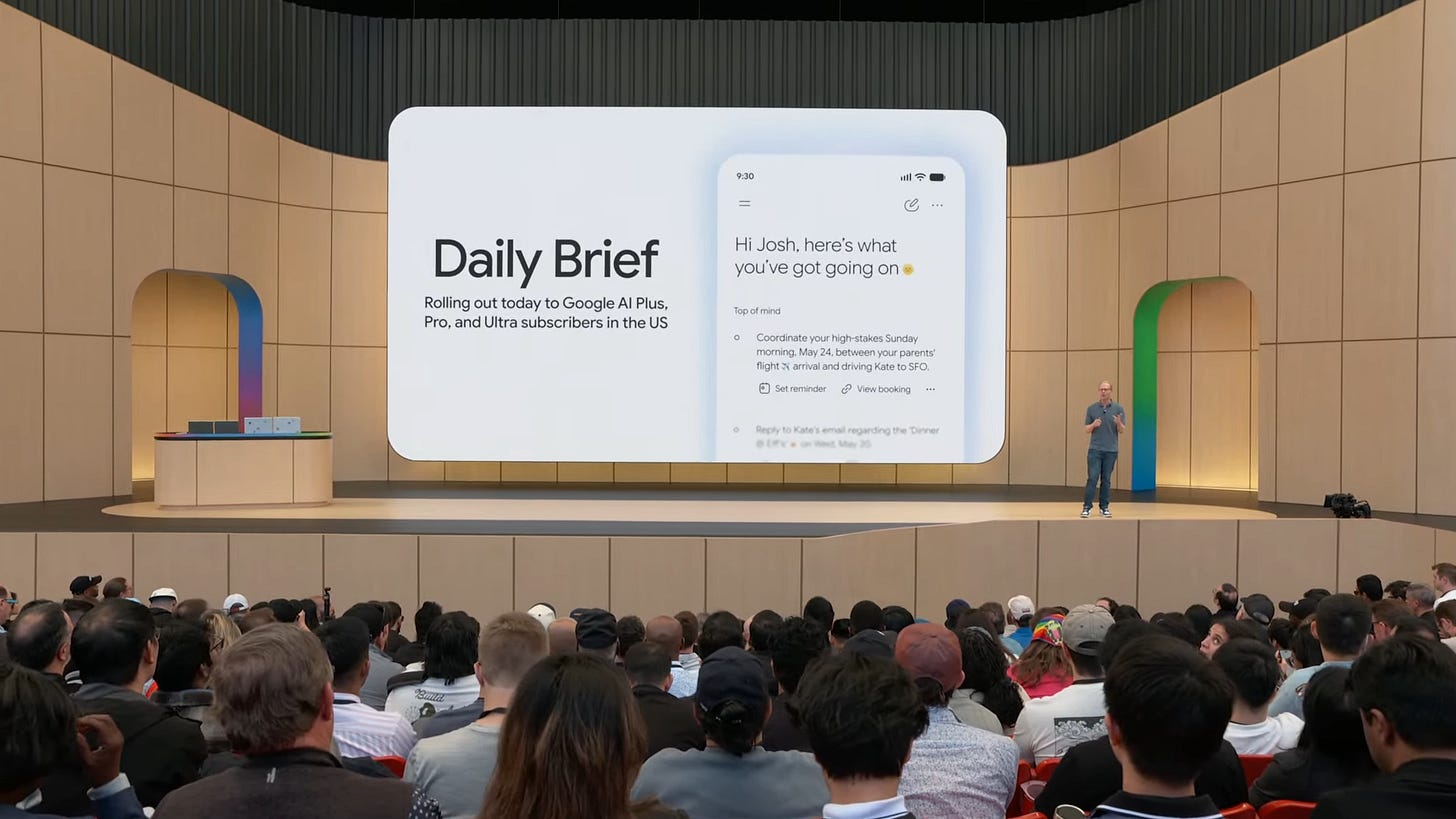
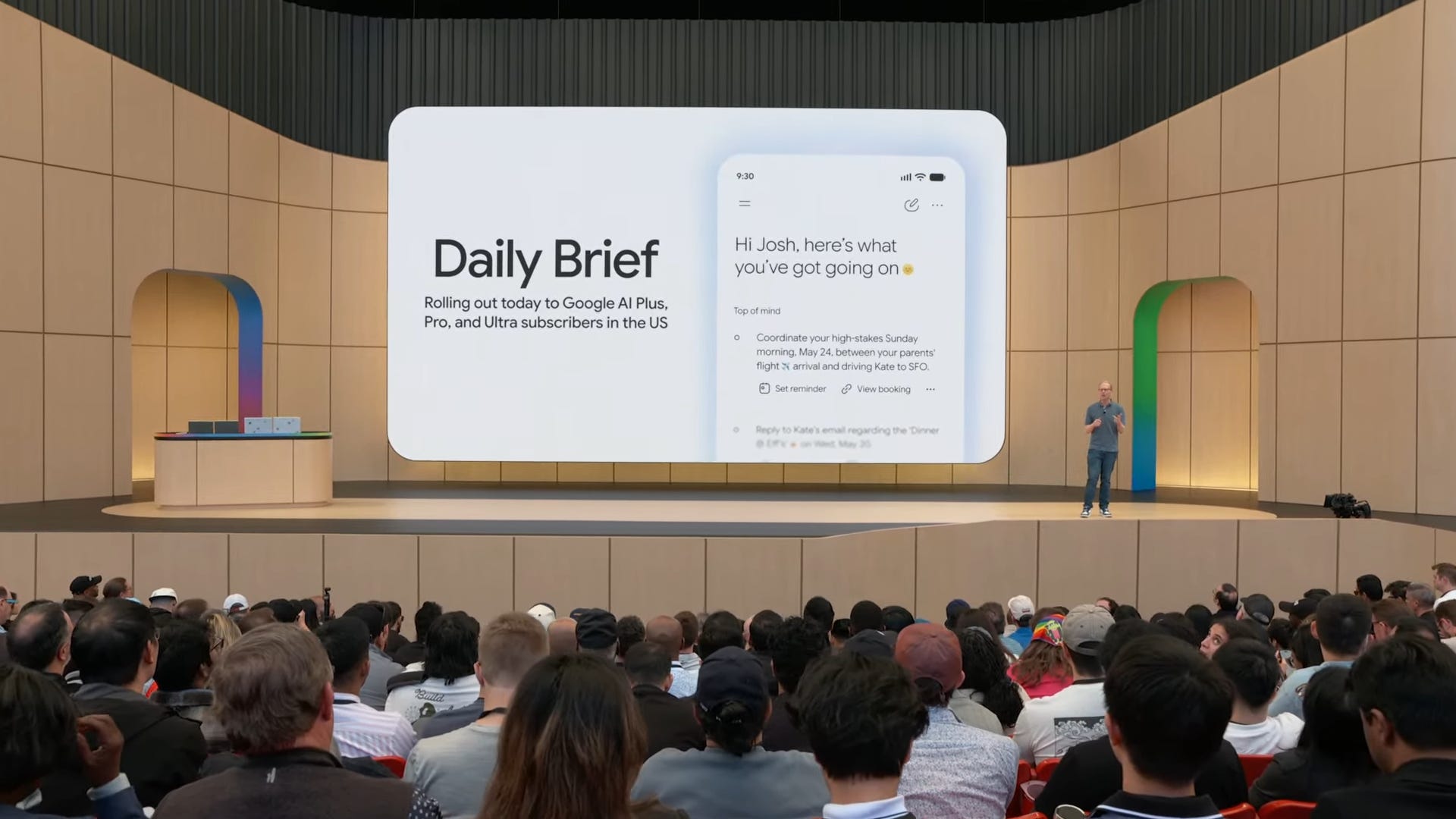
Agents are coming to Gemini starting today. One of the first agents is Daily Brief, which pours a bunch of information across platforms like Calendar, Gmail, Docs, and more into a skimmable breakdown to make it easy to see what you need to do each day. It’s rolling out to paid subscribers starting today in the US.
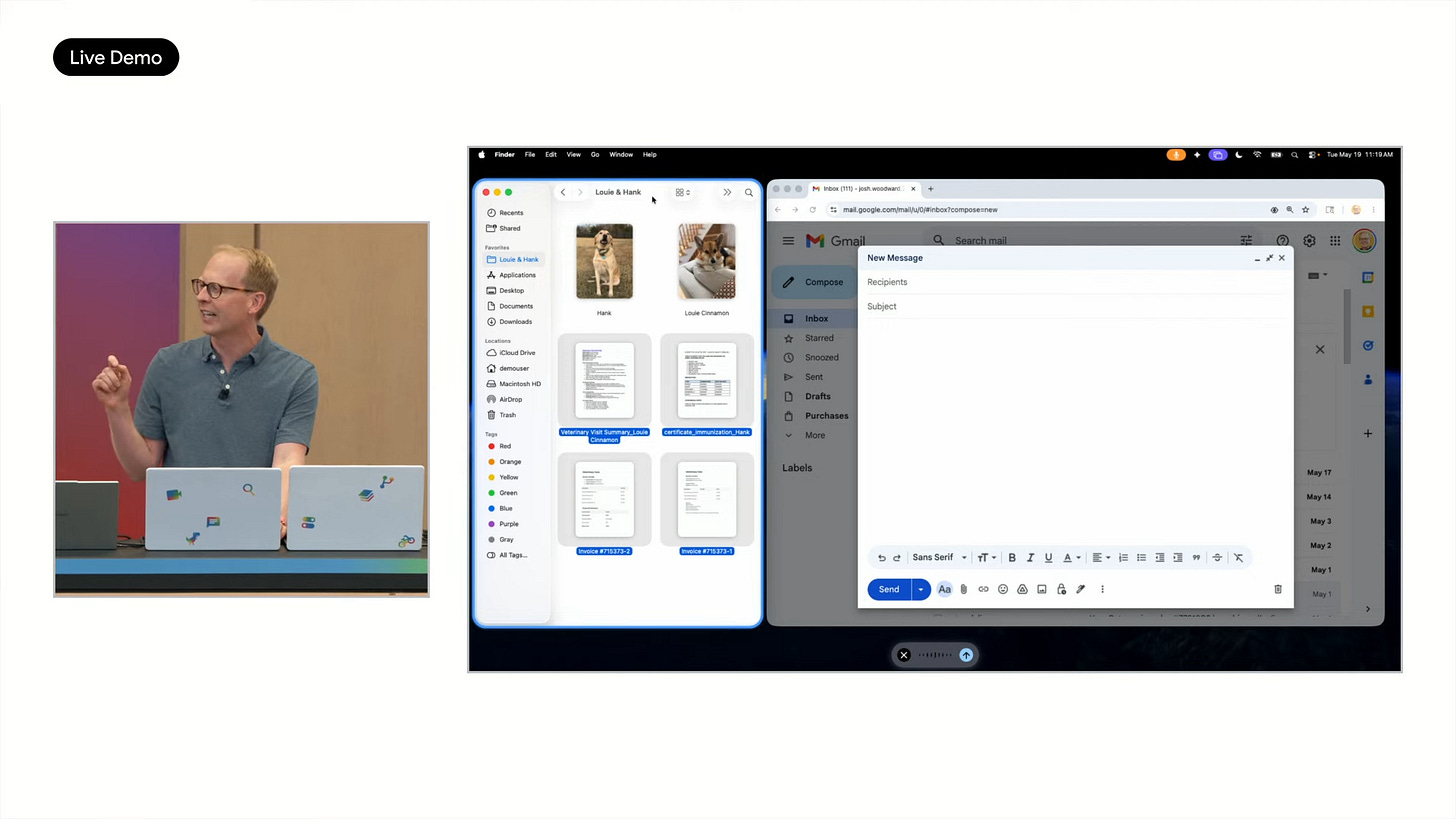
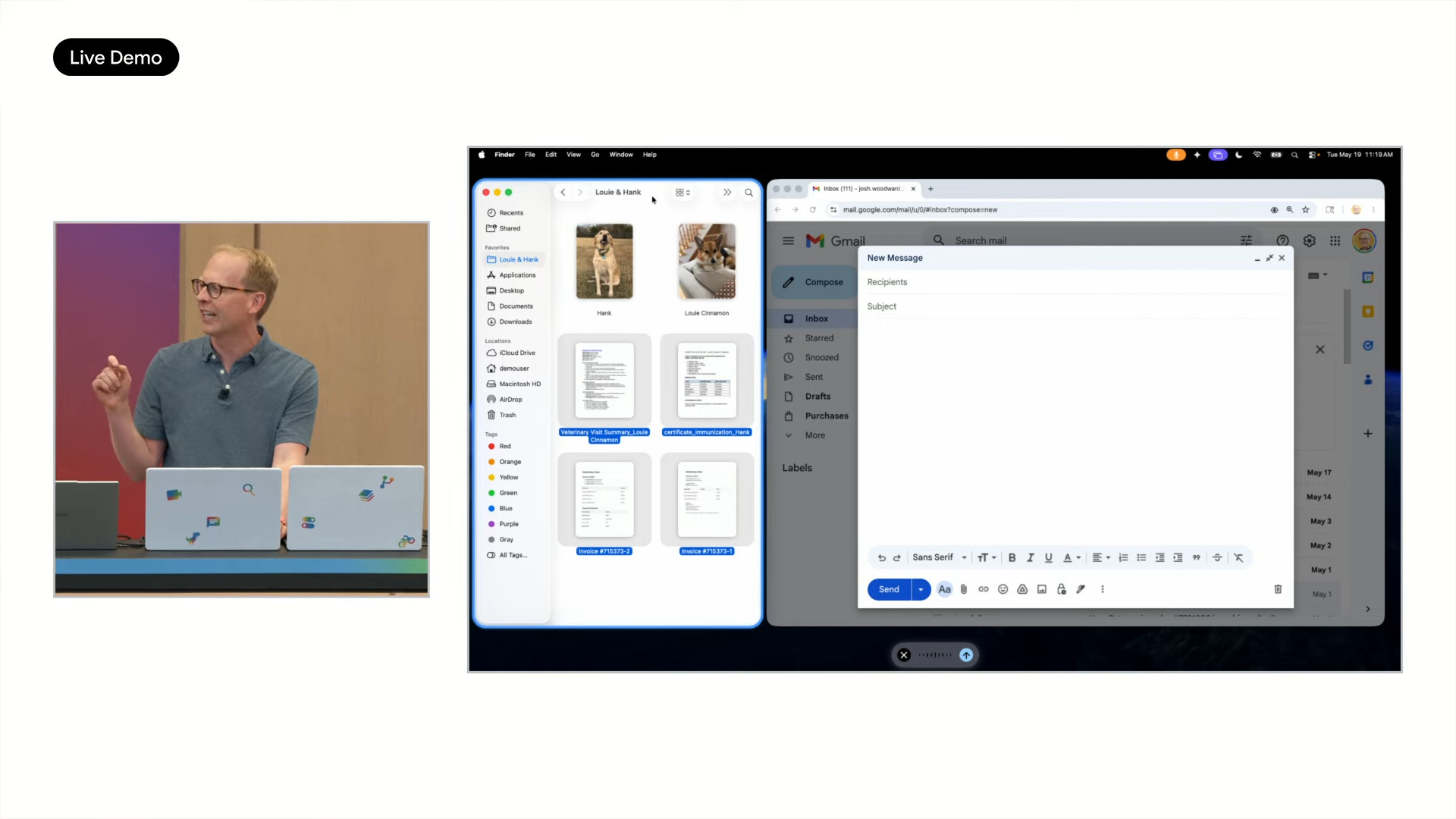
Gemini on the Mac is getting a unique feature where it lets you combine voice commands and selected files in Finder to create documents, emails, and more. It’s arriving later this summer.
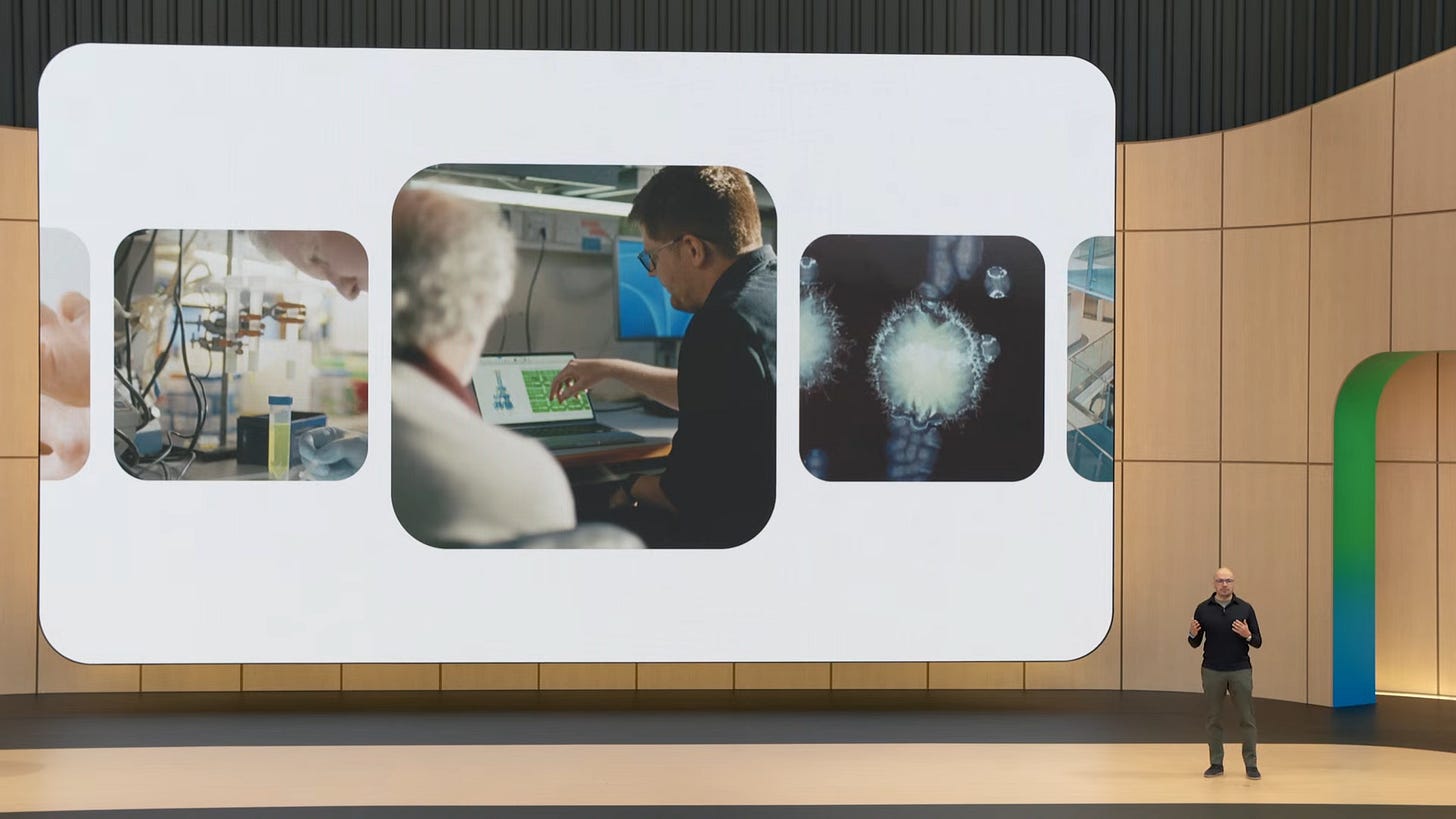
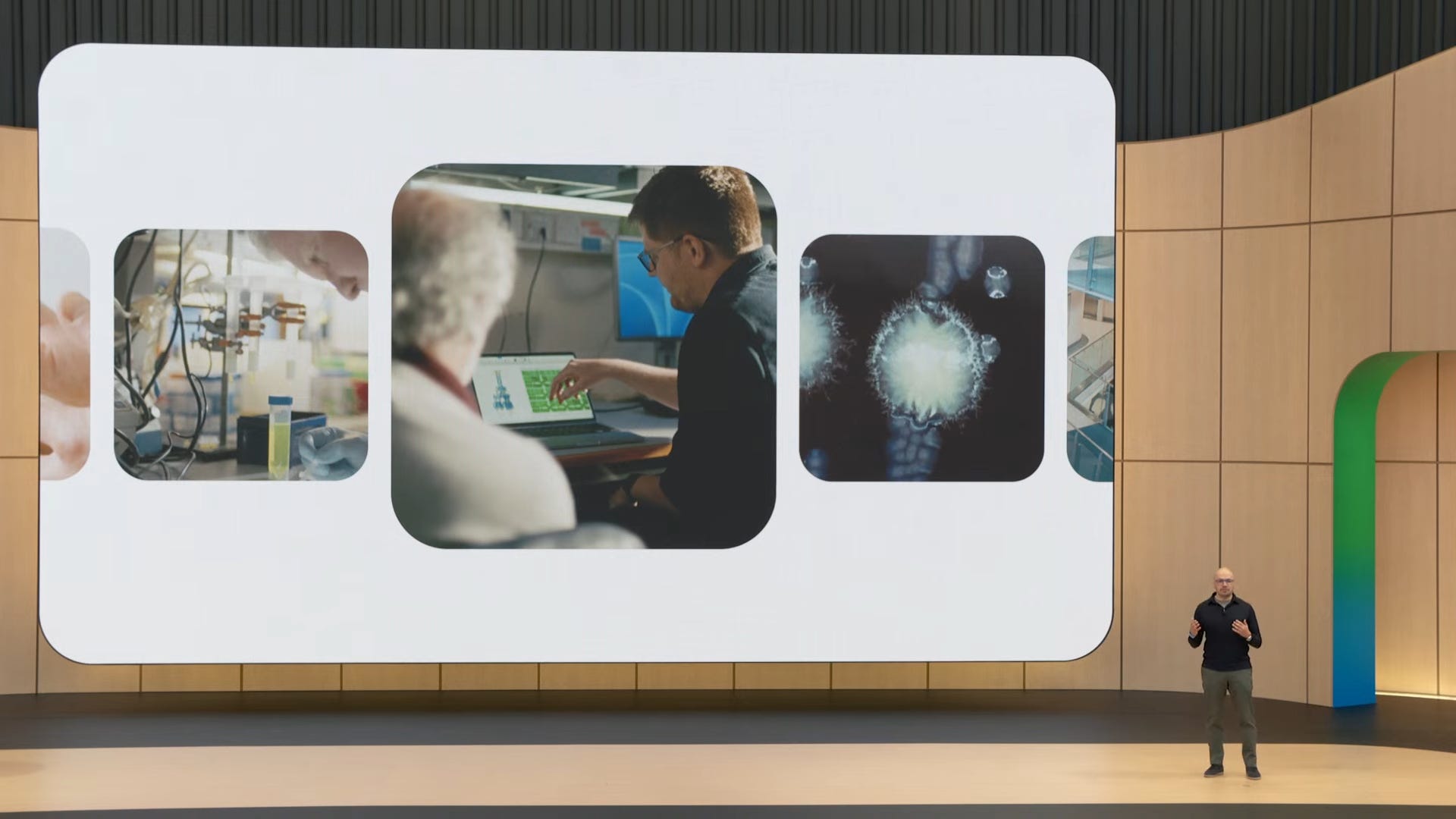
Gemini for Science was announced for helping users research complex scientific topics. It supports simulations, weather emulators, and other tools.
🧑💻 New AI products and updates
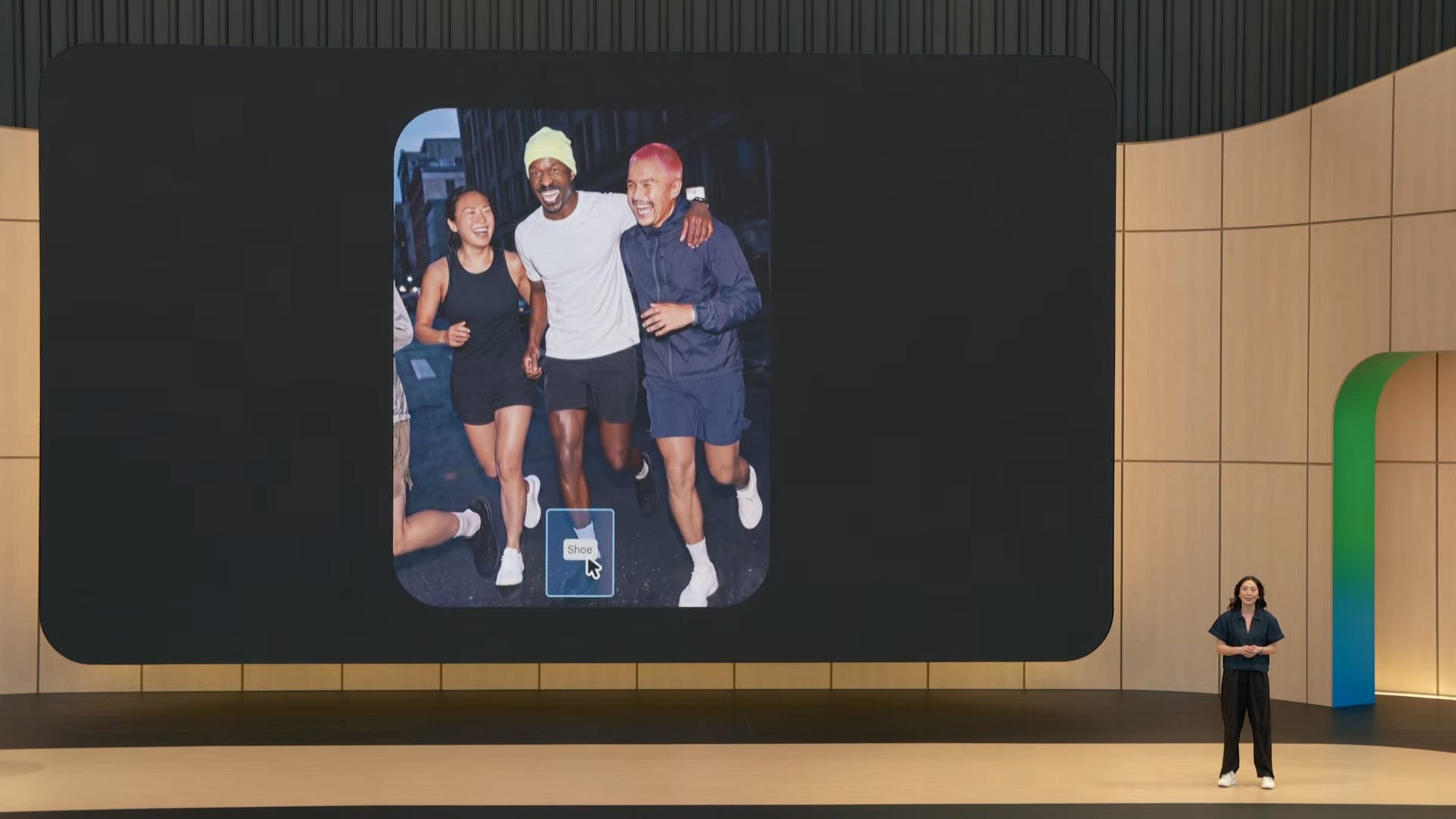
Google announced Google Pics, a new image editor that’s similar to Canva to help you create fun social graphics with AI prompts. It’s rolling out this summer.
Google announced updates to Stitch, an AI-powered website maker that lets you create sites with ease. You can interact with the AI in real time to make adjustments on the fly, export your code, or launch your site with a few clicks.
Google Flow wants to be your creative collaborator. It ties together Omni, agents, music generation, and more to help you edit photos and videos with AI.
Google Tools gives you an overview of all the AI tools in Google’s library to help you tie in multiple features and quickly access them to make edits to your content on the fly.
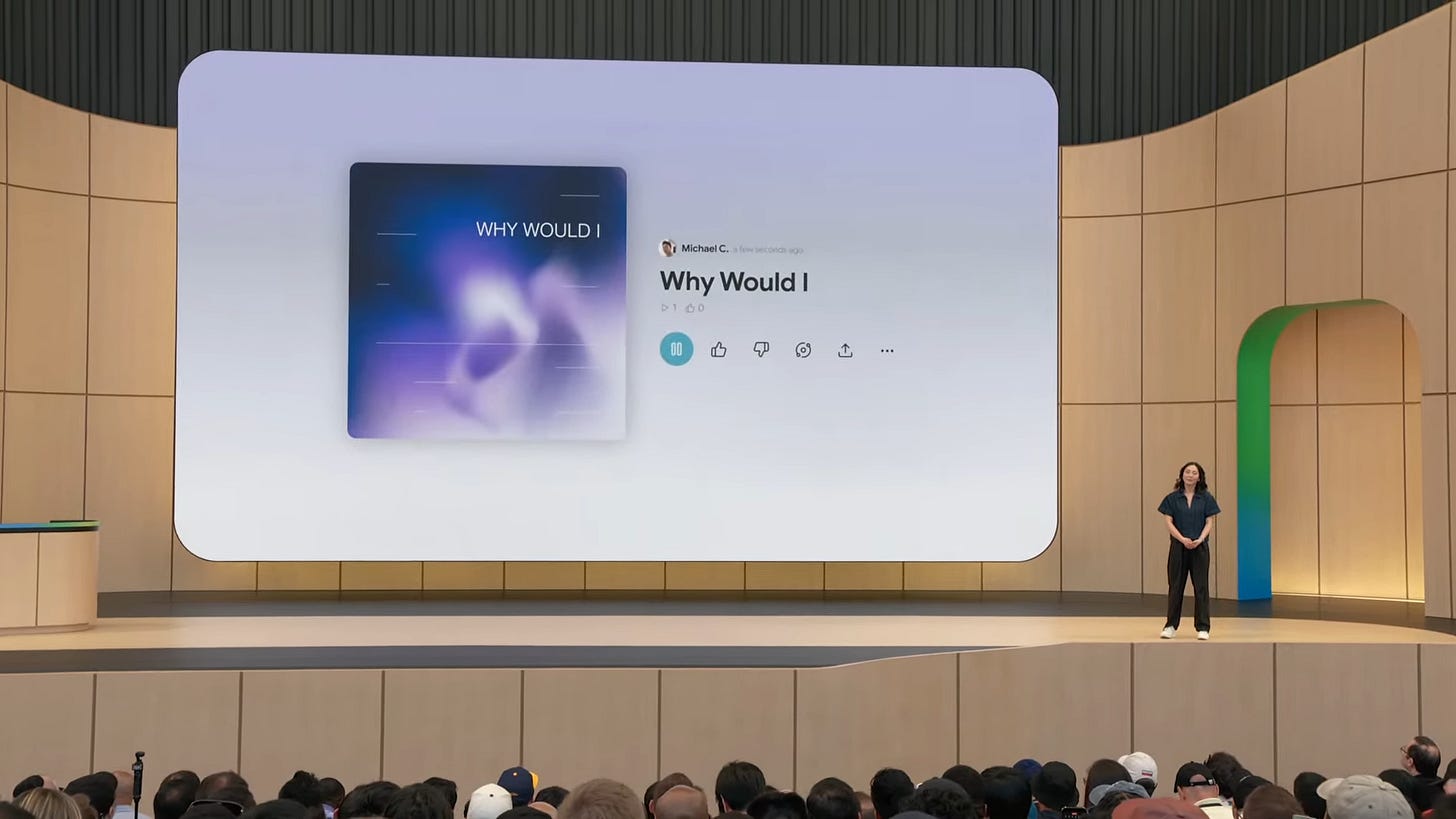
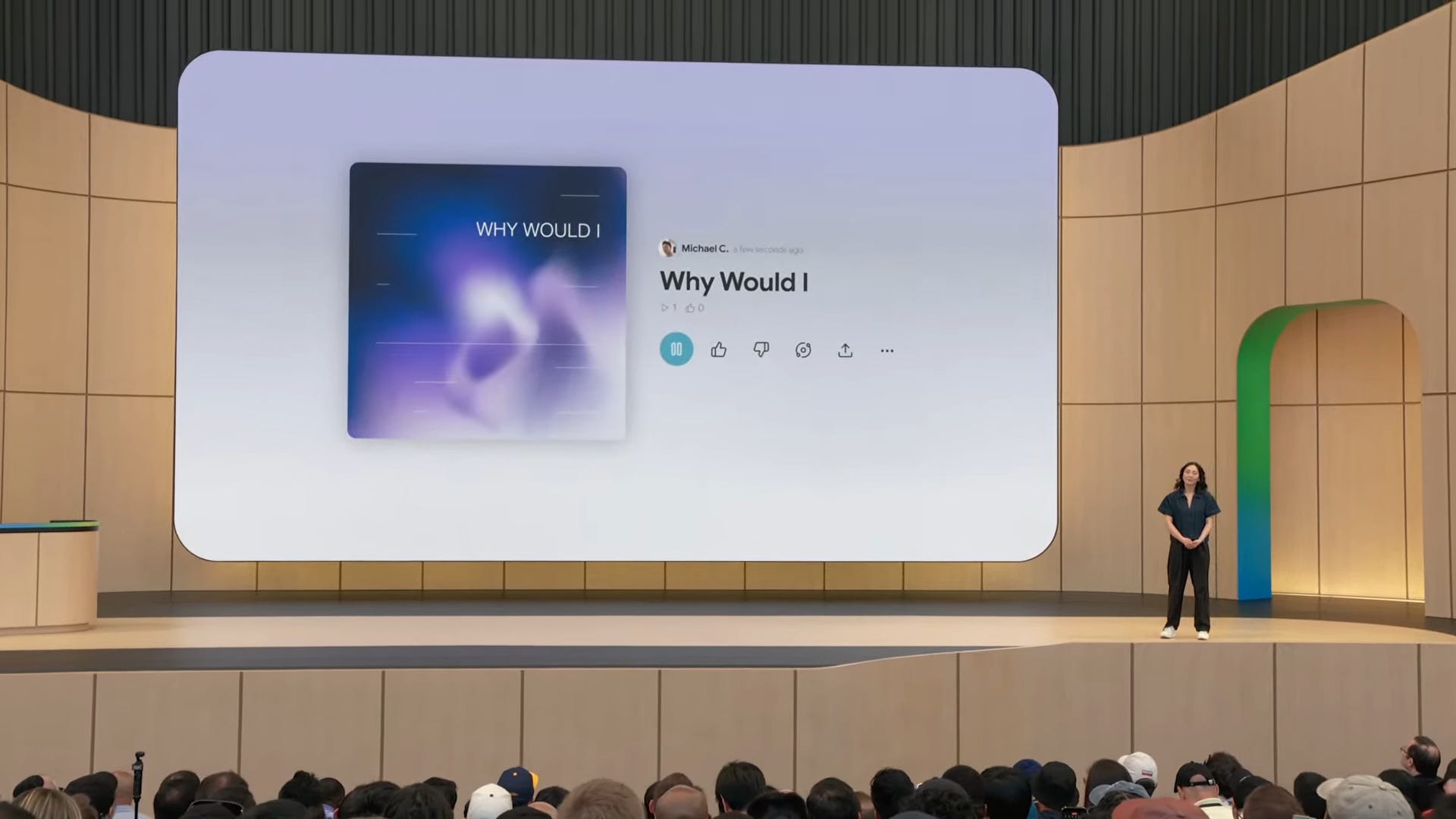
Google Flow Music can help you generate edits to music and create new clips and instruments.
👓 Android XR glasses
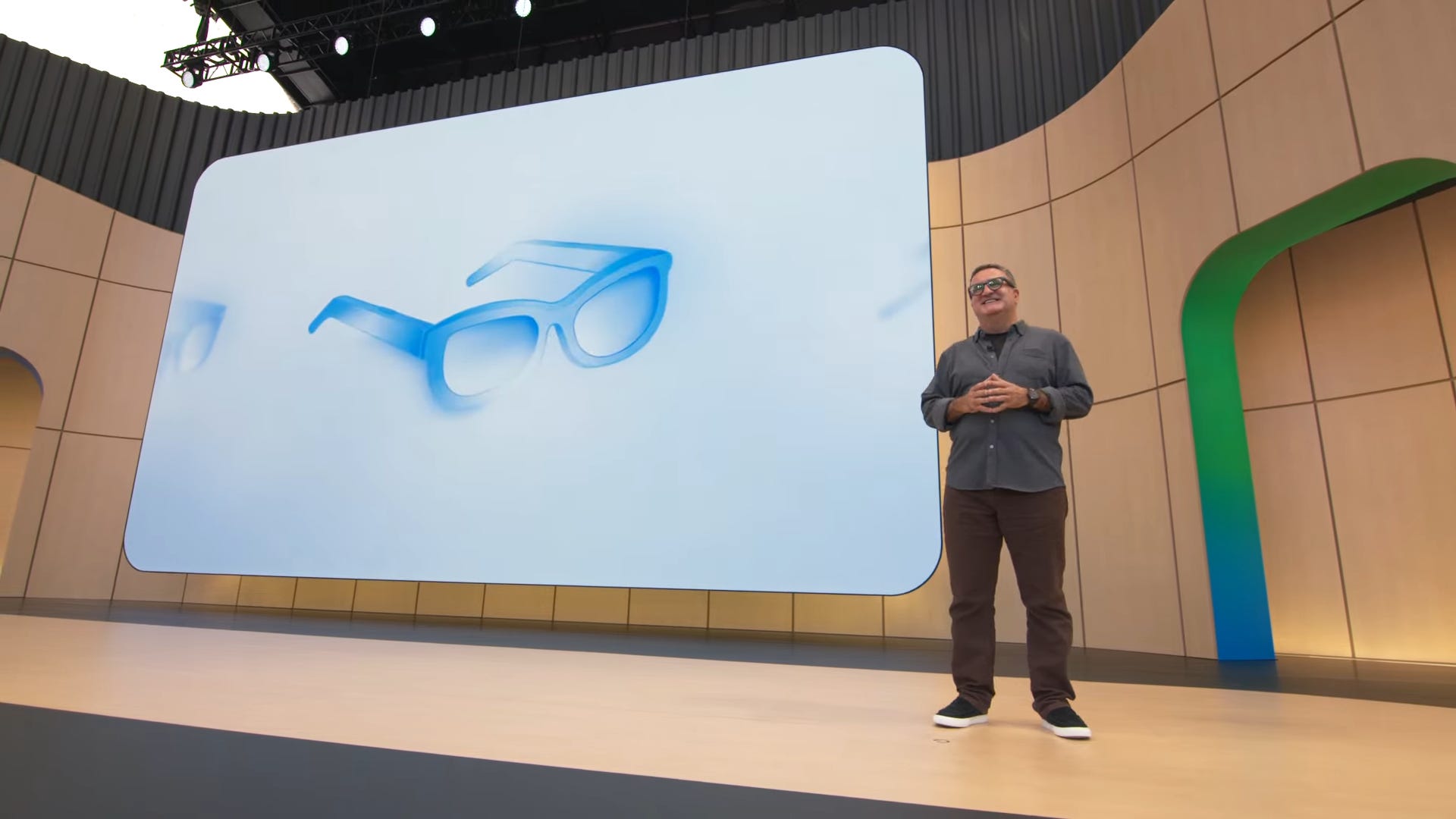
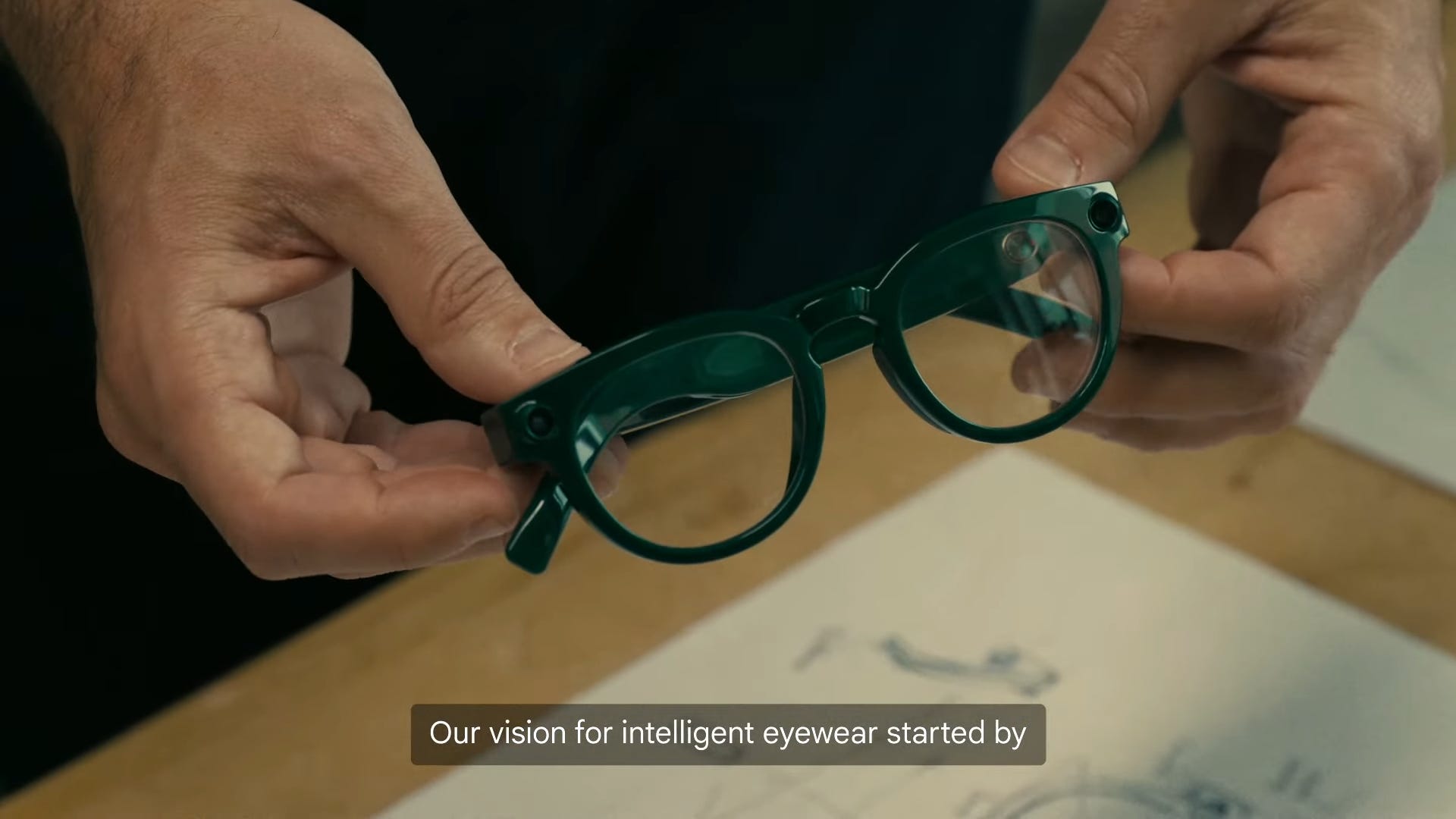
Google announced two new types of Android XR-powered eyewear: display glasses and audio glasses, the latter of which are arriving this fall.
The glasses will integrate directly with Gemini for hands-free interactions. Google partnered with Gentle Monster and Warby Parker for the first batch.
Google and Samsung have been working together to engineer the glasses and keep them thin, light, and powerful.
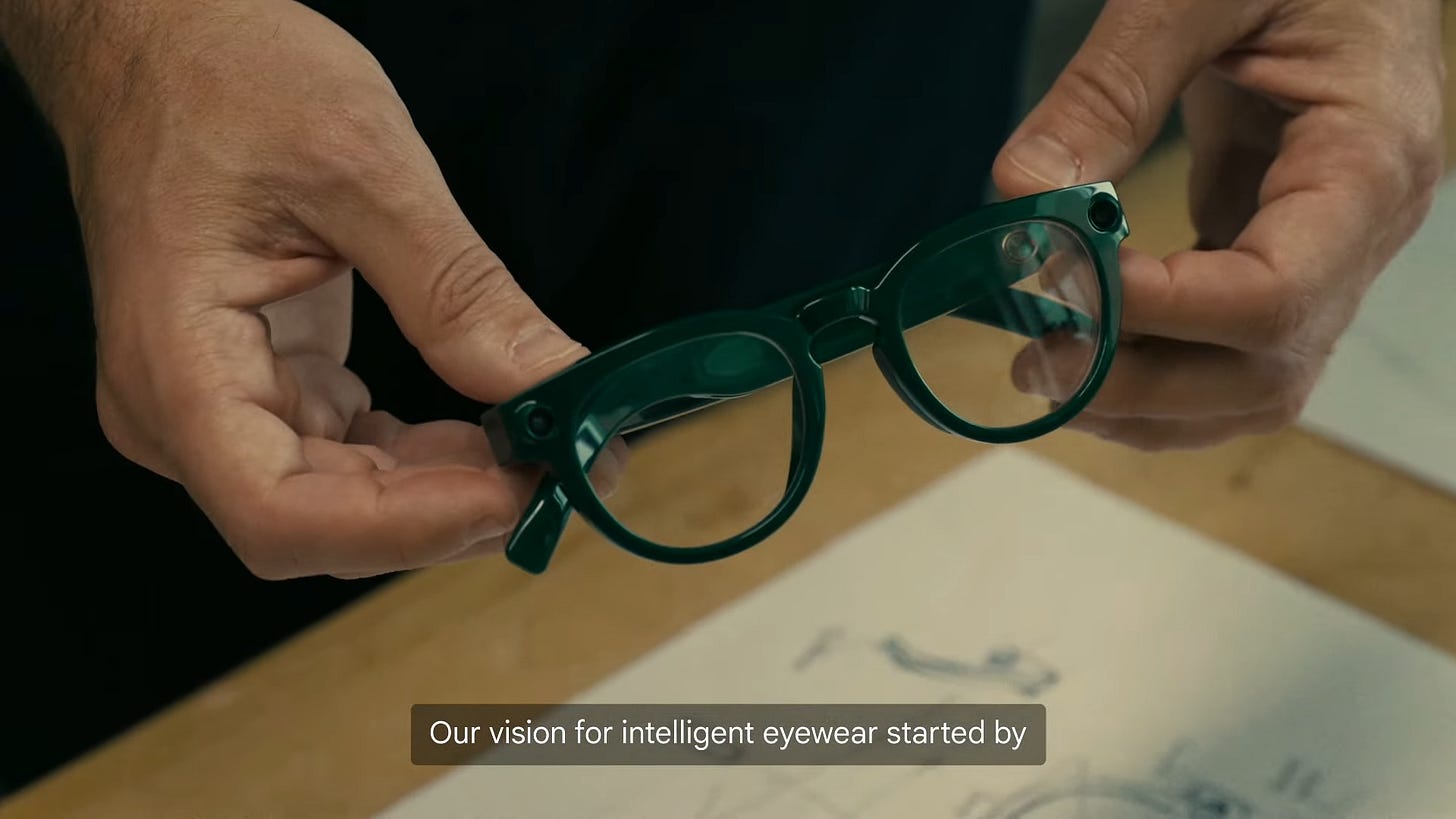
The glasses will pair with both Android and iOS.
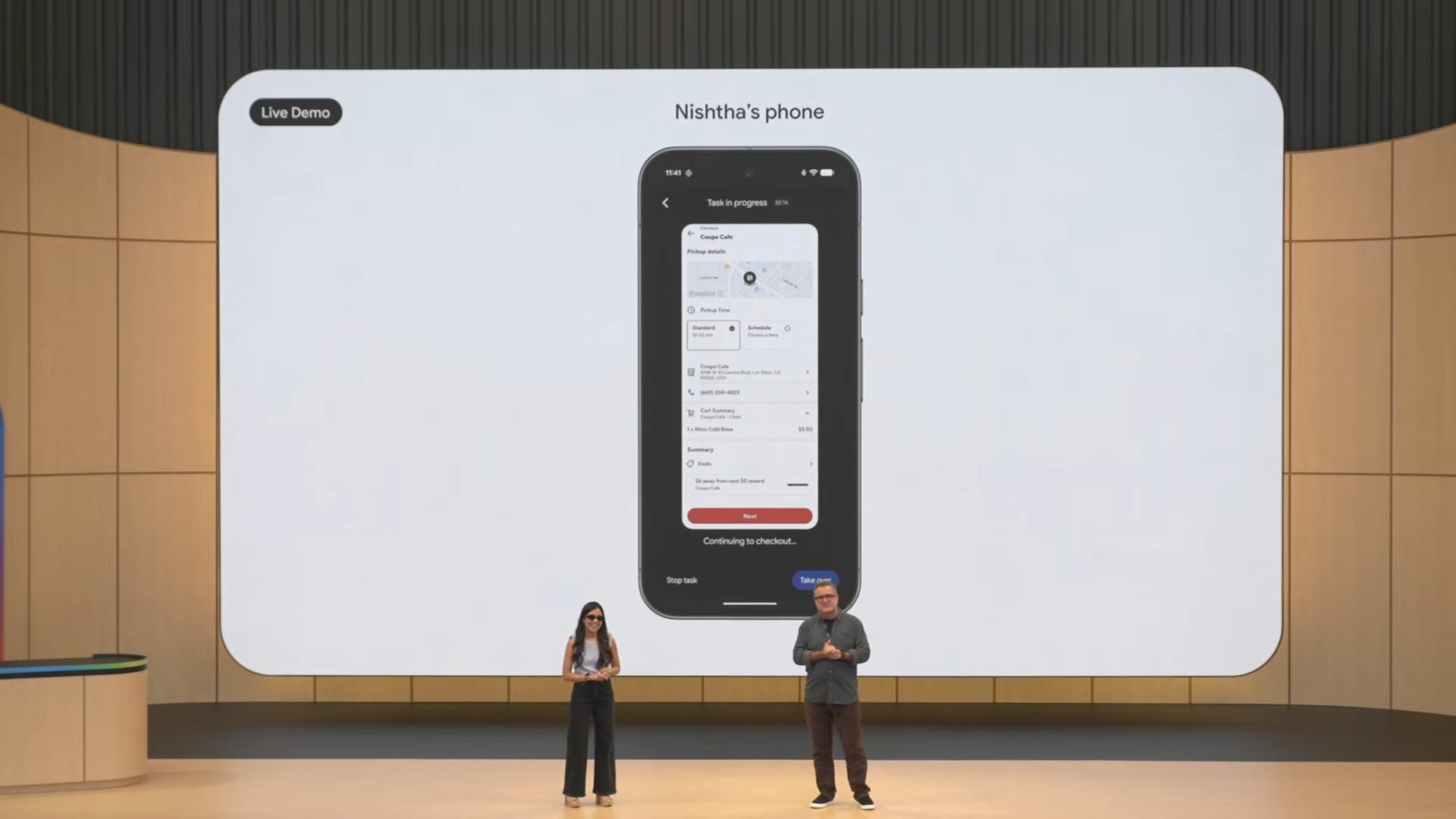
During a live demo, Google’s spokespeople showed off the glasses’ ability to ask Gemini to navigate to a coffee shop that was visited last week, with detailed directions like “the coffee shop is coming up on the right.” Gemini was also able to put their usual coffee order in ahead of time, all without having to use their phone.
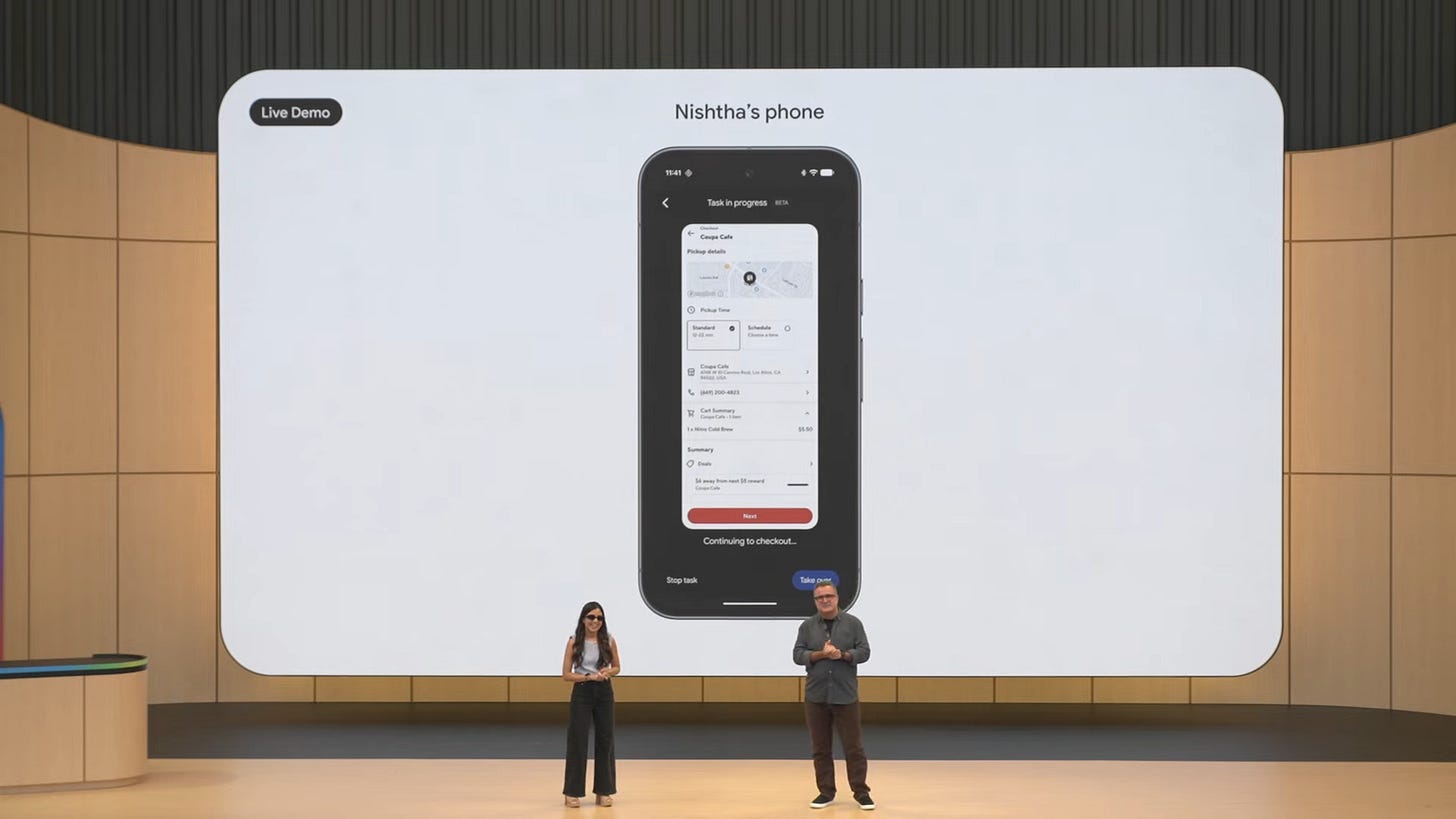
Gemini was also able to take a picture of the crowd at I/O using the glasses and use Nano Banana to add a blimp to the sky.
Read more: Google jumps back into AI glasses with Samsung, Warby Parker. and Gentle Monster
Max Buondonno is an editor at The Shortcut and co-host of The Shortcut Live. He’s been reporting on the latest consumer technology since 2015, with his work featured on CNN Underscored, ZDNET, How-To Geek, XDA, TheStreet, and more. Follow him on X @LegendaryScoop and Instagram @LegendaryScoop.